Published: 03 March 2026. The English Chronicle Desk. The English Chronicle Online.
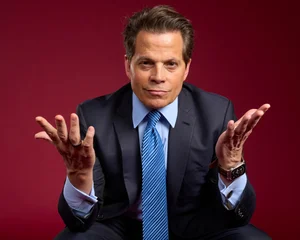
Anthony Scaramucci does not hesitate when discussing the Epstein files and their impact. He insists the Epstein files will not knock Donald Trump out of politics. Speaking during a recent visit to London, he reflected candidly on his years orbiting Trump’s volatile world. His verdict is blunt and rooted in long experience inside Trump’s inner circle.
Scaramucci, once briefly the White House communications director, has become one of Trump’s sharpest critics. Their relationship stretches back more than three decades, shaped by business, politics and rivalry. He describes Trump as fundamentally transactional, resistant to loyalty beyond immediate advantage. According to Scaramucci, friendship rarely survives within Trump’s competitive and suspicious orbit.
He met Trump in the mid-1990s at Trump Tower in Manhattan. At the time, Trump’s celebrity image dominated New York tabloids and business headlines. The young financier was impressed by Trump’s aura and apparent success. Trump’s bestselling book, The Art of the Deal, reinforced that carefully cultivated persona.
Over time, Scaramucci says he came to understand Trump’s motivations more deeply. He believes Trump operates as a perpetual outsider seeking validation from elites. That dynamic, he argues, fuels both ambition and resentment in equal measure. It also shapes Trump’s response to controversy, including renewed attention around the Epstein files.

Scaramucci’s own political career remains defined by his extraordinary eleven days in 2017. Appointed communications director under President Donald Trump, he quickly became a media spectacle. His brash style and colourful language drew fascination and ridicule in equal measure. Within days, a leaked phone call sealed his abrupt dismissal.
He has since treated that brief tenure with humour and reflection. When former British prime minister Liz Truss resigned after a short term, he joked about “Scaramuccis” as a time measure. The remark captured his willingness to own public embarrassment. It also marked the start of a visible reinvention.
Today, Scaramucci co-hosts the political podcast The Rest Is Politics US. Alongside broadcaster Katty Kay, he offers measured analysis of American politics. Listeners have noted a calmer, more reflective tone than during his White House days.
He credits those turbulent experiences for sharpening his perspective on Trump’s resilience. In his view, scandal rarely delivers the decisive blow critics expect. He believes the Epstein files, while serious and disturbing, will not alone end Trump’s political influence. That confidence stems from observing how Trump frames attacks as partisan conspiracies.
Scaramucci argues that Trump’s supporters interpret investigations through a lens of mistrust. They see media scrutiny as evidence of establishment hostility rather than wrongdoing. This defensive solidarity, he says, strengthens Trump during crises. It explains why he doubts the Epstein files will trigger collapse.
Born on Long Island to working-class parents, Scaramucci built his fortune step by step. He studied economics at Tufts before attending Harvard Law School. After graduation, he joined Goldman Sachs and learned Wall Street’s unwritten codes. He later founded SkyBridge Capital, establishing himself among finance’s elite circles.
Despite wealth, he often describes himself as a permanent outsider. He believes that outsider status shapes both his worldview and Trump’s. Yet he draws a sharp distinction between their reactions to exclusion. Where he sought integration, he argues Trump sought dominance.
Their political alignment once seemed plausible. Scaramucci supported a mix of Democratic and Republican candidates over the years. He eventually joined Trump’s 2016 campaign, hoping pragmatic governance would prevail. He now calls that decision a serious misjudgment.
His break with Trump became final after inflammatory remarks about minority lawmakers. Scaramucci concluded that the rhetoric undermined democratic norms and social cohesion. Since then, he has positioned himself as a Republican critic of Trumpism. He insists his warnings come from proximity rather than ideology.
The renewed focus on the Epstein files has again placed Trump under scrutiny. Allegations linked to convicted sex offender Jeffrey Epstein continue to circulate online and in political debate. Trump has repeatedly denied wrongdoing connected to Epstein’s crimes. Investigations and civil proceedings have kept the issue alive in public discourse.
Scaramucci maintains that legal processes, not speculation, should determine accountability. Yet he separates legal jeopardy from political survival. He argues Trump’s political brand thrives on confrontation and perceived persecution. In that environment, the Epstein files become another battleground rather than a conclusion.
He points to past controversies that failed to end Trump’s influence. From impeachment proceedings to electoral disputes, Trump retained devoted supporters. Each episode, Scaramucci says, reinforced a narrative of defiance. That pattern informs his assessment of current events.
Beyond personality, Scaramucci believes broader structural forces enabled Trump’s rise. Economic anxiety, cultural shifts and political polarisation created fertile ground. He describes Trump as an “avatar” for disaffected voters’ anger. Addressing those grievances, he argues, matters more than any single scandal.
Scaramucci has channelled his experiences into writing and public speaking. His memoir and resilience-themed projects emphasise learning from failure. He frequently acknowledges personal mistakes made during his White House stint. That candour, he suggests, lends credibility to his warnings about Trump’s leadership style.
Financial controversy has also touched his career. SkyBridge faced turbulence after association with the collapsed crypto exchange FTX. Scaramucci has said he misjudged its founder but insists investors were protected. The episode reinforced his message about risk and accountability.
Despite fierce criticism of Trump, Scaramucci expresses cautious optimism about American democracy. He sees history moving in cycles of strain and renewal. In his telling, periods of division eventually produce reflection and reform. That long view tempers his alarm over immediate headlines.
Still, he worries about democratic norms during moments of executive overreach. He recently questioned the legality of military actions lacking congressional authorisation. Such decisions, he argues, test institutional safeguards meant to protect balance of power. His critique extends beyond party lines.
For British audiences, Scaramucci’s perspective offers an insider’s cautionary tale. He combines Wall Street polish with hard-earned humility. He readily admits missteps while maintaining sharp analysis of political strategy. That blend makes his comments on the Epstein files particularly striking.

He does not dismiss the seriousness of allegations surrounding Epstein. Instead, he focuses on political mechanics and voter psychology. In his view, decisive change requires sustained shifts in public sentiment. Until then, he predicts Trump will remain formidable.
Scaramucci’s journey from loyalist to critic illustrates the volatility of modern politics. It also highlights the personal costs of proximity to power. Family strain, public ridicule and professional setbacks shaped his transformation. Those experiences inform his sober tone today.
As debates over the Epstein files continue, he urges observers to avoid simplistic expectations. Political resilience, he argues, rarely collapses under a single revelation. Whether events prove him correct remains uncertain. Yet his assessment reflects intimate knowledge of Trump’s methods and mindset.
In the end, Scaramucci believes American institutions will endure beyond any individual leader. He sees renewal as possible, though not automatic. For now, he watches developments closely, sceptical of predictions of imminent downfall. The Epstein files, he concludes, are unlikely to be the final chapter.
Related News:
 Putin Intensifies Territorial Demands Before US Talks
 US National Guard Member Killed in DC Shooting
 Trump to Recheck Green Cards from 19 Nations After DC Attack
 Trump to pause migration from ‘third-world countries’
 Republicans Hold Tennessee Seat Despite Democratic Surge
 Franklin Turtle, Sabrina Carpenter Slam US Social Media Use
 Russia losses Ukraine war peace talks intensify amid rising deaths
 Trump Escalates Minnesota Immigration Surge Amid Rising Tensions
 Homeland security agents deployed amid Minneapolis protests
 Democrats Push Affordability to Challenge Trump Ahead of Votes
 Greenland Faces Pivotal Summit Over Arctic Power Struggle
 Trump Threatens Strong Action If Iran Executes Protesters
 Government Unveils Northern Powerhouse Rail Plans
 Trump press secretary attacks reporter over ICE question
 Kyrsten Sinema Faces High-Profile Lawsuit Over Marriage Interference
 Trump Receives Machado’s Nobel Medal in White House Meeting
 ‘He Believed Help Was Coming’: Why Iran’s Protesters Feel Betrayed
 Trump Fed bid heads to Supreme Court
 EU Says US Ties Have Suffered ‘Big Blow’ After Greenland Crisis
 ‘Unfathomable’: Australian veterans rebuke Trump claims
 Trump officials continue false claims after Alex Pretti shooting
 ‘Evil is resilient’: Pressure Mounts on Stephen Miller
 Fulton election raid hits Georgia election office
 Partial US Government Shutdown Hits Homeland Security Funding
 Thousands Protest ICE Operations in Nationwide US Day of Action
 Epstein Files Reveal Trump Officials’ Emails with Financier
 Thousands Protest ICE in New York Against Trump Deportation Campaign
 Sinema payment row deepens after $9,000 transfer claim
 Trump Praises ‘Terrific’ Petro After White House Talks
 Nurses’ families fear breakup under UK immigration crackdown
 Sanders Condemns Billionaire ‘Greed’ in California Tax Debate
 California Democrats Vow Trump Reckoning
 Trump’s Surgeon General Pick Evades Vaccine Questions
 Minnesota Medicaid funds halted in fraud row
 Clinton Testimony Erupts in Fiery Exchange
 Trump Faces Questions Over Iran Conflict Plan
 Army Officers Orders to Cut Ties with Men-Only Clubs
 Trump’s UK Ambassador Urges North Sea Drilling to Strengthen US Ties
 French Taxi Driver Cleared in David Lammy Theft Case After Fare Dispute
BBC to Apologise Over Edited Trump Speech Amid Backlash
French Taxi Driver Cleared in David Lammy Theft Case After Fare Dispute
BBC to Apologise Over Edited Trump Speech Amid Backlash
 Britain deploys RAF specialists to assist Belgium with drone threats
 Millionaires group urge Reeves to introduce wealth tax to ‘lift kids out of poverty’
 Reeves rejects £1bn plea for NHS redundancy payouts
 PM Condemns Leaks, Vows Loyalty to Ministers and Stability
 Major Rent Reform Ends No-Fault Evictions in England
 Senator John Fetterman Hospitalized After Fall from Heart Flare-Up, Keeps Sense of Humor
 Greene Pushes Epstein Files Amid Trump Fallout
 December Run-Off in Chile as Election Produces No Winner
 Canada Passes Carney’s First Budget in Tight Parliamentary Vote
 Shadow Fleet at Sea: Europe’s Battle Against Illicit Oil Shipping
 Georgians Defy Government Crackdown After Year of Protests
 ICC to Rule on Duterte’s Provisional Release
 Starmer Says Labour’s Economic Plan Needs Years to Deliver
 American Mother Extradited From UK to U.S. on Murder Charges
 Khaleda Zia Death in Bangladesh: First Female PM Dies at 80
 Albanese Opens Door to Bondi Royal Commission Amid Rising Pressure
 Minnesota Sues Trump Administration Over ICE Surge
 US Clears Nvidia AI Chip Sales to China in Policy Shift
 US Senate rejects resolution limiting Trump military powers
 EU weighs response amid Greenland tariff crisis with Trump
 UK Ministers Drop Foreign Student Targets for Global Education Push
 No Gas Boiler Ban as UK Warm Homes Plan Backs Heat Pumps
 Shinzo Abe’s killer receives life sentence in Japan
 Sussan Ley leadership milestone shakes Liberal future
 Satire Can Skewer Trump, But It Won’t Save Democracy
 Police response times face strict new national limits
 Labour policing overhaul sparks fears over growing central control
 Australia’s Opposition Coalition Reunites After Rift
 ‘Trump Will Be Gone in Three Years,’ Top Democrats Tell Europe
 Australian Families Leave Syrian Camp for Home
 Farage to Name Jenrick as Reform Chancellor Pick
 Civil Service Pay: Union Urges Ministers to End ‘Barking Mad’ Limits
 Antonia Romeo appointment sparks criticism
 Farage Chagos Islands Row Sparks Fury
 Reform UK targets workers’ rights repeal
 Russian Trade Routed Through British Islands Exposed
 Mandelson Arrest: Met Apologises to Hoyle
 Germany Faces Backlash Over Scrapped Renewable Heating Mandate
 Has Europe truly learned from the failures of 2022?
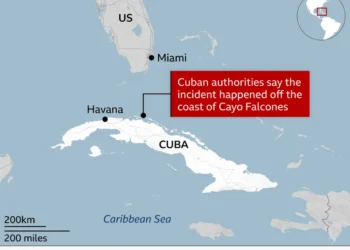 American Citizen Killed in Cuba Boat Shooting, U.S. Officials Say