Published: 03 March 2026. The English Chronicle Desk. The English Chronicle Online.
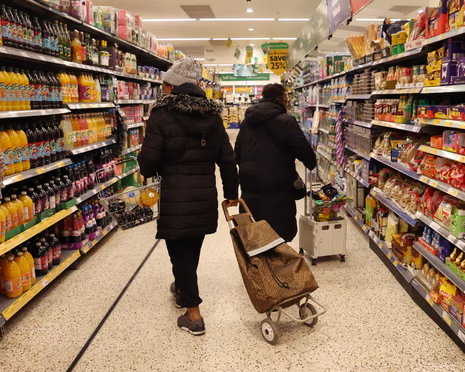
Grocery inflation has risen unexpectedly across the UK, unsettling households already facing tight budgets. The latest figures show grocery inflation climbing to 4.3 percent in February. This marks a reversal after four consecutive months of steady decline. The change has revived concerns about rising living costs this spring. Analysts warn that grocery inflation could worsen if geopolitical tensions escalate further.
New data from Worldpanel by Numerator shows prices increased in the four weeks to 22 February. Inflation had previously eased to 4 percent in January. In December, it stood higher at 4.7 percent. The fresh increase therefore surprised many industry observers and consumers alike. Households already adjusting spending plans now face renewed financial pressure.
The renewed rise comes as global energy markets remain volatile. Concerns centre on the ongoing conflict affecting the Middle East. Energy traders fear prolonged instability could limit regional oil and gas supplies. Higher wholesale energy prices typically filter quickly into food production costs. Transport, refrigeration, and packaging expenses all depend heavily on fuel prices.

Warnings from European policymakers have reinforced those concerns. European Central Bank officials have outlined potential inflationary risks. Chief economist Philip Lane cautioned that energy shocks could spark broader price spikes. He suggested sustained conflict may trigger substantial inflation across the eurozone. Such developments would likely affect Britain given close trade links.
Energy costs influence food pricing both directly and indirectly. Farmers depend on fuel for machinery and fertilisers. Manufacturers require gas and electricity for processing and storage. Supermarkets must also absorb rising distribution expenses. When energy prices surge, grocery inflation often follows swiftly.
UK drivers have already noticed rising fuel prices at petrol stations. Higher pump prices usually squeeze disposable household income. Simultaneously, domestic gas and electricity bills remain elevated. These pressures combine to shape consumer behaviour at supermarket checkouts. The latest data suggests shoppers remain cautious yet occasionally indulgent.
Seasonal events provided insight into recent spending habits. In the run up to Shrove Tuesday, pancake supplies surged. Pre made pancake mixes rose by 114 percent week on week. Those preparing batter from scratch paid slightly more overall. Key ingredients cost around £7.77, up nearly six percent year on year.
Despite price rises, ingredient sales climbed sharply. Flour sales increased by 34 percent during the period. Sugar purchases rose by 17 percent, reflecting baking enthusiasm. Lemon sales jumped by a striking 70 percent. These figures highlight resilience in household celebration traditions.
Valentine’s Day spending also revealed notable patterns. Many households delayed purchases until the final days. Nearly 12 percent bought premium meal deals on the Friday evening alone. Steak sales peaked late in the week. Chocolate purchases followed a similar last minute trend.
In total, shoppers spent £39 million on premium dine in experiences. These meal deals were priced at £10 or more. Spending was seven times higher than the previous week. Such behaviour suggests selective indulgence despite grocery inflation pressures. Consumers appear willing to prioritise special occasions even during uncertainty.
Retailers are responding differently to shifting demand patterns. Online grocery shopping continues to expand across the country. Sales through internet platforms increased by 9.7 percent year on year. More than 18 million online orders were placed over four weeks. Online transactions now represent 13 percent of total grocery sales.
Affluent families in London and the south east remain prominent online shoppers. However, convenience appeals increasingly across varied income groups. Time pressed households value flexible delivery and collection options. Digital loyalty schemes also attract price conscious consumers. Retailers therefore invest heavily in technology and logistics networks.
Among individual supermarkets, competitive dynamics remain intense. Ocado retained its position as the fastest growing grocer. Sales rose by 15.1 percent over twelve weeks. Its market share reached 2.1 percent. The online specialist continues benefiting from digital momentum.
Discount chains are also performing strongly. Lidl recorded double digit sales growth for the twelfth consecutive month. Sales increased by 10 percent, lifting market share to 7.8 percent. Price sensitive shoppers appear drawn to competitive discount pricing.
Market leader Tesco achieved sales growth of 4.5 percent. Its market share rose to 28.5 percent. Sainsbury’s increased sales by 5.2 percent. That lifted its share to 16.1 percent. Both chains continue balancing value ranges with premium offerings.
Meanwhile, Waitrose posted its highest growth rate since March 2021. Sales climbed by 5.6 percent, reaching a 4.8 percent share. The retailer benefits from loyal customers seeking quality products. However, not all supermarkets shared positive momentum.
Asda recorded a 2.6 percent decline in sales year on year. Co-op saw sales fall by 1.6 percent. These dips underline competitive pressures across the sector. Grocery inflation compounds strategic challenges for weaker performers.
Industry leaders express cautious optimism despite current concerns. Bakery chain Greggs noted easing inflationary pressures in some areas. The company reported a near 18 percent drop in pre tax profits. Annual profits reached £167.4 million in the year to December. Executives hope stabilising costs will support consumer spending recovery.
Economists stress that the trajectory of grocery inflation depends heavily on energy markets. A prolonged Middle East conflict could disrupt oil shipping routes. Reduced supply would likely push crude prices higher. That scenario could reignite broader inflationary trends across Europe. Britain would not remain insulated from those developments.
Conversely, diplomatic breakthroughs could ease market tensions. Lower energy prices would relieve pressure on producers and retailers. Supply chains could stabilise more quickly than feared. In that case, grocery inflation might resume its previous downward path. Consumers would welcome renewed stability in weekly shopping bills.
For now, households continue adapting spending strategies carefully. Many switch between supermarkets seeking the best offers. Loyalty schemes and discount vouchers remain popular tools. Some families reduce discretionary purchases to manage budgets. Others trade down from premium brands to supermarket own labels.
Food banks and community groups monitor developments closely. Even moderate price increases affect vulnerable households sharply. Charities report sustained demand for support services. Policymakers therefore face ongoing pressure to address living cost challenges. Broader economic growth remains modest across much of Europe.

Financial analysts will watch upcoming inflation data closely. Any sustained rise could influence interest rate decisions. Central banks aim to balance inflation control with growth protection. Rapid price acceleration would complicate that delicate task. Grocery inflation thus carries wider economic significance beyond supermarket aisles.
Shoppers heading into Easter may notice specific price variations. Chocolate prices remain elevated, up over nine percent annually. However, the rate of increase has begun easing gradually. Retailers anticipate steady demand for seasonal treats. Promotional campaigns may help offset some cost concerns.
Ultimately, the current uptick serves as a reminder of global interconnectedness. Events thousands of miles away influence British shopping baskets quickly. Energy markets, transport routes, and currency movements intertwine tightly. Grocery inflation reflects these complex economic webs. Consumers, retailers, and policymakers alike remain alert to future shifts.
While uncertainty persists, resilience remains visible across communities. Families continue celebrating milestones despite tighter finances. Supermarkets compete vigorously to retain loyalty. Economists emphasise the importance of measured policy responses. The coming months will reveal whether grocery inflation proves temporary or more entrenched.
Related News:
 CMA Flags Concerns Over Greencore-Bakkavor Merger
 Reeves Faces Setback as Labour May Miss Homes Target
 UK Small Business Owner to Challenge L’Oréal in Tribunal
 Trump’s UK Ambassador Urges North Sea Drilling to Strengthen US Ties
 150-Year-Old Arctic Beer to Be Reborn in Scotland
 Court Hears Challenge Over Water Bills Funding Sewage Fixes
 London bagel shop tops Deliveroo’s global orders list
 ABF May Split Primark from Food Division Amid Tough Market
 Rachel Reeves Set to Break Labour Pledge and Raise Income Tax
 UPS Cargo Plane Crash in Kentucky Kills Seven
 Thinktanks Urge Rachel Reeves to Reform UK Tax System
 M&S Profits More Than Halve After Cyber-Attack
 Tony Blair think tank warns Rachel Reeves must cut taxes if manifesto broken
 Oprah enjoys Meghan’s jam on English muffins
MPs Press Rachel Reeves to Hike Gambling Taxes
Oprah enjoys Meghan’s jam on English muffins
MPs Press Rachel Reeves to Hike Gambling Taxes
 North Sea oil workers must lose weight or face job loss
 Cuts to home insulation funding threaten UK climate goals
 Warning as Britons prepare to spend £4 billion this Black Friday
 Millionaires group urge Reeves to introduce wealth tax to ‘lift kids out of poverty’
 Borough Market Clash Sparks Influencer Backlash
 UK toy market enjoys bumper year as ‘kidults’ fuel demand
 Reeves’s Tax U-Turn Triggers Fresh Jitters in UK Markets
 Global markets drop amid tech sell-off and China slowdown
 PM Highlights UK Business at G20 in South Africa
 Mossmorran Plant Closure Hits Cowdenbeath Hard
 UK Energy Bills to Rise Slightly in January
 UK Government Borrowing Higher Than Expected
 UK Taskforce Unveils Plan to Streamline Nuclear Reactor Rules
 Steel billionaire Lakshmi Mittal reportedly leaves UK
 Minister Denies Budget Leaks Have Harmed UK Economy
 English Mayors Set to Introduce Tourist Taxes
 Starmer Says Labour’s Economic Plan Needs Years to Deliver
 Virgin Media Fined £23.8m Over Telecare Safety Failures
 Rising Water Bills Lift Troubled Thames Back to Profit
 Bet365 Boss Nets £280m Despite Profit Drop
 Sainsbury’s CEO leads business honours in New Year list
 UK Car Sales Pass 2 Million as Chinese Brands Surge
 Starmer Faces Parliamentary Battles Over UK-EU ‘Reset’ Plan
 3,000 Jobs at Risk Without UK Helicopter Order
 China Dependence Threatens UK Energy Supply Chains and Jobs
 ScottishPower Tops List of Worst UK Energy Suppliers
MPs warn AI financial risks threaten UK stability
ScottishPower Tops List of Worst UK Energy Suppliers
MPs warn AI financial risks threaten UK stability
 MPs warn AI financial risks threaten UK stability
 City & Guilds pay surge sparks backlash amid £22m cuts
 UK Government Borrowing Drops to £11.6bn in December
 UK Disposable Income Growth Transforms Eleven Towns and Cities
 AI job losses UK: Britain faces sharper employment shock
 Most young adults in UK fear uncertain jobs and economic future
 Labour Must Revive High Streets to Avoid Election Collapse
 Households in England Face Rising Water Bills in April
 UK New Car Discounts Near £6,000 as Prices Are Slashed
 Study Finds One in Seven England Takeaways Are Dark Kitchens
 Riverford sales surge as UK organic market booms
 Barclays drops Global Counsel after Mandelson link scrutiny
 UK average home price exceeds £300,000 milestone, Halifax reports
 UK Experts Raise Alarm Over Machinery Export to Armenian Firm
 Elliott Takes LSEG Stake, Pressures Strategy Shift
 UK Housing Market Shows Early Recovery Signs
 UK economy struggles as growth stalls at 0.1% in late 2025
 Aberdeen Chosen for GB Energy HQ at Marischal Square
 Bank of England Urged to Cut Rates to Spur Growth
 Royal Mail Blames Poor Weather and Sickness for Delayed Deliveries
 UK Unemployment Rate Climbs to 5.2% Peak
 UK shelves £110m border project amid trade strain
 British Steel wins Turkey rail boost
 UK Inflation Surprise Sparks Early Rate Cut Hopes
 UK Sees Record £30.4bn Budget Surplus, Boosting Reeves’ Position
 UK Job Vacancies Hit Five-Year Pandemic Low
 SNP Charging £750 per Ticket for Business Event Featuring ‘Beer and Blether’ with Stephen Flynn
 UK Youth Unemployment Surges Amid Tax Changes
 Ministers Urged to Ban Crypto Political Donations
 Strong Rebound for UK Housing Market Sees 6% More Homes
 Reeves Must Back Defence Plan or Face Dismissal, Says Unite Chief
 Doom Bar Closure Stuns Cornish Brewing Fans
 John Lewis Cancels £500m Build-to-Rent Project
 Energy Bills to Fall by £117 for Millions from April
 Switching Energy Deal Can Save £200 as Price Cap Falls
 OBR Reform Row Deepens Before Spring Forecast
 UK house prices rise as market steadies
 Rachel Reeves Faces Middle East Conflict Test