Published: 03 March 2026. The English Chronicle Desk. The English Chronicle Online.
The Riyadh drone attack has marked a dangerous new chapter in the Middle East conflict. Iranian drones struck the US embassy compound in the Saudi capital, igniting a minor fire and raising fears of wider escalation. The strike came as Israeli forces began operating inside southern Lebanon, signalling a broadening battlefield. Within hours, the region appeared closer to a sustained regional war involving multiple states and armed groups.
According to officials, the drone that hit the embassy caused limited structural damage. The US diplomatic mission in Riyadh urged American citizens to avoid the area. Security teams quickly contained the fire, and no casualties were immediately reported. The Riyadh drone attack followed a similar incident targeting the US embassy in Kuwait earlier this week.
Iran has continued launching retaliatory strikes across the Gulf, targeting US facilities and bases. Officials in Washington described the attacks as coordinated attempts to widen the conflict. Tehran, meanwhile, framed its actions as defensive measures following joint US and Israeli strikes on Iranian territory. The situation has developed with remarkable speed over four turbulent days.
In Lebanon, the confrontation deepened as Israeli troops entered areas south of the Litani River. The Israeli defence minister, Israel Katz, confirmed soldiers had been instructed to “hold and advance” into southern positions. It was the first clear admission that ground forces would complement Israel’s air campaign against Hezbollah.
Hezbollah responded with overnight missile salvoes aimed at military sites in northern Israel. The group said it targeted airbases and strategic facilities in retaliation for Israeli bombardment. Residents in border towns described sirens echoing through near-empty streets as evacuation orders expanded. Large parts of southern Lebanon now resemble ghost towns following repeated warnings.

Israel has steadily increased strikes on Hezbollah infrastructure and senior figures. Military sources said operations aimed to prevent further rocket fire into northern Israel. Over recent days, Israel announced the killing of several senior commanders, including intelligence chief Hussein Makled. Buildings linked to Hezbollah’s financial and media arms were also hit.
Rights organisations have cautioned that attacking non-military facilities may breach international law. Lebanese officials reported dozens killed and tens of thousands displaced by the latest bombardments. The Lebanese government took the rare step of banning Hezbollah’s military and security activities. Judicial authorities were instructed to pursue those responsible for cross-border rocket fire.
The Riyadh drone attack unfolded against this expanding backdrop of violence. What began as direct confrontation between Iran and Israel, with US backing, has morphed into a complex regional war. At least nine countries now find themselves affected either militarily or economically. Each new strike risks triggering further retaliation.
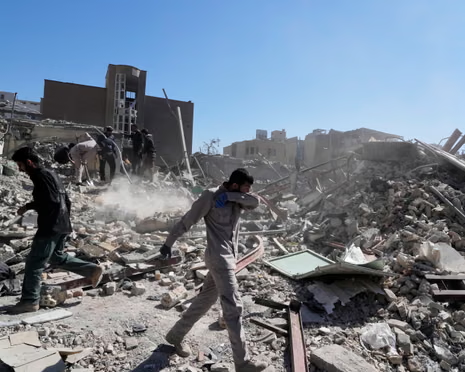
In Tehran, explosions were reported across several districts overnight. US and Israeli forces claimed to have struck Islamic Revolutionary Guard Corps command centres. Casualty estimates in Iran varied widely, with reports ranging from hundreds to over a thousand deaths. Among the most shocking claims was a strike that reportedly killed 165 people at a girls’ school.
Iran continued firing ballistic missiles toward Israel, most intercepted by advanced defence systems. However, several projectiles breached defences and caused fatalities inside Israel. Israeli emergency services confirmed at least 11 deaths from recent missile impacts. The cycle of attack and response has hardened positions on all sides.
The US confirmed the deaths of six soldiers stationed in Kuwait. Officials indicated they were killed during one of Iran’s regional strikes. Defence Secretary Pete Hegseth suggested further measures were under consideration. He did not rule out broader military options if attacks continued.
Secretary of State Marco Rubio warned that “harder hits are yet to come.” Administration figures argued their campaign against Iran had so far exceeded expectations. Yet analysts cautioned that escalation could trap the United States in prolonged conflict. The debate over strategy has intensified within Washington.
President Donald Trump offered mixed signals regarding the war’s objectives and duration. At times he suggested regime change in Tehran remained a goal. On other occasions, he emphasised preventing Iran from acquiring nuclear weapons. Iran has consistently denied pursuing nuclear arms.
Israeli Prime Minister Benjamin Netanyahu said the conflict might take time but would not last years. In interviews, he insisted Israel was creating conditions for internal change within Iran. Israeli political analysts noted that military success could bolster his domestic standing. However, prolonged warfare carries clear political risks.
The economic shockwaves from the Riyadh drone attack and related strikes have been immediate. Iran announced closure of the strategic Strait of Hormuz, a crucial energy chokepoint. Brigadier General Ebrahim Jabbari warned vessels not to enter the region. Several ships were reportedly struck after attempting passage.
Energy markets reacted sharply to the disruption in Gulf exports. Qatar temporarily halted operations at its largest liquefied natural gas facility. Saudi Arabia suspended activity at the Ras Tanura refinery following Iranian threats. Global oil prices climbed amid fears of sustained supply interruptions.
For Gulf states, the conflict has shattered relative stability. Governments have urged calm while reinforcing critical infrastructure. Many citizens expressed concern that their countries were becoming direct targets. The Riyadh drone attack underscored how quickly local tensions can spill across borders.
Diplomatic efforts to de-escalate remain limited and fragile. European governments have called for immediate ceasefire talks. The United Nations urged restraint and protection of civilian populations. Yet active military operations continue to expand daily.

In Lebanon, the humanitarian toll grows with each passing hour. Aid agencies reported mounting displacement as families flee southern districts. Medical facilities struggle to cope with casualties from airstrikes. The prospect of extended ground fighting raises fears of deeper crisis.
Within Israel, communities near the northern border remain largely evacuated. Schools and businesses have closed amid ongoing rocket threats. Public opinion appears resolute, though concern about long-term costs persists. Security officials maintain operations are essential to neutralise Hezbollah capabilities.
Inside Iran, state media portrayed the Riyadh drone attack as part of broader resistance. Government statements framed actions as justified responses to foreign aggression. Independent verification remains challenging due to wartime restrictions. Nonetheless, visible destruction across several cities suggests heavy impact.
Strategists warn that miscalculation could draw additional actors into direct confrontation. Regional alliances are complex, and loyalties often overlap. The involvement of non-state groups further complicates diplomatic channels. Each new front increases unpredictability.
As the fourth day of conflict closes, the region faces uncertain horizons. The Riyadh drone attack has become a defining symbol of widening hostilities. What began as targeted strikes now threatens to reshape geopolitical balances. Leaders on all sides face mounting pressure to contain escalation.
Whether diplomacy can regain ground remains unclear. For now, military operations dominate headlines and daily life. Civilians across multiple countries endure anxiety and disruption. The coming days will determine whether the conflict stabilises or spirals further.
Related News:
 Middle East Flights Halted After Iran Strikes
 US Iran Operation: Sixth Service Member Killed
 Hezbollah Anger Erupts as War Returns to Beirut
 Gaza Siege Deepens as Iran War Escalates
 Just Stop Oil Protesters Convicted Amid Climate Defence Row
 BBC to Apologise Over Edited Trump Speech Amid Backlash
 Britain deploys RAF specialists to assist Belgium with drone threats
 Palace May Restore Hyphen to Andrew Mountbatten-Windsor’s Name
 Greene Pushes Epstein Files Amid Trump Fallout
 Trump Deploys DHS to Charlotte in Major Arrest Operation
 December Run-Off in Chile as Election Produces No Winner
 Zelenskyy Signs Fighter Jet Deal Amid Russian Drone Attacks
 Orban Says Ukraine Has ‘No Chance’ as EU Support Continues
 Canada Passes Carney’s First Budget in Tight Parliamentary Vote
 Shadow Fleet at Sea: Europe’s Battle Against Illicit Oil Shipping
 Tiny Curacao Makes History as Smallest Nation to Reach World Cup
 Haiti Qualifies for World Cup Despite Coach Never Visiting Country
 Deadly Russian Strikes Hit Western Ukraine, 20 Killed in Ternopil
 Pentagon Officials in Ukraine to Discuss War End
 Ukraine Peace Plan: Zelensky Ready for Dialogue
 Venezuela Threatens Nobel Winner Machado with Fugitive Status
 Royal Navy Shadows Russian Warships Entering the Channel
 US Suspends Afghan Immigration After White House Shooting
 Two National Guard Soldiers Critically Injured Near White House
 Georgians Defy Government Crackdown After Year of Protests
 Southern Lebanon reels as Israeli strikes shatter communities
 Tokyo court rules Japan’s same-sex marriage ban constitutional
 ‘Extinct’ Antelope Returns to Sahara, Bringing Hope
 EU plans $105bn Ukraine aid using frozen Russian assets
 American Mother Extradited From UK to U.S. on Murder Charges
 Russia losses Ukraine war peace talks intensify amid rising deaths
 Facebook Slow to Remove Bondi Attack Praise, Anti-Hate Group Claims
 Australian Cruise Ship Freed After Reef Grounding in Papua New Guinea
 US Cities Erupt in Protests Against Trump’s Venezuela Military Action
 Albanese Opens Door to Bondi Royal Commission Amid Rising Pressure
 Trump Escalates Minnesota Immigration Surge Amid Rising Tensions
 Iran Protesters Defy Crackdown as Violent Clashes Intensify
 US Clears Nvidia AI Chip Sales to China in Policy Shift
 Trump Threatens Strong Action If Iran Executes Protesters
 Gulf states warn Trump Iran strikes risk wider Middle East war
 Machado Trump medal gesture reshapes Venezuela power struggle
 EU weighs response amid Greenland tariff crisis with Trump
 Syria President Declares Victory as Ceasefire Reached with SDF
 Sydney Shark Attack Surge Shocks Australia Beaches
 Thousands Flee Cambodia Scam Centres Amid Global Pressure
 EU Says US Ties Have Suffered ‘Big Blow’ After Greenland Crisis
 Andrew Hastie Emerges as Leadership Rival to Ley
 Starmer China visit raises human rights pressure on Beijing
 Videos reveal earlier clash before Alex Pretti shooting
 China Executes 11 Linked to Myanmar Scam Networks
 UK New Car Discounts Near £6,000 as Prices Are Slashed
 Israel Moves to Bar MSF From Gaza Operations
 Tragic Ski Lift Accident Claims Australian Snowboarder
 Portugal Election Delivers Socialist Win as Far Right Surges
 Australian Families Leave Syrian Camp for Home
 SA Police Intensify Search in Gus Lamont Case
 Trump Attacks UK-California Energy Pact
 ‘I Would Scream in My Sleep’: Alawite Women from Syria Tell of Kidnap and Rape
 Iran Says ‘Guiding Principles’ Agreed With US at Nuclear Talks
 Trump and Chagos Deal Rift Over Iran Strikes
 Andrew Arrest Sparks Republic Debate in Australia
 Global corruption crisis: Who Washington shields
 Farage Chagos Islands Row Sparks Fury
 Gold Rush in Gugulethu Leaves South Africans Desperate for Work and Hope
 Hilary Knight speaks out on Trump’s recent hockey remarks
 Trump Speech Sparks Intense Debate Across Divided America
 Has Europe truly learned from the failures of 2022?
 Social Media Trial: Woman Says Addiction Began at Six
 Iran’s Regime Still Intact — Coming Days Will Test Its Survival
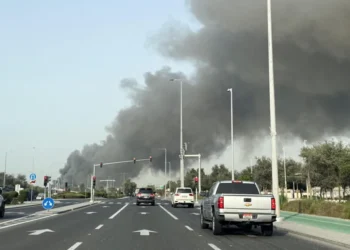 Allies of US in the Gulf Bear Brunt of Iran Attacks
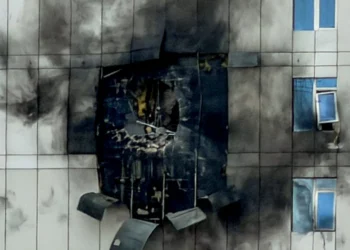 UK Personnel Near Iranian Missile Strike in Bahrain
 Trump Faces Questions Over Iran Conflict Plan
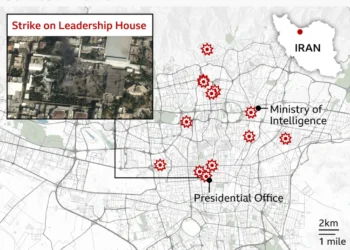 In Maps: Strikes Across Iran and the Middle East
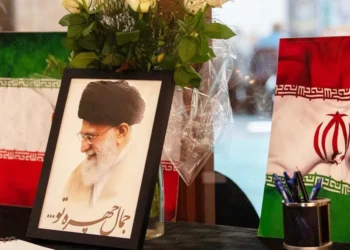 Months of Planning Behind US‑Israeli Mission to Target Iran’s Supreme Leader
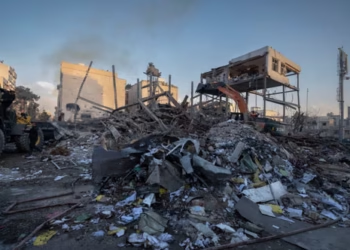 Iran Civilian Deaths Surge Past 200 Amid Fear
 The Third Day of the US‑Israeli War With Iran
 Limited Flights Leave UAE But Disruption Continues Amid Iran Strikes
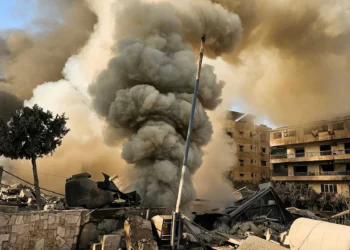 Israel Launches Ground Invasion of Lebanon Amid Widening Middle East War
 Herzog Asio meeting sparks security storm
 Trump rebukes Starmer over Iran strikes