Published: March 3, 2026 . The English Chronicle Desk . The English Chronicle Online
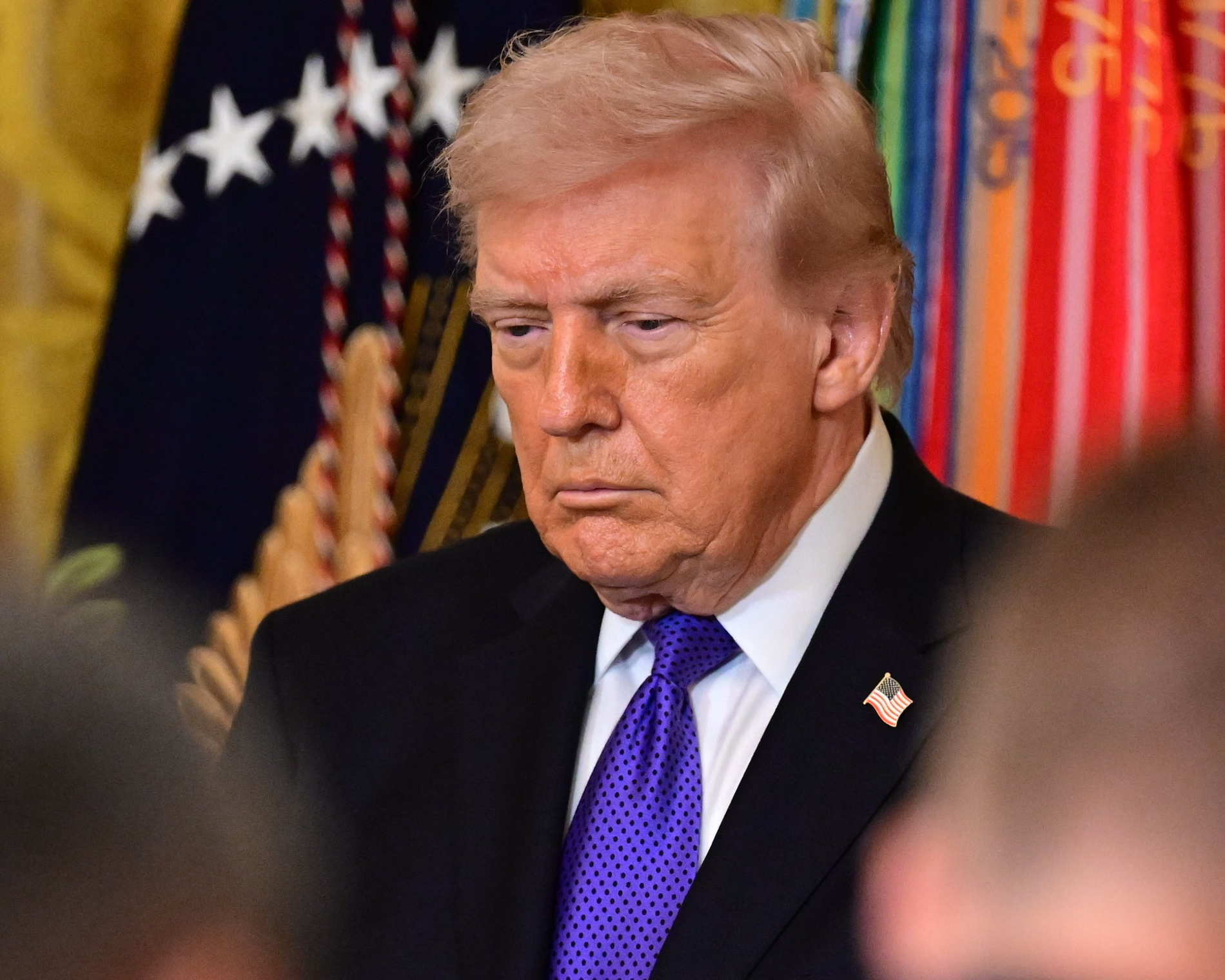
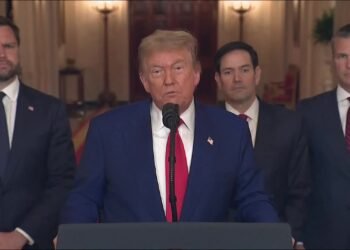
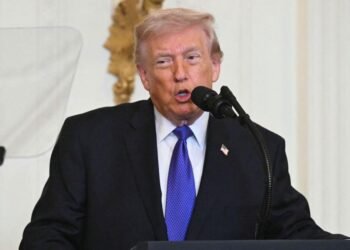
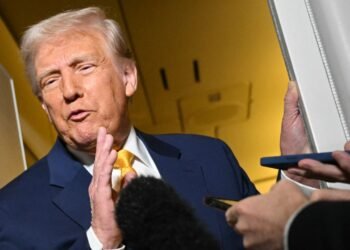
Former U.S. President Donald Trump has publicly criticised British Prime Minister Sir Keir Starmer for London’s hesitation to support offensive military strikes on Iran, saying Britain’s initial refusal to back or participate in U.S.‑led action marks an unusual break in the long‑standing alliance between the two countries. Trump expressed “very disappointed” sentiments toward Starmer’s stance and complained that the United Kingdom was slow or reluctant to grant the United States access to key military facilities for action against Tehran’s military infrastructure.

In comments reported by British and U.S. media, Trump said that Starmer’s initial refusal to allow the use of British airbases — notably Diego Garcia in the Indian Ocean and RAF facilities such as Fairford — for planned strikes on Iranian targets was unprecedented. Trump told The Telegraph that the delay was unlike “anything that had happened between our countries before,” suggesting the prime minister may have been overly cautious about the legality of the action. He added that while Starmer eventually agreed to allow limited use of UK bases for defensive operations aimed at Iranian missile sites, the process took “far too much time.”
Downing Street officials and Starmer himself have rejected the notion that domestic politics drove the decision, instead framing it as a legal and strategic choice. In statements to the House of Commons, the prime minister emphasised that Britain would not join offensive strikes that he characterised as “regime change from the skies,” and said decisions about military involvement must be grounded in international law and a clear strategic objective, lessons he said were learned from the 2003 Iraq war. Starmer noted that Britain has permitted U.S. forces to use its bases for defensive strikes following Iran’s broad missile and drone retaliation across the Gulf, reflecting concern about threats to British forces and civilians.
Critics aligned with Trump’s stance argue that staunch support for Washington and Israel in the conflict would reinforce the transatlantic special relationship and demonstrate allied unity. Trump contrasted the UK’s approach with that of France and some other NATO partners, who were perceived as more willing to participate in action against Iran’s military capabilities. He also connected his criticism to broader foreign policy disagreements on issues ranging from UK sovereignty over Diego Garcia to economic and immigration policy — framing them as symptomatic of a shifting UK‑U.S. relationship that is “not what it was.”

Supporters of Starmer’s measured stance argue that caution regarding offensive military action reflects both legal prudence and public sentiment in the UK, where memories of past Middle East interventions remain potent. They maintain that the government’s priority is protecting British lives and interests while ensuring any involvement in military operations complies with law and strategy rather than political expediency.
Related News:
 Hopes and Fears as US Iranians Take to Streets After Toppling of Supreme Leader
 Iran, the US, and a World Cup That Starts in Three Months
 Trump’s Iran Endgame Unclear After Mixed Messaging on War Aims
 Did Trump Declare War and Did Congress Approve Iran Attacks? What to Know
 Rubio Responds to Reported Strike on Iranian School
 US Strikes on Iran Triggered by Israel’s Plan to Launch Attack, Rubio Says
 Sixth American Service Member Killed in Iran Operation as Conflict Intensifies
 Iran Says ‘Guiding Principles’ Agreed With US at Nuclear Talks
 US Pushes to Recruit Organised Crime Gangs into Gaza Police Force
 US Urges Iran to Make Deal as Military Presence Rises
 US Build-Up of Warships and Fighter Jets Tracked Near Iran
 Trump’s Foreign Policy Dilemma Laid Bare by Iran Tensions
 US Partially Evacuates Beirut Embassy Amid Rising Iran Tensions
 Israel and Hezbollah Exchange Fire as Conflict Worsens
 Iran’s Regime Still Intact — Coming Days Will Test Its Survival
 Allies of US in the Gulf Bear Brunt of Iran Attacks
 Retaliations Continue on Day Two of US-Israel Attacks on Iran
 At Least 153 Dead After Reported Strike on School, Iran Says
 At Least 153 Dead After Reported Strike on School, Iran Says
 ‘It’s Eerie’ – Dubai on Edge as City Comes Under Attack
 BBC Reports from Beit Shemesh After Deadly Iranian Missile Strike
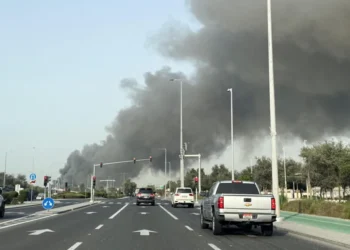 Allies of US in the Gulf Bear Brunt of Iran Attacks
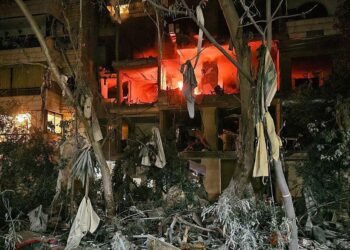 Israeli Attacks Kill 31 in Lebanon, Iran Strikes Across Region, US Warplanes Crash in Kuwait
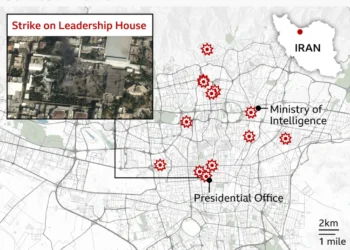 In Maps: Strikes Across Iran and the Middle East
 Months of Planning Behind US‑Israeli Mission to Target Iran’s Supreme Leader
 Cooper: Joining US Strikes on Iran ‘Not in Britain’s Interest’
 What Khamenei’s Death Means for Russia and China
 Tehran Makes New Threat to Gulf Shipping as US Says ‘Hardest Hits’ on Iran ‘Yet to Come’
 Scots Caught Up in Middle East Crisis ‘Just Waiting for the Next Explosion’
 The Third Day of the US‑Israeli War With Iran
 Why the US and Israel attacked Iran
 Israel Launches Fresh Strikes on Tehran & Beirut; US Warns “Hardest Hits” Ahead
 Three Days In, This War’s End Is Still Unclear
 US Has ‘Enough Weapons for Forever War,’ Trump Says
 Israel Strikes Lebanon After Hezbollah Rocket Fire as Iran Conflict Widens
 Latest on Middle East Conflict — In Maps: Strikes Across Iran and the Region
 ‘I saw missiles being intercepted’: Influencers recount shock as Iran hits Dubai landmarks
 Amazon Says Drones Damaged Three Facilities in UAE and Bahrain
 Man Recalls ‘Terrifying’ Dubai Missile Ordeal During Iran Strikes
 Israel’s New Airstrikes on Tehran & Beirut After US Embassy in Riyadh Is Hit
 Israel Launches Ground Invasion of Lebanon Amid Widening Middle East War
 Trump Underestimated the Iranian Regime’s Will to Survive
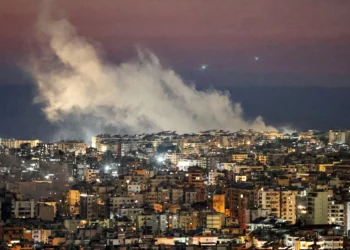 U.S. Tells Citizens to Leave Israel Now as Regional Conflict Escalates
 Iranian Rockets Are Testing the Resolve of Dubai’s Instagram Stars
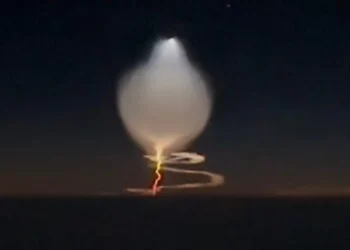 Airline Pilots Feared Iranian Missile Had Been Fired at Them
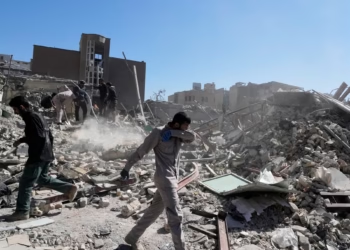 US Embassy in Riyadh Hit by Iranian Drones as Israeli Troops Enter Southern Lebanon
 First Wave of Europeans Stranded by Iran Conflict Return Home, With Hundreds of Thousands Still Left in Region
 Two National Guard Soldiers Critically Injured Near White House
 American Mother Extradited From UK to U.S. on Murder Charges
 Russia losses Ukraine war peace talks intensify amid rising deaths
 US Cities Erupt in Protests Against Trump’s Venezuela Military Action
 Trump Escalates Minnesota Immigration Surge Amid Rising Tensions
 Trump Weighs Response to Iran Crackdown as Tehran Says Communication Open With US
 US Clears Nvidia AI Chip Sales to China in Policy Shift
 Trump Threatens Strong Action If Iran Executes Protesters
 Trump Receives Machado’s Nobel Medal in White House Meeting
 EU Says US Ties Have Suffered ‘Big Blow’ After Greenland Crisis
 Arizona border shooting leaves suspect hospitalised after agent pursuit
 Videos reveal earlier clash before Alex Pretti shooting
 Trump Praises ‘Terrific’ Petro After White House Talks
 Fears of New Arms Race as US-Russia Nuclear Weapons Treaty Expires
 Obama Slams Trump’s Racist ‘Ape’ Video Amid Backlash
 ‘I Would Scream in My Sleep’: Alawite Women from Syria Tell of Kidnap and Rape
 Stephen Colbert Says CBS Spiked Interview With Democrat Over FCC Fears
 Eight Skiers Found Dead After California Avalanche
 US Will Not Back Out of Tariff Deals with UK and Others, Says Trump Trade Representative
 Ukraine Negotiator Reveals What It Feels Like Facing Russia
 ‘Anyone who runs is shot’: Russian soldiers describe killings of troops who refuse orders
 Bill Gates ‘Took Responsibility’ Over Epstein Ties in Staff Meeting, Foundation Says
 ‘Fear Is Everywhere’: Reports From Mexican City Turned Into War Zone by Drug Cartel Feud
 Orbán Accuses Ukraine of Disrupting Oil Supplies to Hungary
 American Citizen Killed in Cuba Boat Shooting, U.S. Officials Say
 Trump Faces Questions Over Iran Conflict Plan
 UK Will Allow US to Use Bases to Strike Iranian Missile Sites, PM Says
 US Iran Operation: Sixth Service Member Killed
 Hezbollah Anger Erupts as War Returns to Beirut
 Limited Flights Leave UAE But Disruption Continues Amid Iran Strikes
 Israel Launches Fresh Strikes on Tehran and Beirut on Day Four
 At Least 169 Killed in South Sudan ‘Surprise’ Attack
 The US Now Has the Medicine for Cheap Swarming Drone Attacks