Published: March 5, 2026 . The English Chronicle Desk . The English Chronicle Online
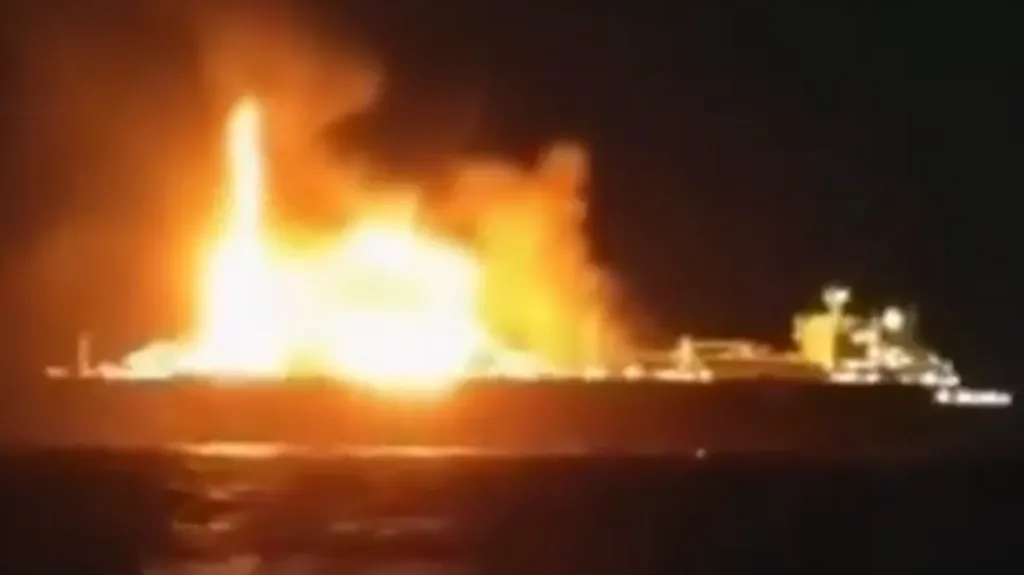
A Russian-flagged liquefied natural gas tanker has sunk in the Mediterranean Sea following explosions and a large fire, with Moscow accusing Ukraine of carrying out a drone attack on the vessel. The incident has raised concerns about the widening geographic reach of the Russia-Ukraine conflict and the potential risks to global energy shipping routes.

The tanker, identified as the Arctic Metagaz, sank in waters between Libya and Malta after a series of explosions triggered a major fire aboard the vessel. Maritime authorities in Libya reported that a distress call was received late on Tuesday night before the vessel eventually went down in the central Mediterranean.
According to Russian officials, the ship was attacked by Ukrainian naval drones launched from the Libyan coast. Russia’s transport ministry described the incident as “an act of international terrorism and maritime piracy,” arguing that the strike violated fundamental norms of international maritime law.
Despite the severity of the explosions and fire, all 30 crew members, who were Russian nationals, were successfully rescued after abandoning the ship. Two crew members reportedly suffered burns but there were no fatalities. Rescuers later transferred the survivors to another vessel bound for the Libyan port city of Benghazi.
Libyan maritime authorities confirmed that the tanker had been carrying approximately 61,000 tonnes of liquefied natural gas (LNG) when the incident occurred. The vessel had departed from the Russian port of Murmansk and was reportedly heading toward Port Said in Egypt before the explosions took place.
Officials said the explosions were followed by a massive fire that quickly spread through the ship’s structure, eventually causing it to sink completely. Authorities have warned other vessels to avoid the area due to possible hazards, including debris and potential fuel leakage from the wreckage.
Russia’s accusation against Ukraine has not yet been independently verified, and Ukrainian officials have not publicly commented on the claim. Analysts note that if confirmed, the incident would represent a rare Ukrainian strike against a Russian vessel far from the main theatre of war in the Black Sea.
The sinking also highlights the vulnerability of Russia’s so-called “shadow fleet” of energy tankers, a network of ships used to transport oil and gas exports despite Western sanctions imposed following the invasion of Ukraine. Several such vessels have previously been targeted or damaged in drone attacks linked to the broader conflict.
Energy analysts warn that attacks on commercial shipping could have wider implications for global energy markets. Liquefied natural gas shipments play a critical role in international supply chains, particularly for countries dependent on imported gas. Disruptions to maritime transport routes could increase volatility in global energy prices and raise concerns about the security of shipping lanes.
The Mediterranean Sea is one of the world’s most heavily trafficked maritime corridors, connecting European, Middle Eastern and North African energy routes. A strike on a commercial vessel in these waters could heighten tensions among regional governments and increase pressure for stronger maritime security measures.
The incident also reflects the evolving tactics used during the Russia-Ukraine war. Naval drones and other unmanned systems have become a central feature of modern maritime warfare, enabling relatively small or distant forces to strike large ships and naval targets with precision.
Security experts note that Ukraine has previously demonstrated the ability to use maritime drones against Russian naval vessels in the Black Sea, damaging or destroying several ships since the start of the war. The potential extension of such tactics into the wider Mediterranean would mark a significant shift in the geographical scope of the conflict.
For now, investigations into the cause of the explosions are ongoing. Maritime authorities are expected to analyse satellite imagery, shipping data and debris from the wreckage to determine whether the tanker was indeed struck by drones or whether another factor triggered the fire.

As geopolitical tensions remain high and the war continues to affect global energy and shipping networks, the sinking of the Arctic Metagaz underscores how the conflict’s impact is increasingly being felt far beyond the original front lines.
Related News:
 Ukraine remembers its dead as war enters a fifth year
 Orbán Accuses Ukraine of Disrupting Oil Supplies to Hungary
 High-speed Spain train crash leaves nation in mourning
 EU weighs response amid Greenland tariff crisis with Trump
 EU Says US Ties Have Suffered ‘Big Blow’ After Greenland Crisis
 Thousands Left Without Heating in Ukraine Amid Russia Strikes
 Russia sanctions hit economy hard, says EU envoy
 Canada Dispatches Senior Officials to Open Greenland Consulate
 Portugal Election Delivers Socialist Win as Far Right Surges
 Macron Rebuked in Franco-German Defence Row
 Facing a Demographic Catastrophe, Ukraine Is Paying for Troops to Freeze Their Sperm
 Five Young People Die in Spain Apartment Block Fire
 The Russian Village That Lost Its Men to War
 Zelensky Says Putin Has Started WW3, Must Be Stopped
 New Russia Sanctions on Hold as Hungary Blocks EU Package Ahead of Fourth Ukraine War Anniversary
 Ukraine Negotiator Reveals What It Feels Like Facing Russia
 Mandelson Arrested Amid Political Turmoil as Ukraine Marks Four Years of Conflict
 Russian Troops Executed by Commanders, Soldiers Tell BBC
 Ukraine war briefing: Why Ukraine remains defiant and does not feel close to defeat
 Rob Jetten becomes Netherlands’ youngest ever prime minister
 ‘Anyone who runs is shot’: Russian soldiers describe killings of troops who refuse orders
 Louvre Museum Director Resigns Months After High‑Profile Heist
 Seven Killed in Ukrainian Drone Attack on Russian Factory
 ‘Fear Is Everywhere’: Reports From Mexican City Turned Into War Zone by Drug Cartel Feud
 Spain Declassifies Files on 1981 Attempted Coup in Effort to Dispel Conspiracy Theories
 Hungary Faces Political Tension Over the Ukraine Crisis
 Pakistan Strikes Afghanistan as PM Says Forces Ready to ‘Crush’ Taliban
 Israel and Hezbollah Exchange Fire as Conflict Worsens
 Iran’s Regime Still Intact — Coming Days Will Test Its Survival
 Allies of US in the Gulf Bear Brunt of Iran Attacks
 Hopes and Fears as US Iranians Take to Streets After Toppling of Supreme Leader
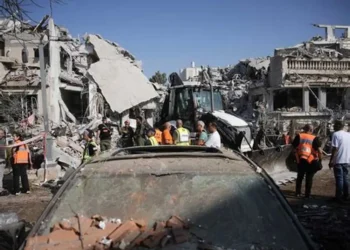 Retaliations Continue on Day Two of US-Israel Attacks on Iran
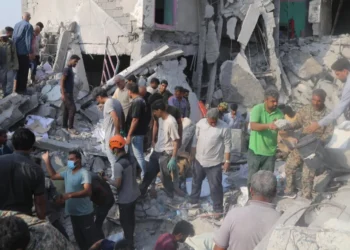 At Least 153 Dead After Reported Strike on School, Iran Says
 At Least 153 Dead After Reported Strike on School, Iran Says
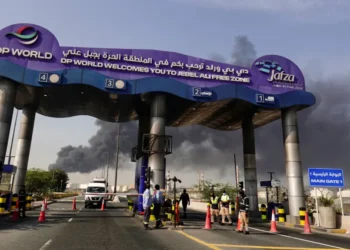 ‘It’s Eerie’ – Dubai on Edge as City Comes Under Attack
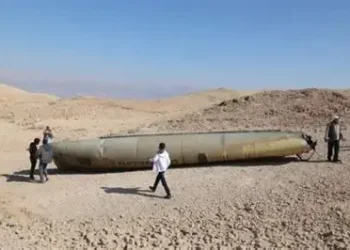 BBC Reports from Beit Shemesh After Deadly Iranian Missile Strike
 Iran, the US, and a World Cup That Starts in Three Months
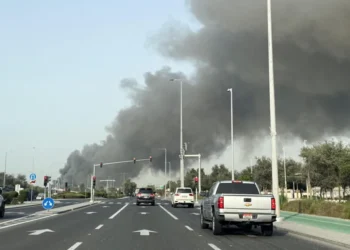 Allies of US in the Gulf Bear Brunt of Iran Attacks
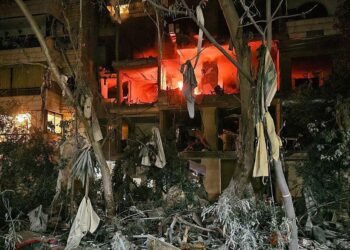 Israeli Attacks Kill 31 in Lebanon, Iran Strikes Across Region, US Warplanes Crash in Kuwait
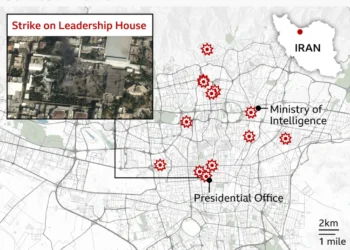 In Maps: Strikes Across Iran and the Middle East
 Months of Planning Behind US‑Israeli Mission to Target Iran’s Supreme Leader
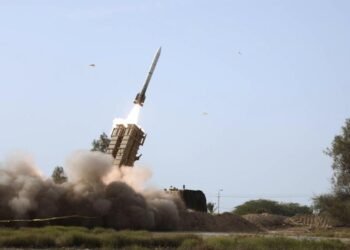 UK Will Allow US to Use Bases to Strike Iranian Missile Sites, PM Says
 Why Meloni Quietly Flooded Italy With Migrants
 Cooper: Joining US Strikes on Iran ‘Not in Britain’s Interest’
 What Khamenei’s Death Means for Russia and China
 Tehran Makes New Threat to Gulf Shipping as US Says ‘Hardest Hits’ on Iran ‘Yet to Come’
 Trump’s Iran Endgame Unclear After Mixed Messaging on War Aims
 Did Trump Declare War and Did Congress Approve Iran Attacks? What to Know
 Rubio Responds to Reported Strike on Iranian School
 Scots Caught Up in Middle East Crisis ‘Just Waiting for the Next Explosion’
 The Third Day of the US‑Israeli War With Iran
 Why the US and Israel attacked Iran
 Israel Launches Fresh Strikes on Tehran & Beirut; US Warns “Hardest Hits” Ahead
 Three Days In, This War’s End Is Still Unclear
 US Has ‘Enough Weapons for Forever War,’ Trump Says
 At Least 169 Killed in South Sudan ‘Surprise’ Attack
 Israel Strikes Lebanon After Hezbollah Rocket Fire as Iran Conflict Widens
 Latest on Middle East Conflict — In Maps: Strikes Across Iran and the Region
 ‘I saw missiles being intercepted’: Influencers recount shock as Iran hits Dubai landmarks
 Amazon Says Drones Damaged Three Facilities in UAE and Bahrain
 Man Recalls ‘Terrifying’ Dubai Missile Ordeal During Iran Strikes
 Israel’s New Airstrikes on Tehran & Beirut After US Embassy in Riyadh Is Hit
 Israel Launches Ground Invasion of Lebanon Amid Widening Middle East War
 Iranian Rockets Are Testing the Resolve of Dubai’s Instagram Stars
 Airline Pilots Feared Iranian Missile Had Been Fired at Them
 US Embassy in Riyadh Hit by Iranian Drones as Israeli Troops Enter Southern Lebanon
 US Strikes on Iran Triggered by Israel’s Plan to Launch Attack, Rubio Says
 First Wave of Europeans Stranded by Iran Conflict Return Home, With Hundreds of Thousands Still Left in Region
 Sixth American Service Member Killed in Iran Operation as Conflict Intensifies
 Trump Rebukes Starmer Over UK Refusal to Back Strikes on Iran
 Civilian Deaths in Iran Pass 700 Amid Fear of Bombs and Regime Clampdown
 US Senate Backs Trump War Powers Amid Iran Missile Barrage
 UK Must Act with Courage and Clarity on Israel-Palestine Conflict, Says Foreign Affairs Committee Report
 BBC to Apologise Over Edited Trump Speech Amid Backlash
 Greene Pushes Epstein Files Amid Trump Fallout
 Zelenskyy Signs Fighter Jet Deal Amid Russian Drone Attacks
 Shadow Fleet at Sea: Europe’s Battle Against Illicit Oil Shipping
 US Suspends Afghan Immigration After White House Shooting
 ‘Extinct’ Antelope Returns to Sahara, Bringing Hope
 Sydney Shark Attack Surge Shocks Australia Beaches