Published: March 5, 2026
The English Chronicle Desk
The English Chronicle Online
A man has gone on trial in Manchester this week accused of committing a violent rape and assault in 2003 — the same crime that saw Andrew Malkinson wrongly convicted and imprisoned for more than 17 years before his conviction was quashed. The case has drawn intense attention in the UK as it revisits one of the most notorious miscarriages of justice in recent memory.

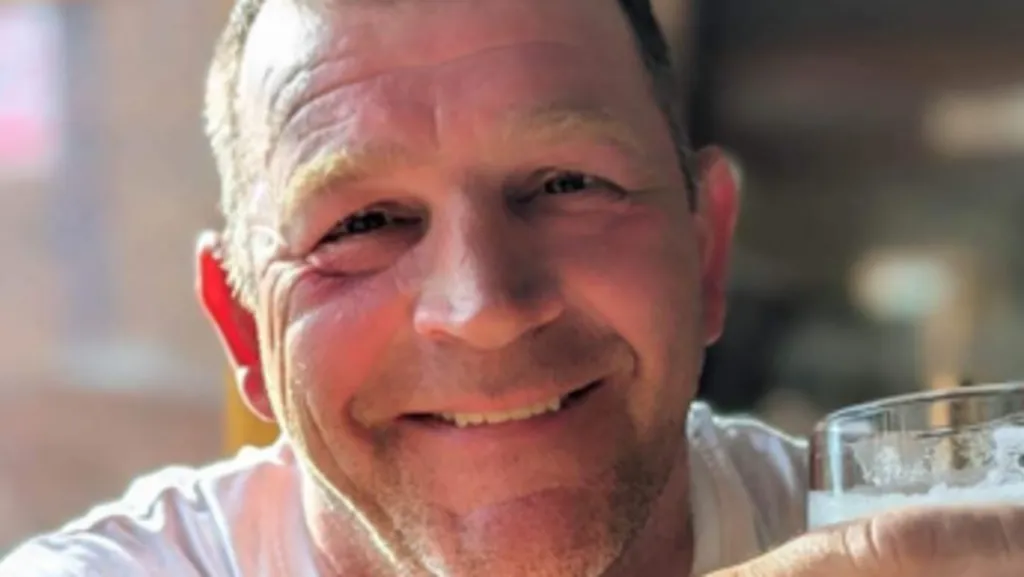
At Manchester Crown Court, Paul Quinn, 51, has pleaded not guilty to charges including rape, strangulation and inflicting grievous bodily harm with intent in connection with the attack on a woman in Little Hulton, Salford. Prosecutors told jurors that fresh DNA evidence, unavailable at the time of the original prosecution, now links Quinn to the crime and undermines the mistaken identification that led to Malkinson’s conviction.
The victim, then in her thirties, was walking close to the M61 motorway in July 2003 when she was stalked, dragged into bushes, brutally beaten, strangled until unconscious and raped — suffering a fractured cheekbone and serious injuries. Prosecutors told the jury that new forensic analysis has shown DNA matching Quinn’s profile on the victim’s clothing and body.
During the original investigation, police focused quickly on Malkinson, who was living nearby. He was arrested, identified in a police lineup and ultimately convicted in 2004 despite no DNA evidence linking him to the attack and significant discrepancies between his appearance and the victim’s description. His conviction was quashed by the Court of Appeal in 2023 after decades of campaigning and advances in forensic science.
Prosecutor John Price KC described Malkinson as “the victim of a most terrible miscarriage of justice, one of the worst there has been,” emphasising that jurors will hear evidence of mistakes made during the original investigation, including reliance on flawed identifications by witnesses.
Quinn, who was first arrested in 2022 after renewed forensic inquiry traced DNA to him, denies all charges. He has acknowledged that DNA might reflect consensual sexual activity, but prosecutors argue that the totality of the evidence — including the strength of the modern DNA match — points decisively to him as the attacker.
The trial also includes testimony and exhibits comparing historical images of Malkinson and Quinn around the time of the offence as well as e-fit and witness descriptions from 2003. Jurors have been told that the crime would likely have been committed by someone familiar with the area, a point prosecutors suggest aligns more with Quinn’s background.
Andrew Malkinson, now 60, has been at the centre of public debate over police procedures, identification reliability, forensic disclosure and appeals processes. His wrongful conviction — upheld for many years despite subsequent DNA evidence that did not match him — spurred calls for reform in how criminal investigations handle forensic information and communicate exculpatory evidence to defence teams.

The trial continues as the court hears detailed forensic evidence and arguments from both sides on how the events unfolded more than two decades ago. Observers say the case could have lasting implications for the UK criminal justice system, particularly on standards for identification, evidence disclosure and handling of wrongful convictions.
Related News:
 Tasers Introduced in UK Prisons to Combat Rising Violence and Protect Staff
 Targeted Attack in Bury Sparks Murder Investigation as Community Awaits Justice
 Man Remanded After Children Fall Ill at Leicestershire Summer Camp in Shocking Child Cruelty Case
 Hunt Intensifies for Southport Riot Suspects as Police Release Full List of 40 Still at Large
 AI Revolutionises Grooming Gang Investigations as Police Target Cold Cases Across England and Wales
 Police Advised to Disclose Ethnicity of Suspects in High-Profile Cases
 Victim of Catfish Predator Max Hollingsbee Speaks Out: “I Will Always Be Angry He Took My Innocence”
 Merseyside Police Helicopter Crew Cleared After Low-Altitude Pursuit of Suspect
 UK Launches Major Crackdown on Networks Profiting from Online Child Sexual Abuse
 Jailed Georgian Opposition Leaders Warn UK of Iranian Links to Ruling Party
 Scotland Yard Faces Renewed Scrutiny as Undercover Investigation Reveals Persistent Racism and Misogyny
 No Evidence Found to Substantiate Alleged Rape in Oxfordshire Churchyard, Police Confirm
 UK Police to Gain New Powers to Manage Repeated Protests, Home Office Announces
 Madeleine McCann Detectives to Testify Against Woman Accused of Stalking the Family
 Boris Johnson Breached Rules on Post-Office Business Contacts
 Afghan Man Guilty of Threatening Nigel Farage in TikTok Video
 UK Gamer Recruited by Wagner Group Found Guilty of Arson
 Grooming Gang Inquiry Faces Delays Amid Dispute Over Jess Phillips’ Role
 China Spy Case Hearing Reveals Key Gaps in Prosecution
 Migrant Sex Offender Deported After Erroneous Prison Release
 It’s time to come clean on the China spy case
 Five More Prisoners Freed by Mistake in Essex Week
 Nearly 48,000 Zombie Knives Removed from UK Streets in a Year
 Afghan man charged with murder after west London knife attack
 Man Charged Over Cambridgeshire Train Stabbing
 French Taxi Driver Cleared in David Lammy Theft Case After Fare Dispute
 Just Stop Oil Protesters Convicted Amid Climate Defence Row
 Lammy ‘misinformed’ over Wandsworth prisoner releases
 Met Police Culture Makes Racial Harm ‘Inevitable’
 British Grandmother to Return Home After Death Sentence in Bali
 Remaining rebel Labour MPs have whip restored
 Bar Council urges legal aid for all domestic abuse family cases
 Victims’ commissioner Baroness Newlove dies aged 63
 ‘Fake Admiral’ Sparks Outrage at Remembrance Event
 Paralegal Fired After Exposé on Illegal Worker Scam
 Dan Wootton Rejects Catfishing Allegation in Court
 Serial Rapist and Former Cop Found Guilty Again
 Gardener Guilty of Brutal Attack on Teacher Partner
 Man Arrested Over Manchester Synagogue Terror Attack
 Twelve Prisoners Released in Error, Two Still Missing
 Met Police Under Scrutiny for Vetting Failures Among Hundreds of Recruits
 Woman Jailed for Life After Killing E-Bike Rider in Tragic Mistaken Identity Case
 Betfair Faces Pressure Over Funds Lost to Gambling Fraud
 Emails Show Epstein Funded Mandelson’s Husband After Jail
 Police Probe Mandelson Over Alleged Epstein Leak
 Royal Marine Admits Killing Man with Fatal Punch
 Appeal to B&B Owners Over Cash Point Ram-Raid
 Man in Court Charged with Belfast Murder
 Rapist Caught by DNA 20 Years After Teen Attack
 Wayne Couzens Still Eligible for £7k Pension
 Stop Releasing Phone Thieves Who Reoffend, Met Police Chief Urges Courts
 Teenagers Guilty of Killing Man They Lured to Beach
 Met Using E‑Bikes and Drones to Catch Phone Thieves
 Disability and LGBT Hate Crimes Set to Become Aggravated Offences
 Last‑ditch Call to Save Police Front Counters in London
 Prisoner Escapes London Hospitals Twice in a Week
 Sisters to Repay £220k After Gatwick Airport Thefts
 How Much Could Andrew’s Arrest Hurt the Royal Family?
 Andrew Released Under Investigation After Arrest
 Fly-Tippers to Be Hunted by ‘Drone Squad’ in Crackdown from the Sky
 ‘We’ve Been Left Homeless After Our Builder Went Bust’
 Court Error Frees Rape Suspect Who Flees UK
 Sadistic Pair Jailed for Blowing Up Sheep
 Female Double Murderer Could Be Moved to Open Jail
 Trial Date Set for Student Accused of Racial Hatred
 Two Arrested After Woman Set on Fire in Revenge Attack
 Driver Admits Causing Death of Mother Pushing Pram
 Rape Accused Had Fight With Man in Alley, Court Told
 Flatmates Cleared of Raping Man After Night Out
 MoD Launches Review into Whether Epstein Used RAF Bases
 Waving Drug Dealer Jailed for Manslaughter
 Grave of Murdered Toddler James Bulger Vandalised
 Man Charged Over Derry Kidnapping Incident
 Outsiders Disrupted Search for Missing Teen Noah Donohoe
 Suspects in Lisa Dorrian Case Released on Bail
 Murder Charge After Security Guard Stabbed in Violent Attack
 Man Arrested Over 2021 Bedroom Killing of Teenager
 Police Brothel Raids Target Organisers, Not Sex Workers
 Driver Jailed Over Fatal Water Treatment Tank Crash
 Calls Grow to Remove Billboard Following Lyra McKee Graffiti