Published: 05 March 2026. The English Chronicle Desk. The English Chronicle Online.
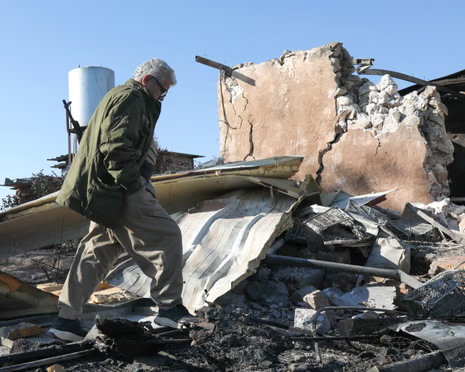
Intense Iran-Iraq border strikes have shaken remote frontier regions in recent days. Dozens of military sites, police stations, and outposts were hit along northern Iran’s boundary with Iraq. The expanding conflict now appears to be entering a volatile new phase.
Officials in Washington and Jerusalem suggest the Iran-Iraq border strikes form part of broader preparations. According to a US official familiar with discussions, Washington is ready to provide air cover. That support would follow any move by Kurdish fighters crossing from northern Iraq.
A spokesperson for the Israel Defense Forces confirmed heavy operations in western Iran. The spokesperson said Israeli aircraft were degrading Iranian capabilities in the region. The aim, they added, was to create operational freedom and open potential routes toward Tehran.
Tehran has responded with stern warnings directed at separatist organisations. Iranian officials cautioned ethnic armed groups against exploiting the widening confrontation. On Thursday, authorities announced retaliatory strikes against Kurdish factions based inside Iraq. These groups were described as hostile to the revolution and national unity.
Ali Larijani, secretary of Iran’s Supreme National Security Council, issued a blunt message. He warned that separatist movements should not mistake instability for opportunity. His remarks underscored fears within Tehran about internal fragmentation.

Khalil Nadiri of the Kurdistan Freedom Party, known as PAK, acknowledged contacts with US officials. He said Kurdish opposition leaders had discussed potential coordinated operations. Some units, he noted, had moved closer to Iran’s border in Sulaymaniyah province. They remain on standby, awaiting further developments.
Reports from regional officials indicate that Baloch militant groups have also mobilised. Fighters opposed to Tehran allegedly crossed from remote bases in Pakistan. This movement adds another layer of complexity to the evolving situation.
Analysts warn that encouraging ethnic armed groups could destabilise Iran further. They caution that such tactics might deepen divisions across the diverse country. A chaotic scenario could emerge if central authority weakens abruptly.
In Washington, media outlets report that Donald Trump personally contacted Kurdish faction leaders. The former president is said to be open to supporting groups prepared to challenge Tehran. Although official confirmation remains limited, the reports have fuelled speculation.
Clandestine activity inside north-western Iran reportedly increased after last summer’s brief Iran-Israel confrontation. Former intelligence officials from Israel and the United States describe expanded covert operations. Kurdish communities in those regions have historically resisted central control.
In January, clashes were reported between Iran’s Revolutionary Guard and Kurdish fighters. The powerful Islamic Revolutionary Guard Corps, widely known as the IRGC, confronted peshmerga units entering from neighbouring states. Tensions have simmered since those engagements.
Two weeks ago, five Iranian Kurdish organisations announced a new coalition. The alliance is led by the Democratic Party of Iranian Kurdistan, commonly called the KDPI. The coalition declared its objective is regime change in Tehran.
A spokesperson for the KDPI urged democratic nations to support Iranian Kurds. Mustafa Hijri, the party’s leader, has called on Iranian soldiers to abandon posts. He warned that continued service exposes them to grave danger. The party framed its appeal as humanitarian rather than purely political.
The United States has a long record of working with Kurdish fighters. During the 2003 invasion of Iraq, Kurdish units assisted American troops. They later played a crucial role against Islamic State militants. Between 2014 and 2019, Kurdish forces partnered closely with US advisers in Syria and Iraq.
Such cooperation built strong personal ties within military and intelligence circles. Many Kurdish fighters maintain longstanding relationships with US officials. Those connections may now shape current strategic calculations.
However, experts caution that outsourcing ground operations carries serious risks. Alia Brahimi of the Atlantic Council warned about diminished American leverage. If separatist groups lead the fight, Washington could struggle to shape outcomes. Public opinion inside Iran might also shift unexpectedly.
There is concern that national unity could harden around the regime. External involvement sometimes strengthens embattled governments rather than weakening them. Observers note similar dynamics in past regional conflicts.
Former intelligence figures suggest Israeli operatives are already active inside Iran. Analysts believe recent drone attacks bear hallmarks of Israeli coordination. Short-range strikes have targeted IRGC posts near the frontier. These actions appear designed to create openings for cross-border incursions.
One former US defence official described a familiar operational model. Small specialist teams would embed with local forces on the ground. Air power would then be directed precisely against regime positions. Similar strategies were used in Afghanistan after 2001. They were also deployed during anti-Islamic State campaigns in Syria and Iraq.
The objective, according to insiders, is not a rapid march on Tehran. Instead, planners may seek to stretch Iranian forces thin. Diversions in peripheral regions could drain resources and morale. Lightly armed Kurdish fighters are unlikely to defeat regular Iranian divisions outright.
Both Axios and Fox News reported that militias began limited incursions. Each outlet cited unnamed US officials discussing developments. Yet there has been no formal confirmation from Washington.
Iran’s Kurdish population represents between five and ten percent of citizens. Many communities have long histories of political activism and resistance. Kurdish groups such as the Kurdistan Free Life Party, or PJAK, remain influential. PJAK fighters previously operated across borders in coordination with regional allies.
Claims that Washington recently supplied weapons remain unverified. Analysts note that light arms are widely available across the region. Material support may therefore be less significant than political backing.
Regional governments are watching events with mounting concern. Turkey, Iraq, and Syria each host substantial Kurdish minorities. Support for armed Kurdish movements in Iran could ripple outward.
Barbara Leaf, former assistant secretary of state for Near Eastern affairs, highlighted these sensitivities. She suggested that Ankara would react strongly to perceived destabilisation. Iraqi Prime Minister Mohammed Shia al-Sudani and Syrian President Ahmed al-Sharaa could also object firmly. Gulf leaders, she added, may feel uneasy about unpredictable escalation.
In Erbil, Qubad Talabani sought to distance his administration from hostilities. As deputy prime minister of Iraq’s autonomous Kurdistan region, he emphasised neutrality. The region, he insisted, is not a party to the confrontation.
Meanwhile, unrest among Iran’s Baloch minority has intensified. In the south-east, militants attacked IRGC patrols and police checkpoints. The group Jaish al-Adl announced a new coalition of armed factions. It claims to strengthen resistance against what it calls tyranny.
This week, the coalition claimed responsibility for a police commander’s assassination. The killing occurred in the city of Zahedan. Statements urged military personnel to surrender peacefully during these tense times.

Exiled Baloch leader Nasser Bouledai argued that minorities would welcome consistent US backing. Yet he questioned Washington’s long-term reliability. Past episodes, he suggested, left allies feeling abandoned.
Critics recall shifting American policy toward Syrian Kurdish forces. Sudden changes created uncertainty among regional partners. Such precedents weigh heavily on current calculations.
The Iran-Iraq border strikes therefore signal more than tactical manoeuvres. They represent a potential turning point in a fragile regional balance. If Kurdish and Baloch groups expand operations, internal fault lines could widen dramatically.
For now, much remains uncertain and fluid. Official statements are cautious, while unofficial briefings hint at deeper coordination. The coming days may clarify whether the Iran-Iraq border strikes mark the start of a sustained campaign.
What is clear is that every move carries profound consequences. A miscalculation could ignite broader instability across the Middle East. Diplomacy, restraint, and clarity of objectives may prove as decisive as air power.
As the conflict unfolds, communities on both sides of the frontier brace themselves. Families in remote border towns already feel the tremors of war. Whether these Iran-Iraq border strikes evolve into a full new front will shape the region’s future for years.
Related News:
 Middle East Flights Halted After Iran Strikes
 US Iran Operation: Sixth Service Member Killed
 Hezbollah Anger Erupts as War Returns to Beirut
 Gaza Siege Deepens as Iran War Escalates
 Riyadh Drone Attack Escalates Regional War
 Middle East attacks intensify as Trump rejects Iran talks
 Iran-Iraq border airstrikes spark new tensions
 Just Stop Oil Protesters Convicted Amid Climate Defence Row
 BBC to Apologise Over Edited Trump Speech Amid Backlash
 Britain deploys RAF specialists to assist Belgium with drone threats
 Palace May Restore Hyphen to Andrew Mountbatten-Windsor’s Name
 Greene Pushes Epstein Files Amid Trump Fallout
 Trump Deploys DHS to Charlotte in Major Arrest Operation
 December Run-Off in Chile as Election Produces No Winner
 Zelenskyy Signs Fighter Jet Deal Amid Russian Drone Attacks
 Orban Says Ukraine Has ‘No Chance’ as EU Support Continues
 Canada Passes Carney’s First Budget in Tight Parliamentary Vote
 Shadow Fleet at Sea: Europe’s Battle Against Illicit Oil Shipping
 Tiny Curacao Makes History as Smallest Nation to Reach World Cup
 Haiti Qualifies for World Cup Despite Coach Never Visiting Country
 Deadly Russian Strikes Hit Western Ukraine, 20 Killed in Ternopil
 Pentagon Officials in Ukraine to Discuss War End
 Ukraine Peace Plan: Zelensky Ready for Dialogue
 Venezuela Threatens Nobel Winner Machado with Fugitive Status
 Royal Navy Shadows Russian Warships Entering the Channel
 US Suspends Afghan Immigration After White House Shooting
 Two National Guard Soldiers Critically Injured Near White House
 Georgians Defy Government Crackdown After Year of Protests
 Southern Lebanon reels as Israeli strikes shatter communities
 Tokyo court rules Japan’s same-sex marriage ban constitutional
 ‘Extinct’ Antelope Returns to Sahara, Bringing Hope
 EU plans $105bn Ukraine aid using frozen Russian assets
 American Mother Extradited From UK to U.S. on Murder Charges
 Russia losses Ukraine war peace talks intensify amid rising deaths
 Facebook Slow to Remove Bondi Attack Praise, Anti-Hate Group Claims
 Australian Cruise Ship Freed After Reef Grounding in Papua New Guinea
 US Cities Erupt in Protests Against Trump’s Venezuela Military Action
 Albanese Opens Door to Bondi Royal Commission Amid Rising Pressure
 Trump Escalates Minnesota Immigration Surge Amid Rising Tensions
 Iran Protesters Defy Crackdown as Violent Clashes Intensify
 US Clears Nvidia AI Chip Sales to China in Policy Shift
 Trump Threatens Strong Action If Iran Executes Protesters
 Gulf states warn Trump Iran strikes risk wider Middle East war
 Machado Trump medal gesture reshapes Venezuela power struggle
 EU weighs response amid Greenland tariff crisis with Trump
 Sydney Shark Attack Surge Shocks Australia Beaches
 EU Says US Ties Have Suffered ‘Big Blow’ After Greenland Crisis
 Videos reveal earlier clash before Alex Pretti shooting
 UK New Car Discounts Near £6,000 as Prices Are Slashed
 Israel Moves to Bar MSF From Gaza Operations
 Tragic Ski Lift Accident Claims Australian Snowboarder
 Portugal Election Delivers Socialist Win as Far Right Surges
 Australian Families Leave Syrian Camp for Home
 SA Police Intensify Search in Gus Lamont Case
 Trump Attacks UK-California Energy Pact
 ‘I Would Scream in My Sleep’: Alawite Women from Syria Tell of Kidnap and Rape
 Iran Says ‘Guiding Principles’ Agreed With US at Nuclear Talks
 Trump and Chagos Deal Rift Over Iran Strikes
 Andrew Arrest Sparks Republic Debate in Australia
 Global corruption crisis: Who Washington shields
 Farage Chagos Islands Row Sparks Fury
 Gold Rush in Gugulethu Leaves South Africans Desperate for Work and Hope
 Hilary Knight speaks out on Trump’s recent hockey remarks
 Trump Speech Sparks Intense Debate Across Divided America
 Has Europe truly learned from the failures of 2022?
 Social Media Trial: Woman Says Addiction Began at Six
 Iran’s Regime Still Intact — Coming Days Will Test Its Survival
 Allies of US in the Gulf Bear Brunt of Iran Attacks
 UK Personnel Near Iranian Missile Strike in Bahrain
 Trump Faces Questions Over Iran Conflict Plan
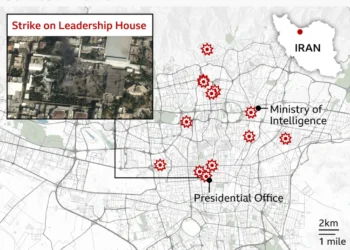 In Maps: Strikes Across Iran and the Middle East
 Months of Planning Behind US‑Israeli Mission to Target Iran’s Supreme Leader
 Iran Civilian Deaths Surge Past 200 Amid Fear
 The Third Day of the US‑Israeli War With Iran
 Limited Flights Leave UAE But Disruption Continues Amid Iran Strikes
 Israel Launches Ground Invasion of Lebanon Amid Widening Middle East War
 Herzog Asio meeting sparks security storm
 Trump rebukes Starmer over Iran strikes
 Civilian Deaths in Iran Pass 700 Amid Fear of Bombs and Regime Clampdown
 Petrol Prices Soar as Retailers Accused of Gouging Amid Global Tension