Published: 9 March 2026
The English Chronicle Desk
The English Chronicle Online — UK News
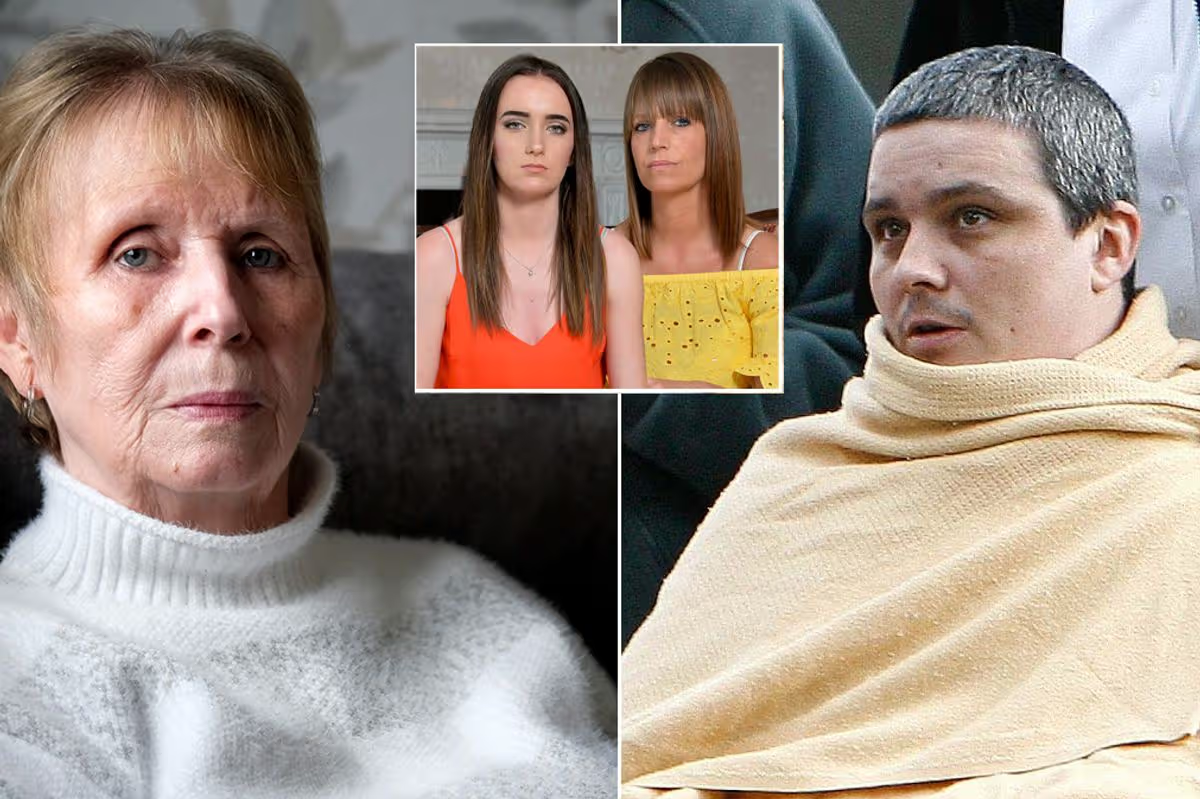
The grandmother of Ian Huntley’s daughter has vowed to protect her granddaughter from any involvement in the Soham killer’s funeral, insisting that the family will not allow the child to be drawn into the aftermath of one of Britain’s most notorious crimes. The pledge comes as public attention intensifies following Huntley’s death, which has reopened painful memories of the 2002 murders of schoolgirls Holly Wells and Jessica Chapman — a case that remains etched into the national consciousness.

Huntley, who died aged 52 after suffering catastrophic injuries in a violent assault inside HMP Frankland, had been on life support for several days before doctors withdrew treatment. His death has prompted a wave of reactions across the country, including from his estranged daughter, who has spoken publicly about her relief and her belief that her father “does not deserve a funeral.” According to reports, she said his ashes should be “flushed down the toilet,” reflecting the depth of trauma and anger that has followed her throughout her life.
Her grandmother, who has been a central figure in her upbringing, has now stepped forward to make a firm promise: the family will ensure that the young woman is shielded from any expectation, pressure, or suggestion that she should attend or participate in Huntley’s funeral arrangements. Speaking to reporters, she said the family’s priority is to protect her granddaughter’s emotional wellbeing and to prevent the reopening of wounds that have never fully healed.
The grandmother’s stance reflects the complex and painful legacy that Huntley left behind. For more than two decades, his daughter has lived with the shadow of her father’s crimes — crimes committed before she was even born. Growing up, she faced bullying, stigma, and the burden of a name associated with one of the darkest chapters in recent British criminal history. Despite this, she has built a life of her own, distancing herself from her father and publicly condemning his actions.
Her grandmother’s promise is therefore not only a protective gesture but also a reaffirmation of the family’s determination to break away from the past. “She has suffered enough,” the grandmother said. “She owes him nothing. We will not let her be dragged into anything that brings more pain.”
Huntley’s death has reignited public debate about how the families of notorious criminals — particularly their children — navigate the aftermath of such crimes. Experts note that the children of high‑profile offenders often face lifelong challenges, including social isolation, psychological trauma, and the constant fear of being identified. In many cases, grandparents or extended family members step in to provide stability and shield them from public scrutiny.
In this case, the grandmother has played a crucial role in ensuring that Huntley’s daughter has been able to grow up with a sense of normality. She has been open about the difficulties the family faced, including the need to move homes, change schools, and maintain strict privacy. The grandmother’s latest promise underscores her commitment to protecting her granddaughter from further distress.
The question of Huntley’s funeral has also sparked wider public discussion. Many have expressed the view that the killer should not receive a traditional funeral, given the nature of his crimes. Huntley murdered Holly Wells and Jessica Chapman, both aged 10, in Soham, Cambridgeshire, in August 2002. The case shocked the nation, not only because of the brutality of the murders but also because Huntley had been working as a school caretaker at the time, a position of trust that he exploited.
His death in prison has prompted mixed reactions. Some believe that even the worst offenders deserve a basic level of dignity in death, while others argue that Huntley forfeited that right through his actions. His daughter’s comments — that he “does not deserve a funeral” and that his ashes should be disposed of without ceremony — have resonated with many who still feel the emotional impact of the Soham tragedy.
For the families of Holly Wells and Jessica Chapman, Huntley’s death may bring a sense of closure, though it cannot erase the grief they have carried for more than two decades. Both families have maintained a dignified silence since the news broke, as they have throughout the years, choosing to honour the memory of their daughters rather than engage publicly with Huntley’s fate.
Meanwhile, prison authorities have launched an internal investigation into the circumstances surrounding the attack that led to Huntley’s death. He suffered severe head injuries after being assaulted by another inmate, raising questions about security protocols and the protection of high‑profile prisoners. HMP Frankland, where Huntley was serving his sentence, has housed several of the UK’s most dangerous offenders, and the incident has renewed scrutiny of violence within the prison system.
As for Huntley’s daughter, her grandmother’s promise marks a clear boundary between the past and the future. The family has made it clear that they want no association with Huntley’s final arrangements and that they intend to continue supporting the young woman as she moves forward with her life.
Those close to the family say that the granddaughter has worked hard to build a life defined not by her father’s crimes but by her own choices and achievements. She has spoken openly about the emotional toll of being linked to Huntley, describing the relief she felt upon learning of his death. Her grandmother’s vow ensures that she will not be forced to confront the trauma again through any involvement in his funeral.

The story has struck a chord with many across the UK, highlighting the often‑overlooked impact that notorious crimes have on the families of offenders. While the public remembers Huntley as the Soham killer, his daughter and her grandmother have lived with the consequences in a deeply personal way. Their decision to distance themselves from his funeral is, for them, a necessary step toward healing.
As arrangements for Huntley’s remains continue to be discussed privately, the grandmother’s promise stands as a powerful reminder that the families of offenders are not responsible for their crimes — and that they, too, deserve compassion, privacy, and the chance to rebuild their lives.
Related News:
 Stop Releasing Phone Thieves Who Reoffend, Met Police Chief Urges Courts
 Disability and LGBT Hate Crimes Set to Become Aggravated Offences
 Last‑ditch Call to Save Police Front Counters in London
 Sadistic Pair Jailed for Blowing Up Sheep
 Grave of Murdered Toddler James Bulger Vandalised
 Outsiders Disrupted Search for Missing Teen Noah Donohoe
 Police Brothel Raids Target Organisers, Not Sex Workers
 Family of Girl Groomed by Ian Huntley Beg Medics to Save His Life
 Sarah Everard’s Killer Wayne Couzens ‘Petrified’ After Ian Huntley Prison Attack
 Undercover officer deceived women with ‘grotesque and cruel’ lies, spycops inquiry told
 Tasers Introduced in UK Prisons to Combat Rising Violence and Protect Staff
 Targeted Attack in Bury Sparks Murder Investigation as Community Awaits Justice
 Man Remanded After Children Fall Ill at Leicestershire Summer Camp in Shocking Child Cruelty Case
 Hunt Intensifies for Southport Riot Suspects as Police Release Full List of 40 Still at Large
 AI Revolutionises Grooming Gang Investigations as Police Target Cold Cases Across England and Wales
 Police Advised to Disclose Ethnicity of Suspects in High-Profile Cases
 Merseyside Police Helicopter Crew Cleared After Low-Altitude Pursuit of Suspect
 UK Launches Major Crackdown on Networks Profiting from Online Child Sexual Abuse
 Jailed Georgian Opposition Leaders Warn UK of Iranian Links to Ruling Party
 No Evidence Found to Substantiate Alleged Rape in Oxfordshire Churchyard, Police Confirm
 Madeleine McCann Detectives to Testify Against Woman Accused of Stalking the Family
 Boris Johnson Breached Rules on Post-Office Business Contacts
 Five More Prisoners Freed by Mistake in Essex Week
 Afghan man charged with murder after west London knife attack
 French Taxi Driver Cleared in David Lammy Theft Case After Fare Dispute
 Just Stop Oil Protesters Convicted Amid Climate Defence Row
 Met Police Culture Makes Racial Harm ‘Inevitable’
 British Grandmother to Return Home After Death Sentence in Bali
 Remaining rebel Labour MPs have whip restored
 Victims’ commissioner Baroness Newlove dies aged 63
 Paralegal Fired After Exposé on Illegal Worker Scam
 Serial Rapist and Former Cop Found Guilty Again
 Woman Jailed for Life After Killing E-Bike Rider in Tragic Mistaken Identity Case
 Betfair Faces Pressure Over Funds Lost to Gambling Fraud
 Emails Show Epstein Funded Mandelson’s Husband After Jail
 Police Probe Mandelson Over Alleged Epstein Leak
 Appeal to B&B Owners Over Cash Point Ram-Raid
 Man in Court Charged with Belfast Murder
 Rapist Caught by DNA 20 Years After Teen Attack
 UP IN FLAMES: Huge Blaze Rips Through Odeon Cinema, Students Evacuated
 Wayne Couzens Still Eligible for £7k Pension
 Motorists Could Face ‘Mandatory’ Driving Ban for Road Offences Under Tougher Laws
 Teenagers Guilty of Killing Man They Lured to Beach
 Teacher Who Lied About Cambridge Degree Banned From Profession
 Illegal Skin Lightening Cream Being Sold in UK Butchers, Watchdog Warns
 Deaf Woman Killed After Night Out With Strangers, Court Hears
 Prisoner Escapes London Hospitals Twice in a Week
 Sisters to Repay £220k After Gatwick Airport Thefts
 Suspect in Rhode Island Ice Hockey Shooting Killed Ex‑Wife and Son
 How Much Could Andrew’s Arrest Hurt the Royal Family?
 Andrew Released Under Investigation After Arrest
 Epstein Eyed Record Label Investment to Access Women, Files Suggest
 Two Teens Found Dead at East Yorkshire Holiday Park
 Fly-Tippers to Be Hunted by ‘Drone Squad’ in Crackdown from the Sky
 Dad Found in Bed with Daughter 16 Years After Abandoning Her as a Child
 I Confronted a Mugger with an 18-Inch Machete in London – No Wonder Tom Cruise is Leaving
 ‘Don’t Make Us Security Guards,’ Says Teacher Stabbed by Pupil
 Court Error Frees Rape Suspect Who Flees UK
 Trial Date Set for Student Accused of Racial Hatred
 Two Arrested After Woman Set on Fire in Revenge Attack
 Rape Accused Had Fight With Man in Alley, Court Told
 Flatmates Cleared of Raping Man After Night Out
 Man Charged Over Derry Kidnapping Incident
 Suspects in Lisa Dorrian Case Released on Bail
 Murder Charge After Security Guard Stabbed in Violent Attack
 Man Arrested Over 2021 Bedroom Killing of Teenager
 Driver Jailed Over Fatal Water Treatment Tank Crash
 Calls Grow to Remove Billboard Following Lyra McKee Graffiti
 Man on Trial for Rape That Led to Andrew Malkinson’s Wrongful Jailing
 Labour MP’s Partner Arrested on Suspicion of Spying for China
 Yorkshire School Issues Warning Over Social Media Trend Targeting Pupils
 Police Scotland Pays £8m Compensation to Staff
 Woman Smuggled Military-Grade Guns and Heroin
 Police Sell Crime-Fighting Tuk-Tuks at £28,000 Loss
 ‘He Didn’t Stand a Chance’: Man Killed by Tube Was Blocked from Safe Spot, Inquest Hears
 Flats for the blind could be sold to developer
 Armed police incident closes major road
 Pedestrian critically hurt after being hit by car
 House wall collapses on to car in city centre
 IRA bomb victims’ civil court case begins against Gerry Adams