Published: 10 March 2026. The English Chronicle Desk. The English Chronicle Online.
Ukraine has dispatched drone experts and interceptor teams to protect key US bases in Jordan. This strategic move comes amid the ongoing US-Israeli military operations against Iran, which entered its tenth day last week. President Volodymyr Zelenskyy confirmed that Kyiv responded promptly to a request from Washington to bolster Jordanian security against Iranian attacks targeting military and energy infrastructure. The deployment marks a rare instance of Ukraine sending defensive capabilities beyond Europe, reflecting its growing diplomatic engagement with Middle Eastern nations affected by the conflict.
Zelenskyy shared on social media that eleven countries, including Jordan, neighbouring Iran, and European allies, requested assistance from Ukraine. Some of these requests have already received “concrete decisions and specific support,” he added, highlighting Kyiv’s willingness to leverage its wartime expertise in drone defence. Officials said that the Ukrainian team departed for Jordan shortly after receiving a formal request last Thursday, illustrating the rapid operational capability developed over years of conflict. Analysts note that Ukraine’s intervention also aims to strengthen ties with Gulf states as the region navigates heightened security risks.
Satellite imagery reportedly shows damage to the radar of a US Thaad air defence system at the Muwaffaq Salti airbase in Jordan, suggesting Iranian attacks may have impaired early-warning capabilities. Zelenskyy emphasised that Ukraine is willing to provide interceptor drones and trained personnel to safeguard critical facilities, which include US military and energy installations. Orysia Lutsevych from Chatham House remarked that Ukraine seeks to demonstrate its strategic value to both the United States and allied nations by exporting its battle-tested knowledge in drone warfare. This initiative also allows Kyiv to earn goodwill and secure political support for its broader regional agenda.

In recent weeks, Zelenskyy has engaged directly with leaders from Saudi Arabia, the United Arab Emirates, Kuwait, Bahrain, Qatar, and Jordan, underscoring the importance of coordinated security measures across Europe and the Middle East. Conversations with Saudi Crown Prince Mohammed bin Salman highlighted shared concerns about the stability of energy infrastructure and regional defence readiness. The Ukrainian president stressed that protecting allied interests abroad is not only a diplomatic signal but also a practical demonstration of Kyiv’s capacity to manage sophisticated defensive systems in high-threat environments.
Ukraine’s experience with Shahed-136 drones, deployed by Russia since September 2024, has proven invaluable in this regard. Originally designed in Iran, the drones were transferred to Russia, allowing mass production and extensive use against Ukrainian targets. Facing near-nightly swarms, Kyiv developed low-cost, high-efficiency air defence strategies, achieving interception rates exceeding eighty-five percent. The Ukrainian Air Force recently reported shooting down 453 out of 480 incoming drones, highlighting the effectiveness of rapid-response and ground-based interception methods.
Initially reliant on machine gun crews and a small number of fighter aircraft, Ukraine shifted to piloted, high-speed interceptor drones. Among these are the Sting missiles developed by Wild Hornets, costing roughly $2,000 per unit. Officials claim that in February, more than seventy percent of Shahed drones targeting Kyiv and its surrounding areas were neutralised using these cost-effective measures. This contrasts with Middle Eastern nations, which have leaned heavily on US-manufactured Patriot and Thaad systems to counter both missile and drone threats from Iran.
Cost considerations remain significant in the ongoing conflict. A single Shahed-136 drone is valued at approximately $50,000, while Patriot interceptors can exceed $4 million each. Zelenskyy reported that more than eight hundred Patriot missiles were launched during three days of the war last week, equivalent to an entire year’s global production. The intensive use of these interceptors raises concerns about potential shortages, both for Middle Eastern allies and for Ukraine, which depends on sustained access to defensive technologies.
Patriot missiles come in two main variants. The Pac-2 model employs explosive blast fragmentation, produced at roughly three hundred units per year by Raytheon. The more advanced Pac-3 “hit-to-kill” interceptors are manufactured at a rate of six hundred annually by Lockheed Martin, offering improved precision against incoming high-speed threats. Thaad missiles, intended exclusively for ballistic missile defence, cost approximately $12.8 million each, with Lockheed Martin currently producing ninety-six annually and planning to increase output in the coming years. The cost and limited availability of these systems underscore the strategic importance of Ukraine’s affordable drone interception solutions in the Middle East.
Iran’s missile and drone activity has slowed following the US-Israeli attacks on 28 February, which marked an escalation in the regional conflict. On that day, Tehran reportedly launched 137 missiles and 209 drones at the UAE, whereas recent figures indicate only fifteen missiles and eighteen drones. Similarly, Israel reports that Iran’s missile launches have fallen by approximately eighty percent since the start of hostilities. Analysts attribute this decline to the disruption of launch infrastructure and the effectiveness of defensive measures, including the destruction of seventy-five percent of Iranian missile launchers.
Zelenskyy’s deployment to Jordan also reflects growing concerns about Russian-Iranian cooperation. Moscow has reportedly shared intelligence with Tehran, potentially assisting in targeting allied installations. Ukrainian officials have indicated that their deployment aims to counterbalance this alliance by providing advanced air defence capabilities to affected nations. The decision highlights Kyiv’s broader strategic approach: combining military expertise with diplomatic engagement to fortify alliances and demonstrate operational reliability beyond its borders.
Experts suggest that Ukraine’s involvement in the Middle East could set a precedent for future international cooperation in drone defence. The country’s experience with low-cost interceptors allows it to offer practical, scalable solutions to nations facing high-volume drone threats, while strengthening geopolitical ties. Observers note that Ukraine is leveraging its technological and tactical expertise to expand its role as a security partner, not merely a regional actor constrained to Europe.

The Jordanian deployment further emphasizes the changing nature of global air defence, where small, agile systems can complement traditional high-cost missiles. Ukraine’s approach provides an adaptable and budget-conscious model for countries struggling to counter rapid drone incursions. By deploying interceptor drones and trained operators abroad, Kyiv reinforces its reputation as an innovative military actor capable of responding to diverse threats. The move also illustrates the country’s diplomatic strategy: offering technical support as a pathway to deeper international partnerships.
As the conflict between the US-Israeli coalition and Iran continues, Ukraine’s intervention may influence broader regional security policies. The decision to protect Jordanian bases demonstrates a blend of military proficiency and diplomatic signalling, reinforcing Kyiv’s commitment to allied nations. Analysts argue that such proactive engagement enhances Ukraine’s strategic credibility and may encourage further requests for assistance from countries facing similar security threats.
While Iran’s attacks have decreased, the volatile situation in the Gulf and Middle East underscores the necessity of prepared defensive networks. Ukraine’s low-cost, high-efficiency drone defence capabilities are increasingly seen as a model for rapid, effective responses to modern aerial threats. By sharing its expertise, Kyiv not only protects allied infrastructure but also strengthens international ties that may prove critical in future geopolitical crises.
The Ukrainian operation in Jordan exemplifies the growing global significance of drone warfare, highlighting cost disparities and technological adaptability. The deployment demonstrates that countries with limited budgets can still mount effective defences using smart, locally developed solutions. As the Middle East navigates complex security challenges, Ukraine’s role as a provider of drone defence expertise may become increasingly central to regional stability and cooperation.
Related News:
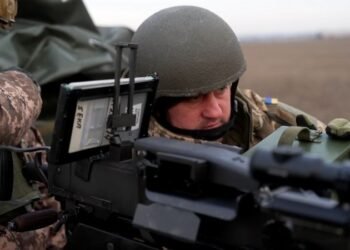 Ukraine war briefing: Zelenskyy offers help to Saudi Crown prince on combatting Iranian drones
 George Clooney and Amal Clooney Receive French Citizenship
 Shock US Raid: Maduro Pleads Not Guilty in Manhattan Court
 Capitol Attack Anniversary Sparks Deep Political Divide
 EU Weakens as Trump Targets Venezuela and Greenland
 Saudi Officials Report Zubaidi Flee Before Yemen Peace Talks
 Venezuela Oil Deal Opens Tensions with US Control
 UK Targets in New York Bomb Threat Hoax: Man Jailed
 Trump Plans Venezuela Meeting, Warns of Cartel Land Strikes
 Gambia Supreme Court Hears Case to Overturn FGM Ban
 Indonesia blocks Grok chatbot over sexual content risk
 US Citizens Warned to Venezuela Flee Amid Paramilitary Threats
 Mandelson apologises over Epstein ties after public scrutiny
 Trump targets Iran trade with 25% tariff warning
 Rudd successor: Defence chief and former ministers considered
 US Senate rejects resolution limiting Trump military powers
 Venezuela regime claims release of political prisoners signals new era
 Friedman Uninvited From 2024 Adelaide Writers’ Week
 Gulf states warn Trump Iran strikes risk wider Middle East war
 Machado Trump medal gesture reshapes Venezuela power struggle
 Greenland defence seen as shared Nato duty amid troop arrivals
 Geopolitical football: Iran, Trump and the World Cup clash
 Canada-China trade gains momentum in new strategic partnership
 Trump Receives Machado’s Nobel Medal in White House Meeting
 Syria President Declares Victory as Ceasefire Reached with SDF
 US Considers Asylum for British Jews Amid Rising Antisemitism
 Starmer Challenges US Over Controversial Greenland Deal
 Chinese tourists drop sharply over Taiwan tensions
 Spoof “Make America Go Away” Caps Rally Denmark Over Greenland
 Trump slams UK ‘stupidity’ over Chagos Islands, eyes Greenland takeover
 More Than 100 Islamic State Inmates Escape Amid Syrian Clashes
 Trump Tightens Grip on EU and UK Energy Supply
 Shinzo Abe’s killer receives life sentence in Japan
 Silence and Unity Mark Bondi Terror Attack Memorial
 Russia Strikes Kyiv and Kharkiv as Peace Talks Enter Day Two
 China General Under Investigation Amid Leadership Purge
 Philippines ferry disaster leaves 15 dead, dozens missing
 Israel Conditions Gaza Rafah Reopening on Hostage Search Completion
 Turnbull urges Albanese to confront Trump’s global ‘bully’ politics
 Crisis Looms as Liberals Debate Sussan Ley Future
 Cambridge Faces Scrutiny Over Arms Investment Transparency
 Files Link Andrew to Epstein Dinner After Prison Release
 Epstein UAE Emails Shake British Royal Andrew’s Legacy
 Europeans oppose US after Greenland threat, poll shows
 Christchurch Shooter Seeks to Overturn Guilty Plea in Appeals Court
 Minnesota Nurse Saves Refugees, Witnesses Tragedy Decades Later
 Christchurch gunman seeks to vacate guilty plea
 Liberal Fallout: Taylor Challenge Casts Shadow Over Sussan Ley’s Leadership
 Infantino Faces Russia Threat and Trump Concerns at Uefa Congress
 Concerns rise for Canberra boy amid Iran detention fears
 Ukraine, Russia Meet in Geneva Ahead of War Anniversary
 Iran Says ‘Guiding Principles’ Agreed With US at Nuclear Talks
 Sydney Businessman Falsely Claimed Security Advice Came From Kevin Rudd
 Caribbean Leaders Urge Dialogue Amid US Oil Embargo on Cuba
 Brazilian Politician Brothers Sentenced for Marielle Murder
 Cuba Kills Exiles in Speedboat Attack from US Waters
 Anthony Albanese Must Uphold Rights for All Australians
 Woman Executed in Somalia Sparks Debate on Justice System
 US Accused of Exploitation Over Zambia Health Aid
 The Miraculous Survival of Nada Itrab
 Tommy Robinson Meets Trump Officials at US State Department
 Uganda Crackdown: Two Women Arrested for Public Kissing
 Middle East Flights Halted After Iran Strikes
 Months of Planning Behind US‑Israeli Mission to Target Iran’s Supreme Leader
 Cooper: Joining US Strikes on Iran ‘Not in Britain’s Interest’
 What Khamenei’s Death Means for Russia and China
 US Iran Operation: Sixth Service Member Killed
 Hezbollah Anger Erupts as War Returns to Beirut
 Trump’s Iran Endgame Unclear After Mixed Messaging on War Aims
 Gaza Siege Deepens as Iran War Escalates
 Israel Launches Fresh Strikes on Tehran & Beirut; US Warns “Hardest Hits” Ahead
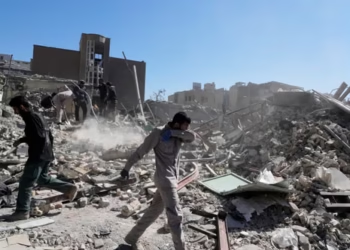 Riyadh Drone Attack Escalates Regional War
 Middle East attacks intensify as Trump rejects Iran talks
 DHS Probe Into Border Official Sparks National Debate
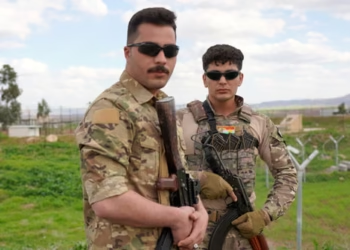 Iran-Iraq border airstrikes spark new tensions
 Thousands Protest Iran Strikes Outside US Embassy London
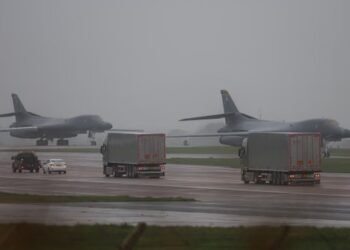 US Bombers Arrive at RAF Base Amid Rising Iran Tensions
 UK Prepares Aircraft Carrier for Middle East Crisis
 Caffè Nero Warns Coffee Prices May Rise Again
 Seventh US Service Member Killed in Iran Conflict Identified