Published: 10 March 2026 The English Chronicle Desk The English Chronicle Online — Business & Economy
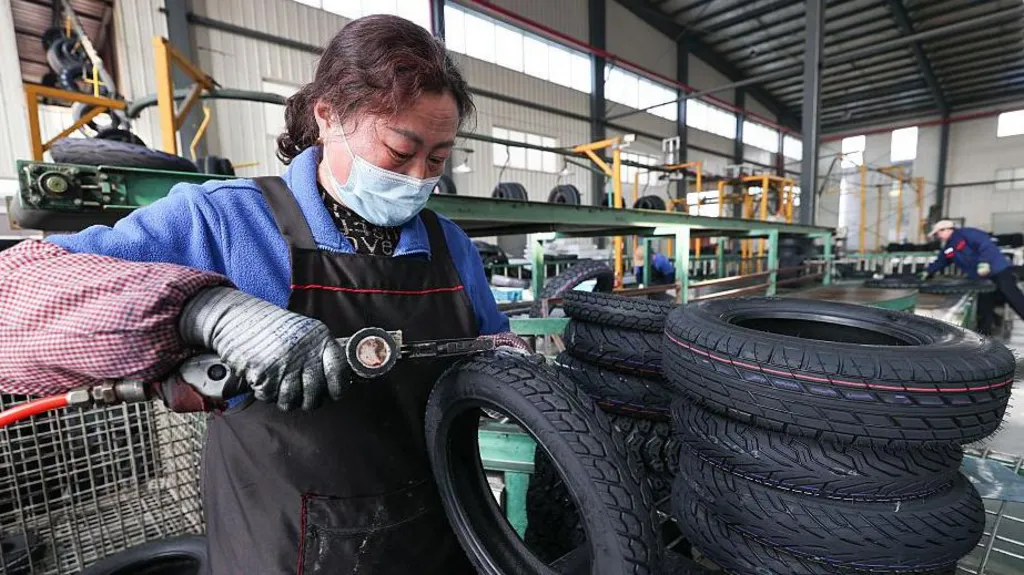
China’s export machine has roared back to life in the opening months of 2026, defying trade tensions with Washington and surging far beyond economists’ expectations. Official figures released in Beijing show that exports jumped by more than 20% in January and February, nearly three times the rate predicted by analysts. The performance puts the world’s second‑largest economy on track to surpass its record‑breaking trade surplus from 2025, even as it grapples with weak consumer spending, a shrinking population, and a deepening property crisis.

The announcement comes at a politically sensitive moment. US President Donald Trump is scheduled to visit Beijing in early April for talks with Chinese President Xi Jinping, with tariffs and trade imbalances expected to dominate the agenda. Despite Trump’s imposition of new duties on Chinese goods, the data suggests that China’s exporters have found ways to adapt, redirecting shipments to other markets and capitalising on strong global demand for electronics, agricultural products, and manufactured goods.
China typically combines January and February trade data to smooth out distortions caused by the Lunar New Year holiday, which falls on different dates each year. This year’s figures reveal a broad‑based surge across multiple sectors. Electronics led the way, with shipments of semiconductors, consumer devices, and industrial components rising sharply. Agricultural exports also grew, alongside manufactured goods ranging from textiles to machinery.
Trade with European countries rose by 27.8%, while exports to ASEAN nations — including Thailand, Singapore, and the Philippines — climbed by nearly 30%. These gains more than offset a decline in exports to the United States, which fell by more than 10% as Trump’s tariffs took effect. The data underscores China’s ability to diversify its export markets, reducing reliance on the US while strengthening ties with Asia and Europe.
Despite the export surge, Beijing has set a cautious annual growth target of 4.5–5%, down from the 5% goal achieved in 2025. Officials acknowledge that exports remain the key driver of the economy, compensating for sluggish domestic consumption and a property sector weighed down by debt. The government’s decision to lower its target reflects concerns about structural challenges, including demographic decline and weak household spending.
Economists say the export boom provides short‑term relief but does not resolve deeper issues. “China’s external sector is performing remarkably well, but the domestic economy remains fragile,” one analyst noted. “Without stronger consumer demand and a healthier property market, growth will continue to rely heavily on trade.”
The decline in exports to the US highlights the impact of Trump’s tariffs, which were introduced to address what Washington sees as unfair trade practices and persistent imbalances. The measures have targeted electronics, machinery, and consumer goods, raising costs for American importers and prompting some companies to seek alternative suppliers.
Yet China’s overall trade surplus continues to expand, driven by booming sales to other regions. Analysts say the tariffs have hurt specific sectors but have not derailed China’s export momentum. Instead, they have accelerated Beijing’s push to deepen economic ties with Europe, ASEAN, and other partners.
The export surge comes against the backdrop of the US‑Israeli war with Iran, which has disrupted global energy markets and unsettled Asian economies. Rising oil prices have increased costs for manufacturers, but China’s exporters have so far absorbed the impact, aided by strong demand and competitive pricing.
The conflict has also heightened geopolitical tensions, with Beijing seeking to balance its economic interests against its diplomatic stance. Analysts say the upcoming Trump‑Xi summit will be closely watched for signs of how the two powers intend to navigate trade disputes amid wider global instability.
Electronics remain the backbone of China’s export success. Demand for semiconductors, smartphones, and industrial components has surged worldwide, driven by the expansion of artificial intelligence, cloud computing, and renewable energy technologies. China’s dominance in electronics manufacturing has allowed it to capture a significant share of this growth, even as Western governments push for supply‑chain diversification.
Shipments of consumer electronics rose sharply, while industrial exports — including machinery and components for renewable energy projects — also performed strongly. Analysts say this reflects China’s ability to adapt to shifting global demand, positioning itself as a critical supplier in emerging industries.
Despite the strong start to the year, challenges loom. The property sector remains in crisis, with developers struggling under heavy debt and housing demand weakening. Consumer spending is sluggish, reflecting both economic uncertainty and demographic pressures. China’s population is shrinking, raising concerns about long‑term growth prospects.
Moreover, trade tensions with the US could intensify. Trump has signalled that he will press Xi on tariffs, intellectual property, and market access during his April visit. Any escalation could disrupt China’s export momentum, particularly if new duties target high‑value sectors such as electronics.
China’s ability to redirect exports to Europe and ASEAN highlights a broader strategic shift. By deepening ties with regional partners and expanding into new markets, Beijing is reducing its vulnerability to US tariffs. This diversification strategy has been a long‑standing goal, but the latest data suggests it is now bearing fruit.

At the same time, China is investing heavily in technology and innovation to maintain its competitive edge. Initiatives to boost semiconductor production, renewable energy exports, and advanced manufacturing are central to its long‑term economic strategy.
China’s export surge in the first two months of 2026 underscores the resilience of its trade sector, even in the face of tariffs and geopolitical turmoil. The figures provide a boost to Beijing as it prepares for high‑stakes talks with Washington, but they also highlight the economy’s reliance on external demand at a time when domestic challenges remain unresolved.
Related News:
 US and Indonesia Finalise Deal to Cut Tariffs to 19%
 Canada Eyes Trade Talks After US Supreme Court Tosses Trump Tariffs
 US Will Not Back Out of Tariff Deals with UK and Others, Says Trump Trade Representative
 Trump’s tariff strategy collapse sows global chaos and confusion
 What Tariffs Has Trump Introduced and Why?
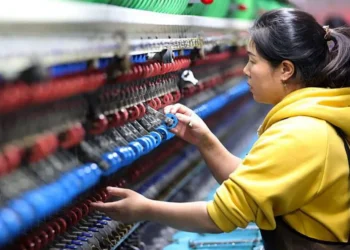 Why Asian Firms Are Not Cheering Trump Tariff Ruling
 Why Asian Firms Are Not Cheering Trump Tariff Ruling
 Uber Faces Sexual Assault Trial in Arizona, Safety Record Scrutinised
 German Supermarket Aldi to Open 180 US Stores This Year
 Top Senate Republican Says Federal Probe of Powell Could Challenge Fed Nominees
 Trump Administration Probe of Fed’s Powell Draws Pushback
 Trading Day: Trump Crosses Fed Rubicon, Market Shrugs
 Government Unveils Northern Powerhouse Rail Plans
 China Halts Nvidia H200 Chips Despite US Export Approval
 Trump Fed bid heads to Supreme Court
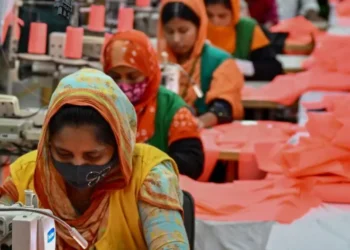 US to Exempt Some Bangladeshi Clothes from Tariffs
 Live Markets Bet on Spring Rate Cut as Inflation Falls
 Japan Braces as Takaichi Begins New Term with Huge Mandate for Low‑Tax, Ultra‑Conservative Agenda
 Sanders Condemns Billionaire ‘Greed’ in California Tax Debate
 The Two Farms in Senegal That Supply Many of the UK’s Vegetables
 ‘We’re Still on Edge’: Toy Firms Look to US Supreme Court as Tariffs Hit Profits
 Uncertainties Loom for Businesses and Consumers After Trump’s Tariff Changes
 Trump Announces Global Tariffs to Rise to 15%
 ‘Hard to Keep Lights On’: Business Owners Cautiously Welcome Tariff Ruling

 FedEx Sues for Trump Tariff Refund After Supreme Court Ruling
 Trump’s new tariff takes effect at lower than expected rate
 Bill Gates ‘Took Responsibility’ Over Epstein Ties in Staff Meeting, Foundation Says
 Canada’s Finance Minister Says US Unlikely to Lift Tariffs
 India and Canada Seal Series of Deals as Carney and Modi Reset Ties
 Tehran Makes New Threat to Gulf Shipping as US Says ‘Hardest Hits’ on Iran ‘Yet to Come’
 India and Canada Reset Ties with Landmark Nuclear Energy Deal
 The Little Town Making Nearly All of China’s Lanterns
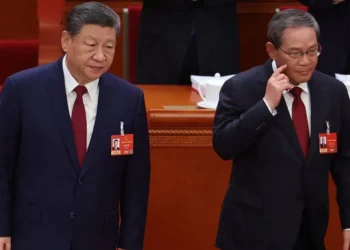 China Sets Lowest Economic Growth Target Since 1991
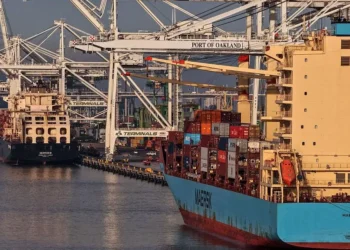 US Trade Court Orders Tariff Refunds in Setback for Trump Administration
 Musk Tells Jury “People Read Too Much” Into His Posts in Twitter Investor Trial
 Iran War Raises Questions Over China’s Global Plan
 Post Office Scandal Compensation Tops £1 Billion as Victims Finally See Justice
 Big Pharma Investment Freeze Puts UK Life Sciences Sector Under Strain
 Jaguar Land Rover Extends Production Halt Following Cyber-Attack
 Great Britain’s Energy Operator Commits to Strengthening Grid to Prevent Blackouts
 UK House Price Growth Slows as Buyers Exercise Caution Ahead of Autumn Budget
 Kemi Badenoch Unveils ‘Golden Rule’ to Halve Spending Cuts for Deficit Reduction at Tory Conference
 New V-Level qualification to transform post-16 education
 Real living wage set to rise nearly 7% for UK workers in 2026
 Reeves Faces Setback as Labour May Miss Homes Target
 Virgin Trains Moves Closer to Challenging Eurostar Monopoly
 Trump’s UK Ambassador Urges North Sea Drilling to Strengthen US Ties
 Ryanair Chief UK Economy ‘Doomed’ Under Labour
 M&S Profits More Than Halve After Cyber-Attack
 Millionaires group urge Reeves to introduce wealth tax to ‘lift kids out of poverty’
 From Lego to Pokémon: How Adults Are Driving UK Toy Market Growth
 Starmer Says Labour’s Economic Plan Needs Years to Deliver
 Historic £100-Weekly Pension Boost Brings Relief for UK Mineworkers
 Trump Weighs Response to Iran Crackdown as Tehran Says Communication Open With US
 Minnesota Sues Trump Administration Over ICE Surge
 US Clears Nvidia AI Chip Sales to China in Policy Shift
 EU Says US Ties Have Suffered ‘Big Blow’ After Greenland Crisis
 US Dollar Hits Four-Year Low Amid Market Turmoil
 UK New Car Discounts Near £6,000 as Prices Are Slashed
 Pound Sinks and Borrowing Costs Rise as Starmer Fights for Job
 Major UK Clothing Firm Collapses into Administration — 109 Jobs at Risk
 BT Names New Openreach Chief Amid Major Fibre Expansion
 Is Dining Out Dying Out?
 ‘Trump Will Be Gone in Three Years,’ Top Democrats Tell Europe
 Could Manchester Lead the UK’s Economic Revival?
 Lloyds Boss Accepts Concern Over Use of Staff Data in Pay Talks
 AI Coding Firm’s ‘Pride’ at Business Award Win
 UK Job Vacancies Hit Five-Year Pandemic Low
 Duterte Refuses to Attend ICC Pre-Trial Hearing Over ‘Drug War’ Case
 UK Youth Unemployment Surges Amid Tax Changes
 Strong Rebound for UK Housing Market Sees 6% More Homes
 American Citizen Killed in Cuba Boat Shooting, U.S. Officials Say
 Burger King Rolls Out AI Headsets to Track Employee ‘Friendliness’
 Switching Energy Deal Can Save £200 as Price Cap Falls
 Deadly Texas Bar Shooting ‘Potentially Act of Terrorism,’ FBI Says
 Trump Faces Questions Over Iran Conflict Plan
 Talarico Secures Democratic Victory for US Senate in Texas
 Thousands Protest Iran Strikes Outside US Embassy London
 Oil Prices Surge Above $100 Amid Iran War