Published: 10 March 2026. The English Chronicle Desk. The English Chronicle Online.
Labour lawyers were reportedly blocked from briefing MPs about changes to jury trials, raising concern. The claim was made by Karl Turner, a backbench MP leading resistance against a government bill removing jury rights in thousands of cases. Around 65 Labour MPs were reportedly considering voting against the courts and tribunals bill before Monday’s second reading, highlighting deep unease within the party. Justice Secretary David Lammy announced the reforms last December, intending to shift many trials away from juries toward judges and magistrates instead. The proposed measures have sparked opposition from within the party, with at least 38 MPs signing a letter urging the Prime Minister to reconsider.
Lammy addressed the parliamentary Labour party on Monday night, framing the reforms as necessary to prevent further collapse in the court system. Drawing on his upbringing in Tottenham, north London, he stressed that working-class defendants often face the harshest consequences of a failing justice system. He argued: “After 14 years of Conservative chaos, our courts aren’t just creaking: they are collapsing. When a public service collapses, it is never the wealthy or the well-connected who fall through the cracks first. It is the working-class boy on remand. It is the survivor of sexual violence waiting three years to give evidence.”
Turner, the MP for Hull East, coordinated the letter of concern and claimed that Labour-affiliated lawyers were prevented from briefing MPs. He said the Society of Labour Lawyers (SLL), one of the party’s oldest affiliates, had voiced deep concerns at its executive committee last Friday. “The policy position of the SLL is that these measures are a terrible mistake, are unworkable and must be stopped, but they have been blocked from sharing that position with Labour MPs in a briefing of the sort which one would expect it to be able to make,” Turner explained, adding that pressure had come from ministers.
Efforts to reach the SLL and a spokesperson for Lammy, who was due to meet Turner on Monday evening, have been made for comment. Despite this blockage, a major clash between the government and MPs on Tuesday might still be averted, but some backbenchers are reportedly considering abstaining or voting against the bill later. Turner expressed hope that controversial aspects could be removed during the bill’s “report” stage in the House of Commons. Observers will also be watching closely the position of Angela Rayner, former minister and leadership contender, as her stance could influence many MPs.

Meanwhile, lobbying in support of the reforms has continued, particularly from those who argue the measures will address the growing backlog of cases. More than 30 female Labour MPs, including former ministers Ashley Dalton and Anneliese Dodds, wrote to Lammy urging him not to retreat. Their letter highlighted personal experiences demonstrating how delays in the justice system are harming women and girls, and they stressed that swift justice is essential. Lammy’s proposed reforms, they argued, could help prevent further injustice for vulnerable victims.
The victims’ commissioner, Claire Waxman, also intervened on Monday, warning that trial dates extending as late as 2030 are pushing the justice system toward breaking point. She emphasised the profound human cost of delay, noting that “justice delayed is not an abstract principle – it is the compounding and prolonging of trauma.” Waxman added that victims often face a stark choice: wait years for a jury trial or accept a judge to ensure faster resolution. Her appeal underscored the personal stakes behind the legal debate, emphasising that delays disproportionately affect those already experiencing trauma.
Opposition to the reforms has also come from legal commentators. Chris Moran, a barrister, published an open letter to the Prime Minister on Monday, resigning from Labour over the proposals. He described the reforms as “unprincipled, counter-productive and shameful constitutional vandalism,” arguing that many in the public lack firsthand experience with the criminal justice system. He suggested that ordinary citizens might fail to grasp the full impact of removing jury trials, particularly on marginalized groups. Moran’s intervention highlighted growing concern among professionals about the potential erosion of accountability in the courtroom.
The Prime Minister’s spokesperson defended the government’s approach, citing the inherited backlog and fragile court system. They emphasised that reform, investment, and efficiency are necessary to deliver faster and fairer justice for victims. “There is no choice. Only by using a combination of reform, investment and efficiency, can we hope to turn the tide on the backlog and deliver the faster and fairer justice the victims deserve,” they said. This response reflects the government’s consistent framing of the changes as urgent and unavoidable, despite criticism from MPs and legal experts.
The ongoing debate underscores tensions between parliamentary procedure and legal oversight within Labour. Lawyers affiliated with the party maintain that their perspectives have been systematically excluded from discussion, raising questions about internal consultation and transparency. These developments also reveal fractures among backbench MPs, some of whom remain undecided on whether to support or oppose the bill. In parallel, lobbying from supportive MPs and external legal advisors continues to shape the discourse, making it clear that the outcome remains uncertain.
If the bill proceeds, thousands of trials will shift from jury consideration to judicial determination, a change that may significantly affect defendants, victims, and legal practitioners alike. Critics argue that such a move risks undermining the principle of public participation in justice, while proponents contend it is a practical necessity to address systemic inefficiencies. The public’s understanding of these reforms is likely limited, increasing the importance of informed parliamentary debate and consultation. The unfolding situation highlights the complex balancing act between efficiency, fairness, and constitutional tradition in the English legal system.

The dispute also illustrates the growing influence of advocacy within parliamentary politics. Letters from MPs, interventions by the victims’ commissioner, and public statements from legal professionals demonstrate how policy decisions are increasingly shaped by direct engagement from affected communities. At the same time, claims of blocking party-affiliated lawyers indicate potential procedural shortcomings that may fuel further scrutiny. Observers will be monitoring how Labour MPs reconcile party unity with individual convictions as the bill progresses through successive readings.
While the immediate vote may not decisively resolve the debate, subsequent stages of scrutiny in the House of Commons are expected to test the strength of parliamentary opposition. Amendments may be proposed to modify or remove controversial elements, reflecting the impact of lobbying efforts and constituent pressure. The evolving dynamics within Labour underscore the challenge of balancing reform ambitions with democratic legitimacy. As the bill moves forward, stakeholders across the legal and political spectrum will continue to evaluate its implications for justice and public confidence.
The Labour lawyers’ concerns, along with growing public interest, underscore the tension between expedient legal reforms and the traditional jury system. The debate over jury trials encapsulates broader questions about accountability, equality, and efficiency within England and Wales’ justice system. MPs must weigh these factors carefully, considering both practical outcomes and the constitutional principles at stake. The ongoing discussion reflects not only party politics but also fundamental questions about the delivery of justice in the modern era.
Related News:
 Tories Push to Dilute Labour’s Workers’ Rights Bill
 It’s time to come clean on the China spy case
 Rachel Reeves Admits Renting Home Without Required Licence
 Experts Question HMRC Over Possible Child Benefit Privacy Breach
 Phillipson urges careful review of gender recognition guidance
 French Taxi Driver Cleared in David Lammy Theft Case After Fare Dispute
 Met Police Culture Makes Racial Harm ‘Inevitable’
 Remaining rebel Labour MPs have whip restored
 Tim Davie resigns as BBC director general amid bias claims
 Palace to reinstate hyphen in Andrew’s surname
 BBC Apologises to Trump but Rejects $1bn Compensation Claim
 Major Rent Reform Ends No-Fault Evictions in England
 Peers Flood Assisted Dying Bill with 942 Amendments
 Your Party Turmoil Deepens Over Withheld Donations
 UK Unveils Fast-Track Deportation and Asylum Overhaul
 UK Asylum Overhaul Sparks Debate Over Human Rights and Deportations
 UK Asylum Reforms: Temporary Refugee Status and Faster Deportations
 Mahmood Defends Tough Overhaul of UK Asylum System
 Scottish Ministers Express Alarm Over UK Asylum Reforms
 Westminster Advances Legacy Bill Amid Criticism
 Minister Defends Tough New Asylum Reform Plan
 UK Net Migration Falls Sharply After ONS Revisions
 Peers Get Extra Time to Debate Assisted Dying Bill
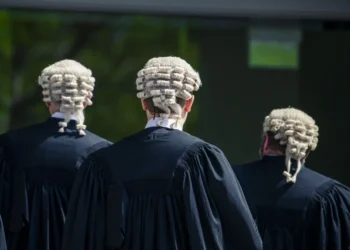 Plans to Limit Jury Trials Face Retreat After Mounting Opposition
 Tim Walz urges Trump to withdraw federal agents immediately
 UK and EU Signal Fresh Push for Defence Cooperation Talks
 Labour Attacks Reform Candidate Over Tommy Robinson Backing
 Starmer Reverses Local Election Delay Plan
 Starmer Ally Investigated Over Smear Claims
 Civil Service Pay: Union Urges Ministers to End ‘Barking Mad’ Limits
 Proposed Law Leaves Gap for Children of Convicted Paedophiles
 Tanni Grey-Thompson Faces Abuse Over Opposition to Assisted Dying Bill
 Mahmood Pledges Reform of Modern Slavery Laws After Court Blocks Deportation Appeal
 Digital ID Plans Ignite Debate Over £600m Treasury Tax Boost and Privacy Concerns
 Green Party Surges Past Labour in Latest UK Poll
 Trump’s UK Ambassador Urges North Sea Drilling to Strengthen US Ties
 Just Stop Oil Protesters Convicted Amid Climate Defence Row
 King Charles to Lead Nation in Remembrance Sunday Service
 Millionaires group urge Reeves to introduce wealth tax to ‘lift kids out of poverty’
 Starmer Faces Growing Dissent as Labour MPs Weigh Leadership Challenge
 Reeves rejects £1bn plea for NHS redundancy payouts
 PM Condemns Leaks, Vows Loyalty to Ministers and Stability
 US Justice Department Files Lawsuit Against California Over Partisan Voting Maps
 Trump Deploys DHS to Charlotte in Major Arrest Operation
 Serial Rapist and Former Cop Found Guilty Again
 Most Tories Expect to Support a Farage-Led Government
 Labour MP claims devolution bill is ‘blatant discrimination’ against Cornwall
 Millions Face Higher Taxes Under Reeves New Budget
 US National Guard Member Killed in DC Shooting
 ICC to Rule on Duterte’s Provisional Release
 Starmer Says Labour’s Economic Plan Needs Years to Deliver
 Virgin Media Fined £23.8m Over Telecare Safety Failures
 Culture secretary to review Telegraph takeover by Daily Mail owner
 Woman Jailed for Life After Killing E-Bike Rider in Tragic Mistaken Identity Case
 Right Must Unite After Jenrick Defection, Urges Rees-Mogg
 UK Ministers Drop Foreign Student Targets for Global Education Push
 MPs warn AI financial risks threaten UK stability
 No Gas Boiler Ban as UK Warm Homes Plan Backs Heat Pumps
 Shinzo Abe’s killer receives life sentence in Japan
 Police response times face strict new national limits
 Labour policing overhaul sparks fears over growing central control
 Starmer warns of toxic division politics in Reform challenge
 Palantir contracts face UK halt calls over transparency
 Australia’s Opposition Coalition Reunites After Rift
 Cabinet Secretary Shake-Up Triggers Due Diligence Warning
 Farage to Name Jenrick as Reform Chancellor Pick
 Antonia Romeo appointment sparks criticism
 Trump and Chagos Deal Rift Over Iran Strikes
 Farage Chagos Islands Row Sparks Fury
 Reform UK targets workers’ rights repeal
 Russian Trade Routed Through British Islands Exposed
 Mandelson Arrest: Met Apologises to Hoyle
 Palestine Action ban appeal moves forward
 Refugee Status Overhaul Sparks UK Debate
 BBC Charter Reform Sparks Independence Battle
 Labour MP’s Partner Arrested on Suspicion of Spying for China
 Police Scotland Pays £8m Compensation to Staff
 Thousands Protest Iran Strikes Outside US Embassy London
 US Bombers Arrive at RAF Base Amid Rising Iran Tensions
 UK Oil and Gas Supplies Reassured Amid Middle East Concerns