Published: 12 March 2026. The English Chronicle Desk. The English Chronicle Online.
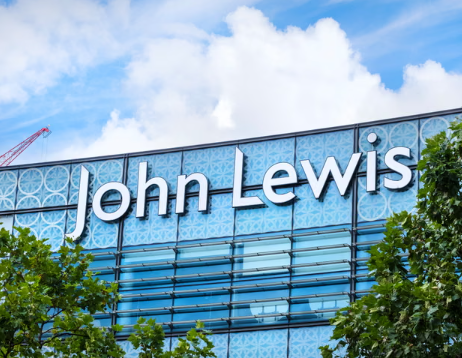
The return of the John Lewis bonus has lifted spirits across the retailer’s workforce after several difficult years. Employees at the well-known British retail partnership will receive a small but symbolic reward this year. The John Lewis bonus marks the first annual staff payout since the economic shock of the pandemic disrupted the company’s finances.
The staff-owned retail group confirmed that partners will receive a bonus worth two percent of salary. While modest compared with historic payouts, the payment signals improving financial stability after years of uncertainty. The decision follows a rise in underlying profits and steady sales growth during the past financial year.
Company leaders reported that profits increased by around six percent compared with the previous year. Total sales reached £13.4 billion during the twelve months ending 31 January. Underlying profits rose to £134 million despite challenging trading conditions across the wider retail market.
Executives acknowledged that the broader consumer environment remained cautious throughout much of the year. Rising living costs and persistent economic pressures limited discretionary spending among many British households. Nevertheless, customer demand gradually strengthened as the retailer improved services and refreshed store offerings.
The announcement of the John Lewis bonus therefore carries emotional importance beyond the financial value itself. Many employees view the bonus tradition as a defining element of the partnership model. For decades it represented the shared success between the company and its workforce.

Under the unique partnership structure, staff members are known internally as partners rather than employees. The concept reflects the company’s long-standing philosophy of shared responsibility and shared reward. When profits grow, partners traditionally receive a portion through an annual bonus distribution.
That tradition was severely disrupted during the global pandemic that began in 2020. Lockdowns forced the closure of department stores across the country for extended periods. Online sales increased rapidly but could not fully replace the lost income from physical retail.
As a result, the partnership reported significant losses during the height of the crisis. The company suspended the staff bonus while leaders focused on stabilising operations and protecting long-term viability. Thousands of jobs were restructured as management attempted to control costs and adapt to shifting shopping habits.
In the years following the pandemic, recovery proved gradual rather than immediate. The company spent considerable time rebuilding profitability and updating outdated infrastructure. Leaders also introduced a major transformation plan designed to modernise the retail group.
Part of that strategy included closing several underperforming department stores around the United Kingdom. At least sixteen John Lewis locations were shut as footfall declined in certain areas. Meanwhile, more than twenty supermarkets under the Waitrose brand were also closed or consolidated.
These decisions were difficult for communities and employees who valued the historic stores. However, executives argued that focusing investment on stronger locations would strengthen the company’s future. The aim was to ensure the partnership remained competitive in a rapidly changing retail landscape.
Alongside store closures, the group reduced head office roles to streamline management structures. Thousands of administrative positions were cut over several restructuring phases. Leaders said these measures were necessary to support long-term financial stability.
Despite the painful adjustments, the company continued investing heavily in its retail experience. Around £800 million has been allocated to improving stores and customer services across the business. Much of that investment has focused on modernising supermarkets and department store layouts.
Over the past year alone, more than twenty Waitrose stores underwent significant refurbishment projects. These upgrades introduced new food halls, improved layouts, and expanded product ranges. The aim was to create a more attractive and convenient shopping environment for customers.
Five John Lewis department stores also received major updates as part of the same investment programme. New fashion spaces, improved technology areas, and refreshed home departments were introduced. Executives hope these improvements will attract younger shoppers while maintaining loyal customers.
Another recent development has been the reintroduction of the well-known fashion brand Topshop into stores. The brand returned to physical retail floors across all thirty-two John Lewis department stores last month. Managers believe the move will strengthen the fashion offering and attract renewed interest among younger audiences.
Chairman Jason Tarry emphasised that the company’s transformation plan is delivering measurable progress. He explained that customer satisfaction levels reached record highs during the past year. The retailer also reported growth in the number of shoppers choosing its stores and online platforms.
According to Tarry, continued investment remains essential even during uncertain economic conditions. The company deliberately prioritised improvements to stores, technology, and product ranges. These investments, he argued, helped maintain customer loyalty and stimulate gradual profit growth.
However, the financial results also revealed significant external pressures affecting the business. Higher employer national insurance contributions added around £40 million in additional costs. New packaging regulations created a further £13 million burden for the retailer.
These rising costs illustrate the complex financial environment facing large retailers across the United Kingdom. Businesses must balance investment, wages, and taxes while maintaining competitive prices for consumers. Even small shifts in policy or supply chains can significantly influence profitability.
The company’s overall pre-tax position actually moved into a slight loss during the year. After accounting for exceptional items, the group recorded a pre-tax loss of £21 million. This compares with a £97 million profit reported during the previous financial year.
Much of that difference resulted from one-off accounting adjustments rather than day-to-day trading performance. The company wrote down the value of outdated technology systems that were no longer in use. Executives said removing these legacy assets would support future modernisation efforts.
Despite the accounting loss, underlying performance improved enough to justify restoring the staff reward. The John Lewis bonus therefore symbolises cautious optimism within the partnership’s leadership team. It suggests that recovery efforts are beginning to produce tangible results.
For employees, the return of the bonus carries considerable emotional meaning. Many partners signed an open letter last year urging management to reinstate the tradition. They argued that the bonus represented recognition of their dedication during difficult trading periods.
The company had previously decided not to pay a bonus even after profits tripled last year. Management explained that strengthening finances remained the top priority at that time. However, the improved outlook this year allowed leaders to reconsider the decision.
Historically, the partnership’s bonuses were often far more generous than the current payment. During the 1980s the annual reward sometimes reached an impressive twenty-four percent of salaries. Those payouts became legendary within the British retail sector.
Changing economic conditions have made such levels increasingly difficult to maintain today. Competition from online retailers and rising operational costs have reshaped the industry dramatically. Nevertheless, many partners still view any bonus as a powerful symbol of collective achievement.
Another notable strategic change involves the partnership’s previous housing development ambitions. Earlier leadership proposed building as many as ten thousand rental homes on company-owned land. The initiative aimed to diversify revenue streams beyond traditional retail operations.
Chairman Jason Tarry has now decided to abandon that housing expansion strategy. He believes the organisation should focus more directly on strengthening its core retail businesses. Concentrating resources on shops and supermarkets may provide clearer long-term value.

The decision reflects a broader shift back toward the company’s historic identity as a retailer. While diversification can offer stability, it also requires substantial investment and management focus. Leaders now believe retail improvements should remain the central priority.
Industry analysts say the partnership’s gradual recovery will continue to face significant economic challenges. Consumer confidence remains fragile as households manage rising energy and food prices. Retailers must therefore work harder to deliver value, quality, and compelling in-store experiences.
Even so, the symbolic return of the John Lewis bonus suggests renewed confidence inside the organisation. Employees often play a crucial role in shaping the customer experience within department stores. Recognising their efforts can strengthen morale and reinforce the partnership culture.
Many shoppers also associate the retailer with quality service and trusted brand values. Maintaining those standards remains vital as the company rebuilds profitability. Loyal customers frequently cite knowledgeable staff and personal service as key reasons for returning.
The coming years will reveal whether the transformation strategy can secure lasting growth. Continued investment, careful cost management, and strong product ranges will all influence future results. For now, the modest but meaningful bonus offers a hopeful sign for partners.
After years of uncertainty, the partnership appears cautiously optimistic about its direction. The revival of the John Lewis bonus reflects both progress and determination to restore traditional values. Employees across the business will undoubtedly welcome that signal of recovery and shared success.
Related News:
 Reeves Faces Setback as Labour May Miss Homes Target
 UK Small Business Owner to Challenge L’Oréal in Tribunal
 Trump’s UK Ambassador Urges North Sea Drilling to Strengthen US Ties
 150-Year-Old Arctic Beer to Be Reborn in Scotland
 Court Hears Challenge Over Water Bills Funding Sewage Fixes
 ABF May Split Primark from Food Division Amid Tough Market
 Rachel Reeves Set to Break Labour Pledge and Raise Income Tax
 UPS Cargo Plane Crash in Kentucky Kills Seven
 Thinktanks Urge Rachel Reeves to Reform UK Tax System
 M&S Profits More Than Halve After Cyber-Attack
 Tony Blair think tank warns Rachel Reeves must cut taxes if manifesto broken
 Oprah enjoys Meghan’s jam on English muffins
MPs Press Rachel Reeves to Hike Gambling Taxes
Oprah enjoys Meghan’s jam on English muffins
MPs Press Rachel Reeves to Hike Gambling Taxes
 North Sea oil workers must lose weight or face job loss
 Cuts to home insulation funding threaten UK climate goals
 Warning as Britons prepare to spend £4 billion this Black Friday
 Millionaires group urge Reeves to introduce wealth tax to ‘lift kids out of poverty’
 Borough Market Clash Sparks Influencer Backlash
 UK toy market enjoys bumper year as ‘kidults’ fuel demand
 Reeves’s Tax U-Turn Triggers Fresh Jitters in UK Markets
 Global markets drop amid tech sell-off and China slowdown
 PM Highlights UK Business at G20 in South Africa
 Mossmorran Plant Closure Hits Cowdenbeath Hard
 UK Energy Bills to Rise Slightly in January
 UK Government Borrowing Higher Than Expected
 UK Taskforce Unveils Plan to Streamline Nuclear Reactor Rules
 Steel billionaire Lakshmi Mittal reportedly leaves UK
 Minister Denies Budget Leaks Have Harmed UK Economy
 English Mayors Set to Introduce Tourist Taxes
 Starmer Says Labour’s Economic Plan Needs Years to Deliver
 Virgin Media Fined £23.8m Over Telecare Safety Failures
 Rising Water Bills Lift Troubled Thames Back to Profit
 Bet365 Boss Nets £280m Despite Profit Drop
 Sainsbury’s CEO leads business honours in New Year list
 UK Car Sales Pass 2 Million as Chinese Brands Surge
 Starmer Faces Parliamentary Battles Over UK-EU ‘Reset’ Plan
 3,000 Jobs at Risk Without UK Helicopter Order
 China Dependence Threatens UK Energy Supply Chains and Jobs
 ScottishPower Tops List of Worst UK Energy Suppliers
MPs warn AI financial risks threaten UK stability
ScottishPower Tops List of Worst UK Energy Suppliers
MPs warn AI financial risks threaten UK stability
 MPs warn AI financial risks threaten UK stability
 City & Guilds pay surge sparks backlash amid £22m cuts
 UK Government Borrowing Drops to £11.6bn in December
 UK Disposable Income Growth Transforms Eleven Towns and Cities
 AI job losses UK: Britain faces sharper employment shock
 Most young adults in UK fear uncertain jobs and economic future
 Labour Must Revive High Streets to Avoid Election Collapse
 Households in England Face Rising Water Bills in April
 UK New Car Discounts Near £6,000 as Prices Are Slashed
 Study Finds One in Seven England Takeaways Are Dark Kitchens
 Riverford sales surge as UK organic market booms
 Barclays drops Global Counsel after Mandelson link scrutiny
 UK average home price exceeds £300,000 milestone, Halifax reports
 UK Experts Raise Alarm Over Machinery Export to Armenian Firm
 Elliott Takes LSEG Stake, Pressures Strategy Shift
 UK Housing Market Shows Early Recovery Signs
 UK economy struggles as growth stalls at 0.1% in late 2025
 Aberdeen Chosen for GB Energy HQ at Marischal Square
 Bank of England Urged to Cut Rates to Spur Growth
 Royal Mail Blames Poor Weather and Sickness for Delayed Deliveries
 UK Unemployment Rate Climbs to 5.2% Peak
 UK shelves £110m border project amid trade strain
 British Steel wins Turkey rail boost
 UK Inflation Surprise Sparks Early Rate Cut Hopes
 UK Sees Record £30.4bn Budget Surplus, Boosting Reeves’ Position
 UK Job Vacancies Hit Five-Year Pandemic Low
 SNP Charging £750 per Ticket for Business Event Featuring ‘Beer and Blether’ with Stephen Flynn
 UK Youth Unemployment Surges Amid Tax Changes
 Ministers Urged to Ban Crypto Political Donations
 Strong Rebound for UK Housing Market Sees 6% More Homes
 Reeves Must Back Defence Plan or Face Dismissal, Says Unite Chief
 Doom Bar Closure Stuns Cornish Brewing Fans
 John Lewis Cancels £500m Build-to-Rent Project
 Energy Bills to Fall by £117 for Millions from April
 Switching Energy Deal Can Save £200 as Price Cap Falls
 OBR Reform Row Deepens Before Spring Forecast
 UK house prices rise as market steadies
 Grocery Inflation Rises Amid War Fears
 Caffè Nero Warns Coffee Prices May Rise Again
 BrewDog sold Highland estate for knockdown price after abandoning reforestation plans