Published: 12 March 2026. The English Chronicle Desk. The English Chronicle Online
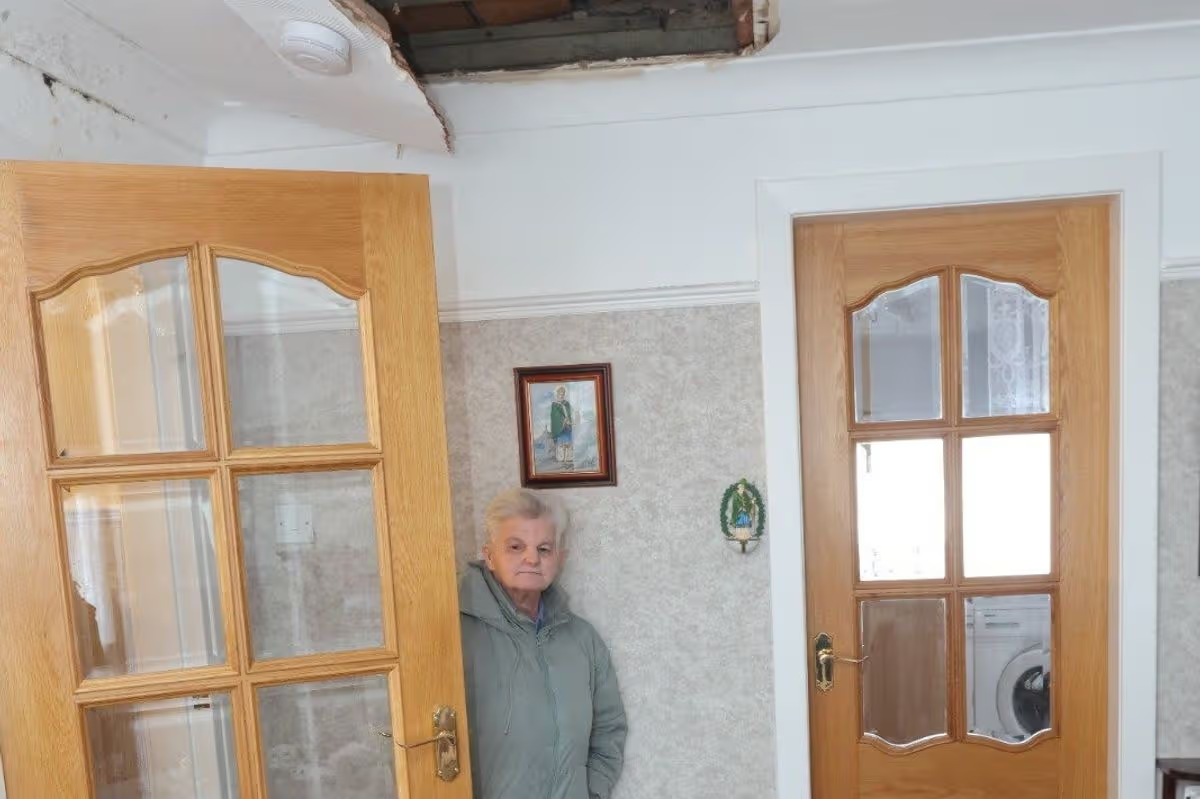
A blind woman was forced to vacate her home after a persistent leak caused the ceiling of her rented property to collapse, leaving the residence unsafe to live in and exposing broader concerns about housing safety and landlord responsibilities. The incident occurred in the early hours of Tuesday, when water penetrating through a prolonged roof leak weakened the ceiling structure until it gave way entirely, forcing emergency inspectors to deem the dwelling uninhabitable.

Neighbours reported that the resident, who relies on tactile navigation and adaptive mobility aids due to her visual impairment, had repeatedly complained to her landlord about water damage. Despite her reports, repairs were delayed, and the leak intensified during recent heavy rain, culminating in a dramatic cave‑in that left plaster, insulation and debris scattered across the living room floor.
Emergency services and local housing inspectors responded after concerned residents alerted authorities, noting that the structure posed a significant safety risk. Officials ordered an immediate evacuation and relocation to temporary accommodation, citing concerns that the remaining ceiling areas could also fail. Fire and building codes in many jurisdictions require landlords to maintain a property in a structurally sound condition and to address significant water intrusion promptly — particularly where vulnerable tenants are affected.
The affected woman’s situation highlights the disproportionate challenges faced by people with disabilities when housing conditions deteriorate. According to housing advocacy groups, individuals with visual impairments depend heavily on consistent and safe living environments, and delays in addressing known structural issues can pose serious risks to independence and wellbeing. The collapse has prompted calls from some local tenant organisations for stricter enforcement of property maintenance standards and more rigorous penalties for landlords who fail to fulfil repair obligations.
Landlord representatives have not yet commented publicly, but legal experts suggest the tenant may have grounds to pursue compensation or enforcement actions under landlord‑tenant and health‑and‑safety statutes if it’s found that known defects were negligently left unremedied. Recent housing law guidance notes that landlords must ensure dwellings are safe and fit for occupation and carry out necessary repairs without undue delay once notified of defects.

The incident has renewed debate about housing standards enforcement and the support available to renters with disabilities who face unsafe building conditions. Advocacy groups say that improved inspection regimes, better tenant reporting mechanisms, and clearer accountability measures for property owners are needed to prevent similar cases where residents are displaced from their homes due to avoidable structural failures.
Related News:
 Stop Releasing Phone Thieves Who Reoffend, Met Police Chief Urges Courts
 Disability and LGBT Hate Crimes Set to Become Aggravated Offences
 Last‑ditch Call to Save Police Front Counters in London
 Sadistic Pair Jailed for Blowing Up Sheep
 Grave of Murdered Toddler James Bulger Vandalised
 Outsiders Disrupted Search for Missing Teen Noah Donohoe
 Police Brothel Raids Target Organisers, Not Sex Workers
 Family of Girl Groomed by Ian Huntley Beg Medics to Save His Life
 Sarah Everard’s Killer Wayne Couzens ‘Petrified’ After Ian Huntley Prison Attack
 Undercover officer deceived women with ‘grotesque and cruel’ lies, spycops inquiry told
 Gran Vows to Shield Huntley’s Daughter From Soham Killer’s Funeral
 Burglar’s Bizarre Excuse After Bedroom Break-In
 King Charles Strips MBE and OBE Titles from Nine People Including Stuart Hogg
 Mum Forces Killer Son Back to Crash Scene After He Mows Down Pensioner
 Mum-of-Three Blackmailed Men After Sending Nude Photos
 Tasers Introduced in UK Prisons to Combat Rising Violence and Protect Staff
 Targeted Attack in Bury Sparks Murder Investigation as Community Awaits Justice
 Man Remanded After Children Fall Ill at Leicestershire Summer Camp in Shocking Child Cruelty Case
 Hunt Intensifies for Southport Riot Suspects as Police Release Full List of 40 Still at Large
 AI Revolutionises Grooming Gang Investigations as Police Target Cold Cases Across England and Wales
 Police Advised to Disclose Ethnicity of Suspects in High-Profile Cases
 Merseyside Police Helicopter Crew Cleared After Low-Altitude Pursuit of Suspect
 UK Launches Major Crackdown on Networks Profiting from Online Child Sexual Abuse
 Jailed Georgian Opposition Leaders Warn UK of Iranian Links to Ruling Party
 No Evidence Found to Substantiate Alleged Rape in Oxfordshire Churchyard, Police Confirm
 Madeleine McCann Detectives to Testify Against Woman Accused of Stalking the Family
 Boris Johnson Breached Rules on Post-Office Business Contacts
 Five More Prisoners Freed by Mistake in Essex Week
 Afghan man charged with murder after west London knife attack
 French Taxi Driver Cleared in David Lammy Theft Case After Fare Dispute
 Just Stop Oil Protesters Convicted Amid Climate Defence Row
 Paralegal Fired After Exposé on Illegal Worker Scam
 Serial Rapist and Former Cop Found Guilty Again
 Woman Jailed for Life After Killing E-Bike Rider in Tragic Mistaken Identity Case
 Betfair Faces Pressure Over Funds Lost to Gambling Fraud
 Emails Show Epstein Funded Mandelson’s Husband After Jail
 Police Probe Mandelson Over Alleged Epstein Leak
 Appeal to B&B Owners Over Cash Point Ram-Raid
 Man in Court Charged with Belfast Murder
 Rapist Caught by DNA 20 Years After Teen Attack
 UP IN FLAMES: Huge Blaze Rips Through Odeon Cinema, Students Evacuated
 Wayne Couzens Still Eligible for £7k Pension
 Motorists Could Face ‘Mandatory’ Driving Ban for Road Offences Under Tougher Laws
 Teenagers Guilty of Killing Man They Lured to Beach
 Teacher Who Lied About Cambridge Degree Banned From Profession
 Illegal Skin Lightening Cream Being Sold in UK Butchers, Watchdog Warns
 Deaf Woman Killed After Night Out With Strangers, Court Hears
 Prisoner Escapes London Hospitals Twice in a Week
 How Much Could Andrew’s Arrest Hurt the Royal Family?
 Epstein Eyed Record Label Investment to Access Women, Files Suggest
 Fly-Tippers to Be Hunted by ‘Drone Squad’ in Crackdown from the Sky
 Dad Found in Bed with Daughter 16 Years After Abandoning Her as a Child
 I Confronted a Mugger with an 18-Inch Machete in London – No Wonder Tom Cruise is Leaving
 ‘Don’t Make Us Security Guards,’ Says Teacher Stabbed by Pupil
 Court Error Frees Rape Suspect Who Flees UK
 Trial Date Set for Student Accused of Racial Hatred
 Rape Accused Had Fight With Man in Alley, Court Told
 Flatmates Cleared of Raping Man After Night Out
 Man Charged Over Derry Kidnapping Incident
 Suspects in Lisa Dorrian Case Released on Bail
 Murder Charge After Security Guard Stabbed in Violent Attack
 Man Arrested Over 2021 Bedroom Killing of Teenager
 Driver Jailed Over Fatal Water Treatment Tank Crash
 Calls Grow to Remove Billboard Following Lyra McKee Graffiti
 Man on Trial for Rape That Led to Andrew Malkinson’s Wrongful Jailing
 Labour MP’s Partner Arrested on Suspicion of Spying for China
 Police Scotland Pays £8m Compensation to Staff
 Woman Smuggled Military-Grade Guns and Heroin
 Police Sell Crime-Fighting Tuk-Tuks at £28,000 Loss
 ‘He Didn’t Stand a Chance’: Man Killed by Tube Was Blocked from Safe Spot, Inquest Hears
 Armed police incident closes major road
 Pedestrian critically hurt after being hit by car
 House wall collapses on to car in city centre
 IRA bomb victims’ civil court case begins against Gerry Adams
 Scots Man Convicted in Dirty Money Case After DNA Found on Cash
 Man Arrested Over Gunshot Death in Motherwell
 Teen Wins Payout After TRNSMT Crush Horror
 Biker Suffers Fractured Spine After Hitting Pothole in Edinburgh
 Scots Head Teacher Pays Tribute to Teen Who Died in Car Fire
 Jobless Man on £15k Benefits Accused of Hurling Abuse at Anti-Migrant Demo