Published: 14 March 2026. The English Chronicle Desk. The English Chronicle Online
For years, many Iranians who opposed their country’s hardline leadership believed that international pressure might help bring about change. After repeated waves of protests, arrests, and deadly crackdowns, some activists and ordinary citizens quietly hoped that outside intervention might weaken the authorities they blame for decades of repression.
But as the war between Iran and a US-Israeli coalition intensifies, a noticeable shift in mood is emerging among parts of the anti-government movement. Anger once directed almost entirely at Tehran’s rulers is increasingly being aimed at foreign powers as well, particularly after airstrikes that have damaged civilian infrastructure and killed hundreds across the country.
“I believed what they said about rescuing us,” said Amir, a student at the University of Tehran who has participated in anti-government demonstrations in the past. “Now it feels like they are lying too, just like the regime has been lying to us for years. You are all worse than each other.”

For many Iranians who oppose the government, the conflict initially raised hopes that the ruling system might finally collapse. On the first day of the war, an airstrike killed the country’s most powerful political figure, the supreme leader Ali Khamenei, sending shockwaves through Iranian society. Some activists believed the loss of the long-time leader might accelerate political change after decades of clerical rule.
However, the regime quickly moved to consolidate power. Within days, Khamenei’s son was appointed to replace him, and security forces tightened their grip across the country. Meanwhile, Israeli airstrikes intensified, expanding far beyond military targets into urban areas and infrastructure.
Amir described a sense of emotional confusion after the initial shock of Khamenei’s death. “It’s strange. We spent years dreaming of the day he would be gone, but now that it has happened, everything feels chaotic. We never got to see him face justice. It happened so suddenly.”
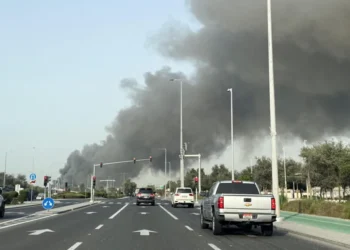
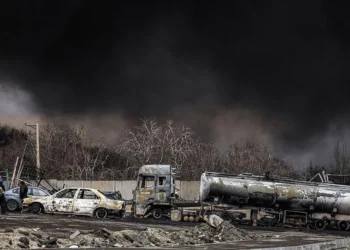
For him, the turning point came when airstrikes hit the Shahran oil depot in Tehran, sending thick black smoke across the capital. After rain fell later that day, residents reported a sticky layer of oily residue covering trees, buildings and cars across nearby districts.
“That’s when I started thinking maybe they never had a real plan,” Amir said. “If the goal is to weaken the regime, why destroy infrastructure ordinary people depend on? How will we rebuild the country if everything is turned into ruins?”
Others share similar concerns. A student in Karaj, a city west of Tehran that has experienced heavy bombardment, said many people initially expected foreign attacks to focus on military institutions such as the Islamic Revolutionary Guard Corps and the Basij militia.
“I wanted the regime gone,” the student said. “I even hoped that foreign pressure might help us. But now I don’t understand why our infrastructure is being targeted.”
Across the country, reports of damage to historic landmarks have also fuelled anger and anxiety. Among the sites affected during the fighting were Tehran’s Golestan Palace, a historic complex with roots dating back to the 14th century, and the Chehel Sotoon Palace, a 17th-century Safavid-era palace in the city of Isfahan.
For many Iranians, such places are not merely tourist attractions but symbols of national identity and cultural continuity stretching back centuries. The possibility that parts of this heritage might be permanently damaged has deepened the sense of loss.
“How will they rebuild something like that?” asked another student in Tehran. “These are priceless pieces of history. And what about the people who are dying? Are we supposed to believe the world doesn’t care about that either?”
Iran’s political landscape has long been shaped by cycles of protest and repression. The Islamic Republic was established after the 1979 revolution that toppled the monarchy, replacing it with a system dominated by clerical authority. Since then, dissent has repeatedly erupted despite tight media controls and harsh punishment for critics.
One of the largest protest movements emerged in 2009 during the so-called Green Movement, when millions demonstrated against disputed election results. The uprising was crushed by security forces in a violent crackdown.
More recently, the 2022 protests known as the “Woman, Life, Freedom” movement began after the death of Mahsa Amini in police custody following her arrest over alleged violations of Iran’s strict dress code for women. Demonstrations spread nationwide and were again met with force.
Economic hardship has also fuelled unrest. In late December last year, protests began with strikes in Tehran’s bazaars over the collapsing value of the national currency before expanding into broader anti-government rallies. Security forces responded with one of the deadliest crackdowns in years.
Despite the devastation of the current conflict, some activists still believe it might eventually lead to political change. An Iranian doctor who treated injured protesters during the latest demonstrations said he fears the war ending without meaningful reform.

“What worries us most is if the fighting stops now and the same people remain in power,” he said. “Then they will be stronger than ever after crushing both the protests and the war.”
Yet others say the human cost of the conflict is already reshaping attitudes. Reports of civilian casualties, including families and newborn children killed in strikes, have led some activists to question whether foreign military intervention can ever deliver the freedom they hoped for.
A protest organiser in Tehran described hearing accounts from residents across the capital after several waves of airstrikes struck multiple neighbourhoods in quick succession.
“For the first time, people here are talking about something that feels like carpet bombing,” the activist said. “Entire districts were hit one after another.”
For many citizens who once looked abroad for support, the feeling now is one of abandonment. Some say that instead of one government responsible for the suffering of Iranians, they now see three.
“We thought the world might stand with us,” the protester said quietly. “But right now it feels like everyone has turned their backs.”
Related News:
 ‘Anyone who runs is shot’: Russian soldiers describe killings of troops who refuse orders
 Iran Drones Hit Azerbaijan Airport as War Widens
 China Moves to Enshrine ‘Ethnic Unity’ Law
 Middle East crisis live: Supreme leader ‘safe’, Iran and Israel escalate conflict
 Britain Demands Israel Reverse Ban on Aid Groups
 Iran Leader Blames Protesters, Says They Serve Trump
 Emails Show Epstein Funded Mandelson’s Husband After Jail
 Thousands Protest ICE in New York Against Trump Deportation Campaign
 After the Landslide: Can India Reset Ties with BNP Bangladesh?
 China Strikes at Japan’s Core — Will PM Takaichi Back Down?
 The Martin Luther King Protégé Who Helped Reshape America
 Japan Braces as Takaichi Begins New Term with Huge Mandate for Low‑Tax, Ultra‑Conservative Agenda
 South Korea’s Ex-President Faces Death Penalty in Insurrection Trial
 Kim Jong Un Reappointed as Ruling Party Chief
 Ukraine Negotiator Reveals What It Feels Like Facing Russia
 The Taekwondo Teacher Tasked With Healing India’s Troubled State
 Mandelson Arrested Amid Political Turmoil as Ukraine Marks Four Years of Conflict
 Ukraine remembers its dead as war enters a fifth year
 Japan to Deploy Missiles on Island Near Taiwan by 2031
 Pakistan Strikes Afghanistan as PM Says Forces Ready to ‘Crush’ Taliban
 Nine Killed in Karachi Consulate Protest
 Israel and Hezbollah Exchange Fire as Conflict Worsens
 Iran’s Regime Still Intact — Coming Days Will Test Its Survival
 Allies of US in the Gulf Bear Brunt of Iran Attacks
 Hopes and Fears as US Iranians Take to Streets After Toppling of Supreme Leader
 Retaliations Continue on Day Two of US-Israel Attacks on Iran
 At Least 153 Dead After Reported Strike on School, Iran Says
 At Least 153 Dead After Reported Strike on School, Iran Says
 ‘It’s Eerie’ – Dubai on Edge as City Comes Under Attack
 Could Kim’s Teen Daughter Become North Korea’s Next Leader?
 BBC Reports from Beit Shemesh After Deadly Iranian Missile Strike
 Iran, the US, and a World Cup That Starts in Three Months
 Rap Star May Beat Ex‑PM — What This Says About Nepal’s Gen Z
 UK Will Allow US to Use Bases to Strike Iranian Missile Sites, PM Says
 Cooper: Joining US Strikes on Iran ‘Not in Britain’s Interest’
 Trump’s Iran Endgame Unclear After Mixed Messaging on War Aims
 Rubio Responds to Reported Strike on Iranian School
 Scots Caught Up in Middle East Crisis ‘Just Waiting for the Next Explosion’
 Why the US and Israel attacked Iran
 Israel Launches Fresh Strikes on Tehran & Beirut; US Warns “Hardest Hits” Ahead
 Three Days In, This War’s End Is Still Unclear
 US Has ‘Enough Weapons for Forever War,’ Trump Says
 Israel Strikes Lebanon After Hezbollah Rocket Fire as Iran Conflict Widens
 Israel’s New Airstrikes on Tehran & Beirut After US Embassy in Riyadh Is Hit
 Nepal Leaders Call on Voters to Ensure Success of ‘Historic’ Election
 Israel Launches Ground Invasion of Lebanon Amid Widening Middle East War
 Iranian Rockets Are Testing the Resolve of Dubai’s Instagram Stars
 US Embassy in Riyadh Hit by Iranian Drones as Israeli Troops Enter Southern Lebanon
 US Senate Backs Trump War Powers Amid Iran Missile Barrage
 Nepal Holds First General Election Since Gen Z Protests Toppled Government
 US Submarine Sinks Iranian Warship in Indian Ocean, Hegseth Says
 Iran Postpones Khamenei Funeral as US‑Israeli Bombardment Continues
 The Devastating Conflict Where Both Sides Have Reasons to Keep Fighting
 How Depleted Weapons Stockpiles Could Affect the Iran Conflict
 Nepal Election 2026: When Will We Get the Results?
 Sri Lanka Takes Control of Second Iranian Vessel a Day After US Sub Attack
 UK Prepares Aircraft Carrier for Middle East Crisis
 Nepal election 2026: Rapper Balendra Shah on track to be next PM as his party heads for landslide
 Australia Urged to Shield Iranian Team After Anthem Protest
 Nine Days of Strikes Reshape the Middle East
 Putin Orders Evacuation at Iran Nuclear Plant Amid ‘Catastrophe’ Fears
 Istanbul Mayor Faces Corruption Trial Amid Political Storm
 Gulf Oil Shock Sends Global Economic Ripples
 Video Analysis Suggests US Missile Hit Base Near Iran School
 Nepal Election 2026: Balendra Shah’s Party Nears Historic Supermajority
 Iranian Footballers Escape Team Hotel to Seek Asylum
 Iran Women Footballers Seek Asylum After Anthem Protest
 Ukraine War Becomes Flashpoint in Hungarian Election
 China’s Biggest Political Meeting Ends — Key Takeaways
 Point-Blank Gunshot Misses Indian Politician
 Trump’s Call for an Iran Uprising Draws Historical Warning Over Iraq 1991
 China Approves ‘Ethnic Unity’ Law Requiring Minorities to Learn Mandarin
 UK Must Act with Courage and Clarity on Israel-Palestine Conflict, Says Foreign Affairs Committee Report
 Yvette Cooper Signals Global Momentum Towards Gaza Peace Deal Amid Humanitarian Crisis
 Shadow Fleet at Sea: Europe’s Battle Against Illicit Oil Shipping
 Australian Families Leave Syrian Camp for Home
 ‘I Would Scream in My Sleep’: Alawite Women from Syria Tell of Kidnap and Rape
 American Citizen Killed in Cuba Boat Shooting, U.S. Officials Say
 In Maps: Strikes Across Iran and the Middle East
 Queensland Protest Laws Spark Free Speech Backlash