Published: 17 March 2026. The English Chronicle Desk. The English Chronicle Online.
The unfolding Iran war warning from Keir Starmer has set the tone for a critical diplomatic moment in Britain. As Volodymyr Zelenskyy arrives in the United Kingdom, the prime minister is urging global leaders not to lose sight of Europe’s ongoing conflict. His remarks come amid rising tensions following US-Israeli strikes on Iran, which have triggered wider geopolitical concerns across multiple regions.
The Iran war warning reflects growing fears that escalating conflict in the Middle East could inadvertently strengthen Vladimir Putin. According to Starmer, such developments risk diverting attention and resources away from Ukraine, ultimately creating strategic advantages for Moscow. This concern is shared across defence circles, where analysts warn that overlapping global crises often benefit opportunistic actors.
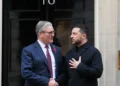
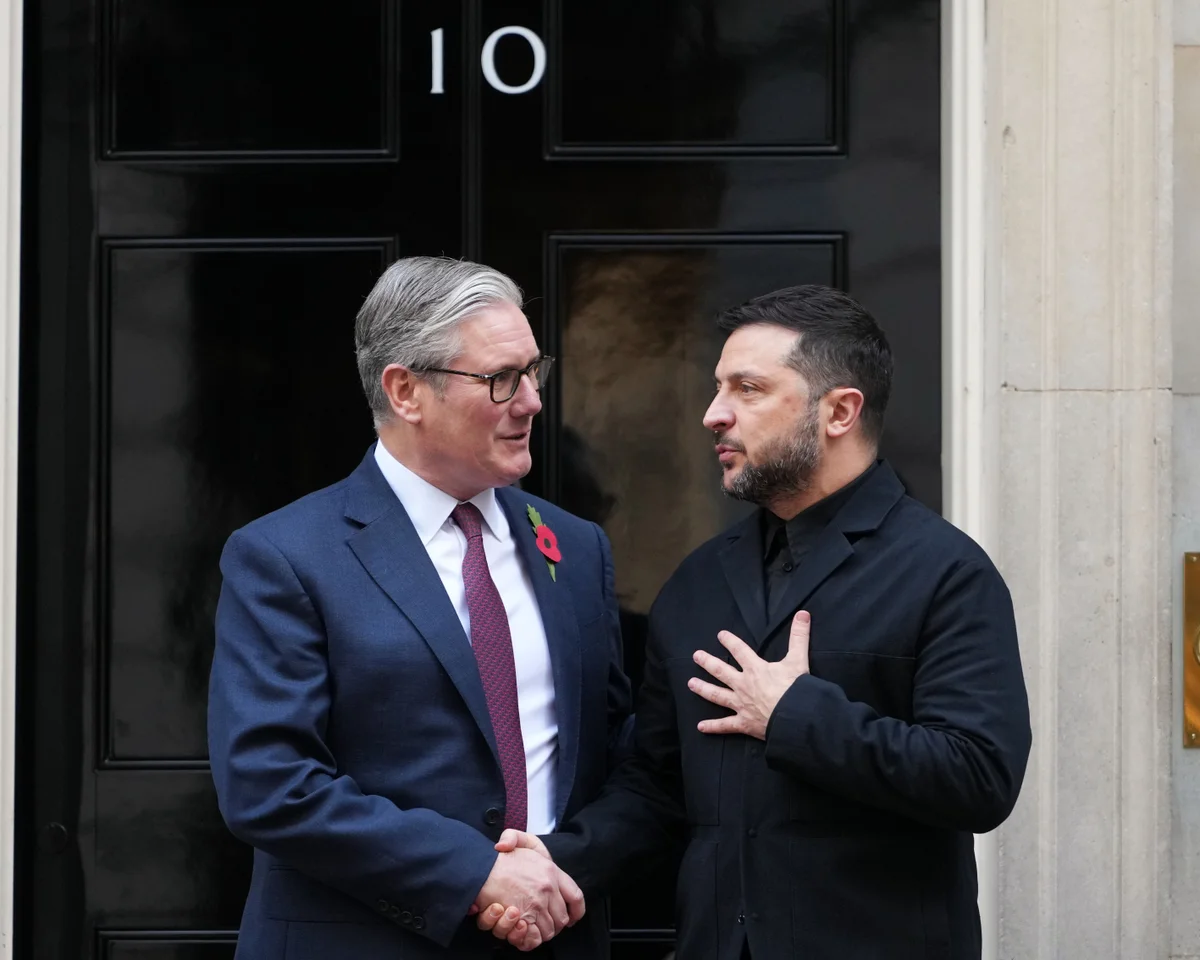
Zelenskyy’s visit to London carries symbolic and practical significance at this critical juncture. The Ukrainian leader is expected to hold high-level discussions with Starmer and senior ministers, focusing on sustained military support and long-term security commitments. The timing of the visit also coincides with mounting pressure on Russian financial interests linked to the war in Ukraine.

At the centre of this financial dispute is Roman Abramovich, whose sale of Chelsea FC remains unresolved in political terms. The £2.5 billion generated from the sale was intended to support victims of the Ukraine war. However, Abramovich has maintained that he retains control over how the funds are distributed, including potential allocations to Russian citizens affected by the conflict.
This stance has placed him on a collision course with the UK government, which insists the money must be directed towards Ukrainian humanitarian efforts. Officials have warned that failure to comply could lead to legal action, signalling a hardening stance on enforcement. As Zelenskyy arrives, the unresolved status of these funds is likely to feature prominently in diplomatic discussions.
The Iran war warning issued by Starmer underscores the broader strategic landscape now confronting Western governments. With conflicts unfolding simultaneously in Europe and the Middle East, policymakers are grappling with the challenge of maintaining focus without overstretching resources. Starmer has made it clear that Britain remains committed to Ukraine, despite the growing complexity of global security dynamics.
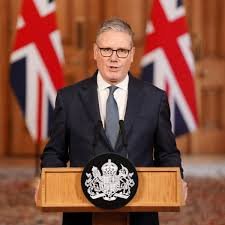
Speaking publicly, the prime minister stressed the importance of sustained support for Kyiv. He emphasised that the war in Ukraine must not be overshadowed by developments elsewhere, particularly those that could indirectly benefit Russia. This message aligns with broader concerns among NATO allies about maintaining unity and consistency in their response to Russian aggression.
Defence Secretary John Healey has reinforced this position, outlining continued military assistance to Ukraine. Recent deliveries include thousands of drones, artillery rounds, and ammunition, reflecting the UK’s ongoing commitment to strengthening Ukraine’s defensive capabilities. These supplies are seen as critical in countering Russian advances and maintaining operational resilience on the battlefield.
Healey has also drawn attention to what he describes as an “axis of aggression,” linking Russia’s actions in Ukraine with broader destabilising activities in other regions. This perspective suggests a level of coordination or shared strategy among states challenging Western interests. While such claims remain subject to debate, they highlight the interconnected nature of contemporary conflicts.
Economic factors further complicate the situation, particularly in relation to energy markets. Since the onset of hostilities involving Iran, Russia has reportedly generated billions in revenue from fossil fuel exports. Rising oil prices have provided a financial boost to Moscow, enabling continued funding for its military operations. This development reinforces Starmer’s Iran war warning, illustrating how geopolitical shifts can have unintended economic consequences.
The role of the United States has also come under scrutiny, particularly following decisions linked to sanctions enforcement. Donald Trump recently authorised a temporary waiver allowing certain countries to continue purchasing Russian oil without facing penalties. This move has sparked debate among allies, with some arguing that it undermines collective efforts to isolate Russia economically.
Zelenskyy has responded cautiously to these developments, while also addressing claims regarding Ukraine’s role in international defence cooperation. The Ukrainian president indicated that his country has, in fact, provided assistance in areas such as drone defence when requested. Although he declined to offer detailed specifics, his comments suggest a broader network of collaboration than previously acknowledged.
The Iran war warning gains additional weight when viewed through the lens of military technology and tactics. There are growing concerns that Russia may be influencing or supporting certain strategies employed in the Middle East. Reports of drone and missile attacks targeting Gulf states have prompted speculation about the transfer of expertise or resources. While definitive evidence remains limited, such claims contribute to an atmosphere of heightened suspicion.
For the UK government, balancing these complex dynamics requires careful coordination and clear messaging. Starmer’s approach has focused on reaffirming Britain’s commitment to Ukraine while acknowledging the broader implications of Middle Eastern instability. This dual focus is intended to reassure allies and deter adversaries, even as global tensions continue to evolve.

Zelenskyy’s presence in London provides an opportunity to reinforce these commitments at the highest level. His meetings are expected to address both immediate military needs and longer-term strategic partnerships. The Ukrainian leader has consistently emphasised the importance of sustained international support, particularly as the conflict enters a protracted phase.
Public opinion also plays a role in shaping policy responses, with governments mindful of maintaining domestic backing for overseas commitments. The Iran war warning serves as a reminder of the interconnected nature of global security, where events in one region can have far-reaching consequences elsewhere. Communicating this reality effectively is essential for sustaining political and public support.
Meanwhile, the unresolved issue of Abramovich’s funds continues to highlight the challenges of enforcing sanctions and ensuring accountability. Legal proceedings may become inevitable if an agreement cannot be reached, potentially setting a precedent for similar cases in the future. The outcome will be closely watched by both policymakers and financial institutions.
As events continue to unfold, the Iran war warning issued by Starmer is likely to remain a central theme in international discussions. It encapsulates the delicate balance between addressing immediate crises and maintaining focus on longer-term strategic objectives. For Ukraine, continued visibility and support are essential in preventing its struggle from being overshadowed.
Ultimately, the convergence of conflicts in Europe and the Middle East underscores the complexity of the current geopolitical environment. Leaders must navigate competing priorities while ensuring that critical issues do not fall through the cracks. The arrival of Zelenskyy in the UK serves as a timely reminder of the stakes involved and the importance of sustained international cooperation.
Related News:
 British Woman in Iran ‘Losing Hope’ Amid Ongoing Detention
 BBC Journalist Held and Interrogated in Vietnam
 The diet that can significantly ease symptoms of IBS
 Trump Speaks on Prince Andrew’s Royal Scandal Fallout
 Pregnant UK Teen to Be Freed from Georgian Jail
 Zohran Mamdani becomes New York City’s first Muslim mayor
 Top Christmas Books Reads: Classics to Cozy Romcoms
 UPS Cargo Plane Crash in Kentucky Kills Seven
 Just Stop Oil Protesters Convicted Amid Climate Defence Row
Zohran Mamdani names all-female transition team for NYC mayoralty
Just Stop Oil Protesters Convicted Amid Climate Defence Row
Zohran Mamdani names all-female transition team for NYC mayoralty
 Tension and Turmoil at Aston Villa v Maccabi Match
 British Grandmother to Return Home After Death Sentence in Bali
 Parents Urge Home Office to Reunite Daughter After Hurricane
 Lando Norris Dominates Brazil GP to Strengthen F1 Title Bid
 Second world war veterans honoured as King leads Remembrance Sunday
 BBC director-general and news chief resign amid bias row
 Palace May Restore Hyphen to Andrew Mountbatten-Windsor’s Name
 Ronaldo Confirms Final World Cup and Plans Retirement
 Rama Rebukes Mahmood for Targeting Albanian Families
 Russian Vessel Used Lasers on RAF Pilots, UK Claims
 Royal Navy Shadows Russian Warships Entering the Channel
 Ireland Boosts Ukraine Aid as Zelensky Visits Dublin
 UK and France Agree Troop Deployment Plan for Ukraine
 US Africa aid remarks spark anger after leaked State email
 Starmer China visit raises human rights pressure on Beijing
 UK and EU Signal Fresh Push for Defence Cooperation Talks
 UK New Car Discounts Near £6,000 as Prices Are Slashed
 Cory Bernardi joins One Nation for SA election
 Starmer Condemns ‘Depraved’ Russian Strikes on Ukraine
 Sydney Protest Pepper Spray Clash During Herzog Visit
 Mexico Challenges UK Asylum Decision
 Trump Warns Over Chagos Islands Deal
 NSW Mental Health Crisis: Escapes Spark Alarm
 Trump and Chagos Deal Rift Over Iran Strikes
 Andrew Mountbatten-Windsor Arrest After FBI Radar
 Farage Chagos Islands Row Sparks Fury
 Trump Tariffs Threat Spark UK and EU Alarm
 Mediterranean Storms: A New Era of Climate Tragedies
 UK Allows US Base Use Amid Iran Tensions
 Middle East evacuation plans for Britons
 Iranian Australian community divided after vigils
 Trump rebukes Starmer over Iran strikes
 Trump Rebukes Starmer Over Iran Strikes Row
 US Iran strikes strain special relationship
 Iran War Threatens Globalisation and UK Economy
 Gulf shipping crisis sparks food price fears
 UK Rescue Flight Delayed Amid Middle East War
 UK Rescue Flight Leaves Oman After Delay Amid Evacuation Effort
 UK Prepares Aircraft Carrier for Middle East Crisis
 Gordon Brown urges court for crimes against children
 Yvette Cooper: UK Must Follow Principles, Not US Pressure
 Kate Winslet to Narrate Film Highlighting King’s Environmental Mission
 Trump’s UK Ambassador Urges North Sea Drilling to Strengthen US Ties
 UK Bans Fake Numbers: Scammers Lose Their Trick
BBC to Apologise Over Edited Trump Speech Amid Backlash
UK Bans Fake Numbers: Scammers Lose Their Trick
BBC to Apologise Over Edited Trump Speech Amid Backlash
 Millionaires group urge Reeves to introduce wealth tax to ‘lift kids out of poverty’
 Reeves rejects £1bn plea for NHS redundancy payouts
 PM Condemns Leaks, Vows Loyalty to Ministers and Stability
 Greene Pushes Epstein Files Amid Trump Fallout
 Zelenskyy Signs Fighter Jet Deal Amid Russian Drone Attacks
 Shadow Fleet at Sea: Europe’s Battle Against Illicit Oil Shipping
 Inside the Helpline Protecting Missing Children in the UK
 PlayStation PS5 Deals Hit Lowest Prices Ahead of Black Friday
 US Suspends Afghan Immigration After White House Shooting
 Five-Year-Old Dies After Rare Tonsil Surgery Complication
 Starmer Says Labour’s Economic Plan Needs Years to Deliver
 ‘Extinct’ Antelope Returns to Sahara, Bringing Hope
 Children to Receive Home Vaccines as England Acts
 Cambridge College Faces Backlash Over Private School Recruitment
 Bereaved Fathers Gain New Paternity Leave Rights in UK
 Woman Jailed for Life After Killing E-Bike Rider in Tragic Mistaken Identity Case
 Sydney Shark Attack Surge Shocks Australia Beaches
 No Gas Boiler Ban as UK Warm Homes Plan Backs Heat Pumps
 Penny Wong silent on Australian crew in sub strike
 Thousands Protest Iran Strikes Outside US Embassy London
 UK Oil and Gas Supplies Reassured Amid Middle East Concerns
 Trump Pressures Congress Over Save America Act
 Goma Drone Attack Kills Three as Conflict Escalates
 Queensland Protest Laws Spark Free Speech Backlash
 Trump Nato threats expose Iran strategy vacuum