Published: 19 March 2026. The English Chronicle Desk. The English Chronicle Online.
Oil and gas prices spiked sharply after escalating attacks by Israel and Iran on gasfields raised concerns about prolonged global supply disruptions. Brent crude rose eight percent to $116 per barrel amid ongoing geopolitical tensions.
Since the start of US and Israeli military actions on 28 February, crude oil prices have surged nearly sixty percent. European gas prices also climbed significantly, with Dutch wholesale gas reaching €68 per megawatt hour, its highest since December 2022.

UK wholesale gas prices more than doubled since late February, pushing month-ahead contracts to 172p per therm. Households across Britain may face higher energy bills as traders react to Middle East instability.
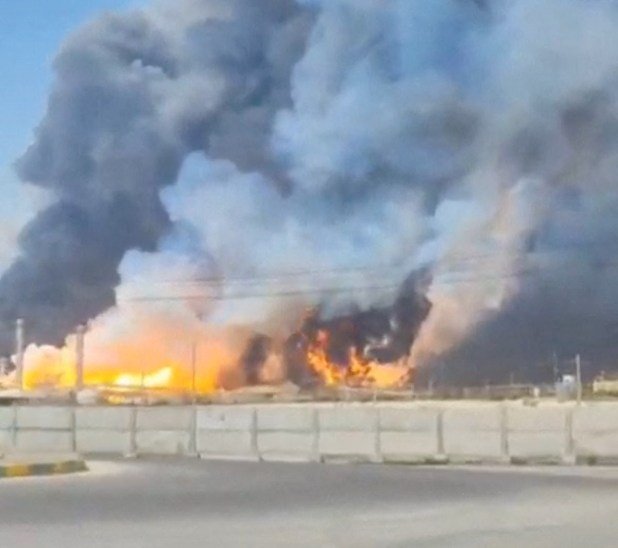
Iran intensified attacks on energy infrastructure, hitting Ras Laffan, Qatar’s world-largest LNG facility, following Israel’s strikes on South Pars gasfield. QatarEnergy reported extensive damage and sizeable fires at several LNG plants, which were later contained.
Shell confirmed that Iran’s attack affected its Pearl GTL gas-to-liquids facility. The fire was quickly extinguished, there were no injuries, and the facility is now in a safe state. Authorities in Abu Dhabi also halted operations at Habshan gas facility and Bab oilfield due to the conflict.
Stock markets reacted negatively to the spike in energy prices. Asia’s Nikkei fell 3.4%, South Korea’s Kospi dropped 2.7%, and Hong Kong’s Hang Seng slid 2%. European markets mirrored the decline, with the UK FTSE 100 down 1.7%, Germany’s Dax down 2.3%, and France’s CAC down 1.7%.
Former US President Donald Trump warned of “massive” consequences if Iran attacks Qatar again, highlighting the risk of further escalation. Analysts warn oil could surge to $150 per barrel if the conflict intensifies.

Susannah Streeter noted that energy shocks could have long-term repercussions worldwide. She highlighted Europe’s reliance on Qatari LNG as countries reduce dependence on Russian supplies. Rising prices are expected to impact tourism, businesses, and household budgets globally.
The ongoing conflict underscores the vulnerability of international energy supply chains and the interconnected risks posed by geopolitical instability. Investors, governments, and energy companies remain on high alert as attacks continue to affect key infrastructure.
Related News:
 Wealthy Britons Flee Gulf War but Avoid UK Taxes
 UK Wage Growth Slows as Jobs Market Holds Firm
 Reeves Faces Setback as Labour May Miss Homes Target
 UK Small Business Owner to Challenge L’Oréal in Tribunal
 Trump’s UK Ambassador Urges North Sea Drilling to Strengthen US Ties
 150-Year-Old Arctic Beer to Be Reborn in Scotland
 Court Hears Challenge Over Water Bills Funding Sewage Fixes
 ABF May Split Primark from Food Division Amid Tough Market
 Rachel Reeves Set to Break Labour Pledge and Raise Income Tax
 UPS Cargo Plane Crash in Kentucky Kills Seven
 M&S Profits More Than Halve After Cyber-Attack
 Tony Blair think tank warns Rachel Reeves must cut taxes if manifesto broken
 Oprah enjoys Meghan’s jam on English muffins
 MPs Press Rachel Reeves to Hike Gambling Taxes
 North Sea oil workers must lose weight or face job loss
 Warning as Britons prepare to spend £4 billion this Black Friday
 Millionaires group urge Reeves to introduce wealth tax to ‘lift kids out of poverty’
 Borough Market Clash Sparks Influencer Backlash
 UK toy market enjoys bumper year as ‘kidults’ fuel demand
 Reeves’s Tax U-Turn Triggers Fresh Jitters in UK Markets
 Global markets drop amid tech sell-off and China slowdown
 PM Highlights UK Business at G20 in South Africa
 Mossmorran Plant Closure Hits Cowdenbeath Hard
 UK Taskforce Unveils Plan to Streamline Nuclear Reactor Rules
 Steel billionaire Lakshmi Mittal reportedly leaves UK
 English Mayors Set to Introduce Tourist Taxes
 Starmer Says Labour’s Economic Plan Needs Years to Deliver
 Virgin Media Fined £23.8m Over Telecare Safety Failures
 Rising Water Bills Lift Troubled Thames Back to Profit
 Sainsbury’s CEO leads business honours in New Year list
 UK Car Sales Pass 2 Million as Chinese Brands Surge
 Starmer Faces Parliamentary Battles Over UK-EU ‘Reset’ Plan
 3,000 Jobs at Risk Without UK Helicopter Order
 China Dependence Threatens UK Energy Supply Chains and Jobs
 ScottishPower Tops List of Worst UK Energy Suppliers
MPs warn AI financial risks threaten UK stability
ScottishPower Tops List of Worst UK Energy Suppliers
MPs warn AI financial risks threaten UK stability
 MPs warn AI financial risks threaten UK stability
 City & Guilds pay surge sparks backlash amid £22m cuts
 UK Disposable Income Growth Transforms Eleven Towns and Cities
 AI job losses UK: Britain faces sharper employment shock
 Labour Must Revive High Streets to Avoid Election Collapse
 Households in England Face Rising Water Bills in April
 UK New Car Discounts Near £6,000 as Prices Are Slashed
 Study Finds One in Seven England Takeaways Are Dark Kitchens
 Riverford sales surge as UK organic market booms
 Barclays drops Global Counsel after Mandelson link scrutiny
 UK Experts Raise Alarm Over Machinery Export to Armenian Firm
 Elliott Takes LSEG Stake, Pressures Strategy Shift
 UK Housing Market Shows Early Recovery Signs
 UK economy struggles as growth stalls at 0.1% in late 2025
 Aberdeen Chosen for GB Energy HQ at Marischal Square
 Bank of England Urged to Cut Rates to Spur Growth
 Royal Mail Blames Poor Weather and Sickness for Delayed Deliveries
 UK Unemployment Rate Climbs to 5.2% Peak
 British Steel wins Turkey rail boost
 Reform Plans to Keep UK’s Budget Watchdog in Office
 Tories Call for Rethink of Parliament Revamp Plans
 UK Inflation Surprise Sparks Early Rate Cut Hopes
 Jenrick: I’ll Back OBR but There’ll Be No More Cosy Consensus
 Another U-turn Ahead as Labour Reconsiders Youth Minimum Wage
 UK Sees Record £30.4bn Budget Surplus, Boosting Reeves’ Position
 UK Job Vacancies Hit Five-Year Pandemic Low
 UK Youth Unemployment Surges Amid Tax Changes
 Ministers Urged to Ban Crypto Political Donations
 Strong Rebound for UK Housing Market Sees 6% More Homes
 Reeves Must Back Defence Plan or Face Dismissal, Says Unite Chief
 Doom Bar Closure Stuns Cornish Brewing Fans
 John Lewis Cancels £500m Build-to-Rent Project
 Energy Bills to Fall by £117 for Millions from April
 Switching Energy Deal Can Save £200 as Price Cap Falls
 OBR Reform Row Deepens Before Spring Forecast
 UK house prices rise as market steadies
 Grocery Inflation Rises Amid War Fears
 Tim Wilson Sells Out Controversial Share Market Bet
 Caffè Nero Warns Coffee Prices May Rise Again
 John Lewis bonus returns after four years as profits rise
 UK Pushes NHS and MoD to Buy British Tech
 UniCredit’s Bold Move to Reshape European Banking
 Farage Faces Backlash Over Crypto Cameo Endorsements
 UK Energy Reform Could Cut Bills by £200