Published: 22 March 2026. The English Chronicle Desk. The English Chronicle Online.
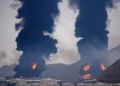
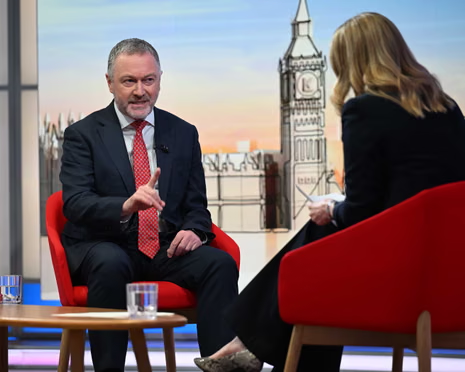
The British government has moved to calm public fears regarding Middle Eastern tensions today. Steve Reed addressed concerns about potential Iranian long range strikes against the United Kingdom mainland. The communities secretary spoke during a high profile television interview on Sunday morning broadcast. He clarified that current intelligence does not support claims of a direct domestic threat. This statement follows a series of dramatic events involving the UK-US base on Diego Garcia. Two missiles were launched toward the remote Indian Ocean territory by Iranian forces earlier this week. One of these weapons reportedly failed to reach the intended target during its flight path. A United States warship successfully intercepted the second missile before it could impact the island. This incident represents the most significant reach of Iranian military power seen in recent history. It marks a sharp escalation following previous military actions taken by the US and Israel. Despite this activity, Reed insisted that the British mainland remains outside of Iran’s reach.
Government officials are currently analyzing the strategic implications of these recent missile launches very carefully. Israeli leadership had previously issued warnings that European nations could soon face similar aerial threats. Reed was asked directly about these specific warnings during his appearance on the BBC. He noted that there is no specific assessment suggesting that Iran is targeting Britain. The minister also expressed doubt that they possess the technical ability to strike so far. When questioned on the Israeli perspective, he suggested that reporters should consult their own officials. The UK government remains firm in its desire to avoid being dragged into war. Ministers are prioritizing the safety of British nationals and interests through collective defensive measures. The official stance remains focused on de-escalation despite the rising temperature of global rhetoric. Reed emphasized that the military has the necessary capability to defend the country if needed. This reassurance aims to balance the narrative against more alarmist reports from international security partners.

The geographical reality of the Diego Garcia attack has sparked intense debate among military experts. The Chagos Islands archipelago sits more than two thousand miles away from the Iranian coast. This distance is substantial but significantly shorter than the flight path required to hit London. Reed confirmed that one missile was intercepted while the other fell short of its goal. He declined to provide specific details on how close the missile came to the base. This lack of detail is common in matters concerning sensitive military operations and national security. The minister reiterated that the UK will continue to monitor all regional developments with caution. Britain is committed to protecting its overseas assets without expanding its role in the conflict. There is a clear distinction between defending an island base and entering a full war. The government is attempting to walk a very fine line in the current climate. Public safety and international law remain at the heart of the current cabinet’s strategy.
The political backdrop of this situation is complicated by previous decisions regarding military base usage. Keir Starmer’s government notably refused US requests to use British airbases for initial Iranian strikes. This refusal occurred in late February due to significant concerns over potential international law breaches. Ministers were advised that such support could lead to serious legal and diplomatic repercussions. However, the policy has evolved slightly as the situation on the ground shifted more recently. The government now allows the use of bases for strikes targeting specific Iranian sites. These sites are those which directly threaten British allies or commercial interests in the region. This weekend, the scope of permitted military action was expanded to include missile launcher sites. These launchers have been identified as threats to commercial shipping within the busy Strait of Hormuz. This strategic shift demonstrates a willingness to act when global trade is at risk. It does not, however, signal a desire for a broad or unprovoked military campaign.
Reed spoke to Sky News about the delicate nature of seeking de-escalation during a crisis. He argued that defending assets does not contradict the goal of achieving long term peace. If Iran targets different British assets, the UK must respond to ensure their continued safety. This defensive posture is seen as a necessary part of a responsible foreign policy approach. The minister stayed focused on the idea that Britain will not be pulled into war. This phrase has become a recurring theme for the government as they face external pressure. Many international observers are watching how the UK balances its alliance with the United States. The relationship remains strong, but there are clear differences in how both nations approach Iran. Britain is keen to avoid any action that might make a peaceful resolution impossible. The emphasis remains on protecting people while avoiding the start of a much larger conflagration.

The conversation eventually turned to the recent statements made by the President of the United States. Donald Trump has issued a stern ultimatum to the leadership in Tehran regarding maritime access. He threatened the destruction of Iranian energy infrastructure if the Strait of Hormuz remains closed. This 48-hour deadline has caused significant concern among global energy markets and diplomatic circles alike. Reed was asked for his thoughts on this ultimatum but he chose to remain silent. He stated that the US president is perfectly capable of speaking for his own administration. The UK position is independent and focused on its own specific national security priorities. Reed refused to be drawn into a discussion about potential American military strikes or deadlines. This refusal highlights the distinct paths being taken by London and Washington at this time. The UK government wants to ensure its actions are measured and legally sound throughout.
As the situation evolves, the British public remains attentive to the words of their elected leaders. The assurance that Iran lacks the intent to bomb Britain is a significant political statement. It serves to lower the local temperature while acknowledging the chaos occurring in the Middle East. The military continues to operate at a high state of readiness across all global bases. Intelligence services are working around the clock to verify every new threat that may emerge. The government is also coordinating with European partners to maintain a unified front on security. While the rhetoric from other nations may be more aggressive, Britain is choosing a path of restraint. This strategy is designed to protect the economy and the lives of citizens at home. Every decision made by the cabinet is being weighed against the risk of wider escalation. The coming days will be crucial for determining if this defensive stance can hold firm. For now, the message from the heart of government is one of calm confidence.
Related News:
 British Woman in Iran ‘Losing Hope’ Amid Ongoing Detention
 BBC Journalist Held and Interrogated in Vietnam
 Zohran Mamdani becomes New York City’s first Muslim mayor
Zohran Mamdani names all-female transition team for NYC mayoralty
Zohran Mamdani becomes New York City’s first Muslim mayor
Zohran Mamdani names all-female transition team for NYC mayoralty
 Second world war veterans honoured as King leads Remembrance Sunday
 BBC director-general and news chief resign amid bias row
 Rama Rebukes Mahmood for Targeting Albanian Families
 Russian Vessel Used Lasers on RAF Pilots, UK Claims
 Ireland Boosts Ukraine Aid as Zelensky Visits Dublin
 US Africa aid remarks spark anger after leaked State email
 Starmer China visit raises human rights pressure on Beijing
 UK and EU Signal Fresh Push for Defence Cooperation Talks
 Cory Bernardi joins One Nation for SA election
 Starmer Condemns ‘Depraved’ Russian Strikes on Ukraine
 Trump Warns Over Chagos Islands Deal
 Trump and Chagos Deal Rift Over Iran Strikes
 Andrew Mountbatten-Windsor Arrest After FBI Radar
 Farage Chagos Islands Row Sparks Fury
 Trump Tariffs Threat Spark UK and EU Alarm
 UK Allows US Base Use Amid Iran Tensions
 Trump Rebukes Starmer Over Iran Strikes Row
 UK Prepares Aircraft Carrier for Middle East Crisis
 Gordon Brown urges court for crimes against children
 Yvette Cooper: UK Must Follow Principles, Not US Pressure
 UK Must Act with Courage and Clarity on Israel-Palestine Conflict, Says Foreign Affairs Committee Report
 Radioactive Leak at UK’s Nuclear Warhead Base Sparks Outcry Over Safety and Secrecy
 Mutual Inconvenience: Why Alaska Was Chosen for the Trump-Putin Summit on Ukraine
 Is the UK Ready to Put Boots on the Ground in Ukraine? Assessing Military Capacity and Challenges
 Public Trust in SNP Hits Historic Low Amid NHS Concerns
 Johnson Suggests Mandelson Linked to China Spy Controversy
 Trump’s UK Ambassador Urges North Sea Drilling to Strengthen US Ties
 French Taxi Driver Cleared in David Lammy Theft Case After Fare Dispute
BBC to Apologise Over Edited Trump Speech Amid Backlash
French Taxi Driver Cleared in David Lammy Theft Case After Fare Dispute
BBC to Apologise Over Edited Trump Speech Amid Backlash
 Britain deploys RAF specialists to assist Belgium with drone threats
 Palace May Restore Hyphen to Andrew Mountbatten-Windsor’s Name
 Millionaires group urge Reeves to introduce wealth tax to ‘lift kids out of poverty’
 Reeves rejects £1bn plea for NHS redundancy payouts
 PM Condemns Leaks, Vows Loyalty to Ministers and Stability
 Major Rent Reform Ends No-Fault Evictions in England
 Greene Pushes Epstein Files Amid Trump Fallout
 December Run-Off in Chile as Election Produces No Winner
 Canada Passes Carney’s First Budget in Tight Parliamentary Vote
 Shadow Fleet at Sea: Europe’s Battle Against Illicit Oil Shipping
 Royal Navy Shadows Russian Warships Entering the Channel
 Georgians Defy Government Crackdown After Year of Protests
 Starmer Says Labour’s Economic Plan Needs Years to Deliver
 Albanese Opens Door to Bondi Royal Commission Amid Rising Pressure
 EU weighs response amid Greenland tariff crisis with Trump
 UK Ministers Drop Foreign Student Targets for Global Education Push
 No Gas Boiler Ban as UK Warm Homes Plan Backs Heat Pumps
 Shinzo Abe’s killer receives life sentence in Japan
 EU Says US Ties Have Suffered ‘Big Blow’ After Greenland Crisis
 Police response times face strict new national limits
 Labour policing overhaul sparks fears over growing central control
 Starmer warns of toxic division politics in Reform challenge
 UK New Car Discounts Near £6,000 as Prices Are Slashed
 Israel Moves to Bar MSF From Gaza Operations
 Palantir contracts face UK halt calls over transparency
 Australian Families Leave Syrian Camp for Home
 Starmer Weighs Fast-Tracking Defence Boost
 Farage to Name Jenrick as Reform Chancellor Pick
 Civil Service Pay: Union Urges Ministers to End ‘Barking Mad’ Limits
 Antonia Romeo appointment sparks criticism
 Andrew Arrest Sparks Republic Debate in Australia
 Australian PM Says Former Prince Andrew Has Suffered ‘Extraordinary Fall’ but That Won’t Prompt Republic Referendum
 Reform UK targets workers’ rights repeal
 Russian Trade Routed Through British Islands Exposed
 Mandelson Arrest: Met Apologises to Hoyle
 Has Europe truly learned from the failures of 2022?
 Trump Faces Questions Over Iran Conflict Plan
 Herzog Asio meeting sparks security storm
 Trump rebukes Starmer over Iran strikes
 BBC Charter Reform Sparks Independence Battle
 Minister Meets Crews Who Will ‘Take Out’ Iranian Drones
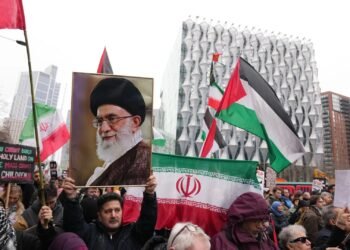 Thousands Protest Iran Strikes Outside US Embassy London
 UK Oil and Gas Supplies Reassured Amid Middle East Concerns
 Trump Pressures Congress Over Save America Act
 Iranian Football Squad Asylum Drama Shocks Australia
 Queensland Protest Laws Spark Free Speech Backlash
 Trump Nato threats expose Iran strategy vacuum