Published: March 27, 2026. The English Chronicle Desk. The English Chronicle Online — Independent, Insightful, Global.
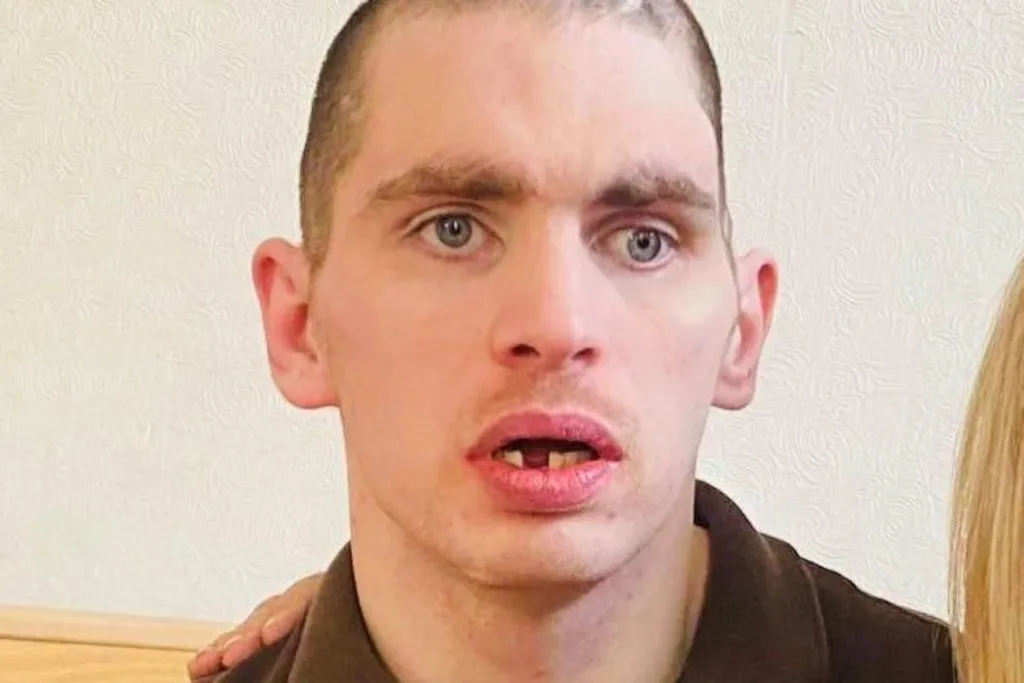
The plight of a brain-damaged Scotsman who has been “trapped” in a hospital ward for years has taken a dramatic turn as the facility at the heart of his care becomes the subject of multiple police investigations. The patient, whose identity has been protected for legal reasons, has remained in a high-dependency unit far longer than medically necessary, primarily due to a complete breakdown in the social care system and a lack of specialized community housing. However, what began as a story of bureaucratic “bed-blocking” has evolved into a much darker narrative involving allegations of systemic neglect and safety failures that have now drawn the attention of Police Scotland’s major investigation teams.

The individual, originally from a close-knit community in the Scottish Highlands, suffered a catastrophic brain injury several years ago that left him requiring 24-hour specialist care. Despite his family’s repeated pleas to have him moved to a facility closer to home, he has remained “stuck” in a central belt hospital that is now under intense scrutiny. The police probes are reportedly examining a series of “unexplained incidents” within the ward, including allegations of physical mishandling and a failure to provide the basic standards of dignity required for patients with complex neurological needs. For the family, the knowledge that their loved one is confined to a facility currently under criminal investigation has added a layer of “unbearable torture” to an already agonizing situation.
The investigation, which sources suggest involves at least three separate inquiries into different departments within the hospital, has raised serious questions about the oversight of long-term care for vulnerable adults in Scotland. Legal advocates for the family argue that the patient is effectively a prisoner of a failing system, unable to advocate for himself and isolated from the protective presence of his kin due to the distance. They have described the situation as a “perfect storm” of health board negligence and a national shortage of neuro-rehabilitation spaces, which has forced many brain-damaged individuals into inappropriate and potentially unsafe hospital settings for indefinite periods.
Testimonies from whistleblowers within the hospital have painted a harrowing picture of a ward under extreme pressure, where staff shortages and a lack of specialized training have created a “volatile” environment. These insiders claim that the patient in question has been a victim of this deteriorating culture, with his specific needs often ignored or met with “robotic” and sometimes “aggressive” responses. Police Scotland has confirmed that they are working closely with the Crown Office and Procurator Fiscal Service to determine whether the treatment of patients at the facility meets the threshold for criminal negligence or a breach of the Health and Safety at Work Act.
The Scottish Government has faced mounting pressure to intervene, with opposition MSPs labeling the case a “national scandal.” Critics argue that the government’s failure to deliver on promises of improved social care infrastructure has left hundreds of families in similar positions, though few cases are as extreme as that of the “stuck” Scot. The Health Secretary issued a statement acknowledging the “deeply concerning” nature of the police probes but maintained that it would be inappropriate to comment further while active investigations are ongoing. This stance has done little to soothe the anxieties of the victim’s family, who feel that the state is “hiding behind protocol” while their son’s health continues to decline in a hostile environment.
Amidst the legal and political turmoil, the human element of the story remains the most poignant. The patient’s mother described the experience of visiting her son as “walking into a crime scene every week,” noting that the once-gentle man now reacts with visible terror to certain members of the hospital staff. She has called for an immediate transfer to a neutral facility while the police complete their work, a request that has so far been caught in a web of inter-departmental red tape. The family believes that the hospital is reluctant to release the patient because his testimony—or the physical evidence of his condition—could be central to the ongoing investigations.

As the probes continue, the case has become a lightning rod for a broader debate on the rights of the disabled in the Scottish healthcare system. Human rights groups have warned that the prolonged “detention” of brain-damaged individuals in acute hospital settings constitutes a violation of their right to a private and family life. They are calling for an independent “patient’s champion” with the power to override health board decisions in cases of long-term hospital entrapment. For the “stuck” Scot and his family, however, the primary focus is much simpler: a safe exit from a facility that has become a place of fear rather than a place of healing.
Related News:
 Mum Blinded After Tumour Linked to Contraceptive Jab
 Inquest Finds Agency Worker Failings Led to Unlawful Death of Vulnerable 14-Year-Old
 NHS trust fined after woman takes life in mental health unit
 Reeves Rejects £1bn NHS Payout Plea from Streeting
 Study Finds One in Seven England Takeaways Are Dark Kitchens
 EXCLUSIVE: Shamed Andrew’s New Humiliation as King Lays Down New Rule After Royal Lodge Boot
 Bailiffs Used to Pursue NHS Staff Over Pay Errors
 Stop Releasing Phone Thieves Who Reoffend, Met Police Chief Urges Courts
 Motorists Could Face ‘Mandatory’ Driving Ban for Road Offences Under Tougher Laws
 Disability and LGBT Hate Crimes Set to Become Aggravated Offences
 Illegal Skin Lightening Cream Being Sold in UK Butchers, Watchdog Warns
 Last‑ditch Call to Save Police Front Counters in London
 Adoption Breakdown Ended My Career and Relationship – ‘We’re Told to Get On With It’
 ‘We’ve Been Left Homeless After Our Builder Went Bust’
 Mind Launches Inquiry into AI and Mental Health After Guardian Investigation
 Mystery GP on Train Saves Passenger’s Life
 Sadistic Pair Jailed for Blowing Up Sheep
 Parents of Gravely Ill Child Refused Respite Care
 Grave of Murdered Toddler James Bulger Vandalised
 Outsiders Disrupted Search for Missing Teen Noah Donohoe
 ‘I Almost Died After a Touch‑and‑Go C‑Section’
 Water Cremation Introduced in UK First
 GPs Losing a Day of Appointments to No‑Shows Each Month
 Police Brothel Raids Target Organisers, Not Sex Workers
 Allergy Training to Become Compulsory in Schools in England
 Scots Firefighter Cycles 800 Miles for MND Charity
 Woman, 29, ‘Chucked’ Into Care Home 100 Miles Away
 Family of Girl Groomed by Ian Huntley Beg Medics to Save His Life
 Sarah Everard’s Killer Wayne Couzens ‘Petrified’ After Ian Huntley Prison Attack
 Flats for the blind could be sold to developer
 ‘We may be homeless before eviction law comes in’
 Undercover officer deceived women with ‘grotesque and cruel’ lies, spycops inquiry told
 Gran Vows to Shield Huntley’s Daughter From Soham Killer’s Funeral
 Burglar’s Bizarre Excuse After Bedroom Break-In
 Pregnant Woman Faces Motherhood Without Late Mum
 Father Dies by Suicide Weeks After Wedding in Clitheroe
 SNP Health Secretary Criticised Over NHS Failures Locally
 Scotland Combines Alcohol and Drug Strategy to Cut Addiction Deaths
 Dad Delivers Baby After Midwife Flees During High‑Risk Labour in UK
 King Charles Strips MBE and OBE Titles from Nine People Including Stuart Hogg
 Mum Forces Killer Son Back to Crash Scene After He Mows Down Pensioner
 Mum-of-Three Blackmailed Men After Sending Nude Photos
 Mother of Child Cancer Survivor Fears UK Visa Changes
 Schnauzer Travels 140 Miles for Life-Saving Spinal Surgery
 Blind Woman Forced to Move Out After Leak Causes Ceiling to Cave In
 Rapist Caught After Victim Calls Police Mid-Attack

 Brutal Attack on Officer Leads to Five-Year Sentence
 Disabled Girl ‘Felt Like Alien’ in Shoe Row
 Edinburgh Mother Learns Husband Was Secret Sperm Donor
 Hazardous Material Found in Scots Home Raid
 Families Tortured by Authorities During Investigations Inquiry Told
 Mother’s Heartbreak as Son Traumatised by Friend’s Sexual Abuse
 The Ketamine Crisis in the UK is a Silent Epidemic Leaving Users with Lifelong Pain
 Targeted Attack in Bury Sparks Murder Investigation as Community Awaits Justice
 Merseyside Police Helicopter Crew Cleared After Low-Altitude Pursuit of Suspect
 Tanni Grey-Thompson Faces Abuse Over Opposition to Assisted Dying Bill
 Systemic Racism in Maternity Care Continues to Endanger Black Women in England, MPs Warn
 One in Three GPs in England Do Not Work in NHS, Raising Concerns Over Access to Care
 No Evidence Found to Substantiate Alleged Rape in Oxfordshire Churchyard, Police Confirm
 M&S and Morrisons Lead Christmas Supermarket Taste Test
 Reeves rejects £1bn plea for NHS redundancy payouts
 Five-Year-Old Dies After Rare Tonsil Surgery Complication
 Children to Receive Home Vaccines as England Acts
 Celebrity Campaign Highlights SMA Screening Failures
 Woman Jailed for Life After Killing E-Bike Rider in Tragic Mistaken Identity Case
 Pneumonia Surge Pushes England Emergency Cases Higher
 Labour Utterly Humiliated by Straight-Talking Mum Who Cut Through Keir Starmer’s Insanity
 Renters Furious as Decent Homes Standard Delayed Until 2035
 Snow and Rain Warnings as Cold Snap Continues in the UK
 Civil Service Pay: Union Urges Ministers to End ‘Barking Mad’ Limits
 Epstein Eyed Record Label Investment to Access Women, Files Suggest
 Fly-Tippers to Be Hunted by ‘Drone Squad’ in Crackdown from the Sky
 Half of Britons Avoid GP When Ill, Survey Reveals Growing Concern
 Rape Accused Had Fight With Man in Alley, Court Told
 Suspects in Lisa Dorrian Case Released on Bail
 ‘It’s Joy in a Pot’: Why Houseplants Could Make You Happier
 Driver Jailed Over Fatal Water Treatment Tank Crash
 Calls Grow to Remove Billboard Following Lyra McKee Graffiti
 Charity Watchdog Takes Control of Learning Disability Care Home