Published: 30 March 2026. The English Chronicle Desk. The English Chronicle Online.
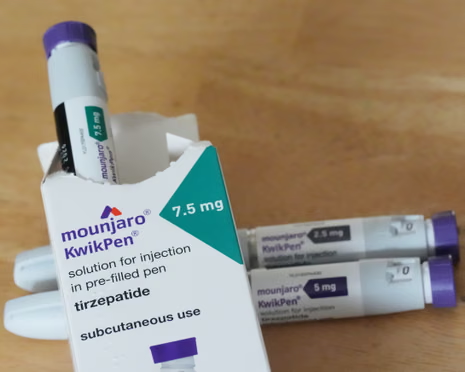
The pharmaceutical landscape in the United Kingdom currently stands at a very significant crossroads today. Eli Lilly is the major American drug manufacturer responsible for the popular weight-loss medication Mounjaro. This global pharmaceutical giant has recently issued a bold proposal to the British government ministers. The company suggests that it will resume its substantial investment plans within the United Kingdom. However, this commitment depends entirely on the government agreeing to increase the prices for medicines. Patrik Jonsson is the president of the international business division at the firm Eli Lilly. He recently shared these insights during a detailed interview with the prestigious Financial Times newspaper. Jonsson expressed a strong sense of optimism regarding the ongoing discussions with UK government officials. He believes a comprehensive agreement could be reached as early as this coming summer season. The proposed deal focuses on several key changes to the current British healthcare pricing model. Eli Lilly wants the government to implement regular increases in the prices paid by the NHS. They also seek the total removal of a controversial rebate scheme currently in effect today.
The company had previously paused almost twenty-five billion pounds in planned investments across the country. One major project affected was a laboratory site located in the heart of central London. This pause was a reaction to the pricing environment within the National Health Service recently. Jonsson stated that the resumption of these projects depends on a well-defined government action plan. He believes that medicine prices in Britain have remained far too low for many years. The executive argued that current thresholds do not reflect the true value of modern medical innovation. He suggested that the price standards should not remain unchanged for another three long decades. The pharmaceutical industry in the United States is currently increasing its pressure on British leaders. This pressure follows a recent decision by Prime Minister Keir Starmer to raise price thresholds. This was the first increase in the cost-effectiveness limits in twenty-seven years for the NHS. The price the NHS pays for life-extending drugs has risen by five thousand pounds annually. This change aims to provide patients with faster access to various innovative and new treatments.

Eli Lilly is also proposing very creative ways to calculate the cost of their drugs. One idea involves linking the price of weight-loss medication to specific economic outcomes for patients. The company wants to measure if these treatments help people return to their daily jobs. This approach could potentially reduce the high levels of sickness-related absenteeism throughout the United Kingdom. Current data suggests that many eligible workers remain at home due to long-term health issues. Jonsson believes that helping these individuals return to work provides a massive benefit for employers. He argues that this creates a real opportunity to discuss entirely new pricing models together. These models would focus on the actual results achieved by the patients using the medication. The company is also preparing to launch a pill version of Mounjaro later this year. This new product could potentially change how obesity is managed across the entire healthcare system. The NHS has previously rationed access to the injectable version of this specific medication. Eli Lilly is eager to explore more flexible agreements to ensure wider patient access soon.
The existing rebate scheme has been a major point of contention for drug manufacturers globally. This system requires companies to pay back revenue if NHS spending exceeds an agreed limit. These payments are expected to fall during the course of the current year of 2026. However, Jonsson believes that these rebate payments should eventually reach a total of zero. This would represent a fundamental shift in how the British government manages its pharmaceutical budget. Campaigners have warned that these changes could cost the NHS billions of pounds every year. Some estimates suggest that the annual cost could eventually reach nine billion pounds by 2035. This financial burden would fall directly on the budget of the National Health Service itself. The Treasury would not be responsible for covering these additional costs for the health service. The United Kingdom previously agreed to pay more for new medicines by the year 2035. This agreement was part of a larger trade and pricing deal with the United States. It followed significant pressure from former American leaders regarding the international pricing of various drugs.
The Department of Health and Social Care has responded to these recent industry developments. A spokesperson stated that every citizen deserves access to the very best medical treatments available. The government remains fully committed to delivering the pharmaceutical agreement made with the United States. They believe that changes to pricing will ensure patients gain faster access to vital medicine. These updates to the cost-effectiveness thresholds are seen as a necessary step for progress. The government wants to balance the needs of patients with the demands of industry. This balance is crucial for maintaining the reputation of the UK as a life-sciences hub. Ministers are working hard to ensure that the healthcare system remains sustainable for everyone. The outcome of these summer talks will likely shape the future of British medicine. Many people are watching closely to see how the government handles this corporate pressure. The relationship between big pharma and the state is entering a very complex phase. Public health advocates are concerned about the long-term impact on the national healthcare budget. They worry that higher prices might lead to the rationing of other essential medical services.
The pharmaceutical industry argues that high research costs justify these requested increases in drug prices. They claim that the UK must remain competitive to attract global scientific talent and capital. Without these investments, the country could lose its position as a leader in medical research. Eli Lilly is clearly using its investment power as a lever in these negotiations. The company wants a clear timeline for when these pricing interventions will take place. Jonsson emphasized that the current system does not accurately value the benefits of health. He believes that a healthy workforce is the backbone of a strong national economy. By treating obesity, the company claims it is helping to solve a national crisis. This perspective shifts the conversation from healthcare costs to a broader economic investment strategy. Whether the government accepts this logic remains a significant question for the coming months. The summer deadline provides a sense of urgency for both the ministers and manufacturers.

Critics of the proposal argue that the NHS is already facing extreme financial pressure. They suggest that paying more for drugs will take money away from frontline staffing. There is a delicate tension between funding new pills and maintaining basic hospital services. The debate highlights the global struggle over the high cost of specialized medical treatments. Many countries are facing similar demands from large pharmaceutical companies for higher drug prices. The UK model has traditionally been praised for its rigorous and fair evaluation processes. Changing these rules could have lasting effects on how all medicines are bought locally. The rise of weight-loss drugs has created a unique challenge for the health service. The potential demand for these treatments is incredibly high among the general British public. This high demand makes the pricing of each individual dose a very sensitive issue. If the government agrees to the demands, other drug companies might follow suit soon. This could lead to a wave of price increases across many different medical categories.
The next few months will be a defining period for the British pharmaceutical industry. The government must decide if the promised investments are worth the increased healthcare costs. Public opinion on this matter is likely to be divided across the whole country. Some will welcome the arrival of new jobs and advanced medical research facilities. Others will fear the rising costs and the influence of large American corporations. The English Chronicle will continue to monitor these important developments as they unfold daily. The intersection of private profit and public health remains a deeply contentious social topic. Everyone involved acknowledges that the stakes for the National Health Service are very high. The goal is to find a path that benefits both patients and taxpayers. Achieving this balance will require careful negotiation and a clear vision for the future. The world is watching to see how the UK navigates this difficult situation. Innovative pricing might be the key to unlocking a new era of medical care. However, the price of that innovation must be one the country can afford.
Related News:
 NHS Takes Over Nuffield Hospital in ‘Windfall’ for London Care
 North Sea oil workers must lose weight or face job loss
 AstraZeneca China Investment Signals Strategic Shift Abroad
 Study Finds One in Seven England Takeaways Are Dark Kitchens
 Charity Watchdog Takes Control of Learning Disability Care Home
 Reeves Faces Setback as Labour May Miss Homes Target
 Hospice Cuts Raise Alarm Across England Amid Funding Crisis
 Virgin Trains Moves Closer to Challenging Eurostar Monopoly
 Trump’s UK Ambassador Urges North Sea Drilling to Strengthen US Ties
 Ryanair Chief UK Economy ‘Doomed’ Under Labour
 M&S Profits More Than Halve After Cyber-Attack
 Tony Blair think tank warns Rachel Reeves must cut taxes if manifesto broken
 Patients to Test Health at Home to Ease NHS Winter Pressure
 Earl of Yarmouth Faces £1.3m Legal Bill Over Family Estate
 Millionaires group urge Reeves to introduce wealth tax to ‘lift kids out of poverty’
 From Lego to Pokémon: How Adults Are Driving UK Toy Market Growth
 Shouting Works Best to Deter Gulls, UK Study Finds
 Reeves rejects £1bn plea for NHS redundancy payouts
 New laws to bolster UK’s defences against cyber attacks on NHS, transport and energy
 Skims Eyes Global Expansion After Reaching $5 Billion Value
 Senator John Fetterman Hospitalized After Fall from Heart Flare-Up, Keeps Sense of Humor
 New AI tool could cut wasted efforts in organ transplants
 Global markets drop amid tech sell-off and China slowdown
 Stroke Patient Mistaken for Drunk, Care Delayed
 Canada Passes Carney’s First Budget in Tight Parliamentary Vote
 ‘Traumatic Wait’: Northern Ireland Women Face Breast Cancer Delays
 Healthy Habits in Your 30s That Boost Life in Your 70s
 Scottish Families Take Legal Action Over School CO Leak
 Coffins Now Too Large to Cremate Amid Rising Obesity Crisis
 Vicki Fears Losing Motability Car
 Five-Year-Old Dies After Rare Tonsil Surgery Complication
 Fibromyalgia Patients Struggle as NHS Fails to Provide Care
 Starmer Says Labour’s Economic Plan Needs Years to Deliver
 Virgin Media Fined £23.8m Over Telecare Safety Failures
 More Patients Now Contacting GPs Online, Data Shows
 Rising Water Bills Lift Troubled Thames Back to Profit
 Kenya Signs $2.5bn Health Deal with US Amid Data Concerns
 Damien Martyn in Induced Coma After Meningitis Diagnosis
 Children to Receive Home Vaccines as England Acts
 Childhood Hypertension Sparks Urgent UK Testing Calls
 FTSE 100 Hits 10,000: UK Market Celebrates Record Year
 UK House Prices Fall Sharply at Year-End, Nationwide Reports
 NHS Violence Crisis: Staff Face Daily Assaults
 Wessex Water chiefs receive £50,000 extra despite government bonus ban
 Celebrity Campaign Highlights SMA Screening Failures
 Canada-China trade gains momentum in new strategic partnership
MPs warn AI financial risks threaten UK stability
Canada-China trade gains momentum in new strategic partnership
MPs warn AI financial risks threaten UK stability
 UK Glaucoma Rise Signals Looming Eye Health Crisis by 2060
 Reform UK Health Plan ‘Would Cost £1.7bn’, Streeting Says
 US Dollar Hits Four-Year Low Amid Market Turmoil
 Amazon mistakenly signals new global layoffs to employees
 Households in England Face Rising Water Bills in April
 AI breast screening cuts later cancer diagnoses by 12%, study finds
 UK New Car Discounts Near £6,000 as Prices Are Slashed
 Pneumonia Surge Pushes England Emergency Cases Higher
 Most Statin Side-Effects Are Not Caused by Drugs, Study Confirms
 Headline: Measles Alert: Dr Oz Urges Americans to Vaccinate
 Telstra AI jobs cuts as automation drive expands
 BT Names New Openreach Chief Amid Major Fibre Expansion
 UK MPs Demand Ban on Brazilian Butt Lifts
 Glencore Approves $2bn Payout Despite Profit Slump
 Trans Youth Care Crisis: NY Hospital Ends Gender‑Affirming Treatment
 UK Job Vacancies Hit Five-Year Pandemic Low
 UK Youth Unemployment Surges Amid Tax Changes
 Half of Britons Avoid GP When Ill, Survey Reveals Growing Concern
 Strong Rebound for UK Housing Market Sees 6% More Homes
 Reeves Must Back Defence Plan or Face Dismissal, Says Unite Chief
 Christina Applegate shares the harsh reality of her daily life
 Drop in Overseas Workers Sparks ‘Car Crash’ for UK Hospitals
 Switching Energy Deal Can Save £200 as Price Cap Falls
 UK house prices rise as market steadies
 Oil Prices Surge Above $100 Amid Iran War
 ‘We can’t go back’: mother of six-year-old cancer survivor fears UK visa changes
 Abramovich Chelsea Sale Cash Faces Jersey Probe
 Palantir NHS Contract Sparks Fears Over Data Power
 Social Media Giant Trial Reaches Final Jury Decision
 UK Patients Face Long Journeys as Pharmacies Cut Hours
 UniCredit’s Bold Move to Reshape European Banking
 UK Wage Growth Slows as Jobs Market Holds Firm
 NHS Satisfaction Rises for First Time Since 2019