Published: March 30, 2026. The English Chronicle Desk.
The English Chronicle Online—Providing trusted news and professional analysis for the UK and International Sport.
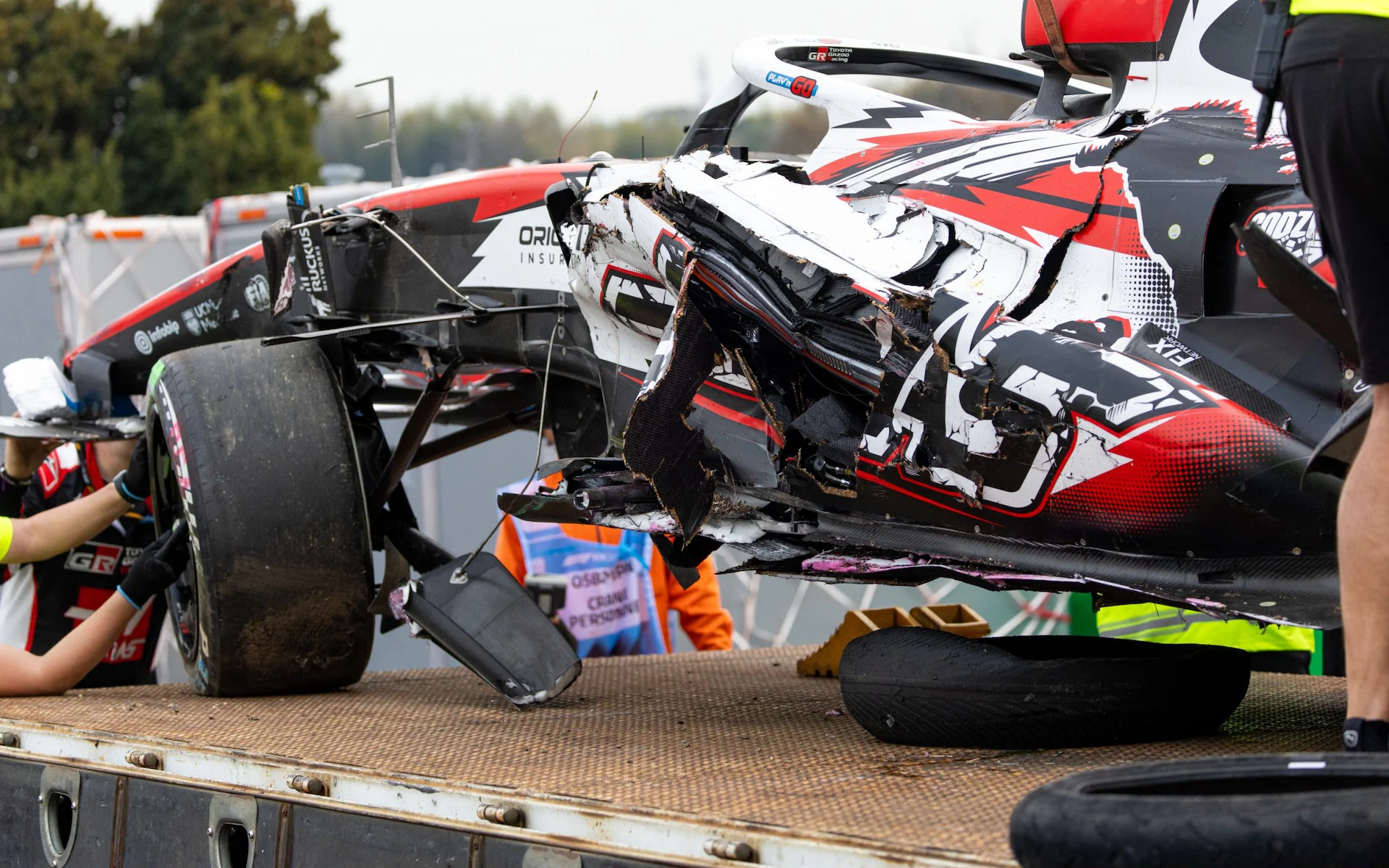
Formula 1 is facing its gravest safety crisis in a generation following a “miracle” escape for Haas rookie Oliver Bearman at the Japanese Grand Prix yesterday. The 20-year-old Briton was involved in a terrifying 50G impact at Suzuka after his car suffered a massive “energy derating” while battling for position, causing a catastrophic speed differential that left him a passenger in a high-speed collision. The accident has ignited a firestorm in the paddock, with senior drivers warning that the sport is “playing Russian roulette” with the new 2026 technical regulations. Carlos Sainz, a director of the Grand Prix Drivers’ Association (GPDA), issued a chilling ultimatum following the race: “We told the FIA this would happen. If these rules don’t change before we hit the walls in Baku or Vegas, someone is going to get killed.“

The core of the danger lies in the “50/50” power split mandated for the 2026 engines. By relying so heavily on electrical deployment, the cars have become prone to “clipping”—a phenomenon where the battery suddenly runs dry at the end of a straight, causing the car to effectively hit a “digital wall” while those behind are still accelerating at full throttle. In Bearman’s case, the speed delta was estimated at 45kph (28mph) at the moment of the incident. “It’s dodgeball on wheels,” one veteran engineer remarked. “When a car ahead ‘derates’ unexpectedly, the driver behind has less than half a second to react. At 200mph, that’s not racing; it’s a recipe for a multi-car pile-up.“
Compounding the energy crisis is the controversial introduction of “Active Aerodynamics.” To compensate for the lack of raw engine power, 2026 cars feature moveable front and rear wings that switch between “High Downforce” (Corner Mode) and “Low Drag” (Straight Mode). While designed to improve efficiency, drivers like Oscar Piastri have branded the system a “disaster in waiting.” The transition between these modes can be unpredictable, particularly in the “dirty air” of a pack. If the active aero fails or triggers inconsistently during a high-speed slipstream, the loss of grip is instantaneous. “We are driving cars that change their fundamental physics every few seconds,” Piastri warned. “One glitch in the software and you’re headed for the scenery.“

The FIA has confirmed it will launch an “urgent review” into the energy deployment algorithms before the Miami Grand Prix in May, but many believe the fix requires a fundamental rethink of the 2026 formula. With oil prices at $116 and the sport pushing a “green” agenda via 100% sustainable fuels, the political pressure to maintain the hybrid split is immense. However, the GPDA is reportedly preparing a formal list of demands, including a “safety buffer” for battery harvesting and a simplification of the active aero triggers. As the teams pack up for the next round, the mood in the paddock is somber. For decades, F1 has prided itself on being at the pinnacle of safety; in 2026, many fear that in the pursuit of sustainability, the sport has accidentally engineered a return to its most lethal era.
Related News:
 Predicted Leicester Line-ups Reflect Cifuentes’ Tactical Plans Ahead of New Season
 Central London Gears Up for Lionesses’ Victory Parade as Thousands Prepare to Celebrate Historic Women’s Euros Win
 London Set to Honour Euro 2025 Champions as Lionesses Take Victory Parade Through the Capital
 How to Exit Your Broadband Contract Without Paying Exit Fees
 Rangers Boss Russell Martin Launches Blistering Critique After Disappointing Draw with Motherwell
 Unseen Killers of the Deep Inside the UK Lab Uncovering the Silent Deaths of Sea Creatures
 Ngumoha Shines Bright as Liverpool’s Future Looks Fiercely Promising
 AI Tools Used by English Councils Found to Downplay Women’s Health Issues, Raising Concerns Over Gender Bias in Care
 Minute’s Silence for Diogo Jota Abruptly Ended After Wembley Tribute Disrupted
 Premier League Supercomputer Predicts Tough Season for Man Utd Amid Three-Team Title Battle
 Aston Villa Under Pressure as Newcastle Take on Hosts in Premier League Opener
 FIFA Eyes Biennial Club World Cup from 2029, Plans Possible Expansion
 European Football: Atlético Madrid Stumble at Espanyol as Vitinha Secures PSG Win
 Shocking Rise in Children’s Exposure to Violent Online Pornography Raises Alarm
 Grimsby Stun Manchester United in Dramatic Penalty Shootout
 Guardiola Admits City ‘Forgot to Play’ After Shock Defeat to Brighton
 Fábio Carvalho’s Last-Minute Heroics Deny Chelsea Victory at Brentford
 Jaguar Land Rover Extends Production Halt Following Cyber-Attack
 Persistent Offenders Owe Over £700m in Ulez Fines as TfL Cracks Down on Evasion
 British AI Startup Outshines Human Forecasters in Global Prediction Contest
Liverpool Vs outhampton Set for Carabao Cup Clash at Anfield
British AI Startup Outshines Human Forecasters in Global Prediction Contest
Liverpool Vs outhampton Set for Carabao Cup Clash at Anfield
 Chelsea Survive Lincoln City Scare to Advance in Carabao Cup
 UK Fighter Jet Purchase Could Breach Nuclear Treaty, Warns CND
 Arsenal VS Newcastle Hearts with Dramatic Late Turnaround at St James’ Park
 Aston Villa Fight Back to End Winless Run with Convincing Victory over Fulham
 Everton Held by West Ham as Bowen Cancels Out Keane’s Header in Nuno’s First Game
 Monaco Hold Man City to Dramatic 2-2 Draw as Eric Dier Converts Late Penalty
 Postecoglou Stands Firm Amid Mounting Forest Fan Frustration
 Arsenal Edge Past West Ham Amid Injury Concerns
 Questions Remain as Rugby Legend Lewis Moody Faces Motor Neurone Disease Diagnosis
 Millions in the UK at Risk of Cyber-Attacks as Microsoft Ends Windows 10 Updates, Warns Which?
 Cooper Unveils £4m Cyber Plan Against Russian Hackers
 Yvette Cooper Backs Digital ID Plan for UK Teens
 Genetic Tests May Predict Return of Blood Cancer
 Son of ex-England footballer dies in tractor crash
 Reform UK candidate fined £19,000 after using AI-generated cases to challenge election
 Harry and Meghan join global AI leaders urging superintelligence ban
 UK Campaigners Launch Bill to Grant Legal Rights to Nature
 Met Launches Drones to Respond Rapidly to 999 Calls
 Gibbs-White Inspires Forest to Thrilling Win Over Porto
 Brentford 3-2 Liverpool: Reds suffer fourth straight PL defeat
 Manchester United triumph as Mbeumo brace seals thrilling win
 Fabio Wardley stuns Joseph Parker to earn Usyk title shot
 Salah & Gravenberch Lead Liverpool to Win Against Villa
 Granit Xhaka Rescue Earns Everton Draw at Sunderland
 UK Bans Fake Numbers: Scammers Lose Their Trick
 Patients to Test Health at Home to Ease NHS Winter Pressure
 Bellingham has ‘the edge’ among England No 10s
Man City Masterclass on Guardiola’s Milestone Day Exposes Liverpool Woes
Bellingham has ‘the edge’ among England No 10s
Man City Masterclass on Guardiola’s Milestone Day Exposes Liverpool Woes
 VAR Must Rein Its Neck In to Save Football’s Spirit
 Mary Earps’s Manchester United Return Faces Mixed Reception
 Sam Kerr Stars in Chelsea Return with Champions League Double
 Northern Lights may illuminate UK skies this week
 Valve Opens the Door for Android Games on Steam
 Former Lion Heskey Warns of Shortage of England Strikers
 UK launches major AI drive to fight deadly superbugs
 Coffins Now Too Large to Cremate Amid Rising Obesity Crisis
 Moyes Defends Gueye After Dramatic Everton Bust-Up
 Stokes urges empathy for England players amid Ashes struggles
 AI Grok Sparks Child Safety Alarm in the UK
 Amazon Milton Keynes closure sparks concern for UK warehouse workforce
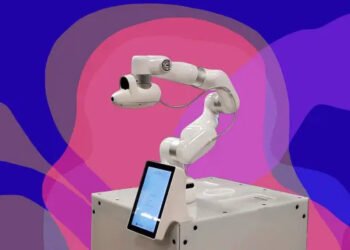 Robo-Vaccination Could Transform Fight Against Bovine TB
 MPs warn AI financial risks threaten UK stability
 MPs warn AI financial risks threaten UK stability
 Pornhub blocks new UK users over age checks dispute
 UK New Car Discounts Near £6,000 as Prices Are Slashed
 Hugo Ekitike Becomes Liverpool’s New Cult Hero
 Bumper Ski Season but Avalanches Threaten Scotland’s Snowy Hills
 ‘I Won’t Bat for Myself to Correct Form’ – Buttler
 Facial Recognition Error Leads to Wrongful Arrest in Milton Keynes
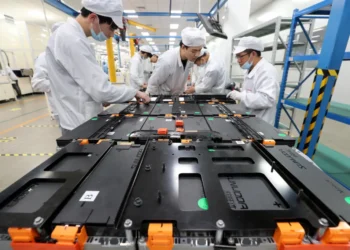 UK’s First Geothermal Plant Powers 10,000 Homes
 Streeting Criticises SNP Over NHS App Dispute
 Ministers Urged to Act Faster on Deepfakes Threat
 Japan Triumphs 1-0 Over Australia to Claim Women’s Asian Cup
 How Seven Premier League Teams Could Qualify for UCL
 Charity Watchdog Warns Alan Turing Institute Over Conduct
 Spring Awakening: Temperatures to Hit 17°C as Britain Bathes in Sunshine
 Councils Pressed to Use Universal Parking App to Cut ‘Unfair’ Fines
 English Football’s Managerial Merry-Go-Round Has Become a Circus
 Tottenham Ramp Up Roberto De Zerbi Pursuit with Blockbuster Five-Year Offer