Published: 30 March 2026. The English Chronicle Desk. The English Chronicle Online.
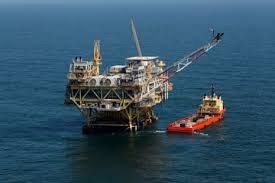
The shores of the Gulf of Mexico are currently facing a significant environmental turning point. Donald Trump is now moving forward with a plan to dismantle long-standing wildlife protection laws. This specific strategy involves the activation of a powerful group known as the “God squad” committee. These top officials hold the authority to override essential safeguards for several critically endangered species. The administration argues that this drastic measure is necessary to bolster the national security of America. They intend to achieve this by rapidly expanding various oil and gas industry operations offshore.
If this new plan succeeds, it could lead to the extinction of many protected creatures. The Rice’s whale and the whooping crane are among the most vulnerable animals at risk. Sea turtles also face a precarious future if these industrial activities proceed without strict federal oversight. The “God squad” provision is a rarely used mechanism within the Endangered Species Act framework. It allows a sitting president to convene a select committee of federal agency department heads. This committee possesses the unique power to effectively veto protections for species nearing total extinction. Essentially, these officials must decide if industrial profits outweigh the survival of local marine wildlife.

The Trump administration is attempting to justify this exemption through claims of national security needs. This marks the very first time such a security claim has been utilized for this purpose. However, many experts note that oil and gas companies have not requested this specific exemption. This lack of industry demand raises serious questions regarding the true motives behind the request. Brett Hartl serves as the government affairs director for the Center for Biological Diversity group. His organization has recently filed a lawsuit to stop this committee from officially convening now.
This move seems aimed at lowering gas prices that are currently soaring across the nation. These high costs are largely driven by the ongoing US-Israel war currently involving Iran’s borders. Trump likely wants to appear as if his administration is taking decisive economic crisis action. Yet, critics argue that the claim of a national security threat is absolute nonsense today. Hartl suggests that the primary threat might actually be Trump’s own declining political polling numbers. He describes the entire situation as a performative gesture aimed at his most loyal supporters.
The biological stakes for the Gulf of Mexico are incredibly high for the planet’s future. Only about fifty-one individual Rice’s whales are believed to remain in the wild right now. These whales and other species are struggling due to the legacy of the Deepwater Horizon. That 2010 oil rig disaster devastated the gulf by leaking millions of gallons of crude. The Endangered Species Committee consists of seven distinct leaders from various influential federal agencies today. They only meet when a federal action conflicts with the survival of a protected species. Each member must vote on whether the project’s benefits outweigh the wellbeing of the animals.
If five of the seven members vote in favor, the industrial project moves forward. This outcome could easily drive several rare species into a permanent state of total extinction. The committee is scheduled to formally convene for its first major session on 31 March. One proposal seeks to override requirements for ships to travel at much slower, safer speeds. These speed limits were designed to help sailors avoid striking and killing the local whales. Reducing these safety measures would significantly increase the risk of fatal collisions in the water.
Pete Hegseth currently serves as the secretary of defense under the current Trump administration leadership. He is requesting a total exemption for all oil and gas activities in the gulf. Surprisingly, the military has not yet proposed a specific project that requires this legal change. No specific conflict between defense operations and wildlife has been cited by the defense department. Hartl emphasizes that no one in the private sector is actually asking for this shift. The administration is also attempting to bypass the clear protocols established by the original statute. They are citing national security once again to avoid following the standard public disclosure rules.
The law requires that all committee documents and meetings remain open to the general public. However, the administration has reportedly withheld many documents requested by environmental advocacy groups and lawyers. While a meeting was livestreamed, it was not truly open for public participation or comment. The Center for Biological Diversity has included these transparency failures in their recent legal filing. Historically, this “God squad” has only been convened three times in the last fifty years. The only time it overrode the law was for a dam project decades ago. Even then, the plans included meaningful provisions to help at-risk cranes survive the construction.

Andrew Bowman is the president of the Defenders of Wildlife advocacy group in the US. He states that no previous administration has attempted to avoid these legal protocols before today. He describes Hegseth’s posturing as a breathtaking display of contempt for America’s natural wildlife heritage. Bowman believes this move represents a total disregard for the established rule of law nationwide. Even if the administration followed every protocol, the legal justification remains on very shaky ground. It is unclear if lowering gas prices fits the original spirit of the environmental law.
Congress originally included a military exemption when they passed the Endangered Species Act years ago. Lawmakers at that time intended for it to apply only to specific military exercises. It was never meant to serve as a broad loophole for general commercial energy production. The first lawsuit from the Center for Biological Diversity was argued during a Friday hearing. A judge has not yet issued a final ruling on this very urgent matter. The current suit focuses heavily on the administration’s failure to follow the required legal steps.
The administration could potentially fix these procedural errors and file for the exemption again soon. If that happens, environmental groups will likely return to court to fight the new filing. They plan to argue that gas prices do not constitute a valid national security emergency. It is a tragic situation for the Rice’s whale which has survived for many millions. This ancient species could now vanish because of what critics call petty and indifferent politics. The eyes of the world are now on the Gulf of Mexico’s fragile blue waters.
Related News:
 Canada Passes Carney’s First Budget in Tight Parliamentary Vote
 India’s Labour Law Overhaul Sparks Fierce Debate
 Carney’s Alberta Pipeline Deal Sparks Immediate Pushback
 Austrian Airlines Halts Tehran Flights Amid Political Unrest
 Mark Carney Walks Diplomatic Tightrope on China Visit
 The Truth Behind Rising Energy Costs and Fossil Fuel Myths
 Trump Faces New Warning Signs as Iran War Hits Home
 Modi’s London Visit Seals Historic UK-India Trade Pact Amid Global Tensions
 British Woman in Iran ‘Losing Hope’ Amid Ongoing Detention
 Trump’s UK Ambassador Urges North Sea Drilling to Strengthen US Ties
BBC to Apologise Over Edited Trump Speech Amid Backlash
Trump’s UK Ambassador Urges North Sea Drilling to Strengthen US Ties
BBC to Apologise Over Edited Trump Speech Amid Backlash
 Britain deploys RAF specialists to assist Belgium with drone threats
 Millionaires group urge Reeves to introduce wealth tax to ‘lift kids out of poverty’
 US Justice Department Files Lawsuit Against California Over Partisan Voting Maps
 Greene Pushes Epstein Files Amid Trump Fallout
 Trump Deploys DHS to Charlotte in Major Arrest Operation
 December Run-Off in Chile as Election Produces No Winner
 Shadow Fleet at Sea: Europe’s Battle Against Illicit Oil Shipping
 Pentagon Officials in Ukraine to Discuss War End
 Venezuela Threatens Nobel Winner Machado with Fugitive Status
 Georgians Defy Government Crackdown After Year of Protests
 Starmer Says Labour’s Economic Plan Needs Years to Deliver
 ‘Extinct’ Antelope Returns to Sahara, Bringing Hope
 EU plans $105bn Ukraine aid using frozen Russian assets
 Global campaign launched to free Palestinian leader Barghouti
 Russia losses Ukraine war peace talks intensify amid rising deaths
 Zelenskyy Accuses Russia of Sabotaging Peace Talks
 Albanese Opens Door to Bondi Royal Commission Amid Rising Pressure
 Trump Escalates Minnesota Immigration Surge Amid Rising Tensions
 Iran Protesters Defy Crackdown as Violent Clashes Intensify
 Trump Threatens Strong Action If Iran Executes Protesters
 Machado Trump medal gesture reshapes Venezuela power struggle
 EU weighs response amid Greenland tariff crisis with Trump
 ICE street raids expose a chilling future for public freedoms
 MPs warn AI financial risks threaten UK stability
 MPs warn AI financial risks threaten UK stability
 No Gas Boiler Ban as UK Warm Homes Plan Backs Heat Pumps
 EU Says US Ties Have Suffered ‘Big Blow’ After Greenland Crisis
 Andrew Hastie Emerges as Leadership Rival to Ley
 Starmer China visit raises human rights pressure on Beijing
 UK New Car Discounts Near £6,000 as Prices Are Slashed
 Israel Moves to Bar MSF From Gaza Operations
 Trump Praises ‘Terrific’ Petro After White House Talks
 Sydney Protest Escalates and Elderly Woman Suffers Severe Injury
 Tarique Rahman’s Rise Toward Bangladesh’s Top Job
 Australian Families Leave Syrian Camp for Home
 Trump Attacks UK-California Energy Pact
 Kim Jong-un Unveils Housing for War Families
 Trump and Chagos Deal Rift Over Iran Strikes
 Andrew Arrest Sparks Republic Debate in Australia
 Global corruption crisis: Who Washington shields
 Farage Chagos Islands Row Sparks Fury
 Trump Tariffs Threat Spark UK and EU Alarm
 Germany Faces Backlash Over Scrapped Renewable Heating Mandate
 Reeves Must Back Defence Plan or Face Dismissal, Says Unite Chief
 Greenpeace $345m Ruling Sparks Appeal Battle
 Trump Speech Sparks Intense Debate Across Divided America
 Jacinda Ardern Moves To Australia Following Her US Fellowships
 Has Europe truly learned from the failures of 2022?
 Health Funding Row Rocks US‑Africa Relations
 Trump Faces Questions Over Iran Conflict Plan
 Nick Greiner Warns Over Election Review Fallout
 Herzog Asio meeting sparks security storm
 UK Prepares Aircraft Carrier for Middle East Crisis
 Oil Prices Surge Above $100 Amid Iran War
 Pete Hegseth Iran War Remarks Spark Alarm
 Kasasa Island Dispute Fuels Japan-China Tensions
 Trump Pressures Congress Over Save America Act
 Iranian Football Squad Asylum Drama Shocks Australia
 Queensland Protest Laws Spark Free Speech Backlash
 Eswatini Deal Sparks Global Outcry Over US Deportations
 Yvette Cooper: UK Must Follow Principles, Not US Pressure
 Trump Iran War Stance Hardens as Conflict Widens
 Hormuz Strait Crisis: Trump Pressures Allies to Act
 UniCredit’s Bold Move to Reshape European Banking
 Trump Nato threats expose Iran strategy vacuum
 UK Wage Growth Slows as Jobs Market Holds Firm
 Philippines energy emergency sparks coal power surge
 Trump Iran Plan Faces Doubts Amid Renewed Tensions
 Trump Facing Backlash from Epstein Survivors Over Files