Published: 31 March 2026. The English Chronicle Desk. The English Chronicle Online.
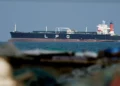
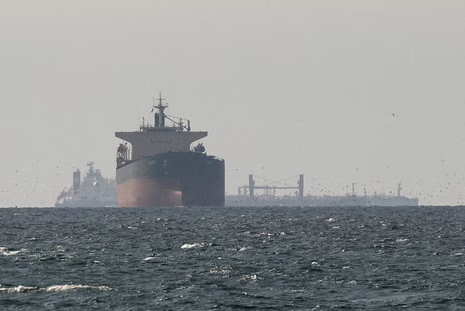
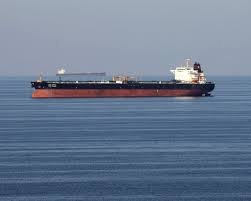
The calm waters of Dubai port became a scene of intense maritime crisis early this Tuesday morning. An Iranian drone strike targeted a fully loaded crude oil tanker as it sat at anchor. This aggressive move marks a sharp escalation in the ongoing regional conflict involving Western powers. The vessel identified as the Al Salmi sustained significant damage to its hull during the surprise attack. Fire quickly engulfed portions of the ship while emergency teams rushed to the industrial docking area. Local authorities in Dubai worked tirelessly to contain the blaze throughout the dark early hours. They eventually confirmed that the fire was extinguished before it could cause a total loss. Maritime firefighting units demonstrated incredible skill in preventing a massive environmental disaster within the busy port. Initial assessments by the port authority suggest that the hull damage is quite extensive indeed. Despite the severity of the strike no oil has leaked into the surrounding Persian Gulf. This news brings a small measure of relief to environmental groups monitoring the sensitive coastline. All twenty four crew members on board the Al Salmi were reported safe and uninjured. Their survival is being hailed as a miracle given the precision of the drone strike.

This latest act of aggression follows a series of warnings issued by President Donald Trump. The American leader recently threatened to obliterate Iranian energy plants if shipping lanes remained closed. Specifically the United States has demanded that Iran immediately reopen the vital Strait of Hormuz. Tehran has kept the narrow waterway blocked as a strategic move during the current war. The month long conflict has already claimed thousands of lives across several Middle Eastern nations. Energy supplies are facing their most significant disruption since the global oil crises of decades past. Analysts fear the global economy is now teetering on the edge of a major tailspin. The Kuwait Petroleum Corporation confirmed that their vessel was the target of this deliberate attack. They stated the Al Salmi was carrying two million barrels of high quality crude oil. This cargo is valued at more than two hundred million dollars at current market prices. Industry trackers noted the ship was carrying oil from both Kuwait and Saudi Arabia. Its final destination was listed as the port of Qingdao located in eastern China. Any disruption to these shipments creates a ripple effect throughout the entire Asian energy market.
Global oil markets reacted with immediate volatility as news of the Dubai strike broke. Brent crude prices surged briefly as traders processed the implications of a port side attack. However prices retreated slightly following a report from the reputable Wall Street Journal tonight. The publication suggested that Donald Trump told aides he might consider ending the active war. He is reportedly willing to negotiate even if the Strait of Hormuz stays shut. Military options are currently not the immediate priority for the White House at this hour. This shift in rhetoric offers a glimmer of hope for a possible diplomatic resolution. Nevertheless Brent crude is still on course for a record fifty nine percent surge. March is set to be the largest monthly gain for oil in recorded history. Such high prices are beginning to weigh heavily on the finances of American households. This economic pressure has become a significant political headache for the current Republican administration. Midterm elections are approaching in November and energy costs remain a top voter concern. Trump previously vowed to lower energy prices by ramping up domestic oil and gas production. The reality of a foreign war is making those campaign promises difficult to keep.
The arrival of elite American troops suggests that military preparations are still moving forward. Thousands of soldiers from the 82nd Airborne Division have started arriving in the Middle East. This reinforcement gives the President more options including potential operations inside of Iranian territory. Such a move would represent a massive expansion of the current theater of war. The international community is watching these troop movements with a sense of growing collective dread. While soldiers arrive the White House press secretary Karoline Leavitt maintains a dual track. She stated that the President still hopes to reach a peaceful deal with Tehran. A deadline of April 6 has been set for Iran to comply with demands. This follows a previous extension of a deadline regarding the opening of the strait. The Strait of Hormuz normally carries one fifth of the global supply of liquid fuels. Its continued closure threatens the industrial stability of nations far beyond the Middle East. Many European and Asian countries rely almost entirely on this narrow passage for energy. The tension between military posturing and diplomatic signaling creates a highly unpredictable global atmosphere.
The Al Salmi remains a charred symbol of the fragility of modern maritime trade. Investigators are now examining the wreckage of the Iranian drone found on the ship. These fragments may provide more clues about the technology used in the daring strike. Dubai authorities are keeping a heavy security presence around the damaged Kuwaiti oil tanker. Other merchant vessels in the area have been advised to maintain a high alert. The threat of further drone or missile attacks remains a very present reality today. Shipping insurance rates have climbed to historic highs for any vessels entering the Persian Gulf. Some shipping companies are considering longer and more expensive routes around the Cape of Good Hope. This change would add weeks to delivery times for essential global energy supplies. The cost of such delays will eventually be passed down to the average consumer. Inflationary pressures are already mounting in major economies across the North American and European continents. Central banks are struggling to find a balance between high interest rates and growth. The geopolitical situation in the Gulf is now the primary driver of global uncertainty.

Diplomats from around the world are calling for an immediate deescalation of all hostilities. They argue that the risk of a total regional war is now unacceptably high. Humanitarian organizations are also raising alarms about the impact of the conflict on civilians. Basic goods and medical supplies are becoming harder to transport through the contested sea lanes. The attack in Dubai proves that even supposedly safe ports are now vulnerable targets. This realization has sent shockwaves through the global shipping and logistics industry tonight. Leaders in the United Arab Emirates are working to reassure their international trade partners. They emphasize that the port of Dubai remains operational despite the recent drone strike. However the sight of a burning tanker has left a lasting impression. The coming days will be critical for the future of the Middle East region. Whether the April 6 deadline leads to peace or further war remains unknown. For now the crew of the Al Salmi is thankful to be alive. They represent the human face of a conflict driven by high stakes oil politics. The world waits to see if cooler heads will eventually prevail in Washington. Each hour brings new developments in this rapidly changing and dangerous international crisis.
The English Chronicle will continue to provide updates as more information becomes available here. Our reporters are monitoring the situation in Dubai and the halls of the Pentagon. We remain committed to bringing you the most accurate and timely news reports possible. The stability of the global energy market depends on the safety of these tankers. Protecting the freedom of navigation is a cornerstone of international law and maritime order. Any further attacks could trigger a response that changes the world forevermore today. We hope for a resolution that ensures the safety of all merchant sailors. The Al Salmi incident is a wake up call for every global leader. It highlights the vulnerability of the systems that power our modern way of life. As night falls over Dubai the glow of the extinguished fire lingers on. The shadow of conflict remains cast over the entire region for the foreseeable future. Only through careful diplomacy can the world hope to avoid a much larger catastrophe. The next few weeks will undoubtedly define the course of this entire young century. We stand at a crossroads between a path of peace and total war.
Related News:
 Trump Threatens Iran With Total Infrastructure Destruction
 UPS Cargo Plane Crash in Kentucky Kills Seven
 US private equity set to acquire UK online retailer Very Group
 Switzerland Rolls Out Charm Offensive to Cut Trump’s 39% Tariffs
 Canada Passes Carney’s First Budget in Tight Parliamentary Vote
 India’s Labour Law Overhaul Sparks Fierce Debate
 Carney’s Alberta Pipeline Deal Sparks Immediate Pushback
 Austrian Airlines Halts Tehran Flights Amid Political Unrest
 Mark Carney Walks Diplomatic Tightrope on China Visit
 Wall Street shaken by Trump tariff shock as markets tumble
 ‘Black Tax’: Burden, Pride and Survival for African Workers
 UK New Car Discounts Near £6,000 as Prices Are Slashed
 Coles Discounts Under Fire in Federal Court
 Trump Tower Gold Coast to Redefine Skyline
 Rory Amon Trial: Alleged Victim Speaks in Court
 Middle East Flights Halted After Iran Strikes
 Oil Prices Surge as Iran War Jolts Markets
 US Iran Operation: Sixth Service Member Killed
 Hezbollah Anger Erupts as War Returns to Beirut
 Tehran Makes New Threat to Gulf Shipping as US Says ‘Hardest Hits’ on Iran ‘Yet to Come’
 Gaza Siege Deepens as Iran War Escalates
 Limited Flights Leave UAE But Disruption Continues Amid Iran Strikes
 Gulf shipping crisis as war risk cover pulled
 Riyadh Drone Attack Escalates Regional War
 Middle East attacks intensify as Trump rejects Iran talks
 Global markets face turmoil as Hormuz crisis deepens
 Iran-Iraq border airstrikes spark new tensions
 Gulf shipping crisis sparks food price fears
 Iran-Iraq Border Strikes Spark New Front Fears
 Iran-Backed Militias Escalate Attacks Across Middle East
 UK Prepares Aircraft Carrier for Middle East Crisis
 Mojtaba Khamenei Chosen as Iran’s New Supreme Leader
 Tehran Oil Depot Strikes Darken City With Toxic Smoke
 Oil Prices Surge Above $100 Amid Iran War
 G7 Weighs Emergency Oil Reserves as Prices Surge
 Oil price passes $100 a barrel for first time since 2022, as Khamenei’s son named new Iranian leader
 Seventh US Service Member Killed in Iran Conflict Identified
 Mojtaba Khamenei Supporters Rally as Iranians Fear Repression
 Iran Rejects Ceasefire, Warns Trump With Chilling Message
 Tehran Strikes Mark War’s Most Devastating Night
 Iran Defiance Grows Amid US-Israel War Pressure
 Hormuz Crisis Sparks Global Oil Market Fears
 Iranian Exile Factions Seek US Backing for Iran’s Future
 US-Israeli Strategy Shifts to Plan B in Iran War
 Injured Mojtaba Khamenei Elevated as Iran Leader
 US Missile Strike on Iran School Sparks Global Shock
 Iran Gulf attacks escalate as ships and airports targeted
 Brazil Floods Warning as Scientists Urge Fossil Fuel Exit
 Iran Conflict: Trump’s Uncertain Path and Diplomatic Off-Ramp
 Ancient Heritage Sites Damaged in Recent Airstrikes
 Asia Scrambles to Confront Energy Crisis Amid Iran War
 Tehran Diary: Dark Days Under Relentless Bombardment
 British Tourist Charged Over Dubai Missile Strike Video
 Gaza Detainee Abuse: Israel Drops Charges Against Soldiers
 The Truth Behind Rising Energy Costs and Fossil Fuel Myths
 Trump Iran War Stance Hardens as Conflict Widens
 UniCredit’s Bold Move to Reshape European Banking
 Lebanon Ground Campaign Raises Occupation Fears
 Gulf Tensions Rise as Iran Alleges Covert Support
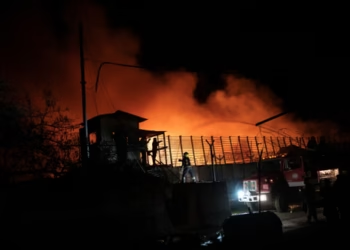 Kabul hospital strike sparks deadly blame row
 RBA rate hike sparks fears amid global crisis
 UK Wage Growth Slows as Jobs Market Holds Firm
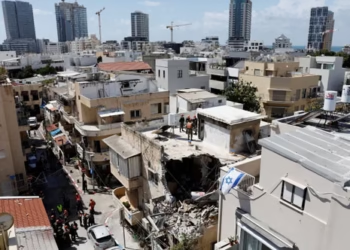 Iran Threatens Total Destruction of Mideast Energy Grid
 Oil Slides, Stocks Jump on Trump Peace Signals
 ABC Staff Strike Over Pay and AI Concerns
 Ghalibaf Iran: Survivor Emerges in Shifting Power Game
 Middle East Conflict to Hit UK Economy Hardest
 Gulf Distrust Grows Over Rumoured US-Iran Peace Talks
 WHO Warns of Health Crisis Unfolding in Middle East
 Australian Growth Slows as Global Inflation Spike Looms
 Trump Faces New Warning Signs as Iran War Hits Home
 Saudi Arabia Urging US to Keep Up Iran Attacks
 Iranian President’s Son Shares Wartime Hopes and Fears
 The Strategic Failure of Trump’s Conflict With Iran
 Iran Warns of US Ground Assault Amid Rising War Tension
 MAGA Anxiety and the Iran War: A Movement Divided at CPAC
 Trump to Deploy “God Squad” Over Gulf Wildlife Protections
 Australian Families Leave Syrian Camp for Home
 ‘I Would Scream in My Sleep’: Alawite Women from Syria Tell of Kidnap and Rape
 UK Job Vacancies Hit Five-Year Pandemic Low