Published: 31 March 2026. The English Chronicle Desk. The English Chronicle Online.
The global landscape of technology is currently watching OpenAI with a mix of awe and deep fiscal skepticism. As the primary figurehead of the artificial intelligence revolution, the American firm finds itself at a critical crossroads this spring. If the company intends to successfully float on the stock market this year, it must finally address its business model. The initial wonder surrounding the firm has long since been established through its groundbreaking releases and cultural impact. However, investors are now asking when the immense hype will translate into actual sustainable profits for the business. The celebratory atmosphere surrounding the AI boom cannot continue indefinitely without a foundation of solid financial returns. Currently, the developer of ChatGPT stands as one of the most valuable startups across the entire world. Its valuation has soared to an incredible $850bn, which roughly translates to £645bn in British currency. Despite this high valuation, the company is facing staggering costs to maintain its leading market position. Reports suggest the firm is committing $600bn toward infrastructure by the end of this decade. This massive investment focuses on the data centres and specialized chips required to power complex models. While this figure is a reduction from initial estimates of over one trillion, it remains daunting.
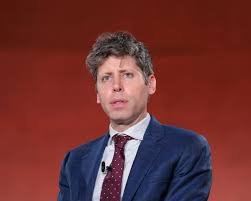
Even with these slightly slimmed-down spending plans, the startup remains significantly far from achieving true profitability. Under current conditions, the firm could potentially burn through half a trillion dollars by the year 2030. Supporters often point to companies like Uber as examples of businesses that spent billions before earning. However, those earlier tech giants burned through tens of billions rather than hundreds of billions of dollars. OpenAI is led by chief executive Sam Altman, who now appears to be making very rapid decisions. A significant market reckoning is approaching as a potential flotation looms toward the end of this year. In response to this pressure, the company has jettisoned three major business areas in just one month. These moves suggest a desperate need to streamline operations and prove financial discipline to the public markets. One of these areas was a plan for consumers to shop directly inside the ChatGPT interface. This project, known as Instant Checkout, was quietly pulled back during the early weeks of March. The decision followed a five-month trial that revealed how difficult building a commerce platform can be. Analysts noted that the project felt more like a public demonstration than a serious business effort. Niamh Burns from Enders suggests that the company has often struggled to sustain these initial launches.
The strategy of trimming the fat continued last week when the company made a surprising announcement. It decided to ditch Sora, its highly anticipated video-generation platform, despite its massive potential for creative industries. This move effectively cancelled a $1bn deal with Disney involving licensed content for various storytelling projects. While the cancellation was strategic for OpenAI to save costs, it was quite awkward for Disney’s team. Reports indicate that Disney leadership learned about the cancellation only an hour before the general public did. This highlights the ruthless prioritisation that Sam Altman is now forced to implement within the various departments. Sora was increasingly viewed as a massive money pit that consumed too much of the company’s resources. In addition to the video platform, the firm also pulled the plug on its erotic chatbots. This controversial plan had been announced last year with the intent to treat adult users like adults. However, the project faced repeated delays and significant scrutiny regarding online safety and general platform ethics. Analysts believe that launching such a product would have been a nightmare for the company’s public image. With mounting regulatory pressure in the UK and abroad, safety remains a top priority for investors.
The current moves represent a company trying to appear lean before its initial public offering occurs. Competition is also heating up as rivals like Anthropic gain more loyalists among various business customers. Anthropic, the maker of the Claude chatbot, is seen as a more disciplined and focused competitor. OpenAI is under serious pressure to show that it can handle its massive scale with strategy. Niamh Burns believes the company has historically cast its net far too wide for its own good. Adrian Cox of Deutsche Bank Research Institute offers a slightly more optimistic view of these recent cuts. He believes that narrowing the focus is essential if the company wants a $1tn valuation. Such a valuation would be compared against an annualised revenue that recently reached about $25bn in March. For the company to attract a wider pool of investors, it must show evidence of growth. These investors will demand sustainable revenue streams that can last for many years into the future. By focusing the business model now, OpenAI is aiming for that growth in a sensible way. The firm appears to have stopped trying to win an “everything” business model against its rivals. Hard choices are being made to ensure the company can actually monetise its existing leading brand.
Many investors may find this newfound corporate discipline to be the best news in many months. Despite the internal chaos and project cancellations, the signature product of the company remains extremely popular. ChatGPT currently boasts more than 900 million weekly active users who engage with the tool daily. Furthermore, the platform has secured more than 50 million paying subscribers who contribute to the bottom line. Subscriptions currently account for roughly 75% of the total income generated by the American tech giant. The firm also makes money by offering corporate versions of its models to various large-scale enterprises. It allows other startups to build their own unique products using its powerful underlying AI architecture. However, there is a lingering feeling among industry analysts that this rigour should have arrived sooner. The company has spent billions of dollars on experiments that ultimately failed to produce a return. A columnist recently described the firm as the most distracted company in the entire technology sector. Focusing on a product that people will actually pay for is the hardest part of business. Execution is now more important than the initial innovation that made the company a household name.
A small win was recently announced in the form of an advertising trial within the chatbot. This trial reportedly generated $100m in annualised revenue during its very short initial run of six weeks. This could potentially offer a clear route toward the profitability that the stock market so desperately craves. ChatGPT knows an incredible amount about its users and could provide uniquely targeted advertising for brands. However, even this path is fraught with potential risks for the company and its many users. Advertising could quickly begin to feel creepy and spark a massive backlash regarding personal data privacy. If the ads are not targeted well, they may simply become annoying banners that provide little value. Experts suggest it could take a couple of years for the company to truly master advertising. They would have to change many aspects of the user experience to make it work correctly. The maker of the world’s most hyped technology must find a way to limit its burn. An OpenAI spokesperson stated that they are now ruthlessly prioritising their available computing resources for maximum value. They are focusing on frontier research and growing their enterprise use cases to ensure long-term stability. This disciplined focus is intended to help the company innovate faster while delivering value to developers. Investors will be watching closely to see if these changes are enough for a successful debut.
Related News:
 Anglian Water Fined £63 Million Over Sewage Scandal Amid National Outrage
 How to Exit Your Broadband Contract Without Paying Exit Fees
 Permission Granted for Britain’s First Vertical Rocket Launch at Shetland Spaceport
 Government Expands Electric Car Grant Scheme, Offers Discounts on Five More Models
 Ed Davey Urges Government to Block Elon Musk’s Tesla from Supplying UK Home Energy
 UK Could Generate Nearly £2bn Annually by Taxing SUVs, New Study Reveals
 Google Pledges £5bn AI Investment in UK Ahead of Trump State Visit
 Donald Trump’s UK State Visit Kicks Off Amid Major Tech Investments and Business Engagements
 Jaguar Land Rover Extends Production Halt Following Cyber-Attack
 British AI Startup Outshines Human Forecasters in Global Prediction Contest
 Royal Mail Owner Acquires Stake in Collect+ and Launches High Street Rebrand
 Jaguar Land Rover to Resume Production After Cyber-Attack, Launches Supplier Support Scheme
 NHS May Pay 25% More for Medicines Amid US Drug Talks
 Watchdog Rules Red Tractor Ad Misled Public on Environmental Claims
 Eurostar to launch doubledecker trains through Channel Tunnel by 2031
 North Sea oil workers must lose weight or face job loss
 UK Taskforce Unveils Plan to Streamline Nuclear Reactor Rules
 UK Car Sales Pass 2 Million as Chinese Brands Surge
 MPs warn AI financial risks threaten UK stability
 MPs warn AI financial risks threaten UK stability
 AI job losses UK: Britain faces sharper employment shock
 UK New Car Discounts Near £6,000 as Prices Are Slashed
 Bank of Scotland App Glitch Lets Customers See Other Users’ Transactions
 British AI Startup Nscale Faces Backlash Over Planned Microsoft Data Centre
 Chancellor Rachel Reeves Pushes for Sweeping Changes to Environmental Protections to Accelerate Development
 Inflation Latest: Cost of Living Expected to Rise Again in Key Figures Released Today
 Retail Sales See Uptick Amid Errors and Delays as ONS Faces Scrutiny
Shein UK Faces Allegations of Shifting Majority of Profits to Singapore to Reduce UK Tax
Retail Sales See Uptick Amid Errors and Delays as ONS Faces Scrutiny
Shein UK Faces Allegations of Shifting Majority of Profits to Singapore to Reduce UK Tax
 Big Pharma Investment Freeze Puts UK Life Sciences Sector Under Strain
 Persistent Offenders Owe Over £700m in Ulez Fines as TfL Cracks Down on Evasion
 Great Britain’s Energy Operator Commits to Strengthening Grid to Prevent Blackouts
 UK Government Backs Return of International Rail Travel to Kent Stations
 Wetherspoon vows to keep prices low amid soaring energy and tax costs
 UK House Price Growth Slows as Buyers Exercise Caution Ahead of Autumn Budget
 Kemi Badenoch Unveils ‘Golden Rule’ to Halve Spending Cuts for Deficit Reduction at Tory Conference
 Millions in the UK at Risk of Cyber-Attacks as Microsoft Ends Windows 10 Updates, Warns Which?
 Yvette Cooper Backs Digital ID Plan for UK Teens
 New V-Level qualification to transform post-16 education
 Reform UK candidate fined £19,000 after using AI-generated cases to challenge election
 Real living wage set to rise nearly 7% for UK workers in 2026
 Harry and Meghan join global AI leaders urging superintelligence ban
 UK Campaigners Launch Bill to Grant Legal Rights to Nature
 Reeves Faces Setback as Labour May Miss Homes Target
Virgin Trains Moves Closer to Challenging Eurostar Monopoly
Reeves Faces Setback as Labour May Miss Homes Target
Virgin Trains Moves Closer to Challenging Eurostar Monopoly
 Trump’s UK Ambassador Urges North Sea Drilling to Strengthen US Ties
 UK Bans Fake Numbers: Scammers Lose Their Trick
M&S Profits More Than Halve After Cyber-Attack
UK Bans Fake Numbers: Scammers Lose Their Trick
M&S Profits More Than Halve After Cyber-Attack
 Patients to Test Health at Home to Ease NHS Winter Pressure
 Millionaires group urge Reeves to introduce wealth tax to ‘lift kids out of poverty’
 Northern Lights may illuminate UK skies this week
 New laws to bolster UK’s defences against cyber attacks on NHS, transport and energy
 Valve Opens the Door for Android Games on Steam
 Starmer Says Labour’s Economic Plan Needs Years to Deliver
 Virgin Media Fined £23.8m Over Telecare Safety Failures
 Historic £100-Weekly Pension Boost Brings Relief for UK Mineworkers
 Pornhub blocks new UK users over age checks dispute
 Amazon mistakenly signals new global layoffs to employees
 Households in England Face Rising Water Bills in April
 Pound Sinks and Borrowing Costs Rise as Starmer Fights for Job
 Major UK Clothing Firm Collapses into Administration — 109 Jobs at Risk
 BT Names New Openreach Chief Amid Major Fibre Expansion
 Could Manchester Lead the UK’s Economic Revival?
 Lloyds Boss Accepts Concern Over Use of Staff Data in Pay Talks
 AI Coding Firm’s ‘Pride’ at Business Award Win
 UK Job Vacancies Hit Five-Year Pandemic Low
 UK Youth Unemployment Surges Amid Tax Changes
 Strong Rebound for UK Housing Market Sees 6% More Homes
 Facial Recognition Error Leads to Wrongful Arrest in Milton Keynes
 UK’s First Geothermal Plant Powers 10,000 Homes
 Switching Energy Deal Can Save £200 as Price Cap Falls
 Labour’s Employment Shake‑Up ‘Makes Britain Worse Than France’
 Sarah Ferguson Loses Another £1.5m Amid Financial Struggles
 ‘Heating Oil Suppliers Are Holding Us to Ransom’ as Prices and Cancellations Surge
 India’s $300bn Outsourcing Industry Faces AI Test
 Charity Watchdog Takes Control of Learning Disability Care Home
 Councils Pressed to Use Universal Parking App to Cut ‘Unfair’ Fines
 English Football’s Managerial Merry-Go-Round Has Become a Circus
 ‘Zoom Dysmorphia’ Explosion: BDD Patients Quadruple in Post-Pandemic UK
 The 8 Million Dilemma: Why Britain’s Disability Safety Net is Facing a ‘2026 Reckoning’
 The ‘Peterborough Windfall’: Council Calculator Finds £84,800 in Unclaimed Support