Published: March 31, 2026. The English Chronicle Desk.
The English Chronicle Online—Providing trusted news and professional analysis for the UK and International Affairs.
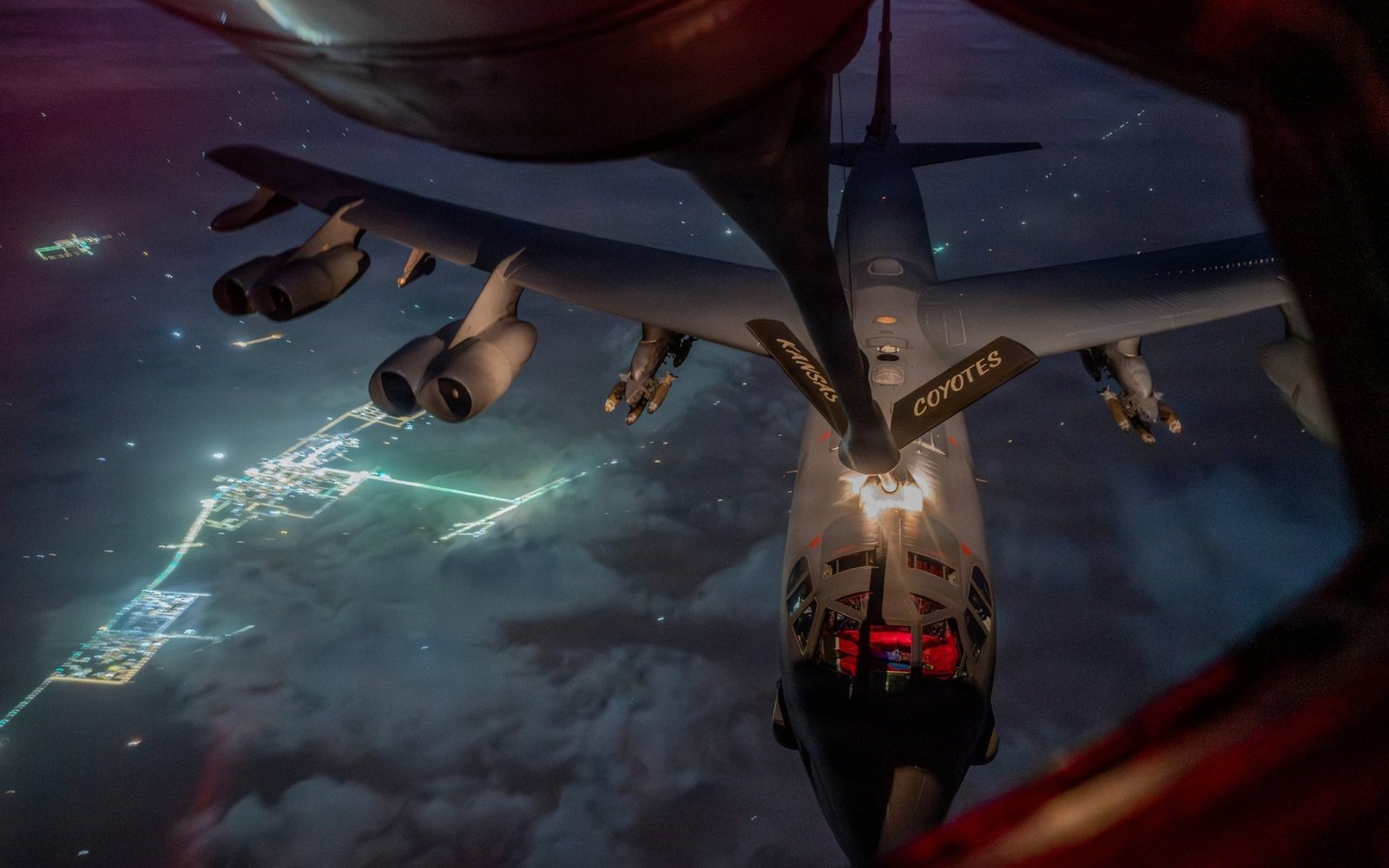
In a move that has sent shockwaves through the Atlantic alliance, Italian Prime Minister Giorgia Meloni has officially denied U.S. military aircraft permission to use the Sigonella Naval Air Station in Sicily as a staging ground for strikes in the Middle East. The decision, confirmed by Defense Minister Guido Crosetto on Tuesday, follows a tense standoff over the weekend when several U.S. bombers were reportedly denied landing rights while already airborne. The refusal marks the most significant diplomatic rift between Rome and Washington since the start of Operation Epic Fury on February 28, signaling a growing European “neutrality bloc” as the conflict with Iran enters its second month.

According to reports from Corriere della Sera, the U.S. flight plans—which included a scheduled stopover at the Sicilian base en route to the Persian Gulf—were communicated to Italian authorities only after the jets had departed from the continental United States. General Luciano Portolano, Italy’s Chief of Defense Staff, advised the government that the flights were “non-logistical” and fell outside the scope of existing bilateral treaties. “Italy is a partner, not a gas station,” a senior official in Meloni’s Brothers of Italy party remarked. “We will not be a passive accomplice to a war that has occurred outside the rules of international law.“
The ‘Sigonella Standoff’ 2.0
The incident has drawn immediate comparisons to the 1985 Sigonella Crisis, where Italian authorities famously surrounded U.S. Delta Force operators during a dispute over the Achille Lauro hijackers. In 2026, the stakes are equally high.
-
The Legal Hurdle: Meloni has insisted that any use of Italian soil for active combat operations requires Parliamentary approval, which her administration has not yet sought.
-
The Political Context: The refusal comes just days after Meloni’s coalition suffered a significant defeat in a national constitutional referendum on March 22. Facing a revitalized opposition and a public wary of being “dragged into another American quagmire,” the Prime Minister has pivoted toward a “cautious approach” to military engagement.
-
The ‘War’ Stance: Speaking to RTL radio earlier this month, Meloni was blunt: “We’re not at war; we don’t want to go to war.“
Trump’s ‘Europe Problem’
The denial of base access adds another layer of complexity to President Donald Trump’s struggling war timeline. With the $116 oil price already threatening a global recession and U.S. forces relying on long-range sorties from Diego Garcia and the continental U.S., the loss of “The Hub of the Med” creates a logistical bottleneck.
-
Pentagon Frustration: Sources within the Department of Defense described the Italian move as “deeply unhelpful,” noting that Sigonella is vital for MQ-4C Triton surveillance drones and refueling tankers supporting the Isfahan bunker-buster missions.
-
The ’42-Day’ Pressure: As Trump’s self-imposed 4-6 week deadline for the war’s conclusion approaches, the lack of European cooperation is forcing the White House to consider even more aggressive, non-base-dependent options.

As the Easter bank holiday concludes and the Ramadan period ends, the “Sigonella Refusal” serves as a stark reminder of the limits of American influence in 2026. While the $120 oil threshold looms and the “8 Million Dilemma” grips the UK, Italy’s “No” has rewritten the rules of the Mediterranean. For Giorgia Meloni, the move is a desperate bid for domestic legitimacy; for the Iran war, it is the moment the “coalition of the willing” began to fray at the edges.
Related News:
 Trump Says US Will Act on Greenland ‘Whether They Like It or Not’
 Trump Receives Machado’s Nobel Medal in White House Meeting
 Thousands Protest ICE Operations in Nationwide US Day of Action
 Epstein Files Reveal Trump Officials’ Emails with Financier
 Thousands Protest ICE in New York Against Trump Deportation Campaign
 US Must Be Prudent When Supplying Arms to Taiwan, Xi Tells Trump
 Fears of New Arms Race as US-Russia Nuclear Weapons Treaty Expires
 US Military Says Two Killed in Strike on Alleged Drug Boat in Eastern Pacific
 Trump Endorses Japan’s Takaichi Ahead of Snap Election
 Venezuela’s Opposition Says Party Leader Kidnapped Hours After Being Freed
 Trump Bizarrely Claims China Will ‘Terminate All Ice Hockey in Canada’ in Threat to Block New Border Bridge
 US Says It “Supports” UK Chagos Islands Deal
 Iran Says ‘Guiding Principles’ Agreed With US at Nuclear Talks
 As Trump Retreats from Climate Goals, China Is Becoming a Green Superpower
 US ‘Suitcase Murderer’ Deported From Bali After 11 Years in Jail
 Trump’s Iran Endgame Unclear After Mixed Messaging on War Aims
 Trump Seeks to Delay Meeting With Xi
 Chain of Fire: US Bunker Busters Strike Major Iranian Ammo Depot in Isfahan
 Two National Guard Soldiers Critically Injured Near White House
 American Mother Extradited From UK to U.S. on Murder Charges
 Russia losses Ukraine war peace talks intensify amid rising deaths
 Trump Taiwan China drills: US President Downplays Tensions
 US Cities Erupt in Protests Against Trump’s Venezuela Military Action
 Trump Escalates Minnesota Immigration Surge Amid Rising Tensions
 Capitol Attack Anniversary Sparks Deep Political Divide
 Trump Weighs Response to Iran Crackdown as Tehran Says Communication Open With US
 Trump targets Iran trade with 25% tariff warning
 US Clears Nvidia AI Chip Sales to China in Policy Shift
 Trump Threatens Strong Action If Iran Executes Protesters
 Gulf states warn Trump Iran strikes risk wider Middle East war
 Machado Trump medal gesture reshapes Venezuela power struggle
 Greenland defence seen as shared Nato duty amid troop arrivals
 Syria President Declares Victory as Ceasefire Reached with SDF
 US Considers Asylum for British Jews Amid Rising Antisemitism
 Trump Aide Sparks Fury as Greenland Dispute Intensifies
 EU Says US Ties Have Suffered ‘Big Blow’ After Greenland Crisis
 Arizona border shooting leaves suspect hospitalised after agent pursuit
 Videos reveal earlier clash before Alex Pretti shooting
 Trump Praises ‘Terrific’ Petro After White House Talks
 Trump Says Iran Regime Change Is “Best Thing That Could Happen”
 Obama Slams Trump’s Racist ‘Ape’ Video Amid Backlash
 ‘He Did It for Us’: US Soldier Recalls Jesse Jackson’s Efforts to Free Him and Two Other POWs
 Stephen Colbert Says CBS Spiked Interview With Democrat Over FCC Fears
 Indian University Kicked Out of AI Summit for Claiming Chinese Robot Dog as Its Own Invention
 Eight Skiers Found Dead After California Avalanche
 US Urges Iran to Make Deal as Military Presence Rises
 US Will Not Back Out of Tariff Deals with UK and Others, Says Trump Trade Representative
 Who Was El Mencho, Mexico’s Most Wanted Man?
 Inside Atlanta’s Soul Food Revolution
 Drugs, Denial, Stigma: Fiji’s HIV Crisis Hits Children
 Trump’s new tariff takes effect at lower than expected rate
 Threat of Further Violence Looms After Mexican Cartel Rampage
 Bill Gates ‘Took Responsibility’ Over Epstein Ties in Staff Meeting, Foundation Says
 American Citizen Killed in Cuba Boat Shooting, U.S. Officials Say
 Why Asian Firms Are Not Cheering Trump Tariff Ruling
 Hopes and Fears as US Iranians Take to Streets After Toppling of Supreme Leader
 Iran, the US, and a World Cup That Starts in Three Months
 Trump Faces Questions Over Iran Conflict Plan
 Months of Planning Behind US‑Israeli Mission to Target Iran’s Supreme Leader
 UK Will Allow US to Use Bases to Strike Iranian Missile Sites, PM Says
 Israel Launches Fresh Strikes on Tehran & Beirut; US Warns “Hardest Hits” Ahead
 Carney to Push His Middle Power Strategy During Australia Visit
 The US Now Has the Medicine for Cheap Swarming Drone Attacks
 Trump Underestimated the Iranian Regime’s Will to Survive
 US Senate Backs Trump War Powers Amid Iran Missile Barrage
 US Senate Vote Fails to Rein in Trump War Powers on Iran
 UK Prepares Aircraft Carrier for Middle East Crisis
 Pete Hegseth Iran War Remarks Spark Alarm
 Real Estate Brothers Convicted in Sex Trafficking Trial
 Trump Threatens Iran With ‘Twenty Times Harder’ Oil Strike
 Iran War Puts Trump at Political Risk Amid Rising Prices
 Iran Rejects Ceasefire, Warns Trump With Chilling Message
 Yvette Cooper: UK Must Follow Principles, Not US Pressure
 Trump’s Confidence Undimmed — But Every Iran Option Carries Risk
 Wary Allies Signal No Easy Path in Iran Crisis
 Saudi Arabia Urging US to Keep Up Iran Attacks
 Beyond ‘Halfway’: Netanyahu Signals Progress as Iranian Drone Strikes Tanker in Dubai
 Tragedy in Lebanon: Two Indonesian UN Peacekeepers Killed in Border Explosion
 ‘In Our Backyard’: FBI Labels Michigan Synagogue Attack as Hezbollah-Inspired Terrorism
 ‘Lego Drones’: Ukraine Hits Back at German Arms Giant Over ‘Housewife’ Slurs