
Published: April 1, 2026. The English Chronicle Desk.
The English Chronicle Online—Providing trusted news and professional analysis for the UK and Highlands & Islands.
Orkney Islands Council (OIC) has faced sharp criticism from local taxpayers after announcing the sale of a state-of-the-art, “ultra-low emission” bin lorry that has spent more time in the depot than on the road. The vehicle, a custom-built hydrogen-electric hybrid purchased in 2024 for a staggering £456,000, is being offloaded after clocking just over 2,000 miles in two years. The sale, approved by the sub-committee on Tuesday, highlights the growing pains of the islands’ “Green Transition” and the logistical hurdles of maintaining cutting-edge tech in the remote North Sea.
The lorry was originally hailed as a flagship project for the “Hydrogen Isles” initiative, intended to prove that heavy municipal vehicles could run on locally produced green energy. However, the vehicle has been plagued by software incompatibilities and a lack of specialized technicians on the islands to perform routine maintenance. “It’s a beautiful piece of engineering,” one council source admitted, “but when a sensor trips, we can’t exactly nip down to the local garage. We have to fly an engineer in from the Netherlands, and with the $116 oil price affecting flight costs, it became a financial black hole.”

The ‘Depreciation Disaster’
While the council hopes to recoup some of the investment, experts warn that the resale market for niche, hydrogen-electric hybrids is remarkably thin.
-
The Valuation: Analysts suggest the lorry may fetch less than £200,000 at auction, representing a potential loss to the public purse of over a quarter of a million pounds.
-
The Logistical Gap: The vehicle’s weight and specialized fueling requirements meant it was restricted to a few specific routes in Kirkwall, unable to navigate the narrower, steep-banked tracks of the smaller isles.
-
The ‘Diesel’ Default: To cover the gap left by the sidelined hybrid, the council has been forced to rely on its aging fleet of conventional diesel lorries, which are significantly cheaper to maintain but counter-productive to the 2030 Net Zero goals.
A Hard Lesson in Island Procurement
The “Bin Lorry Blunder” has become a flashpoint for debate over how local authorities spend their limited budgets during the “8 Million Dilemma” and the wider economic strain of 2026. Critics argue that the council fell into the “innovator’s trap,” buying a prototype when the infrastructure wasn’t ready. “We all want to be green,” said one local resident, “but we’d rather have our bins collected reliably by a 10-year-old diesel truck than have a half-million-pound ornament sitting in the yard while the Council Tax goes up.”

The sale is expected to be finalized by the end of the Easter bank holiday. The proceeds, whatever they may be, are reportedly earmarked for the “Ferry Infrastructure Fund”—a move that some see as a pragmatic pivot back to the islands’ most vital, if less glamorous, transportation needs. As the “White Elephant” prepares to board a cargo ship for the mainland, it leaves behind a cautionary tale for any rural council looking to lead the charge on the bleeding edge of technology.
Related News:
 SNP Charging £750 per Ticket for Business Event Featuring ‘Beer and Blether’ with Stephen Flynn
 How to Exit Your Broadband Contract Without Paying Exit Fees
 Chancellor Rachel Reeves Pushes for Sweeping Changes to Environmental Protections to Accelerate Development
 Inflation Latest: Cost of Living Expected to Rise Again in Key Figures Released Today
 Retail Sales See Uptick Amid Errors and Delays as ONS Faces Scrutiny
 UK House Prices Hit Record £299,331 as Market Shows Steady Growth
Shein UK Faces Allegations of Shifting Majority of Profits to Singapore to Reduce UK Tax
UK House Prices Hit Record £299,331 as Market Shows Steady Growth
Shein UK Faces Allegations of Shifting Majority of Profits to Singapore to Reduce UK Tax
 UK Retail Sales Rise in August, but Tax Concerns Loom Over Festive Period
 Jaguar Land Rover Extends Production Halt Following Cyber-Attack
 UK Labour Market Shows Signs of Cooling as Wage Growth Slows and Redundancies Rise
 British AI Startup Outshines Human Forecasters in Global Prediction Contest
 Vodafone Franchisees Sound Alarm: Mental Health Toll of Commission Cuts Revealed Years Before £120m Court Battle
 Great Britain’s Energy Operator Commits to Strengthening Grid to Prevent Blackouts
 UK Government Backs Return of International Rail Travel to Kent Stations
 Marks & Spencer Staff to Work on Boxing Day for First Time in Five Years Amid Cost-Cutting Measures
 Senior Tories Condemn Badenoch’s Vow to Repeal Climate Change Act as Catastrophic
 Wetherspoon vows to keep prices low amid soaring energy and tax costs
 He-Man Set for Big Comeback as UK Toy Industry Rides ‘Newstalgia’ Wave
 UK House Price Growth Slows as Buyers Exercise Caution Ahead of Autumn Budget
 Kemi Badenoch Unveils ‘Golden Rule’ to Halve Spending Cuts for Deficit Reduction at Tory Conference
 Parents spending £5,000 on special school assessments in England
 New V-Level qualification to transform post-16 education
 Pizza Hut to shut 68 sites after collapsing into administration
 Real living wage set to rise nearly 7% for UK workers in 2026
 Reeves Faces Setback as Labour May Miss Homes Target
 Trump’s UK Ambassador Urges North Sea Drilling to Strengthen US Ties
 M&S Profits More Than Halve After Cyber-Attack
 Tony Blair think tank warns Rachel Reeves must cut taxes if manifesto broken
 Millionaires group urge Reeves to introduce wealth tax to ‘lift kids out of poverty’
 Global markets drop amid tech sell-off and China slowdown
 Mossmorran Plant Closure Hits Cowdenbeath Hard
 Starmer Says Labour’s Economic Plan Needs Years to Deliver
 Virgin Media Fined £23.8m Over Telecare Safety Failures
 Rising Water Bills Lift Troubled Thames Back to Profit
 Historic £100-Weekly Pension Boost Brings Relief for UK Mineworkers
 UK Investment G7: Britain Records Lowest Level Under Starmer
MPs warn AI financial risks threaten UK stability
UK Investment G7: Britain Records Lowest Level Under Starmer
MPs warn AI financial risks threaten UK stability
 MPs warn AI financial risks threaten UK stability
 Households in England Face Rising Water Bills in April
 UK New Car Discounts Near £6,000 as Prices Are Slashed
 Study Finds One in Seven England Takeaways Are Dark Kitchens
 Pound Sinks and Borrowing Costs Rise as Starmer Fights for Job
 London Loses Its Grip on Ambitious Young Workers
 Row at David Lloyd Clubs Over £140-a-Month ‘Queue-Jumping’ Pass
 Major UK Clothing Firm Collapses into Administration — 109 Jobs at Risk
 UK economy struggles as growth stalls at 0.1% in late 2025
 Could Manchester Lead the UK’s Economic Revival?
 Royal Mail Blames Poor Weather and Sickness for Delayed Deliveries
 Lloyds Boss Accepts Concern Over Use of Staff Data in Pay Talks
 Store at Famous Shopping Village to Close After 18 Years Due to Rising Costs
 UK Job Vacancies Hit Five-Year Pandemic Low
 US Will Not Back Out of Tariff Deals with UK and Others, Says Trump Trade Representative
 Bodies of Man and Boy Found in Burnt‑Out Car After Horror Crash in the Highlands
 Luxury Airbnb Cabins With Hot Tubs Must Be Demolished After Planning Ruling
 UK Youth Unemployment Surges Amid Tax Changes
 Strong Rebound for UK Housing Market Sees 6% More Homes
 Reeves Must Back Defence Plan or Face Dismissal, Says Unite Chief
 Switching Energy Deal Can Save £200 as Price Cap Falls
 UK house prices rise as market steadies
 Labour’s Employment Shake‑Up ‘Makes Britain Worse Than France’
 New Infection Risk Alert at Glasgow’s Flagship Hospital
 Scots Man Convicted in Dirty Money Case After DNA Found on Cash
 Sarah Ferguson Loses Another £1.5m Amid Financial Struggles
 Courier Firm Bust After 14 Years as Evri Deliveries Face ‘Temporary Disruption’
 CCTV Shows Limping Man Missing Nine Days as Police Appeal
 Man Dies in Glasgow Flat Fire as Police Probe ‘Unexplained’ Death
 Teen Wins Payout After TRNSMT Crush Horror
 Tommy and Gail Sheridan to Stand for New Political Party After Alba Demise
 UK Fuel Tax Hike Plan to Be Kept Under Review Over Iran Conflict
 ‘Heating Oil Suppliers Are Holding Us to Ransom’ as Prices and Cancellations Surge
 Second Man Arrested Over ‘Gunshot’ Death of Young Dad in Motherwell Home
 UK Wage Growth Slows as Jobs Market Holds Firm
 Charity Watchdog Takes Control of Learning Disability Care Home
 Starmer Launches Labour Local Election Campaign Under Shadow of ‘Bloodbath’ Predictions
 English Football’s Managerial Merry-Go-Round Has Become a Circus
 Tottenham Ramp Up Roberto De Zerbi Pursuit with Blockbuster Five-Year Offer
 The 8 Million Dilemma: Why Britain’s Disability Safety Net is Facing a ‘2026 Reckoning’
 The ‘Peterborough Windfall’: Council Calculator Finds £84,800 in Unclaimed Support
 ‘Better Off Not Planting’: UK Farmers Face 36% Fertiliser Spike as Gulf Crisis Bites
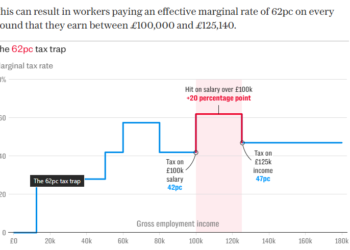 The ‘Career Ceiling’: One in Five High Earners Say £100k Tax Trap is ‘Ruining’ Their Ambition