Published: April 1, 2026. The English Chronicle Desk.
The English Chronicle Online—Providing trusted news and professional analysis for the UK and Business & Economy.
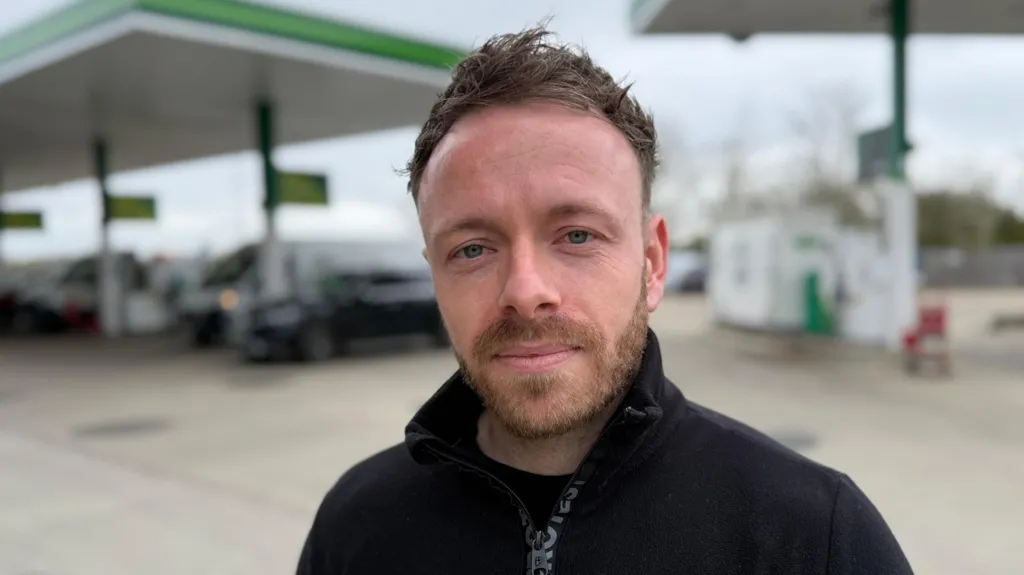
British motorists are facing a “cost of movement” crisis as fuel prices at the pump hit their highest levels in nearly four years. As the $116 oil price stubbornly refuses to retreat despite President Trump’s “weeks, not months” rhetoric regarding the Iran conflict, UK retailers have passed on the soaring costs of Brent Crude to consumers with “ruthless speed.” On Wednesday morning, the average price of a litre of unleaded reached 192.4p, while diesel surged past the psychological £2.00 mark at several motorway services, prompting a wave of protests from hauliers and commuters alike.
“We’re being hammered,” said Howard Cox of FairFuelUK, standing outside a depot in Kent. “The government is raking in a VAT windfall while the average family is being priced off the road. This isn’t just about ‘leisure travel’ anymore; this is about people being able to afford the drive to work during the 8 Million Dilemma labor shortage.” The price hike comes as a “double blow” for the UK economy, as the Easter bank holiday travel rush typically sees the highest demand of the year.

The ‘Refinery Squeeze’
While the global price of crude is the primary driver, energy analysts point to a “secondary bottleneck” in the UK’s aging refining infrastructure.
-
The Insurance Tax: Shipping lanes in the Mediterranean and the Red Sea have seen insurance premiums rise by 400% since February 28, adding an “invisible surcharge” to every barrel of oil reaching British shores.
-
The Sigonella Factor: The recent Sigonella Refusal by Prime Minister Meloni has signaled to markets that European cooperation in the Gulf conflict is fractured, leading to “volatility spikes” every time a new diplomatic rift emerges.
-
Profit Margins: Campaigners have accused the “Big Four” supermarkets of “rocket and feather” pricing—raising pump prices like a rocket when oil goes up, but letting them drift down like a feather when it drops.
Impact on the ‘Frontline’
The ripple effects of the petrol surge are being felt across all sectors of British life.
-
Logistics & Food: The Road Haulage Association (RHA) warned that food inflation will likely tick upward again in May as delivery firms add “fuel surcharges” to every pallet of goods.
-
The Rural Divide: In remote areas like Orkney—already reeling from the “Banana Bonanza” and the “Bin Lorry Blunder”—prices have touched 210p, leading to calls for an emergency extension of the Rural Fuel Duty Relief scheme.
-
Electric Pivot? While the high cost of petrol has historically driven EV sales, the high interest rates of 2026 have made new car financing difficult for many, leaving millions “trapped” in aging, fuel-hungry internal combustion vehicles.

As the Asia stocks jump on hopes of a rapid peace, the UK’s forecourts remain a scene of grim reality. For the millions of “squeezed” workers, the geopolitical maneuvers in Isfahan and Washington feel a world away, but the “hammering” they receive at the pump every Monday morning is a very personal reminder of the 2026 global disorder. “You can’t run a country on ‘hope’ and ‘weeks,'” one van driver in Manchester remarked. “You run it on diesel. And right now, the tank is running dry.”
Related News:
 Gender Pay Gap Won’t Close for Another 30 Years, Warns Union
 Royal Mail Blames Poor Weather and Sickness for Delayed Deliveries
 Popular UK Service Station Announces Closures Amid Another’s Liquidation
 Store at Famous Shopping Village to Close After 18 Years Due to Rising Costs
 Tesco Announces New Rule for Customer Parking Spaces – ‘We Need These Everywhere!’
 Fury as Jobless-Migrant Households Receive Benefits Worth £10bn – ‘We Need to End This’
 Closing Factory Workers Paid to Help at Food Bank
 South East Water Faces £22m Fine for Supply Failures Affecting Hundreds of Thousands
 Sarah Ferguson Loses Another £1.5m Amid Financial Struggles
 Courier Firm Bust After 14 Years as Evri Deliveries Face ‘Temporary Disruption’
 Fuel Costs Are Rising — Drivers on the Frontline of the Price Surge
 ‘Heating Oil Suppliers Are Holding Us to Ransom’ as Prices and Cancellations Surge
 Disabled Girl ‘Felt Like Alien’ in Shoe Row
 Rising Costs Force Families to Rethink Days Out
 Glasgow Central Set for Full Reopening After Fire
 Fire Crews Battle Major Blaze at Coventry Car Dealership
 Gridlock Britain: Easter 2026 Set for Busiest Roads in Four Years
 How to Exit Your Broadband Contract Without Paying Exit Fees
 Chancellor Rachel Reeves Pushes for Sweeping Changes to Environmental Protections to Accelerate Development
 Inflation Latest: Cost of Living Expected to Rise Again in Key Figures Released Today
 Retail Sales See Uptick Amid Errors and Delays as ONS Faces Scrutiny
Shein UK Faces Allegations of Shifting Majority of Profits to Singapore to Reduce UK Tax
Retail Sales See Uptick Amid Errors and Delays as ONS Faces Scrutiny
Shein UK Faces Allegations of Shifting Majority of Profits to Singapore to Reduce UK Tax
 Jaguar Land Rover Extends Production Halt Following Cyber-Attack
 Great Britain’s Energy Operator Commits to Strengthening Grid to Prevent Blackouts
 UK Government Backs Return of International Rail Travel to Kent Stations
 Wetherspoon vows to keep prices low amid soaring energy and tax costs
 UK House Price Growth Slows as Buyers Exercise Caution Ahead of Autumn Budget
 Kemi Badenoch Unveils ‘Golden Rule’ to Halve Spending Cuts for Deficit Reduction at Tory Conference
 New V-Level qualification to transform post-16 education
 Real living wage set to rise nearly 7% for UK workers in 2026
 Reeves Faces Setback as Labour May Miss Homes Target
 Trump’s UK Ambassador Urges North Sea Drilling to Strengthen US Ties
M&S Profits More Than Halve After Cyber-Attack
Trump’s UK Ambassador Urges North Sea Drilling to Strengthen US Ties
M&S Profits More Than Halve After Cyber-Attack
 Millionaires group urge Reeves to introduce wealth tax to ‘lift kids out of poverty’
 Starmer Says Labour’s Economic Plan Needs Years to Deliver
 Virgin Media Fined £23.8m Over Telecare Safety Failures
 Historic £100-Weekly Pension Boost Brings Relief for UK Mineworkers
MPs warn AI financial risks threaten UK stability
Historic £100-Weekly Pension Boost Brings Relief for UK Mineworkers
MPs warn AI financial risks threaten UK stability
 Households in England Face Rising Water Bills in April
 UK New Car Discounts Near £6,000 as Prices Are Slashed
 Labour Utterly Humiliated by Straight-Talking Mum Who Cut Through Keir Starmer’s Insanity
 Pound Sinks and Borrowing Costs Rise as Starmer Fights for Job
 London Loses Its Grip on Ambitious Young Workers
 Major UK Clothing Firm Collapses into Administration — 109 Jobs at Risk
 Renters Furious as Decent Homes Standard Delayed Until 2035
 Could Manchester Lead the UK’s Economic Revival?
 Motorists Could Face ‘Mandatory’ Driving Ban for Road Offences Under Tougher Laws
 Snow and Rain Warnings as Cold Snap Continues in the UK
 Flooding May Worsen Before It Improves as More Rain Forecast for the UK
 Lloyds Boss Accepts Concern Over Use of Staff Data in Pay Talks
 Dad Found in Bed with Daughter 16 Years After Abandoning Her as a Child
 ‘Don’t Make Us Security Guards,’ Says Teacher Stabbed by Pupil
 UK Job Vacancies Hit Five-Year Pandemic Low
 UK Youth Unemployment Surges Amid Tax Changes
 Will the New SEND Reforms in England Work? You Have Your Say
 Strong Rebound for UK Housing Market Sees 6% More Homes
 BBC Edited a Second Racial Slur Out of BAFTA Ceremony
 Switching Energy Deal Can Save £200 as Price Cap Falls
 ‘I Almost Died After a Touch‑and‑Go C‑Section’
 Calls Grow to Remove Billboard Following Lyra McKee Graffiti
 Father Dies by Suicide Weeks After Wedding in Clitheroe
 Teen Wins Payout After TRNSMT Crush Horror
 Biker Suffers Fractured Spine After Hitting Pothole in Edinburgh
 Rare Glimpse of Historic Bridge Thanks to Low Tide
 Charity Watchdog Takes Control of Learning Disability Care Home
 Families Tortured by Authorities During Investigations Inquiry Told
 Watchdog Probes Police Handling of Andrew Tate Abuse Claims
 The High Cost of Survival: How the 2026 Fiscal Outlook is Redefining British Life
 US Lawmaker Demands Testimony Over Sarah Ferguson’s ‘Close Epstein Ties’
 The Last of the Lords: Two Hereditary Peers to Retain Ceremonial Roles Amid Historic Ousting
Fuel Famine: How African Nations are Rationing Power and ‘Diluting’ Petrol to Survive
The Last of the Lords: Two Hereditary Peers to Retain Ceremonial Roles Amid Historic Ousting
Fuel Famine: How African Nations are Rationing Power and ‘Diluting’ Petrol to Survive
 ‘Eye in the Sky’ Blinded: Photos Reveal Destroyed US Radar Jet at Saudi Base
 Four Teens Charged After Assault on Rescue Volunteer and Dog
 Woman Deported from China Over Manx Passport Mix-Up
 ‘My Hatred of Dogs is Ruining My Love Life’
 English Football’s Managerial Merry-Go-Round Has Become a Circus
 The 8 Million Dilemma: Why Britain’s Disability Safety Net is Facing a ‘2026 Reckoning’
 The ‘Peterborough Windfall’: Council Calculator Finds £84,800 in Unclaimed Support
 ‘The Final Word’: Kathleen Stock’s Polemic Against Assisted Dying Reshapes the UK Debate
 ‘White Elephant on Wheels’: Orkney Council to Sell £456,000 Bin Lorry with Only 2,000 Miles