Published: 2 April 2026 . The English Chronicle Desk. The English Chronicle Online- Your definitive guide to global trade, policy, and market evolution.
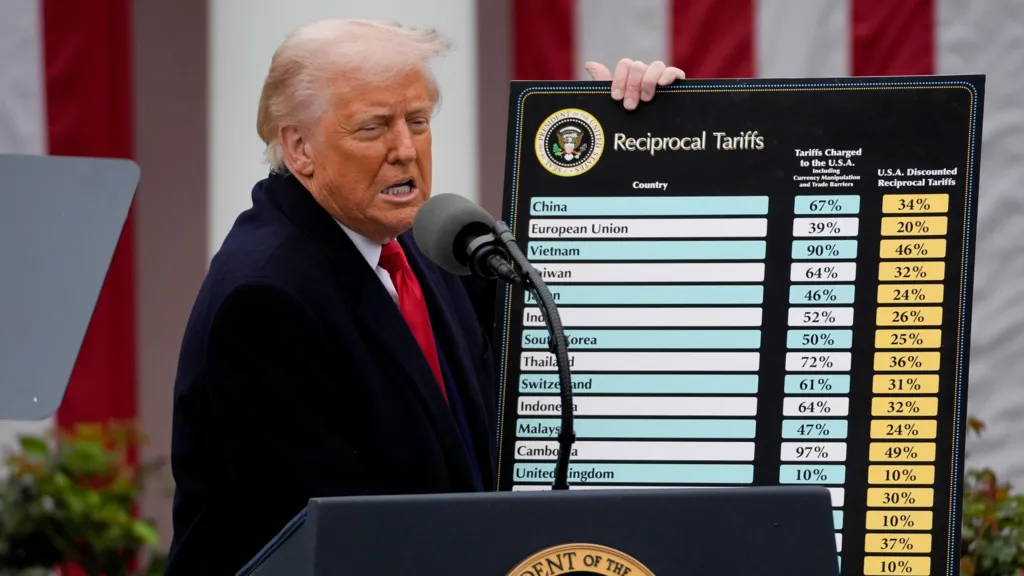
Exactly one year has passed since the Trump administration initiated a sweeping overhaul of American trade policy, implementing a series of aggressive tariffs that have fundamentally restructured the global economic order. What began as a campaign promise to “protect American industry” has, over the last twelve months, evolved into a complex reality of reshaped supply chains, retaliatory measures, and a significant shift in how nations conduct business with the world’s largest economy. As the first anniversary of these measures arrives, four distinct trends have emerged that define the new “tariff era” of 2026.

The most visible change has been the accelerated exodus of manufacturing from regions heavily targeted by the 10% to 20% universal baseline tariffs. To avoid these levies, multinational corporations have rapidly shifted their assembly lines to “friendly” nations that maintain specific bilateral agreements with Washington. This has resulted in a massive investment surge in Mexico, Vietnam, and parts of Eastern Europe. While this migration was already a budding trend, the finality of the 2025 trade executive orders turned a gradual shift into a frantic sprint, effectively creating a “two-tier” global trade system divided by tariff-exempt status.
Despite initial assertions that exporting nations would “pay” the tariffs, the reality for the American consumer has been one of gradual price increases, particularly in the electronics and automotive sectors. Major retailers have moved away from absorbing the costs, instead passing them on through “tariff surcharges” or subtle price hikes. This “tariff creep” has contributed to the persistent 3.14% inflation rate reported this morning, as the cost of imported components for everything from smartphones to washing machines remains elevated. While the administration points to a “manufacturing renaissance” in the Rust Belt, the immediate domestic impact has been a tighter squeeze on household disposable income.
The global response to “America First” trade policies has been a sophisticated cycle of retaliatory tariffs, specifically targeting American agricultural exports. This has forced a radical realignment for US farmers, who have had to pivot away from traditional markets in East Asia toward emerging buyers in Africa and South America. The “Soybean War” of late 2025 saw record stockpiles in the Midwest, leading to a new federal subsidy program to support domestic growers. Simultaneously, the European Union’s retaliatory levies on American-made motorcycles and bourbon have cooled trans-Atlantic trade, pushing the EU to strengthen its internal “Strategic Autonomy” trade bloc.

Perhaps the most unexpected consequence has been the shift toward “de-materialized” trade. As physical goods became more expensive to move across borders due to customs duties, the global economy saw a record 12% increase in the trade of digital services and intellectual property. Companies are increasingly “exporting” software, design, and consulting services—which are harder to capture under traditional tariff structures—to offset the losses in hardware sales. This has sparked a new international debate at the World Trade Organization regarding the definition of “taxable trade,” as the 20th-century tariff model struggles to keep pace with a 21st-century digital economy.
Related News:
 US Trade Deficit Hits Fresh High Despite Trump’s Tariffs
 UK Doubles Steel Tariffs to 50% to Protect Domestic Plants
 Modi’s London Visit Seals Historic UK-India Trade Pact Amid Global Tensions
 Britain’s Brain Drain: Why Young Workers Are Choosing Berlin Over London
 David Lammy Faces Possible Legal Challenge Over Foreign Office Secondment Scheme
 Grant Shapps Cleared to Join Defence Startup Despite Ethical Concerns
 Chancellor Rachel Reeves Pushes for Sweeping Changes to Environmental Protections to Accelerate Development
 Starmer Urged to Champion Workers’ Rights Amid Low Public Awareness
 King Charles Earns Over £1 Million from Duchy Land Linked to Scrapped HS2 Project
 Senior Tories Condemn Badenoch’s Vow to Repeal Climate Change Act as Catastrophic
 Kemi Badenoch Unveils ‘Golden Rule’ to Halve Spending Cuts for Deficit Reduction at Tory Conference
 Lucy Powell urged ministers to reconsider costly legal case for Labour donor’s firm
 Rachel Reeves to lead UK trade push in Saudi Arabia amid rights debate
 Trump’s UK Ambassador Urges North Sea Drilling to Strengthen US Ties
 Rachel Reeves Set to Break Labour Pledge and Raise Income Tax
 MPs Press Rachel Reeves to Hike Gambling Taxes
 Millionaires group urge Reeves to introduce wealth tax to ‘lift kids out of poverty’
 Canada Passes Carney’s First Budget in Tight Parliamentary Vote
 PM Highlights UK Business at G20 in South Africa
 India’s Labour Law Overhaul Sparks Fierce Debate
 Starmer Says Labour’s Economic Plan Needs Years to Deliver
 Starmer links foreign trips to tackling cost of living crisis
 China Dependence Threatens UK Energy Supply Chains and Jobs
 MPs warn AI financial risks threaten UK stability
 MPs warn AI financial risks threaten UK stability
 Trump Fed bid heads to Supreme Court
 Labour Must Revive High Streets to Avoid Election Collapse
 UK food industry urges transition if post-Brexit rules reset
 AstraZeneca China Investment Signals Strategic Shift Abroad
 Barclays drops Global Counsel after Mandelson link scrutiny
 Could Manchester Lead the UK’s Economic Revival?
 Robert Jenrick to Be Unveiled as Reform UK’s Treasury Spokesman, Reports Say
 Reform Plans to Keep UK’s Budget Watchdog in Office
 Jenrick: I’ll Back OBR but There’ll Be No More Cosy Consensus
 Another U-turn Ahead as Labour Reconsiders Youth Minimum Wage
 Japan Braces as Takaichi Begins New Term with Huge Mandate for Low‑Tax, Ultra‑Conservative Agenda
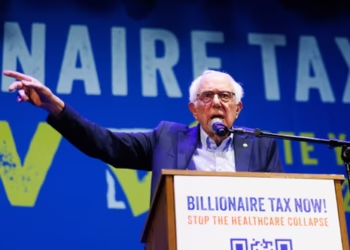 Sanders Condemns Billionaire ‘Greed’ in California Tax Debate
 Tim Wilson Backs RBA Dual Mandate Amid Inflation Debate
 UK Sees Record £30.4bn Budget Surplus, Boosting Reeves’ Position
 Tories Would Scrap ‘Debt Trap’ of High‑Interest Student Loans, Says Kemi Badenoch
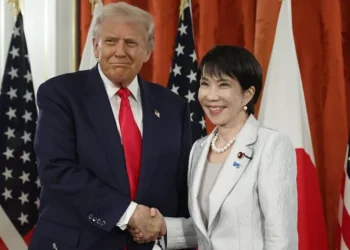 What Now for Asia After Trump’s Tariffs Were Struck Down?
 Ukraine war briefing: Russia exporting more oil now than before war despite sanctions – report
 Ministers Urged to Ban Crypto Political Donations
 MPs Backed by Phillipson as She Defends Student Loan Change; Average Repayments to Rise by £8 a Month
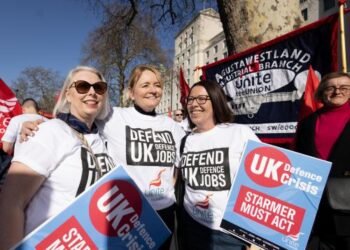 Reeves Must Back Defence Plan or Face Dismissal, Says Unite Chief
 Canada’s Finance Minister Says US Unlikely to Lift Tariffs
 Labour’s Employment Shake‑Up ‘Makes Britain Worse Than France’
 China Sets Lowest Economic Growth Target Since 1991
 US Trade Court Orders Tariff Refunds in Setback for Trump Administration
 Venezuela and US to Work Together on Mining Developments, Rodríguez Says
 Could Trump Threaten London’s £50bn Insurance Giant?
 Nissan Sunderland Plant Faces Uncertain Future Under EU Rules
 Iran War Raises Questions Over China’s Global Plan
 Irish economy grew strongly in 2025
 Iran War Puts Trump at Political Risk Amid Rising Prices
 Gulf Oil Shock Sends Global Economic Ripples
 Iran Rejects Ceasefire, Warns Trump With Chilling Message
 US Says 16 Iranian Mine Ships Destroyed in Hormuz
 Labour Plans Nuclear Investment Summit Days After Holyrood Election
 US Launches Probe into Trading Partners Including EU, China, and India
 UK Fuel Tax Hike Plan to Be Kept Under Review Over Iran Conflict
 Wealthy Britons Flee Gulf War but Avoid UK Taxes
 Sri Lanka Sets Weekly Shutdown to Save Fuel
 UK Wage Growth Slows as Jobs Market Holds Firm
 UK Forecast to See Biggest Growth Hit from Iran War
 UK Forces Ready to Seize Russian Shadow Fleet Vessels
 ‘No Surprise’: Ramaphosa Downplays South Africa’s Exclusion from Emergency G7 Summit
 ‘Eye in the Sky’ Blinded: Photos Reveal Destroyed US Radar Jet at Saudi Base
 Badenoch Demands Energy Tax Cuts Over ‘Benefit Street’ Bailouts
 Tories Urge Three-Year VAT Scrap on Energy Bills to Combat Price Spike
 Starmer Launches Labour Local Election Campaign Under Shadow of ‘Bloodbath’ Predictions
 Zelensky Looks to Gulf to Protect Him from Putin
 Iran Strikes Kuwaiti Desalination Plant, Killing Worker as ‘Water War’ Escalates
 The 8 Million Dilemma: Why Britain’s Disability Safety Net is Facing a ‘2026 Reckoning’
 The ‘Peterborough Windfall’: Council Calculator Finds £84,800 in Unclaimed Support
 Trump Signals US Exit From Iran as Tehran Eyes Peace
 Can Congress Stop US Sports Teams From Moving Cities?
 British Businesses Braced as National Living Wage Hits £12.71 Published: 1 April 2026
 Markets Shaken as Trump Vows to Hit Iran ‘Extremely Hard’
 Uncertainty Lingers as Trump’s Iran Strategy Remains Shrouded