Published: 2 April 2026 . The English Chronicle Desk. The English Chronicle Online- Providing definitive coverage of the Australian legal system and national security.
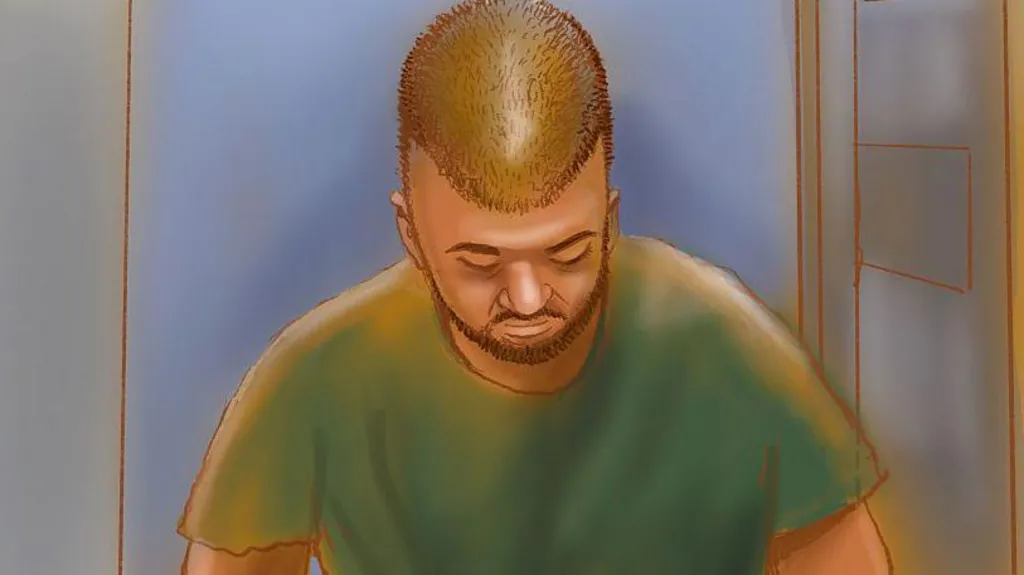
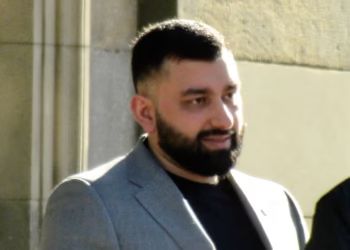
In a landmark ruling for “open justice” in Australia, a Sydney judge has today rejected a 40-year suppression order sought by Naveed Akram, the man accused of the devastating Bondi Beach mass shooting. Akram, 24, had petitioned the court to permanently hide the identities, home addresses, and workplaces of his mother and two younger siblings, citing extreme fears for their physical safety. However, Judge Hugh Donnelly of the Downing Centre Local Court ruled that the high threshold for such a “gag order” had not been met, especially given that much of the information was already in the public domain.

The legal battle stems from the horrific events of 14 December 2025, when Naveed Akram and his father, 50-year-old Sajid Akram, allegedly opened fire on a Hanukkah celebration at Bondi Beach, killing 15 people—including a 10-year-old girl. While the elder Akram was killed by police at the scene, Naveed survived and currently faces 59 charges, including 15 counts of murder and committing a terrorist act. The defense argued that since the attack, the surviving family members—who police state had no involvement in the crimes—have been subject to relentless harassment and threats from vigilantes.
Judge Donnelly acknowledged the “unprecedented public interest, outrage, anger, and grief” surrounding the case but noted that suppression orders must only be used in “exceptional circumstances.” He pointed out that Naveed’s driver’s licence, which contained the family’s home address, had already been widely circulated on social media platforms in the immediate aftermath of the shooting. Furthermore, the court heard that Akram’s mother had provided an interview to a local newspaper shortly after the incident, effectively making her identity public before any legal protections were sought.
A coalition of major Australian media organizations, including News Corp, the ABC, and the Guardian, successfully opposed the bid. Their legal counsel argued that a domestic suppression order would be “futile” in the digital age, as Australian courts have no jurisdiction over overseas websites or social media giants where the family’s details remain accessible. Judge Donnelly agreed, stating that prohibiting local media from reporting names that are already globally known would be ineffective and would hinder transparent reporting on one of the country’s most significant criminal trials.

While the ruling removes the legal barrier to naming the family, several news outlets have indicated they will continue to exercise editorial discretion regarding the publication of specific addresses to avoid inciting further violence. Naveed Akram, appearing via video link from Goulburn’s maximum-security “Supermax” prison, spoke only to confirm he could hear the proceedings and did not indicate an intention to appeal. The broader trial is set to return to court on 8 April, where prosecutors are expected to outline the full brief of evidence against the alleged gunman.
Related News:
 Ministers Accused of Defamation Over Palestine Action Ban and Mass Arrests
 Charlie Kirk Killing Used to Mobilise UK’s Largest Far-Right Rally in Decades
 Jailed Georgian Opposition Leaders Warn UK of Iranian Links to Ruling Party
 Shabana Mahmood Warns Border Failings Are Eroding Trust in States
 UK Gamer Recruited by Wagner Group Found Guilty of Arson
 Johnson Approved China’s London ‘Super-Embassy’ in 2018
 Pregnant UK Teen to Be Freed from Georgian Jail
 Just Stop Oil Protesters Convicted Amid Climate Defence Row
 British Grandmother to Return Home After Death Sentence in Bali
 UK and EU Signal Fresh Push for Defence Cooperation Talks
 Emails Show Epstein Funded Mandelson’s Husband After Jail
 Jet2 Hands Passengers Life Ban After Mid‑Air Brawl
 Dual Nationals Face Scramble for UK Passports as New Rules Come Into Force
 Burning a Quran Is Disorderly, High Court Told
 How Much Could Andrew’s Arrest Hurt the Royal Family?
 Two Arrested After Woman Set on Fire in Revenge Attack
 UK Must Obey International Law Over Iran, Says Thornberry
 Net Closes on Lyons Clan: Partner Arrested in Dubai as Crime Boss Snared in Bali
 ‘A Moral Stain’: LGBT Veteran Sues MoD for £50k Following Historic Abuse Claims
 The £140,000 ‘Trolley Dash’: 17-Year-Old Admits Massive Shoplifting Campaign Across London
 ‘Operation Beaconport’: New Inquiry Vows to Hunt Hundreds of Abusers Still at Large
 ‘The Shield of Silence’: Grooming Inquiry to Expose Officers Who Sheltered Abusers
 ‘The Falling Doctor’: Neurosurgeon Sues NHS After Hospital Lift Plunges Four Floors
 UK Must Act with Courage and Clarity on Israel-Palestine Conflict, Says Foreign Affairs Committee Report
 Northern Ireland Family of Three Shot Dead in Maguiresbridge Home Incident
 Targeted Attack in Bury Sparks Murder Investigation as Community Awaits Justice
 Radioactive Leak at UK’s Nuclear Warhead Base Sparks Outcry Over Safety and Secrecy
 Mutual Inconvenience: Why Alaska Was Chosen for the Trump-Putin Summit on Ukraine
 Terence Stamp, ’60s British Film Legend and Star of Superman, Dies at 87
 Merseyside Police Helicopter Crew Cleared After Low-Altitude Pursuit of Suspect
 Is the UK Ready to Put Boots on the Ground in Ukraine? Assessing Military Capacity and Challenges
 Shein UK Faces Allegations of Shifting Majority of Profits to Singapore to Reduce UK Tax
 Tanni Grey-Thompson Faces Abuse Over Opposition to Assisted Dying Bill
 Mahmood Pledges Reform of Modern Slavery Laws After Court Blocks Deportation Appeal
 No Evidence Found to Substantiate Alleged Rape in Oxfordshire Churchyard, Police Confirm
 Digital ID Plans Ignite Debate Over £600m Treasury Tax Boost and Privacy Concerns
 French Taxi Driver Cleared in David Lammy Theft Case After Fare Dispute
 I’m a Celebrity 2025 line-up revealed: Osbourne joins
 Palace May Restore Hyphen to Andrew Mountbatten-Windsor’s Name
 Trump Urges Herzog to Grant Netanyahu Full Pardon
 Major Rent Reform Ends No-Fault Evictions in England
 Royal Navy Shadows Russian Warships Entering the Channel
 Tokyo court rules Japan’s same-sex marriage ban constitutional
 Woman Jailed for Life After Killing E-Bike Rider in Tragic Mistaken Identity Case
 UK New Car Discounts Near £6,000 as Prices Are Slashed
 Starmer Weighs Fast-Tracking Defence Boost
 Motorists Could Face ‘Mandatory’ Driving Ban for Road Offences Under Tougher Laws
 Students Begin Covid Compensation Claim Against 36 More Universities
 Snow and Rain Warnings as Cold Snap Continues in the UK
 Nine Arrested in France Over Death of Far‑Right Student
 Civil Service Pay: Union Urges Ministers to End ‘Barking Mad’ Limits
 Epstein Eyed Record Label Investment to Access Women, Files Suggest
 Fly-Tippers to Be Hunted by ‘Drone Squad’ in Crackdown from the Sky
 Live Nation Sees Strong Ticket Sales as Monopoly Lawsuit Looms
 Australian PM Says Former Prince Andrew Has Suffered ‘Extraordinary Fall’ but That Won’t Prompt Republic Referendum
 Farage Chagos Islands Row Sparks Fury
 Storm Hernando: Edinburgh Airport Flights Cancelled in US Travel Chaos
 ‘We’ve been paying for happy endings for Andrew for years’: inside the royal disgrace, biographer says
 Rape Accused Had Fight With Man in Alley, Court Told
 Suspects in Lisa Dorrian Case Released on Bail
 Driver Jailed Over Fatal Water Treatment Tank Crash
 Brit ‘in Good Spirits’ Amid Dubai Missile Attacks, Stranded but Safe
 Trump rebukes Starmer over Iran strikes
 Labour MP’s Partner Arrested on Suspicion of Spying for China
 Police Scotland Pays £8m Compensation to Staff
 Minister Meets Crews Who Will ‘Take Out’ Iranian Drones
 Armed police incident closes major road
 Scots Man Convicted in Dirty Money Case After DNA Found on Cash
 Queensland Protest Laws Spark Free Speech Backlash
 Liverpool Shooting Horror as Girl, 17, Shot in Legs in ‘Targeted Attack’
 Yvette Cooper: UK Must Follow Principles, Not US Pressure
 Australia Imposes Sudden Travel Ban on Iranian Visitors
 Mandelson’s Phone Messages Requested in Files Release
 UK Forces Ready to Seize Russian Shadow Fleet Vessels
 Two Men Bailed Following Arson Attack on Jewish Charity Ambulances
 US Lawmaker Demands Testimony Over Sarah Ferguson’s ‘Close Epstein Ties’
 ‘Eye in the Sky’ Blinded: Photos Reveal Destroyed US Radar Jet at Saudi Base
 Woman Deported from China Over Manx Passport Mix-Up
 Police Hunt Bike-Riding Gunman After Man Shot Dead Near Euston
 ‘The Final Word’: Kathleen Stock’s Polemic Against Assisted Dying Reshapes the UK Debate