Published: 03 April 2026. The English Chronicle Desk. The English Chronicle Online.
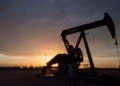
The cost of daily essentials has climbed sharply across the entire globe this past month. New data from the United Nations confirms that food prices rose significantly during March. This sudden spike follows a period of relative stability for many international commodity markets. The primary driver behind this shift is the ongoing conflict within the Middle East region. Escalating violence has sent shockwaves through the energy and global shipping sectors. These rising costs are now trickling down to the supermarket shelves of every nation. Households in the United Kingdom are bracing for a fresh wave of high inflation. The Food and Agriculture Organisation tracks the prices of several essential food commodity groups. Their latest index shows a notable increase of over two percent in a month. This marks the second consecutive month that global food costs have trended upwards. The index monitors the prices of grain, sugar, meat, dairy, and vegetable oils. Previously, these costs had been falling for five months before this recent reversal began.
Vegetable oil and sugar saw the most dramatic price increases during the month of March. Sugar prices jumped by seven percent while vegetable oil rose by five percent globally. Analysts fear that the Middle East war could trigger long-term elevated food inflation. Higher fuel and electricity prices increase the cost of processing and cooking food. Moving goods across continents has also become much more expensive for major shipping companies. Fertiliser production is particularly vulnerable to the current disruptions in the Middle East region. About one third of global fertiliser travels through the narrow Strait of Hormuz. This vital shipping channel has remained closed since the start of the conflict. UN projections suggest that prices could stay twenty percent higher throughout this year. Such a sustained increase would place immense pressure on lower-income families everywhere. The official UN report states that all major commodity groups showed some price growth. This reflects underlying market fundamentals and the direct impact of high energy prices.

Global wheat prices also moved upward by more than four percent in March. This was partly caused by deteriorating crop conditions and drought in the United States. Lower levels of planting in Australia have also contributed to the tighter supply. Farmers there are struggling with the soaring costs of essential fertilisers and fuels. Better crop conditions in Europe have helped to offset some of these global losses. However, export competition remains very high as countries scramble to secure their food supplies. In the United Kingdom, the Food and Drink Federation has issued a stark warning. They represent twelve thousand manufacturers who are feeling the pinch of rising input costs. The federation now predicts food prices will rise by nine percent this year. This is nearly triple the original forecast made before the Middle East conflict began. Such a revision highlights how quickly the economic landscape can change during wartime. British families must now prepare for their grocery bills to remain stubbornly high.
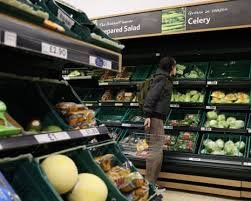
These grim forecasts assume that the Strait of Hormuz will reopen very soon. Most experts believe the channel must be clear within the next three weeks. There is also a hope that energy facilities will return to normal quickly. However, these outcomes are far from certain as the conflict continues to escalate. British farmers are already reporting significant problems with their current spring production cycles. Producers of salad vegetables and dairy products are facing the most immediate challenges. The British Tomato Growers Association warned of price hikes for many common vegetables. Shoppers could see more expensive tomatoes and cucumbers within the next six weeks. These plants are grown in large glasshouses that require massive amounts of gas. As gas prices rise, the cost of heating these structures becomes nearly unbearable. Some growers may choose to reduce their output to avoid these high costs. This could lead to shortages of fresh British produce in local supermarkets.
Chancellor Rachel Reeves recently held emergency meetings with the bosses of major retailers. Leaders from Tesco, Sainsbury’s, and Marks & Spencer discussed the growing cost crisis. They explored ways to ease the burden on consumers and strengthen supply chains. The government is keen to prevent a repeat of previous food security scares. However, many companies across the country expect to raise prices in coming months. A survey by the Bank of England shows a shift in business expectations. Chief financial officers now plan to increase their prices by nearly four percent. This is a noticeable jump from the expectations recorded just one month ago. Business leaders also believe that general inflation will stay higher for longer. The dream of a low-inflation environment seems to be fading for now. This creates a difficult balancing act for policymakers and the central bank. Raising interest rates could slow inflation but might also hurt struggling British households.
The link between energy and food has never been more apparent than today. When oil and gas prices rise, the entire food system feels the heat. Modern farming relies heavily on fuel for tractors and natural gas for fertilisers. Processing plants require vast amounts of electricity to turn raw ingredients into meals. Finally, every item must be transported by lorries or ships to reach stores. Each of these steps has become more expensive due to the Middle East. The closure of shipping lanes forces vessels to take much longer routes. Longer journeys mean more fuel is consumed and higher wages must be paid. These logistical headaches eventually result in higher prices for the average British shopper. Even a simple loaf of bread is affected by these distant global events. The interconnected nature of our world means that local prices reflect international strife. Peace in the Middle East would likely provide the fastest relief for consumers.
The British public has already endured several years of high living costs. Another spike in food prices will be a bitter pill to swallow. Many people have already adjusted their shopping habits to save every penny possible. Discount retailers like Aldi and Lidl continue to see their market shares grow. Traditional supermarkets are fighting hard to keep their customers by offering loyalty discounts. However, even the most efficient retailers cannot absorb all the rising costs. At some point, the pressure from high energy prices must be passed on. The government may face calls to provide more support for vulnerable families. Whether there is enough fiscal room for such measures remains a question. For now, the focus is on keeping the supply chains moving safely. Protecting the flow of goods into the UK is a top national priority. The coming weeks will be crucial for determining the path of inflation.

If the conflict persists, the global economy could enter a very difficult phase. High food prices often lead to social unrest in many parts of the world. Developed nations like the UK are not immune to these wider pressures. The current situation serves as a reminder of our reliance on stable energy. Diversifying energy sources could help to protect food systems in the long run. Renewable energy and local fertiliser production are becoming more attractive to many. However, these transitions take years and do not help with today’s grocery bills. For the moment, the world remains at the mercy of geopolitical events. The UN report provides a clear warning that must be taken seriously. Policy leaders must act with both urgency and careful thought to succeed. Balancing the needs of farmers, retailers, and consumers is a massive task. Everyone is hoping for a swift resolution to the crisis abroad. Until then, the cost of living remains the primary concern for all.
Related News:
 Canada-China trade gains momentum in new strategic partnership
 India-EU Free Trade Deal Marks Historic Economic Shift
 Keir Starmer meets Xi to strengthen UK-China economic relations
 UK Experts Raise Alarm Over Machinery Export to Armenian Firm
 Caffè Nero Warns Coffee Prices May Rise Again
 Abramovich Chelsea Sale Cash Faces Jersey Probe
 Stocks rise as Trump offers Iran peace plan
 US Military Weighs Perilous Moves to Reopen Hormuz
 IMF Predicts Global Economic Crisis Due to Gulf Unrest
 Manila Transport Crisis: Fuel Costs Hit Breaking Point
 Trump Slams Europe as Transatlantic Tensions Boil Over
 Trump Issues Stark Warning After Strike On Iran’s Largest Bridge
 Reeves Faces Setback as Labour May Miss Homes Target
 Virgin Trains Moves Closer to Challenging Eurostar Monopoly
 Trump’s UK Ambassador Urges North Sea Drilling to Strengthen US Ties
 Ryanair Chief UK Economy ‘Doomed’ Under Labour
 M&S Profits More Than Halve After Cyber-Attack
 Tony Blair think tank warns Rachel Reeves must cut taxes if manifesto broken
 Earl of Yarmouth Faces £1.3m Legal Bill Over Family Estate
 Millionaires group urge Reeves to introduce wealth tax to ‘lift kids out of poverty’
 From Lego to Pokémon: How Adults Are Driving UK Toy Market Growth
 New laws to bolster UK’s defences against cyber attacks on NHS, transport and energy
 Skims Eyes Global Expansion After Reaching $5 Billion Value
 Global markets drop amid tech sell-off and China slowdown
 Canada Passes Carney’s First Budget in Tight Parliamentary Vote
 Starmer Says Labour’s Economic Plan Needs Years to Deliver
 Virgin Media Fined £23.8m Over Telecare Safety Failures
 Rising Water Bills Lift Troubled Thames Back to Profit
 FTSE 100 Hits 10,000: UK Market Celebrates Record Year
 UK House Prices Fall Sharply at Year-End, Nationwide Reports
 Capitol Attack Anniversary Sparks Deep Political Divide
 Saudi Officials Report Zubaidi Flee Before Yemen Peace Talks
 UK Targets in New York Bomb Threat Hoax: Man Jailed
 Gambia Supreme Court Hears Case to Overturn FGM Ban
 Wessex Water chiefs receive £50,000 extra despite government bonus ban
 Trump targets Iran trade with 25% tariff warning
 US Senate rejects resolution limiting Trump military powers
 Gulf states warn Trump Iran strikes risk wider Middle East war
 Machado Trump medal gesture reshapes Venezuela power struggle
 Geopolitical football: Iran, Trump and the World Cup clash
 Syria President Declares Victory as Ceasefire Reached with SDF
MPs warn AI financial risks threaten UK stability
Syria President Declares Victory as Ceasefire Reached with SDF
MPs warn AI financial risks threaten UK stability
 Shinzo Abe’s killer receives life sentence in Japan
 China General Under Investigation Amid Leadership Purge
 Philippines ferry disaster leaves 15 dead, dozens missing
 US Dollar Hits Four-Year Low Amid Market Turmoil
 Amazon mistakenly signals new global layoffs to employees
 Households in England Face Rising Water Bills in April
 UK New Car Discounts Near £6,000 as Prices Are Slashed
 Cambridge Faces Scrutiny Over Arms Investment Transparency
 Telstra AI jobs cuts as automation drive expands
 BT Names New Openreach Chief Amid Major Fibre Expansion
 Concerns rise for Canberra boy amid Iran detention fears
 Glencore Approves $2bn Payout Despite Profit Slump
 Uncertainties Loom for Businesses and Consumers After Trump’s Tariff Changes
 UK Job Vacancies Hit Five-Year Pandemic Low
 Trump’s new tariff takes effect at lower than expected rate
 UK Youth Unemployment Surges Amid Tax Changes
 Strong Rebound for UK Housing Market Sees 6% More Homes
 Switching Energy Deal Can Save £200 as Price Cap Falls
 Oil Prices Surge Above $100 Amid Iran War
 Ukraine Sends Drone Experts to Defend US Bases in Jordan
 Yvette Cooper: UK Must Follow Principles, Not US Pressure
 UniCredit’s Bold Move to Reshape European Banking
 UK Wage Growth Slows as Jobs Market Holds Firm
 Charity Watchdog Takes Control of Learning Disability Care Home
 Jury Rules Meta and YouTube Liable for Addictive Design
 The Woman Guarding Earth From the Threat of Asteroids
 Trump Threatens Iran With Total Infrastructure Destruction
 Germany Grapples With AI Abuse Following TV Star Scandal
 Exiled Tycoon Warns of New Russian Attacks on UK Soil
 LA 2028: Millions of Affordable Olympic Tickets Announced
 Russia: The Unforeseen Winner of the Iran Conflict
 Inside the Deceptive Machine: A Former Producer Speaks Out
 Can Congress Stop US Sports Teams From Moving Cities?
 Spain Faces Backlash Over Xenophobic Chants in Egypt Draw
 A Global Voice For Justice: Stephen Lewis Dies At Age 88
 Hope and Fear as Iranians Flee Across the Turkish Border
 New Gmail Feature Ends Era of Embarrassing Email Names
 US Senators Slam Ticketmaster Over Sneaky New Fee Hikes