Published: April 6, 2026
The English Chronicle Desk
The English Chronicle Online
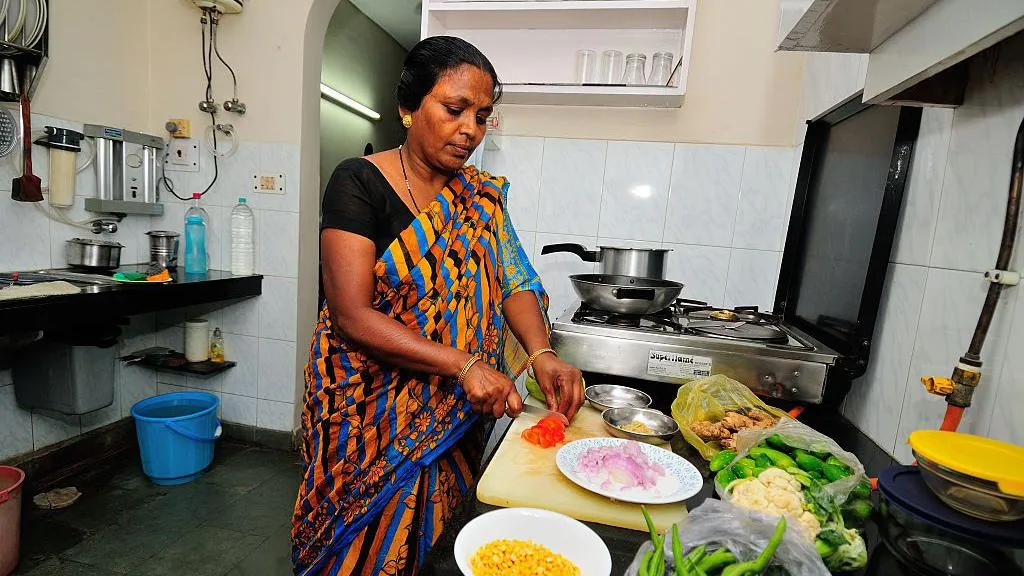
India’s rapidly expanding gig economy has introduced a new level of convenience to urban households, where hiring domestic help—from cleaners to cooks—can now be done in as little as 15 minutes through mobile apps. While this model reflects the country’s growing digital infrastructure and demand for on-demand services, it has also sparked debate over fairness, labour rights, and the long-term sustainability of such systems.
At the centre of this transformation are app-based service platforms that connect households with domestic workers almost instantly. With a few taps, users can schedule services, track availability, and complete payments, mirroring the convenience seen in ride-hailing and food delivery sectors. For time-pressed urban professionals, this has significantly reduced the friction traditionally associated with finding reliable household help.

However, behind the efficiency lies a more complex reality. Domestic work in India has historically been informal, often lacking written contracts, fixed wages, or social protections. The digitalisation of this sector has not entirely resolved these issues. Instead, critics argue, it has repackaged them within a platform-driven model that may prioritise speed and scale over worker welfare.
One of the primary concerns is income stability. While gig platforms promise flexibility and access to more clients, workers often face unpredictable demand and fluctuating earnings. Algorithms that determine job allocation and pricing can further complicate matters, leaving workers with limited control over their schedules and income potential. In some cases, service fees and platform commissions reduce take-home pay, raising questions about equitable compensation.
Worker classification is another contentious issue. Many platforms classify domestic workers as independent contractors rather than employees, which limits their access to benefits such as health insurance, paid leave, and legal protections. This classification has become a focal point in broader debates about gig economy regulation, not only in India but globally.
There are also concerns about working conditions. The promise of rapid service delivery can place pressure on workers to accept jobs quickly, sometimes without adequate information about the employer or the nature of the task. Safety, both physical and financial, remains a critical consideration, particularly for workers entering unfamiliar households.
From the consumer perspective, the system offers undeniable advantages. Standardised pricing, verified profiles, and customer reviews create a sense of reliability that was often missing in traditional arrangements. For many households, especially in major cities, these platforms provide a structured alternative to informal hiring practices.
Yet this convenience has prompted ethical questions. Some observers argue that the expectation of near-instant service reflects a broader shift toward valuing efficiency over fairness. The ability to secure domestic help within minutes may come at the cost of undervaluing the labour involved, reinforcing existing social and economic inequalities.
Regulatory responses are still evolving. Indian authorities have begun examining the gig economy more closely, considering frameworks that could extend protections to platform workers while preserving the flexibility that defines the sector. Proposed measures include minimum wage guarantees, social security contributions, and clearer guidelines on worker classification.
The issue also intersects with gender dynamics. A significant proportion of domestic workers in India are women, many of whom rely on this work as a primary source of income. Changes in the structure of domestic employment therefore have broader implications for gender equity and economic participation.
Technology companies operating in this space argue that their platforms create opportunities by formalising a previously unregulated sector. They point to features such as digital payment systems, training programs, and customer ratings as steps toward improving transparency and accountability. Some platforms have introduced insurance coverage and support services, though critics contend that these measures are not yet sufficient.
The rapid growth of on-demand domestic services reflects deeper shifts in India’s urban economy. As dual-income households become more common and lifestyles grow increasingly fast-paced, demand for flexible support services is likely to continue rising. This creates both opportunities and challenges, particularly in balancing efficiency with fairness.
Comparisons have been drawn with other segments of the gig economy, such as ride-hailing and food delivery, where similar debates have unfolded. In each case, the central question remains: how to ensure that technological innovation benefits all stakeholders, not just consumers and platform operators.
For domestic workers themselves, experiences vary widely. Some report increased earnings and greater autonomy, while others highlight instability and lack of protections. This diversity of outcomes suggests that the system’s fairness cannot be assessed in absolute terms but must be understood within specific contexts.

Ultimately, the emergence of 15-minute domestic help services in India represents a significant evolution in how labour is organised and accessed. It illustrates the power of technology to reshape everyday life, but also the need for careful consideration of its social impact.
As the sector continues to expand, the challenge will be to create a model that balances speed, convenience, and equity. Without such balance, the very efficiencies that define the system may come at a cost that is increasingly difficult to justify.
Related News:
 Post Office Scandal Compensation Tops £1 Billion as Victims Finally See Justice
 Tensions Unfold in Market Harborough as Asylum Seeker Hotel Sparks Divisive Protests
 How to Exit Your Broadband Contract Without Paying Exit Fees
 Diageo Faces Profit Slump and Tariff Blow Amid Leadership Crisis
 China’s crackdown on civil servant perks sparks economic concerns
 Chancellor Rachel Reeves Pushes for Sweeping Changes to Environmental Protections to Accelerate Development
 Inflation Latest: Cost of Living Expected to Rise Again in Key Figures Released Today
 Shein UK Faces Allegations of Shifting Majority of Profits to Singapore to Reduce UK Tax
 Big Pharma Investment Freeze Puts UK Life Sciences Sector Under Strain
 Jaguar Land Rover Extends Production Halt Following Cyber-Attack
 Great Britain’s Energy Operator Commits to Strengthening Grid to Prevent Blackouts
 UK Government Backs Return of International Rail Travel to Kent Stations
 Wetherspoon vows to keep prices low amid soaring energy and tax costs
 UK House Price Growth Slows as Buyers Exercise Caution Ahead of Autumn Budget
 Kemi Badenoch Unveils ‘Golden Rule’ to Halve Spending Cuts for Deficit Reduction at Tory Conference
 New V-Level qualification to transform post-16 education
 Real living wage set to rise nearly 7% for UK workers in 2026
 Reeves Faces Setback as Labour May Miss Homes Target
 Virgin Trains Moves Closer to Challenging Eurostar Monopoly
 Trump’s UK Ambassador Urges North Sea Drilling to Strengthen US Ties
 Ryanair Chief UK Economy ‘Doomed’ Under Labour
 M&S Profits More Than Halve After Cyber-Attack
 Earl of Yarmouth Faces £1.3m Legal Bill Over Family Estate
 Millionaires group urge Reeves to introduce wealth tax to ‘lift kids out of poverty’
 From Lego to Pokémon: How Adults Are Driving UK Toy Market Growth
 New laws to bolster UK’s defences against cyber attacks on NHS, transport and energy
 Canada Passes Carney’s First Budget in Tight Parliamentary Vote
 Starmer Says Labour’s Economic Plan Needs Years to Deliver
 Virgin Media Fined £23.8m Over Telecare Safety Failures
 Anglo American Scraps Bosses’ £8.5m Bonus Plan After Investor Fury
 Historic £100-Weekly Pension Boost Brings Relief for UK Mineworkers
 FTSE 100 Hits 10,000: UK Market Celebrates Record Year
 Metals and Mining Stocks Lift FTSE 100 to Record Close
MPs warn AI financial risks threaten UK stability
Metals and Mining Stocks Lift FTSE 100 to Record Close
MPs warn AI financial risks threaten UK stability
 US Dollar Hits Four-Year Low Amid Market Turmoil
 Amazon mistakenly signals new global layoffs to employees
 Households in England Face Rising Water Bills in April
 UK New Car Discounts Near £6,000 as Prices Are Slashed
 Pound Sinks and Borrowing Costs Rise as Starmer Fights for Job
 London Loses Its Grip on Ambitious Young Workers
 Major UK Clothing Firm Collapses into Administration — 109 Jobs at Risk
 Telstra AI jobs cuts as automation drive expands
 BT Names New Openreach Chief Amid Major Fibre Expansion
 Is Dining Out Dying Out?
 Could Manchester Lead the UK’s Economic Revival?
 Lloyds Boss Accepts Concern Over Use of Staff Data in Pay Talks
 Live Markets Bet on Spring Rate Cut as Inflation Falls
 Live Nation Sees Strong Ticket Sales as Monopoly Lawsuit Looms
 AI Coding Firm’s ‘Pride’ at Business Award Win
 Uncertainties Loom for Businesses and Consumers After Trump’s Tariff Changes
 UK Job Vacancies Hit Five-Year Pandemic Low
 Trump’s new tariff takes effect at lower than expected rate
 UK Youth Unemployment Surges Amid Tax Changes
 Strong Rebound for UK Housing Market Sees 6% More Homes
 Bill Gates ‘Took Responsibility’ Over Epstein Ties in Staff Meeting, Foundation Says
 Netflix Drops Bid for Warner Bros, Clearing Way for Paramount Takeover
 Burger King Rolls Out AI Headsets to Track Employee ‘Friendliness’
 Switching Energy Deal Can Save £200 as Price Cap Falls
 Labour’s Employment Shake‑Up ‘Makes Britain Worse Than France’
 Limited Flights Leave UAE But Disruption Continues Amid Iran Strikes
 Oil Prices Surge Above $100 Amid Iran War
 Sarah Ferguson Loses Another £1.5m Amid Financial Struggles
 Abramovich Chelsea Sale Cash Faces Jersey Probe
 US Launches Probe into Trading Partners Including EU, China, and India
 Oil Price Jumps Despite Deal to Release Record Amount of Reserves
 ‘Heating Oil Suppliers Are Holding Us to Ransom’ as Prices and Cancellations Surge
 Sri Lanka Sets Weekly Shutdown to Save Fuel
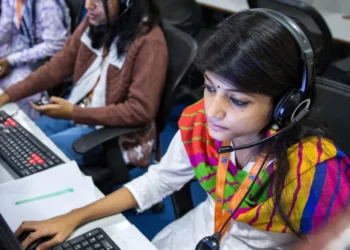 India’s $300bn Outsourcing Industry Faces AI Test
 Charity Watchdog Takes Control of Learning Disability Care Home
 English Football’s Managerial Merry-Go-Round Has Become a Circus
 Trump Threatens Iran With Total Infrastructure Destruction
 The 8 Million Dilemma: Why Britain’s Disability Safety Net is Facing a ‘2026 Reckoning’
 The ‘Peterborough Windfall’: Council Calculator Finds £84,800 in Unclaimed Support
 Trump Slams Europe as Transatlantic Tensions Boil Over
 ‘White Elephant on Wheels’: Orkney Council to Sell £456,000 Bin Lorry with Only 2,000 Miles
 Russia: The Unforeseen Winner of the Iran Conflict
 Can Congress Stop US Sports Teams From Moving Cities?
 The $11k Ticket: High Stakes and Dynamic Pricing in FIFA’s First Open Sale
 National Treasure: Raja Ravi Varma Masterpiece Smashes Indian Art Record with $17.9m Sale
 US Senators Slam Ticketmaster Over Sneaky New Fee Hikes