Published: 06 April 2026. The English Chronicle Desk. The English Chronicle Online.
The British justice system faces a mounting crisis regarding its treatment of innocent crime victims. Advocacy groups across the United Kingdom are now demanding an urgent review of current compensation limits. For three decades, the maximum award for life-altering injuries has remained fixed at five hundred thousand. This static figure fails to account for the massive economic shifts seen since the mid-nineties. Campaigners argue that this frozen cap forces victims into a future defined by severe financial hardship. The Criminal Injuries Compensation Authority first established this specific upper limit in April of nineteen ninety-six. It serves victims in England, Scotland, and Wales who endure permanent damage like paralysis or trauma. These funds are designed to cover essential long-term care and replace lost lifetime earnings for survivors. However, the purchasing power of this money has eroded significantly over the last thirty years today. Experts suggest that if the cap tracked inflation, it would now exceed one million pounds sterling. Without this adjustment, the most vulnerable citizens are left struggling to afford basic medical necessities now.

The human cost of this policy stagnation is visible in the story of Craig Lewis-Williams. This fifty-year-old man from north Wales saw his entire life change in November twenty-twenty-one. He was walking home peacefully when a violent attack resulted in a catastrophic traumatic brain injury. The assault left him unable to walk or swallow without help from specialized medical equipment daily. During his recovery process, he suffered a stroke that caused permanent paralysis on his left side. He now requires professional carers to visit his home at least six times every single day. Before the attack, Craig worked as a successful warehouse manager with a stable and bright future. His attacker eventually pleaded guilty to grievous bodily harm and received a brief one-year prison sentence. Although Craig received the maximum compensation award after a long appeal, his family remains deeply worried. His wife, Anna, points out that the costs of specialized mobility vehicles are rising very fast. The current payout must last him for the next thirty years of his expected adult life. With the ongoing cost of living crisis, five hundred thousand pounds feels like a small amount.
Anna Lewis-Williams highlights that common household items and medical tech now cost much more than before. Replacing a heavy-duty wheelchair or a modified van can easily deplete a significant portion of savings. She notes that the world has changed drastically since the compensation rules were first written down. Global instability and rising energy prices have made every pound stretch much thinner than in previous decades. The family must now balance the immediate needs of today against the uncertainty of tomorrow’s costs. This pressure is felt by many others across the country who face similar long-term recovery paths. In north-west England, a mother named Nichola shares these intense fears for her teenage daughter, Lou. Lou was born with brain damage resulting from drug exposure during her biological mother’s difficult pregnancy. Despite these early challenges, the young girl has worked incredibly hard to attend a mainstream school. She still battles significant mental processing difficulties and complex mood disorders that affect her daily interactions. Doctors believe she will struggle to maintain any form of traditional employment as an adult survivor.
Nichola explains that while the compensation sum looks large, it must last for eighty long years. A teenager with limited job prospects will never build a pension to support her older years. This means the initial payout is the only financial safety net she will ever truly have. Without an increase in the cap, survivors like Lou face a lifetime of potential poverty risks. Legal professionals are now joining the call for the government to modernize this aging financial system. Neil Sugarman is a seasoned lawyer who has dedicated his career to helping injured criminal victims. He previously served as the president of the Association of Personal Injury Lawyers with great distinction. Sugarman describes the current thirty-year freeze as a wake-up call for the entire British government. He believes it is an insult to ask victims to manage on nineteen-ninety-six level funds. Those who suffer catastrophic brain injuries through no fault of their own deserve much better treatment. The legal community argues that the state has a moral duty to provide adequate financial restitution.

The Ministry of Justice has responded to these growing concerns with a short official public statement. A spokesperson stated that their thoughts remain with all those affected by various violent criminal acts. They claimed the government is leaving no stone unturned to support survivors of serious violent crimes. Records show that over one hundred and sixty-four million pounds were paid out last year alone. This taxpayer-funded scheme remains a vital part of the broader British social safety net for all. However, critics point out that the total spend does not address the individual cap on payouts. Spreading the fund across many people does little for those who need intensive round-the-clock care support. The gap between the current limit and the actual cost of living continues to grow wider. Many believe the government must act now to prevent a total collapse of victim support services. If the limit remains unchanged, more families will fall into debt while managing their injuries. The call for justice is no longer just about the courtroom but about financial survival too.
The English Chronicle continues to monitor this developing story as more families come forward with stories. Each account highlights a system that has failed to keep pace with the modern economic reality. For many, the fight for fair compensation is a fight for dignity and a stable home. They are asking for a system that recognizes the true value of a life changed forever. As the debate intensifies, the pressure on policymakers to implement a fair increase is becoming undeniable. The victims of thirty years ago and the victims of today deserve the same protection. Relying on outdated figures from a previous century is no longer a viable or fair option. True restoration for crime survivors requires a commitment to meeting their actual needs in the present. This issue sits at the heart of what a compassionate and fair society should represent today. The government now faces a choice between maintaining the status quo or embracing meaningful social reform. Survivors across the United Kingdom are waiting to see if their voices will finally be heard. The future of victim support hangs in the balance as this national conversation continues to evolve. Reach out to your local representative to share your thoughts on this vital public policy matter. Together, we can ensure that the voices of the vulnerable are never ignored by those in power.
Related News:
 Peterborough Mosques Tighten Security After Attack
 Reeves Faces Setback as Labour May Miss Homes Target
 Hospice Cuts Raise Alarm Across England Amid Funding Crisis
 Kate Winslet to Narrate Film Highlighting King’s Environmental Mission
 Trump’s UK Ambassador Urges North Sea Drilling to Strengthen US Ties
 French Taxi Driver Cleared in David Lammy Theft Case After Fare Dispute
 UK Bans Fake Numbers: Scammers Lose Their Trick
 M&S Profits More Than Halve After Cyber-Attack
 Kent village told to remove flags before Christmas lights go up
 Patients to Test Health at Home to Ease NHS Winter Pressure
 Palace May Restore Hyphen to Andrew Mountbatten-Windsor’s Name
 Millionaires group urge Reeves to introduce wealth tax to ‘lift kids out of poverty’
 Shouting Works Best to Deter Gulls, UK Study Finds
 Reeves rejects £1bn plea for NHS redundancy payouts
 Northern Lights may illuminate UK skies this week
 PM Condemns Leaks, Vows Loyalty to Ministers and Stability
 Major Rent Reform Ends No-Fault Evictions in England
 Criminal Gangs Pose as Truckers to Hijack UK Supply Chains
 Stroke Patient Mistaken for Drunk, Care Delayed
 Van Dwellers Face Eviction After Park Misuse Sparks Outcry
 Royal Navy Shadows Russian Warships Entering the Channel
 Inside the Helpline Protecting Missing Children in the UK
 Boots Showstopper Beauty Bundle Outshines Many Advent Calendars This Holiday Season
 Labour’s ‘blinkered’ drive to build risks pushing wildlife to point of no return, nature experts warn
 PlayStation PS5 Deals Hit Lowest Prices Ahead of Black Friday
 Five-Year-Old Dies After Rare Tonsil Surgery Complication
 Starmer Says Labour’s Economic Plan Needs Years to Deliver
 More Patients Now Contacting GPs Online, Data Shows
 UK unemployment rises to four-year high of 5.1% before budget
 Wiltshire Police Use Lasso to Catch Rampaging Village Goat
 Children to Receive Home Vaccines as England Acts
 Cambridge College Faces Backlash Over Private School Recruitment
 NHS Violence Crisis: Staff Face Daily Assaults
 Celebrity Campaign Highlights SMA Screening Failures
 Bereaved Fathers Gain New Paternity Leave Rights in UK
 Storm Goretti leaves Cornwall homes without power
 New Documentary Examines Teen’s Zombie Knife Murder
 Woman Jailed for Life After Killing E-Bike Rider in Tragic Mistaken Identity Case
 UK Ministers Drop Foreign Student Targets for Global Education Push
 No Gas Boiler Ban as UK Warm Homes Plan Backs Heat Pumps
 Shinzo Abe’s killer receives life sentence in Japan
 Police response times face strict new national limits
 Labour policing overhaul sparks fears over growing central control
 Devon hosts first high-density hydro power system
 Pornhub blocks new UK users over age checks dispute
 Starmer warns of toxic division politics in Reform challenge
 UK New Car Discounts Near £6,000 as Prices Are Slashed
 Pneumonia Surge Pushes England Emergency Cases Higher
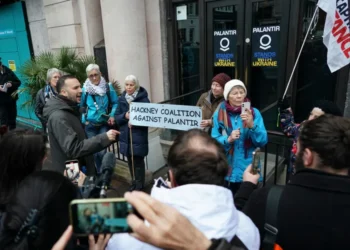 Palantir contracts face UK halt calls over transparency
 Send spending gap leaves deprived areas behind
 Hidden Crisis: Domestic Abuse Suicide Toll in UK
 Farage to Name Jenrick as Reform Chancellor Pick
 UK MPs Demand Ban on Brazilian Butt Lifts
 Civil Service Pay: Union Urges Ministers to End ‘Barking Mad’ Limits
 Antonia Romeo appointment sparks criticism
 Farage Chagos Islands Row Sparks Fury
 UK Job Vacancies Hit Five-Year Pandemic Low
 UK Youth Unemployment Surges Amid Tax Changes
 Reform UK targets workers’ rights repeal
 Half of Britons Avoid GP When Ill, Survey Reveals Growing Concern
 Strong Rebound for UK Housing Market Sees 6% More Homes
 Russian Trade Routed Through British Islands Exposed
 Mandelson Arrest: Met Apologises to Hoyle
 Rolling Hills and Heritage: A Car-Free Break in Leicestershire
 Switching Energy Deal Can Save £200 as Price Cap Falls
 Mother Says ‘I Hugged My Daughter’s Killer’ as They Cried Together in Prison
 Insulin Evidence in Letby Trial Under Scrutiny After Expert’s GMC Probe Emerges
 Trump rebukes Starmer over Iran strikes
 Gen Z Binge Drinking Surges in Early 20s
 BBC Charter Reform Sparks Independence Battle
 Thousands Protest Iran Strikes Outside US Embassy London
 UK Oil and Gas Supplies Reassured Amid Middle East Concerns
 ‘We can’t go back’: mother of six-year-old cancer survivor fears UK visa changes
 Palantir NHS Contract Sparks Fears Over Data Power
 Yvette Cooper: UK Must Follow Principles, Not US Pressure
 Charity Watchdog Takes Control of Learning Disability Care Home
 Australia Imposes Sudden Travel Ban on Iranian Visitors
 Wes Streeting Backs Starmer Amid Speculation of Leadership
 Keir Starmer Vows Strong Action Against Online Tech Giants
 MP Outrage Grows as Travelodge Boss Misses Key Safety Talk