Published: 08 April 2026. The English Chronicle Desk. The English Chronicle Online.
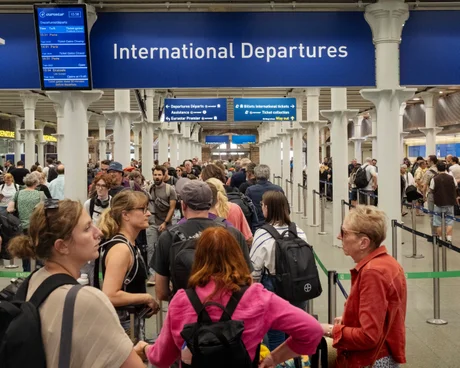
The regional aviation landscape across the west of Britain faced a defining moment this Tuesday afternoon. A long-standing legal battle between two neighboring transport hubs reached a significant and final conclusion today. The Competition Appeal Tribunal delivered a unanimous judgment that dismissed a challenge from Bristol Airport. This case centered on a substantial funding package provided by the Welsh government to Cardiff Airport. Bristol had argued that this financial support created an unfair advantage within the local market. They claimed the move directly breached the specific rules set out in the Subsidy Control Act. The tribunal judges ultimately disagreed with these claims during the landmark hearing held in London. This decision allows the Welsh government to proceed with its ambitious ten-year investment strategy. Officials in Cardiff welcomed the ruling as a victory for regional connectivity and growth. They expressed a sincere hope that both airports would continue to thrive in the future.
The controversy began when a massive subsidy of two hundred and five million pounds was announced. This funding was intended to revitalize the state-owned facility located in the Vale of Glamorgan. Bristol Airport representatives argued that such a large sum would fundamentally distort regional aviation competition. They suggested that the taxpayer should not be burdened with such a heavy financial load. However, the tribunal ruled that post-Brexit regulations allow for greater flexibility in government spending. This flexibility means that the Welsh government acted within its legal rights to support Cardiff. A spokesperson for Bristol expressed deep disappointment with the final outcome of the legal challenge. They intend to study the detailed judgment before deciding on any further legal actions soon. The tension between these two airports is certainly not a new or sudden development. Friction has been simmering since the Welsh government first purchased Cardiff Airport back in 2013.

The original purchase price of fifty-two million pounds was considered well above the market value. At that time, passenger numbers were falling rapidly after a major budget airline stopped operating. The decision to nationalize an airport was seen as a very unusual move in Britain. Most major airports across the United Kingdom are owned and operated by private investment firms. Cardiff has struggled to return to a profit despite receiving multiple bailouts over the years. The aviation industry faced a massive global crisis during the recent years of the pandemic. Passenger numbers at the Welsh hub have remained significantly lower than their historic peak levels. In the year 2025, just under one million customers traveled through the Cardiff terminal doors. This figure is less than half of the record two million passengers seen in 2007. The new subsidy aims to turn these fortunes around through a decade of investment.
Approximately half of the total funding is designated for the development of new flight routes. The remaining capital will be used for essential maintenance facilities and expanded cargo capacity. Engineers will also focus on upgrading hangars to attract more technical business to the site. Supporters of the plan believe this investment is vital for the local Welsh economy. They argue that a national airport provides essential infrastructure for international trade and tourism. Critics, however, maintain that the money could be better spent on other public services. Bristol Airport has continued to push forward with its own massive expansion plans recently. Last month, they submitted proposals to accommodate an extra three million passengers every year. This expansion would involve extending the runway to allow for more long-haul flight operations. Permission was granted in 2022 to increase their annual capacity to twelve million people.
Local residents near Bristol have campaigned against these growth plans for several years now. They often cite concerns regarding noise pollution and the environmental impact of increased air travel. Despite these local objections, Bristol remains the dominant player in the regional aviation market. The rivalry between the two sites has even led to radical alternative proposals before. A government white paper once suggested closing both sites to build a new island. This proposed facility would have been located on an artificial island in the estuary. The plan never moved forward, leaving both airports to compete for the same passengers. A recent industry ranking highlighted significant challenges for both of these aging regional facilities. Both airports lost many points because they currently lack direct rail links for travelers. Bristol was ranked twenty-seventh while Cardiff was placed at the bottom of the list.
Improving transport links to the terminals remains a priority for local regional planning boards. The lack of easy rail access makes it difficult for many people to travel. Passengers often rely on buses or private cars to reach their scheduled flight departures. This dependence on road transport contributes to congestion on the busy M4 motorway nearby. The Welsh government believes that the new subsidy will help address some these issues. They want to create a more modern and accessible airport for all Welsh citizens. Bristol Airport continues to emphasize its role as a privately funded and successful business. They believe that fair competition is the only way to ensure high-quality service. The tribunal’s decision today sets a precedent for how government subsidies are handled hereafter. Other regional airports across the country will likely watch this development with great interest.

The ruling highlights the shifting legal landscape following the exit from the European Union. New domestic laws now govern how state aid is distributed to struggling local industries. The Welsh government maintains that its intervention is necessary to protect vital national infrastructure assets. They see Cardiff Airport as a gateway that connects Wales to the wider world. Without government support, they argue the facility might have faced a much bleaker future. Bristol Airport must now decide if they can continue to challenge this financial support. Their legal team will be looking for any potential grounds for a further appeal. For now, the path is clear for the Welsh government to spend the money. This includes the twenty million pounds that has already been released for immediate works. The aviation sector in the southwest remains a highly competitive and complex business environment.
Both airports will need to work hard to attract new airlines and passengers. The global travel market is still evolving as people change their flying habits lately. Sustainability is becoming a much bigger factor for travelers when choosing their preferred routes. Both Cardiff and Bristol have pledged to reduce their overall carbon footprints by 2030. Achieving these green goals will require significant investment in new and cleaner technologies. The legal battle may be over, but the commercial struggle is far from finished. The people of Wales and the West Country will ultimately decide the winner. Their choice of airport will determine which facility grows and which one stays behind. Today’s judgment ensures that both players remain on the field for the long term. The skies over the Severn Estuary are set to remain a very busy place. Readers can expect more updates as both airports reveal their future development plans. For now, Cardiff celebrates a major legal victory that secures its immediate financial future.
Related News:
 Reeves Faces Setback as Labour May Miss Homes Target
 Trump’s UK Ambassador Urges North Sea Drilling to Strengthen US Ties
 ABF May Split Primark from Food Division Amid Tough Market
 UPS Cargo Plane Crash in Kentucky Kills Seven
 M&S Profits More Than Halve After Cyber-Attack
 Tony Blair think tank warns Rachel Reeves must cut taxes if manifesto broken
 Oprah enjoys Meghan’s jam on English muffins
 MPs Press Rachel Reeves to Hike Gambling Taxes
 Millionaires group urge Reeves to introduce wealth tax to ‘lift kids out of poverty’
 UK toy market enjoys bumper year as ‘kidults’ fuel demand
 Global markets drop amid tech sell-off and China slowdown
 PM Highlights UK Business at G20 in South Africa
 Mossmorran Plant Closure Hits Cowdenbeath Hard
 UK Taskforce Unveils Plan to Streamline Nuclear Reactor Rules
 Steel billionaire Lakshmi Mittal reportedly leaves UK
 Starmer Says Labour’s Economic Plan Needs Years to Deliver
 Virgin Media Fined £23.8m Over Telecare Safety Failures
 Rising Water Bills Lift Troubled Thames Back to Profit
 Sainsbury’s CEO leads business honours in New Year list
 Starmer Faces Parliamentary Battles Over UK-EU ‘Reset’ Plan
 Phoenixism Costs UK Taxpayers Millions in Recruitment Sector
 ScottishPower Tops List of Worst UK Energy Suppliers
 City & Guilds pay surge sparks backlash amid £22m cuts
 UK Government Borrowing Drops to £11.6bn in December
 AI job losses UK: Britain faces sharper employment shock
 Most young adults in UK fear uncertain jobs and economic future
 Royal Mail delivery delays affect 16 million during Christmas
 UK Housing Market Shows Early Recovery Signs
 UK economy struggles as growth stalls at 0.1% in late 2025
 Bank of England Urged to Cut Rates to Spur Growth
 UK Unemployment Rate Climbs to 5.2% Peak
 UK shelves £110m border project amid trade strain
 UK Inflation Surprise Sparks Early Rate Cut Hopes
 Progress on gender equality at top UK firms ‘achingly slow’
 Reeves Must Back Defence Plan or Face Dismissal, Says Unite Chief
 Switching Energy Deal Can Save £200 as Price Cap Falls
 OBR Reform Row Deepens Before Spring Forecast
 UK Hotel Data Sharing Probe Shakes Global Chains
 Rachel Reeves Faces Middle East Conflict Test
 Grocery Inflation Rises Amid War Fears
 Peak Greggs fears as profits tumble sharply
 BrewDog sold Highland estate for knockdown price after abandoning reforestation plans
 Yorkshire Water Funding Sparks Debate Amid Fines and Pay Row
 New £10bn rescue plan offered for Thames Water
 UK Energy Reform Could Cut Bills by £200
 Rising Costs Force Families to Rethink Days Out
 Hospitality Sector Teeters on Brink as Costs Surge
 Iceland Boss Offers Role to Sacked Waitrose Employee
 Student Loan Interest May Rise Despite 6% Cap
 Major Housebuilder Cuts Land Buying Amid Global Unrest
 City & Guilds Sale Sparks Fees and Pay Uproar
 Heathrow Chair Seeks Peace to Save Third Runway
Carillion Executives Banned After Reckless Misconduct
Heathrow Chair Seeks Peace to Save Third Runway
Carillion Executives Banned After Reckless Misconduct
 Labour Faces Internal Pressure for Bold Economic Shift
 Millionaires Back Higher Taxes to Save UK Public Services
 Crypto Tycoon Enters UK Rich List at Number Six
 UK Firms Freeze Spending as Iran Conflict Bites
 Summer Shock: British Energy Bills Set for Grim July Hike
 Reeves to Fast-Track Clean Energy Amid Iran Crisis
 M&S Boss Slates Food Price Caps as ‘Preposterous’
 UK Pushes for New EU Goods Trade Deal
 UK Urged to Build EU Rejoin Consensus, Says Miliband
 Tube Strike Brings Capital to a Standstill Over Shift Disputes
 BP Stands Firm on Amanda Blanc Amid Boardroom Storm
 Steel Tensions Rise Between United Kingdom and European Union
 UK House Prices Drop For Third Month Due To War Fears
 Top Chefs Back Andy Burnham to Save UK Hospitality Sector
 UK Steel Crisis: Jingye Demands Payout After Takeover
 Flutter to Cancel London Stock Exchange Share Listing
 AI Scams Push UK Investment Fraud Past £220m
 Whitehall Steps In: The Battle Over Thames Water Deepens
 Thames Water Nationalisation Pushes Closer After Rescue Objected
 John Lewis Invests £20m in Glasgow Store Upgrade
 Andy Burnham Enlists Economic Heavyweights for Leadership Bid
 Tories Clinch Shock Victory in Aberdeen South Byelection
 Rethinking the Blueprint for Youth Employment in Britain
 Sainsbury’s Boss Optimistic As Grocery Inflation Eases
 UK Households Suffer Squeeze As Disposable Incomes Drop
 Bank of England Eases Rules Despite Rising AI Risks
 BBC Faces Real Jeopardy as Licence Fee Income Declines