Published: 14 July 2026. The English Chronicle Desk. The English Chronicle Online.
The United States military has launched its third consecutive night of strikes on Iranian targets. This aggressive action comes just hours after President Donald Trump announced the reinstatement of a maritime blockade on Iran. The administration now intends to charge commercial vessels for safe passage through the vital Strait of Hormuz. Central Command stated that these strikes are intended to impose significant costs on Iranian forces. They aim to degrade Iran’s ability to threaten innocent civilians and critical commercial shipping in the region. President Trump earlier informed conservative radio host Hugh Hewitt that the US would hit them very hard. He promised strong, continued action and suggested that the Iranian leadership lacks any viable path forward.
The situation escalated sharply when the United Arab Emirates reported a deadly attack in the southern strait. Two national tankers were struck by Iranian cruise missiles while navigating in Omani territorial waters on Monday. This violent incident resulted in one Indian crew member losing his life and left eight others wounded. Four of those victims are currently reported to be in serious condition following the cruise missile strike. The price of Brent crude oil surged by nearly eight percent to over eighty-one dollars per barrel. Markets remain highly sensitive to these developments as fears of broader regional instability continue to weigh heavily.
President Trump had earlier proposed demanding a twenty percent tariff on all cargo passing through the strait. He suggested on his social platform that the US should be recognized as the guardian of the waterway. This rhetoric follows intense drone and missile exchanges that occurred after an interim deal began to collapse. Until recently, Washington maintained that the strait should remain open to all international traffic without any tolls. Charging such fees would directly violate long-standing global norms regarding the freedom of navigation for all countries. Such a move would likely cause significant economic disruption reaching far beyond the immediate Middle Eastern conflict zone.
Trump has made numerous bold claims and threats throughout the duration of this ongoing military campaign. Many of his declarations regarding victory have faced skepticism and show little grounding in the current reality. Iran and the US are technically halfway through the sixty-day period of a previous interim agreement. This deal was designed to facilitate talks for a permanent end to the war following February airstrikes. However, that framework has effectively devolved into renewed cycles of violence throughout the Persian Gulf area. The collapse of the ceasefire is deeply alarming to world leaders monitoring the potential for total war.
On Monday, the administration sent formal notification to Congress confirming that hostilities had officially resumed on July 7. This letter serves as a legal maneuver to allow military engagement for sixty days without new approval. The United States Constitution grants the power to declare war exclusively to the legislative body of Congress. Nevertheless, presidents have historically asserted the right to order shorter military engagements to protect national security. The War Powers Act requires the president to inform Congress within forty-eight hours of starting these hostilities. Critics in both parties have already accused the administration of misinterpreting the law to bypass legislative oversight.
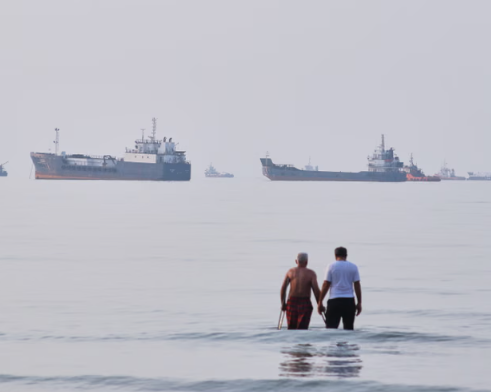
The US Navy-led Joint Maritime Information Center announced that the blockade would commence late on Tuesday night. This measure will encompass all Iranian ports, coastal areas, and critical oil terminals within the defined zone. Any vessel suspected of entering the area without proper authorization will be subject to interception and potential capture. The center clarified that neutral transit through the strait to non-Iranian destinations should remain largely unaffected by this. It remains unclear how easily the Navy can practically enforce such a comprehensive blockade in these waters.
President Trump’s new demand for tariffs arrives despite previous insistence that no country can charge such fees. Secretary of State Marco Rubio stated just last month that international law strictly prohibits these maritime tolls. The Islamic Revolutionary Guard Corps quickly accused the US of jeopardizing global energy supplies through this interference. Tehran has threatened that any aggressive moves by the United States will be met with strong, immediate contestation. The IRGC spokesperson claimed that Washington is endangering global energy security and must be held fully accountable.
The International Maritime Organization has expressed deep concern regarding the proposal to introduce these mandatory transit tolls. The UN agency noted that there is no legal basis for charging fees to transit a major strait. The organization remains firmly against any attempts to restrict passage through these critical international shipping corridors for profit. President Trump indicated that the US would likely take control of the strait to be fully reimbursed. The conflict has already caused immense suffering, with thousands of casualties reported across Iran and Lebanon since February. Regional tensions remain at a breaking point as energy prices continue to threaten the fragile global economic recovery.
Related News:
 Saudi Officials Report Zubaidi Flee Before Yemen Peace Talks
 UK Targets in New York Bomb Threat Hoax: Man Jailed
 Gambia Supreme Court Hears Case to Overturn FGM Ban
 Trump targets Iran trade with 25% tariff warning
 US Senate rejects resolution limiting Trump military powers
 Gulf states warn Trump Iran strikes risk wider Middle East war
 Machado Trump medal gesture reshapes Venezuela power struggle
 Geopolitical football: Iran, Trump and the World Cup clash
 Shinzo Abe’s killer receives life sentence in Japan
 China General Under Investigation Amid Leadership Purge
 Philippines ferry disaster leaves 15 dead, dozens missing
 Cambridge Faces Scrutiny Over Arms Investment Transparency
 Concerns rise for Canberra boy amid Iran detention fears
 Ukraine Sends Drone Experts to Defend US Bases in Jordan
 Abramovich Chelsea Sale Cash Faces Jersey Probe
 Yvette Cooper: UK Must Follow Principles, Not US Pressure
 Jury Rules Meta and YouTube Liable for Addictive Design
 The Woman Guarding Earth From the Threat of Asteroids
 Exiled Tycoon Warns of New Russian Attacks on UK Soil
 LA 2028: Millions of Affordable Olympic Tickets Announced
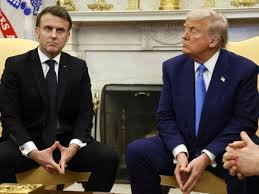 Trump Slams Europe as Transatlantic Tensions Boil Over
 Inside the Deceptive Machine: A Former Producer Speaks Out
 Spain Faces Backlash Over Xenophobic Chants in Egypt Draw
 A Global Voice For Justice: Stephen Lewis Dies At Age 88
 Hope and Fear as Iranians Flee Across the Turkish Border
 Reform UK Pledges To Halt Visas Over Reparations Demands
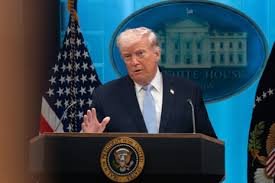 US and Iran Agree to Two-Week Provisional Ceasefire
 Starmer visits Gulf as US and Iran agree ceasefire
 Pakistan Brokers Historic Peace Deal Amid Rising Tensions
 Trump Signals Hope for New Iran Talks as Ceasefire Fades
 US and Iran Pursue Extension of Ceasefire via Pakistan
 The General’s Gambit: Pakistan’s New Role in Global Peace
 Mexico, Spain and Brazil call for Cuba dialogue amid crisis
 Pakistan’s Ambitious Bid for Middle East Peace
 Israeli Soldiers Jailed Over Vandalism of Lebanese Statue
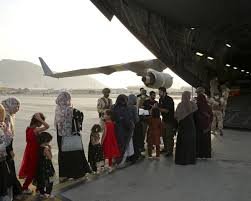 Trump Weighs Sending Afghan Allies to the Congo
 Prominent Voices Challenge Palestine Action Ban
 Merz Criticises US Approach in Iran Conflict
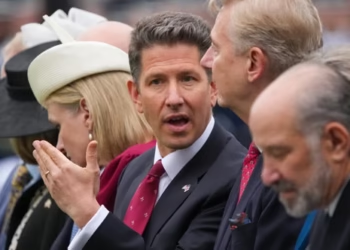 UK Envoy Sparks Controversy Over Special Relationship Claims
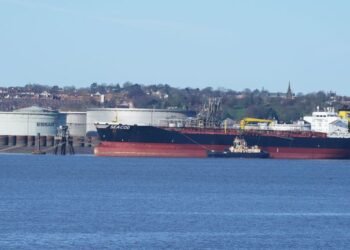 Ukraine Urges UK to Seize Russian Oil Tankers
 The Billionaire’s Secretary and the £1m Fraud
 Ukraine strikes Tuapse as oil disaster worsens
 Mission to the World’s Edge: A Heroic Rescue in Tristan
 US and Mexico Face Heatwave as Floods Batter South Africa
 Mexico’s Missing: State Complicity in a Growing Crisis
 French Patient Told Hantavirus Was Just Anxiety
 Putin Signals War End as Russian Momentum Stalls
 Romania’s Judicial Crisis: A System Under Siege
 Lee Lai Makes History with Landmark Stella Prize Victory
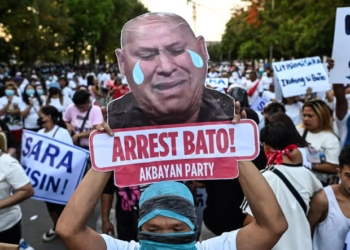 Philippine Senator Flees After Days Under Senate Siege
 Alberta Separatist Bid Blocked by Canadian Court
 Big Tobacco Under Fire Over Controversial New Ad Campaign
 Court Upholds Landmark Win for Transgender Rights
 Liberal Senator Criticises Immigration Rhetoric
 Senate Moves to Restrict Trump’s War Powers on Iran
 ICC Arrest Warrant Threat Sparks West Bank Retaliation
 Tony Abbott Returns as New Liberal Party President
 Discontent grows around Putin amid war strain
 Trump Faces Legal Blow Over Global Tariffs
 Global Tech Giants Face Off Against Australia Over Media Levies
 Ukraine Turning the Tide: Zelenskyy Reclaims the Initiative Against Isolated Russia
 Millions in British Charity Funds Linked to Illegal Settlements
 Firearm Fine for Missing Boy’s Grandmother
 Historic Peace Deal Reached Between United States and Iran
 A New Era of Diplomacy Sparks Confusion on the World Stage
 AI to Help Botanists Win the Critical Race Against Extinction
 Battle for Washington: Mayoral Race Braces for Trump
 Tuchel’s England Mission Goes Beyond Football Success
 Historic Victory for Canada as They Defeat Nine-Man Qatar
 Trump’s Iran Legacy Hangs on Tehran Deal
 What Burnham in Number 10 Means for the Future of Britain
 Canada Secure Historic Last 16 Spot with Late Goal
 White House Moves to Limit Public Voice on Fossil Fuels
 Paraguay Shock Germany in Historic Penalty Shootout
 Haaland Heroics Send Norway Into Historic Last 16 Knockout
 Iran Prepares for Massive Funeral for Supreme Leader
 China’s Pacific Missile Test Sparks Regional Alarm
 Belgium Thrashes USA After Red Card Controversy
 UK Charity Funds Illegal Hebron Settlement Expansion
 France’s Evolution Continues Past Morocco