Published: 06 April 2026. The English Chronicle Desk. The English Chronicle Online.
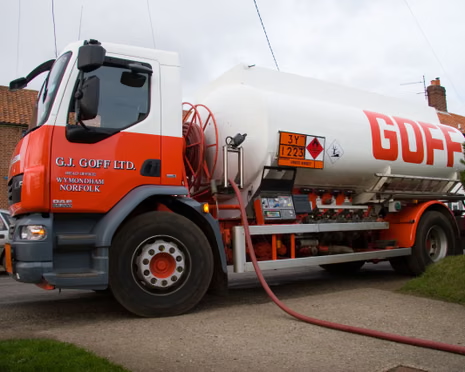
The landscape for small British businesses has shifted dramatically as the conflict in Iran intensifies. Thousands of independent firms across the United Kingdom now face a truly daunting economic reality today. Their energy bills are projected to more than double during this period of global instability. This sharp rise in heating oil costs has pushed European fuel markets to record highs. Small and medium-sized enterprises are feeling the immediate impact of these surging wholesale energy prices. About seven percent of all small companies rely on heating oil for their daily operations. These firms use kerosene to warm their properties and provide essential hot water for staff. Recent weeks have seen the price of this vital fuel double for many local businesses. Companies located in rural areas often lack a direct connection to the national gas grid. This lack of infrastructure means they have a much greater reliance on expensive heating oil. Statistics from the Federation of Small Businesses show seventeen percent of rural firms use kerosene. This specific form of fuel is closely linked to the volatile cost of jet fuel. The ongoing war has disrupted supply chains and created significant uncertainty in the global market. Trade associations report that many members have already started to ration their daily fuel use. This desperate measure is a direct response to the extraordinary price increases seen this spring. One hotel owner in North Yorkshire shared his recent struggles with these escalating utility costs. Anthony Jenkins noted his supplier charged around fifty-five pence per litre back in January 2026. By late March the quoted price for the same fuel had jumped to 129 pence. Such extraordinary increases have placed an immense burden on the shoulders of rural hospitality businesses. Jenkins explained that his supplier refused to provide a firm quote for over a week. He was eventually told the price would be over one hundred percent higher than before. To cope with this shock he only purchased half of his usual fuel delivery volume. Guests at his establishment have been asked to help keep these rising costs under control. Visitors are encouraged to turn down radiators instead of opening windows if they feel warm.

Most customers have been very happy to assist during this difficult time for the industry. They understand the pressure because they are also paying much more to fuel their cars. Jenkins hopes that longer and brighter days will allow him to use more solar heating. Relying on renewable energy might help him avoid inflating a three thousand pound annual bill. He managed to fix his electricity contract just as the Middle East conflict first began. Even then he noticed that many competitive deals were rapidly disappearing from the commercial market. The Federation of Small Businesses represents about two hundred thousand individual traders and small firms. This influential body has now called for an urgent investigation by the national competition watchdog. They want the small business sector included in the ongoing probe into heating oil markets. The global energy supply shock has fueled record prices for diesel and jet fuel alike. Market intelligence suggests that prices for these fuels reached all-time highs only this past Thursday. Diesel surpassed sixteen hundred dollars per tonne as traders prepared for a long Easter weekend. Market participants remain nervous about a further escalation of the conflict in the Middle East. High prices are expected to persist as long as the regional instability continues to grow. The Federation is also watching for rogue energy brokers trying to exploit this market crisis. These unscrupulous actors may pressure small firms into signing very long-term deals on bad terms. Tina McKenzie serves as the policy chair for this prominent national small business trade association. She noted that many thousands of small firms use brokers to find their energy contracts. McKenzie believes that much stricter rules are needed to protect these vulnerable business owners today. Small companies do not currently benefit from the government cap placed on domestic energy prices. They also lack the consumer protections that are readily available to typical household energy customers. McKenzie argues that small firms are more like households than they are like large corporations. Business energy customers are understandably nervous as the situation continues to evolve at high speed. Conditions are currently ripe for rogue brokers to take advantage of high levels of stress. Many business owners lack the specific information needed to navigate such a complex energy market. Proposals have been made to strengthen protections against these predatory and dishonest energy market brokers. These plans include much closer scrutiny from the official energy industry regulator known as Ofgem. However these new protections will not actually come into effect until fresh legislation is passed. An official spokesperson for Ofgem stated they have written to all non-domestic energy suppliers. They reminded these companies and brokers to treat every customer with fairness and total transparency. The regulator expects businesses to receive proper support while they navigate these challenging market conditions. Volatility caused by the conflict in the Middle East remains a primary concern for everyone. Small organisations are particularly vulnerable to these sudden shifts in the international fuel supply chain. Many owners are now wondering how long they can survive these record-breaking overhead cost increases. The ripple effect of the war is being felt in every corner of Britain. From rural pubs to village shops the cost of staying warm has become unsustainable. Local economies depend heavily on the success and resilience of these small independent business entities. Without further government intervention many of these firms may face a very uncertain financial future. The cost of living crisis has now firmly become a cost of doing business crisis. Energy security has become the top priority for the government as the international situation worsens. Analysts suggest that prices may not return to normal levels for several months or years. This creates a difficult environment for long-term financial planning and essential business investment strategies. Small business owners are being forced to innovate simply to keep their lights turned on. Some are investing in insulation while others are reducing their operating hours to save money. The spirit of the British entrepreneur is being tested by these unprecedented global events today. Everyone is watching the headlines from the Middle East with a sense of deep anxiety. The hope is for a swift resolution that might bring some stability back to markets. Until then the focus remains on survival and protecting the heart of the local community. Every penny counts when the price of heating a building has doubled in a month. This crisis highlights the urgent need for a more diverse and secure national energy mix. Relying on volatile global markets for essential fuel is proving to be a risky strategy. The English Chronicle will continue to monitor this developing story as more information becomes available. We remain committed to reporting on the issues that matter most to our dedicated readers. Supporting small businesses is essential for the health of the entire United Kingdom economy today. Their struggle is a reflection of the wider challenges facing our modern and interconnected world. We must hope that fair pricing and transparent practices prevail during these very dark times. The resilience of the British people has always been a source of great national pride. Together we can find a way through this energy crisis and build a stronger future. Small firms are the backbone of our society and deserve our full support and protection. Let us hope for better news and more stable energy prices in the coming weeks. The journey ahead will be difficult but the strength of our communities remains completely unshaken. High energy costs are a burden we must all find a way to carry together. Safety and stability in the Middle East would provide the relief that so many need. For now we must remain vigilant and support our local businesses whenever it is possible. Their success is our success and their struggle is something we should all deeply care about.
Related News:
 Reeves Faces Setback as Labour May Miss Homes Target
 Virgin Trains Moves Closer to Challenging Eurostar Monopoly
 Trump’s UK Ambassador Urges North Sea Drilling to Strengthen US Ties
 Ryanair Chief UK Economy ‘Doomed’ Under Labour
 ABF May Split Primark from Food Division Amid Tough Market
 M&S Profits More Than Halve After Cyber-Attack
 Tony Blair think tank warns Rachel Reeves must cut taxes if manifesto broken
 Earl of Yarmouth Faces £1.3m Legal Bill Over Family Estate
 Millionaires group urge Reeves to introduce wealth tax to ‘lift kids out of poverty’
 From Lego to Pokémon: How Adults Are Driving UK Toy Market Growth
 UK toy market enjoys bumper year as ‘kidults’ fuel demand
 New laws to bolster UK’s defences against cyber attacks on NHS, transport and energy
 Skims Eyes Global Expansion After Reaching $5 Billion Value
 Global markets drop amid tech sell-off and China slowdown
 Canada Passes Carney’s First Budget in Tight Parliamentary Vote
 PM Highlights UK Business at G20 in South Africa
 Mossmorran Plant Closure Hits Cowdenbeath Hard
 Steel billionaire Lakshmi Mittal reportedly leaves UK
 India’s Labour Law Overhaul Sparks Fierce Debate
 Starmer Says Labour’s Economic Plan Needs Years to Deliver
 Virgin Media Fined £23.8m Over Telecare Safety Failures
 Rising Water Bills Lift Troubled Thames Back to Profit
 Tesla Warns UK That Weak EV Rules Could Threaten Sales
 BP agrees £7.4bn Castrol sale to US investment firm
 FTSE 100 Hits 10,000: UK Market Celebrates Record Year
 UK House Prices Fall Sharply at Year-End, Nationwide Reports
 Wessex Water chiefs receive £50,000 extra despite government bonus ban
 Canada-China trade gains momentum in new strategic partnership
MPs warn AI financial risks threaten UK stability
Canada-China trade gains momentum in new strategic partnership
MPs warn AI financial risks threaten UK stability
 MPs warn AI financial risks threaten UK stability
 B&M and The Works Struggle During Christmas Trading
 US Dollar Hits Four-Year Low Amid Market Turmoil
 Amazon mistakenly signals new global layoffs to employees
 Labour Must Revive High Streets to Avoid Election Collapse
 Households in England Face Rising Water Bills in April
 UK needs new factory to reach 1.3m car target, says industry chief
 UK New Car Discounts Near £6,000 as Prices Are Slashed
 Study Finds One in Seven England Takeaways Are Dark Kitchens
 Telstra AI jobs cuts as automation drive expands
 BT Names New Openreach Chief Amid Major Fibre Expansion
 AI fears hit UK wealth and comparison sites
 UK Housing Market Shows Early Recovery Signs
 UK economy struggles as growth stalls at 0.1% in late 2025
 Royal Mail Blames Poor Weather and Sickness for Delayed Deliveries
 British Steel wins Turkey rail boost
 Glencore Approves $2bn Payout Despite Profit Slump
 Sanders Condemns Billionaire ‘Greed’ in California Tax Debate
 UK Job Vacancies Hit Five-Year Pandemic Low
 UK Youth Unemployment Surges Amid Tax Changes
 Strong Rebound for UK Housing Market Sees 6% More Homes
 HSBC Signals Overhaul Nearing Completion Despite Profit Drop
 Inflation Pressure RBA Policies
 Engie UK Power Networks Deal Seals £10.5bn Buy
 Reeves Must Back Defence Plan or Face Dismissal, Says Unite Chief
 Qantas Revamps Loyalty Program Amid $1.46bn Profit Surge
 Switching Energy Deal Can Save £200 as Price Cap Falls
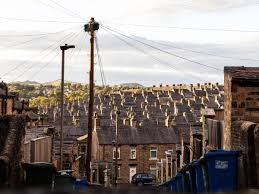 UK house prices rise as market steadies
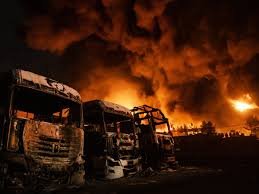 Oil Prices Surge Above $100 Amid Iran War
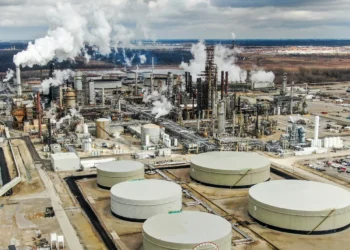 G7 Weighs Emergency Oil Reserves as Prices Surge
 Revealed: UK AI Push Faces Phantom Investment Claims
 Abramovich Chelsea Sale Cash Faces Jersey Probe
 Brazil Floods Warning as Scientists Urge Fossil Fuel Exit
 Tesla Enters British Energy Market Following Ofgem Approval
 UK Pushes NHS and MoD to Buy British Tech
 UniCredit’s Bold Move to Reshape European Banking
 UK Wage Growth Slows as Jobs Market Holds Firm
 Charity Watchdog Takes Control of Learning Disability Care Home
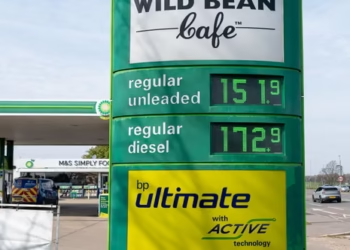 UK inflation held at 3% before global energy price hit
 Eli Lilly Seeks Higher NHS Prices for UK Investment
 Trump Threatens Iran With Total Infrastructure Destruction
 IMF Predicts Global Economic Crisis Due to Gulf Unrest
 Trump Slams Europe as Transatlantic Tensions Boil Over
 Russia: The Unforeseen Winner of the Iran Conflict
 Can Congress Stop US Sports Teams From Moving Cities?
 Trump Issues Stark Warning After Strike On Iran’s Largest Bridge
 New Gmail Feature Ends Era of Embarrassing Email Names
 US Senators Slam Ticketmaster Over Sneaky New Fee Hikes
 The Great Energy Illusion: Is America Truly Oil Independent?
 Apple at 50: Three Products That Changed How We Live
 Tax Shift Hits UK Farms: New Inheritance Rules Begin