Published: 6 April 2026 . The English Chronicle Health & Science. The English Chronicle Online—Debunking the biological shorthand of the modern fitness industry.
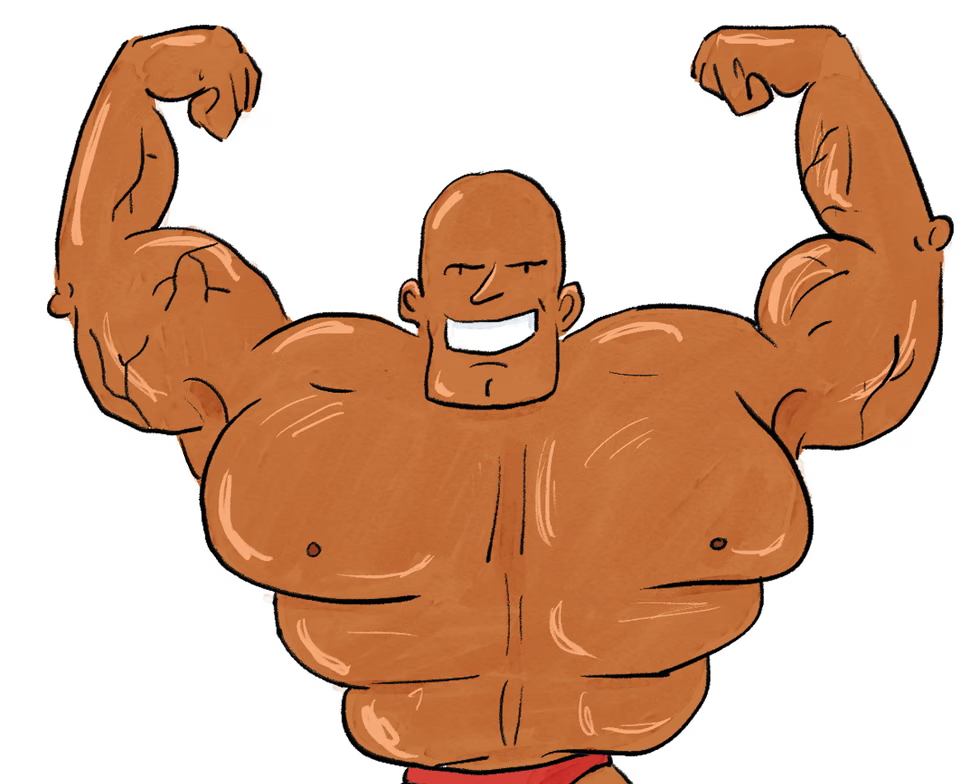
In the world of “fitness influencers” and anti-aging clinics, testosterone is often treated as a magical liquid gold—the more you have, the bigger your biceps. From “T-boosting” supplements to the surge in TRT (Testosterone Replacement Therapy), the narrative is simple: higher levels lead to a more muscular physique. But as endocrinologists and sports scientists have noted in a series of 2026 meta-analyses, the reality is far more nuanced. Is it true that more testosterone means more muscle? The answer is: Yes, but only to a point, and with several major “asterisks.”

Testosterone is indeed the primary androgenic hormone responsible for protein synthesis and the activation of satellite cells (the “repair crew” for muscle fibers). However, for the average person, the relationship isn’t a straight line.
-
The Normal Range: Most men fall between 300 and 1,000 ng/dL. Research shows that if you are already in the “healthy” middle of this range (say, 600 ng/dL), naturally boosting it to 800 ng/dL through diet or sleep will likely result in zero measurable change in muscle mass.
-
The Receptor Bottleneck: Muscle growth is limited by the number of Androgen Receptors (AR) in your cells. Think of testosterone as “mail” and receptors as “mailboxes.” If you have 500 letters but only 50 mailboxes, the extra 450 letters just sit in the street.
-
The “Supraphysiological” Exception: The “more is better” rule only consistently applies when levels are pushed beyond natural human limits (usually via synthetics). At these levels, the body is forced to create more “mailboxes,” leading to the rapid growth seen in professional bodybuilding.
There are two specific scenarios where increasing testosterone leads to a dramatic, visible increase in muscle:
-
Correcting a Deficiency: If an individual is “Hypogonadal” (below 300 ng/dL), their muscle-building machinery is essentially “off.” Bringing them back to the normal range through medical intervention acts like a “reset switch,” allowing for rapid gains in lean mass and a decrease in body fat.
-
The “Hard-Gainer” Genetic Lottery: Some individuals naturally possess a higher density of androgen receptors. These “genetic outliers” can build more muscle with the same amount of testosterone as someone else.
While the “T-Talk” dominates the conversation, several other factors are arguably more important for 90% of the population:
-
Mechanical Tension: Without heavy resistance training to “damage” the muscle and signal for repair, even high testosterone won’t build significant mass.
-
Insulin-Like Growth Factor (IGF-1): This hormone, often triggered by growth hormone and adequate sleep, is the “supervisor” that tells the testosterone where to go.
-
Myostatin Levels: Myostatin is a protein that acts as a “speed limiter” on muscle growth. Some people with average testosterone build huge muscles simply because they have naturally low myostatin.
The obsession with maximizing testosterone carries risks that the “Alpha-Male” marketing often ignores. Excessively high levels (especially via supplementation) can lead to:
-
Aromatization: The body converts excess testosterone into Estrogen, leading to water retention and “gynecomastia.”
-
Polycythemia: The thickening of the blood, which increases the risk of stroke—a growing concern in the “TRT-for-everyone” era of 2026.

As we look toward the future of personalized medicine, the advice remains grounded in the basics. Unless you have a clinical deficiency, your focus shouldn’t be on a blood test number, but on progressive overload, 1.6g of protein per kg of body weight, and 8 hours of sleep. Testosterone is the fuel, but your training is the engine—and you can’t go anywhere if the engine isn’t running.
Testosterone vs. Muscle: The 2026 Fact Sheet
| Scenario | Impact on Muscle Growth | Verdict |
| Low T $\rightarrow$ Normal T | High | Significant Gains / Fat Loss |
| Normal T $\rightarrow$ High-Normal T | Low to None | No measurable hypertrophy change |
| Normal T $\rightarrow$ Supraphysiological | Extremely High | Requires synthetic intervention; High Risk |
| High T + No Training | Very Low | Minimal “maintenance” gains only |
| Normal T + Perfect Training | High | The “Natural” Gold Standard |
Related News:
 Concerns Mount Over Accuracy of At-Home Health Tests as Study Calls for Stricter Regulation
 Labour Faces Standoff as NHS Strike Exposes Deeper Crisis
 The Ketamine Crisis in the UK is a Silent Epidemic Leaving Users with Lifelong Pain
 It’s Thanks to Gabby That I Caught My Prostate Cancer in Time’ – Kenny Logan Opens Up on His Battle and His Mission to Save Lives
 Rugby Confronts Safety Concerns with Smart Mouthguards at Women’s World Cup
 Cats Develop Dementia Similarly to Humans, Study Finds
 Compulsory Period Education for Boys and Girls Urged by New Study
 Calls Grow for a Complete Ban on Smacking as Public Opinion Shifts
 Costa Blanca Holiday Horror as Food Poisoning Outbreak Hits Four-Star Hotel
 NHS Launches Free Flu Vaccine Drive as Millions Urged to Get Protected
 Why E-Bikes and E-Scooters Are Making Streets a ‘Nightmare’ for Blind People
 Millions in the UK at Higher Risk of Heart Failure and Stroke Due to Air Pollution, Study Warns
 British Pilot Joins Crew Training for Year-Long Mars Simulation Mission
 Systemic Racism in Maternity Care Continues to Endanger Black Women in England, MPs Warn
 One in Three GPs in England Do Not Work in NHS, Raising Concerns Over Access to Care
 UK Health Officials Monitor New ‘Stratus’ Covid Variant Amid Rising Cases
 Questions Remain as Rugby Legend Lewis Moody Faces Motor Neurone Disease Diagnosis
 Sir Michael Caine Urges Starmer to End Smacking in England
 One in 12 Secondary Pupils Sent to Isolation Weekly
 M&S and Morrisons Lead Christmas Supermarket Taste Test
 New Prostate Cancer Drug Set to Halve Death Risk in England
 Hospice Cuts Raise Alarm Across England Amid Funding Crisis
 Patients to Test Health at Home to Ease NHS Winter Pressure
 Shouting Works Best to Deter Gulls, UK Study Finds
 Reeves rejects £1bn plea for NHS redundancy payouts
 Senator John Fetterman Hospitalized After Fall from Heart Flare-Up, Keeps Sense of Humor
 New AI tool could cut wasted efforts in organ transplants
 Stroke Patient Mistaken for Drunk, Care Delayed
 ‘Traumatic Wait’: Northern Ireland Women Face Breast Cancer Delays
 Healthy Habits in Your 30s That Boost Life in Your 70s
 Scottish Families Take Legal Action Over School CO Leak
 Coffins Now Too Large to Cremate Amid Rising Obesity Crisis
 Vicki Fears Losing Motability Car
 Five-Year-Old Dies After Rare Tonsil Surgery Complication
 Fibromyalgia Patients Struggle as NHS Fails to Provide Care
 More Patients Now Contacting GPs Online, Data Shows
 Streeting Orders Review Amid Rising Mental Health Benefit Claims
 Kenya Signs $2.5bn Health Deal with US Amid Data Concerns
 Energy Drinks Linked to Rising Heart and Stroke Risks
 Damien Martyn in Induced Coma After Meningitis Diagnosis
 Children to Receive Home Vaccines as England Acts
 Childhood Hypertension Sparks Urgent UK Testing Calls
 Local Fish Could Boost UK Health and Economy Significantly
 NHS Violence Crisis: Staff Face Daily Assaults
 Celebrity Campaign Highlights SMA Screening Failures
 UK Glaucoma Rise Signals Looming Eye Health Crisis by 2060
 AI breast screening cuts later cancer diagnoses by 12%, study finds
 Pneumonia Surge Pushes England Emergency Cases Higher
 Most Statin Side-Effects Are Not Caused by Drugs, Study Confirms
 Headline: Measles Alert: Dr Oz Urges Americans to Vaccinate
 UK MPs Demand Ban on Brazilian Butt Lifts
 NHS Urges Nine Million People to Get Therapy
 Trans Youth Care Crisis: NY Hospital Ends Gender‑Affirming Treatment
 ‘A Disgrace’ — Patient Blasts Neurology Report
 Drugs, Denial, Stigma: Fiji’s HIV Crisis Hits Children
 Half of Britons Avoid GP When Ill, Survey Reveals Growing Concern
 ‘I Wanted to Save Her Life’ — The Moment Twin Sisters Learned They Were Identical
 Christina Applegate shares the harsh reality of her daily life
 Drop in Overseas Workers Sparks ‘Car Crash’ for UK Hospitals
 ‘I Almost Died After a Touch‑and‑Go C‑Section’
 50,000 People Waited Over 24 Hours in A&E Corridor Care
 ‘It’s Joy in a Pot’: Why Houseplants Could Make You Happier
 New Infection Risk Alert at Glasgow’s Flagship Hospital
 Universal Flu Vaccine: Scientists Close In on Virus Weak Spots
 Lymphoedema: The ‘Hidden’ Cancer Side‑Effect No One Talks About
 Woman, 29, ‘Chucked’ Into Care Home 100 Miles Away
 Father Dies by Suicide Weeks After Wedding in Clitheroe
 ‘We can’t go back’: mother of six-year-old cancer survivor fears UK visa changes
 Palantir NHS Contract Sparks Fears Over Data Power
 Social Media Giant Trial Reaches Final Jury Decision
 UK Patients Face Long Journeys as Pharmacies Cut Hours
 Charity Watchdog Takes Control of Learning Disability Care Home
 NHS Satisfaction Rises for First Time Since 2019
 The High Cost of Survival: How the 2026 Fiscal Outlook is Redefining British Life
 Safety Fears at New £200m Maternity Unit: Mums-to-Be ‘Put at Risk’
Fuel Famine: How African Nations are Rationing Power and ‘Diluting’ Petrol to Survive
Safety Fears at New £200m Maternity Unit: Mums-to-Be ‘Put at Risk’
Fuel Famine: How African Nations are Rationing Power and ‘Diluting’ Petrol to Survive
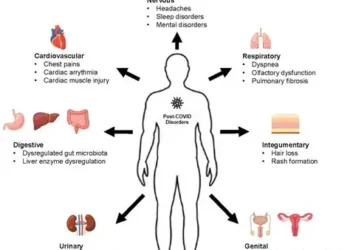 ‘Zoom Dysmorphia’ Explosion: BDD Patients Quadruple in Post-Pandemic UK
 ‘I’m So Ready’: Céline Dion Announces 10-Night Paris Comeback Residency
 Tiger Woods: Golf Legend Steps Away to Seek Treatment
 Reformer Pilates Boom Sparks Surge in Injuries, Experts Warn