Published: April 7, 2026. The English Chronicle Desk. The English Chronicle Online — Global trade, diplomacy, and the shift in Eastern energy markets.
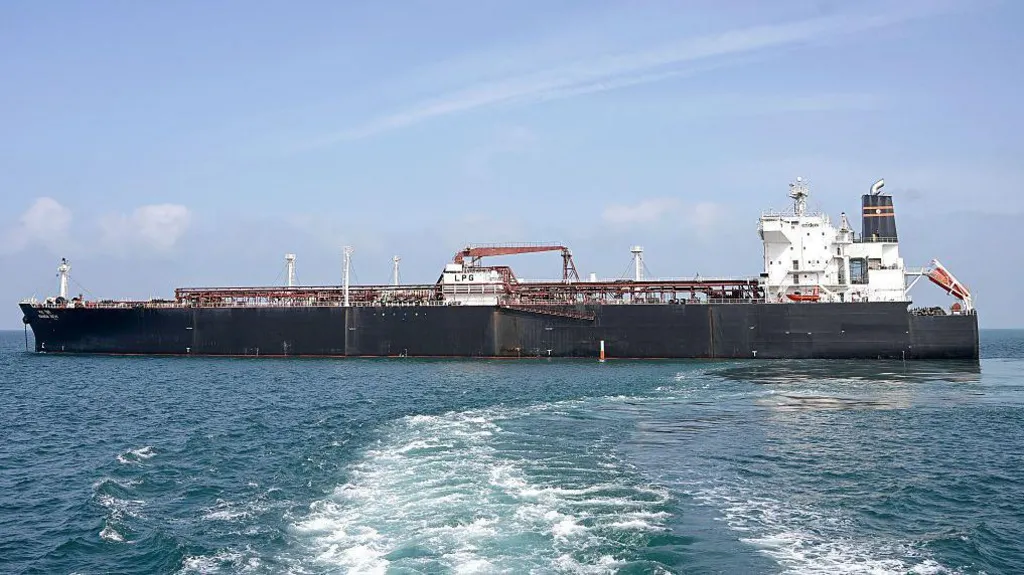
The global energy landscape has reached a point of unprecedented friction as United States President Donald Trump’s ultimatum regarding the Strait of Hormuz approaches its final hours. While the White House has positioned the Tuesday 8:00 p.m. ET deadline as the definitive moment for Iran to capitulate or face “total demolition” of its infrastructure, a significant geopolitical shift has already occurred behind the scenes. In a direct challenge to Washington’s “maximum pressure” strategy, several major Asian nations have reportedly bypassed the looming blockade by striking independent, long-term energy and security deals with Tehran, effectively insulating themselves from the immediate fallout of a potential American strike.

This diplomatic divergence is most visible in the actions of China and India, the world’s two largest emerging energy consumers. Sources close to the Asian Petroleum Logistics Council suggest that Beijing has finalized a multi-year “Strategic Energy Corridor” agreement that ensures a steady flow of Iranian crude through overland pipelines and alternative maritime routes that avoid the most contested zones of the Persian Gulf. By utilizing the Gwadar Port in Pakistan and expanding land-based infrastructure through Central Asia, China has signaled that it will not allow its industrial engine to be held hostage by a U.S.-led maritime blockade. These deals are often denominated in local currencies, further insulating the participants from the reach of the U.S. dollar-based sanctions regime.
India has also navigated a complex middle path, balancing its growing strategic partnership with Washington against its desperate need for affordable energy. While New Delhi has expressed concern over the volatility in the Strait of Hormuz, reports indicate that Indian refiners have already secured “concessional shipments” of oil and gas through a series of bilateral agreements signed late last month. These arrangements involve state-to-state bartering and the use of specialized insurance pools that bypass Western financial hubs. For India, the priority is preventing a domestic economic collapse; with inflation already creeping up due to the global oil shock, the government in New Delhi has quietly made it clear that energy security remains a sovereign priority that outweighs the adherence to American deadlines.
The regional impact of these “side deals” is profound, as they suggest a waning of U.S. influence over the energy policies of its Eastern allies and partners. Even traditional U.S. security partners in the region, such as Japan and South Korea, have been caught in a difficult position, forced to weigh the President’s aggressive rhetoric against the reality of their own dry fuel reserves. While they have publicly called for a peaceful resolution, diplomatic cables suggest they are watching the Chinese and Indian maneuvers with a view toward their own “strategic autonomy.” The consensus among Asian analysts is that while a U.S. strike might physically disable Iranian facilities, it cannot easily dismantle the web of economic interdependency that has already been woven across the continent.

As the clock ticks toward Tuesday evening, the White House remains steadfast in its narrative that Iran is isolated and nearing collapse. However, the reality of Asian nations striking independent deals suggests a much more fragmented international front. If the U.S. proceeds with its “one night” destruction plan, it risks not only a catastrophic regional war but also a permanent rift with the very Asian economies that are vital to global stability. For now, the world watches the Strait of Hormuz, but the real power play may have already happened in the boardrooms and diplomatic chambers of Beijing, New Delhi, and Tehran, where the flow of oil is being rerouted far from the reach of American carrier groups.
Related News:
 Reeves Faces Triple Threat as Markets Reel From Global Turmoil
 Gulf Oil Shock Sends Global Economic Ripples
 US Launches Probe into Trading Partners Including EU, China, and India
 India’s High-Growth Economy Braces for a Middle East Oil Shock
 Modi’s London Visit Seals Historic UK-India Trade Pact Amid Global Tensions
 Britain’s Brain Drain: Why Young Workers Are Choosing Berlin Over London
 David Lammy Faces Possible Legal Challenge Over Foreign Office Secondment Scheme
 Grant Shapps Cleared to Join Defence Startup Despite Ethical Concerns
 Chancellor Rachel Reeves Pushes for Sweeping Changes to Environmental Protections to Accelerate Development
 Starmer Urged to Champion Workers’ Rights Amid Low Public Awareness
 King Charles Earns Over £1 Million from Duchy Land Linked to Scrapped HS2 Project
 Senior Tories Condemn Badenoch’s Vow to Repeal Climate Change Act as Catastrophic
 Kemi Badenoch Unveils ‘Golden Rule’ to Halve Spending Cuts for Deficit Reduction at Tory Conference
 Lucy Powell urged ministers to reconsider costly legal case for Labour donor’s firm
 Rachel Reeves to lead UK trade push in Saudi Arabia amid rights debate
 Trump’s UK Ambassador Urges North Sea Drilling to Strengthen US Ties
 Rachel Reeves Set to Break Labour Pledge and Raise Income Tax
 MPs Press Rachel Reeves to Hike Gambling Taxes
 Millionaires group urge Reeves to introduce wealth tax to ‘lift kids out of poverty’
 Canada Passes Carney’s First Budget in Tight Parliamentary Vote
 PM Highlights UK Business at G20 in South Africa
 India’s Labour Law Overhaul Sparks Fierce Debate
 Starmer Says Labour’s Economic Plan Needs Years to Deliver
 Starmer links foreign trips to tackling cost of living crisis
 China Dependence Threatens UK Energy Supply Chains and Jobs
 MPs warn AI financial risks threaten UK stability
 MPs warn AI financial risks threaten UK stability
 Trump Fed bid heads to Supreme Court
 Labour Must Revive High Streets to Avoid Election Collapse
 UK food industry urges transition if post-Brexit rules reset
 AstraZeneca China Investment Signals Strategic Shift Abroad
 Barclays drops Global Counsel after Mandelson link scrutiny
 Could Manchester Lead the UK’s Economic Revival?
 Robert Jenrick to Be Unveiled as Reform UK’s Treasury Spokesman, Reports Say
 Reform Plans to Keep UK’s Budget Watchdog in Office
 Jenrick: I’ll Back OBR but There’ll Be No More Cosy Consensus
 Another U-turn Ahead as Labour Reconsiders Youth Minimum Wage
 Live Markets Bet on Spring Rate Cut as Inflation Falls
 City Bets on Rate Cuts as Unemployment Soars
 Sanders Condemns Billionaire ‘Greed’ in California Tax Debate
 Tim Wilson Backs RBA Dual Mandate Amid Inflation Debate
 UK Sees Record £30.4bn Budget Surplus, Boosting Reeves’ Position
 Uncertainties Loom for Businesses and Consumers After Trump’s Tariff Changes
 Canada Eyes Trade Talks After US Supreme Court Tosses Trump Tariffs
 What Now for Asia After Trump’s Tariffs Were Struck Down?
 Ministers Urged to Ban Crypto Political Donations
 Reeves Must Back Defence Plan or Face Dismissal, Says Unite Chief
 OBR Reform Row Deepens Before Spring Forecast
 Labour’s Employment Shake‑Up ‘Makes Britain Worse Than France’
 China Sets Lowest Economic Growth Target Since 1991
 Venezuela and US to Work Together on Mining Developments, Rodríguez Says
 Could Trump Threaten London’s £50bn Insurance Giant?
 Nissan Sunderland Plant Faces Uncertain Future Under EU Rules
 Iran War Raises Questions Over China’s Global Plan
 Cost of Living Crisis Returns to Centre Stage
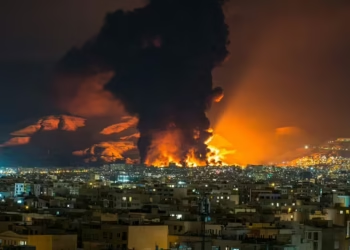 Iran Rejects Ceasefire, Warns Trump With Chilling Message
 US Says 16 Iranian Mine Ships Destroyed in Hormuz
 Iran War Costs to Be Passed to Consumers, Shipping Boss Warns
 ‘Chippies Will Die Unless We Eat Cheaper Fish’
 Labour Plans Nuclear Investment Summit Days After Holyrood Election
 UK Fuel Tax Hike Plan to Be Kept Under Review Over Iran Conflict
 Oil Price Jumps Despite Deal to Release Record Amount of Reserves
 Close Brothers to Axe 600 Jobs in £85m Cuts
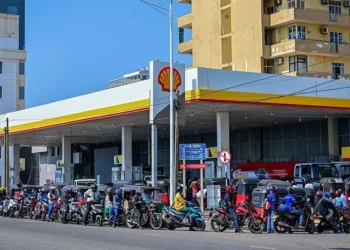 Sri Lanka Sets Weekly Shutdown to Save Fuel
 PM Seeks to Reassure Australians Over Fuel Supply
 UK Forecast to See Biggest Growth Hit from Iran War
 Badenoch Demands Energy Tax Cuts Over ‘Benefit Street’ Bailouts
 Tories Urge Three-Year VAT Scrap on Energy Bills to Combat Price Spike
 Starmer Launches Labour Local Election Campaign Under Shadow of ‘Bloodbath’ Predictions
 Zelensky Looks to Gulf to Protect Him from Putin
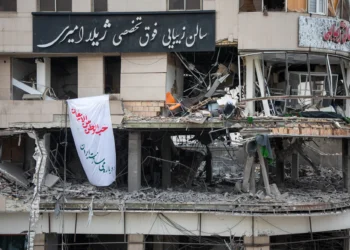 Iran Strikes Kuwaiti Desalination Plant, Killing Worker as ‘Water War’ Escalates
 The 8 Million Dilemma: Why Britain’s Disability Safety Net is Facing a ‘2026 Reckoning’
 The ‘Peterborough Windfall’: Council Calculator Finds £84,800 in Unclaimed Support
 Can Congress Stop US Sports Teams From Moving Cities?
 British Businesses Braced as National Living Wage Hits £12.71 Published: 1 April 2026
 The “Citrus” Shift: Marmalade to be Legally Rebranded in Post-Brexit Food Realignment
 Fuel Duty Relief Plea Amid Middle East Oil Crisis
 Tax Shift Hits UK Farms: New Inheritance Rules Begin
 Oil and Diplomacy: Russian Refineries Burn as Zelenskyy Secures Middle East Shield
 “A Perfect Storm”: UK Small Businesses Face Doubling Energy Bills as Iran War Rattles Markets