
Published: April 7, 2026. The English Chronicle Desk. The English Chronicle Online — Investigating the human cost of the NHS workforce crisis.
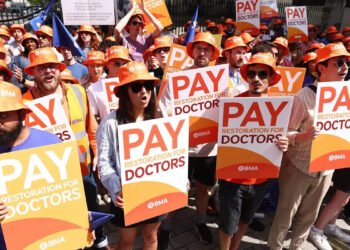
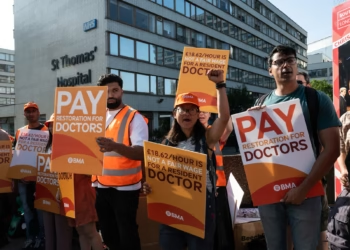
The already fractured relationship between the British government and its frontline medical staff reached a new low this week as thousands of resident doctors across England reacted with despair to the formal withdrawal of 1,000 promised specialty training posts. For many young medics, the news—described by one London-based registrar as “genuinely heartbreaking”—is the final blow in a dispute that has moved beyond pay into the very core of professional survival. As a six-day strike began on Tuesday morning, the picket lines were characterized by a sense of mourning for a lost opportunity to fix the “training bottleneck” that has paralyzed the careers of an entire generation of doctors.

The training posts in question were part of a wider government package designed to end the long-running industrial action. Health Secretary Wes Streeting had initially offered to create up to 4,500 new specialty roles over three years, with the first 1,000 due to go live this month. However, following the British Medical Association’s (BMA) rejection of the latest pay deal, the government executed a “visa-like” reversal, claiming that the strikes made the recruitment round “operationally and financially impossible.” For the 55,000 resident doctors—the backbone of hospital care—the withdrawal feels like a punitive measure that targets their long-term livelihoods.
“I’ve spent the last three years in a holding pattern, unable to progress to the next stage of my surgical training because there simply aren’t enough spots,” said Dr. Elena Rossi, a resident doctor in Manchester. “To see 1,000 jobs vanish overnight because of a political stalemate is soul-destroying. It’s not just about a pay rise anymore; it’s about whether we actually have a future in the NHS or if we’re being forced to look toward Australia or the private sector just to advance our careers.” This sentiment was echoed across social media, where the hashtag #HeartbrokenMedics trended alongside images of empty hospital corridors.
The BMA has accused the government of using “doctors’ lives as bargaining chips,” arguing that the training posts were an essential requirement for patient safety, not a luxury to be traded for strike-breaking. The union claims that by pulling the offer, the government is effectively worsening the very waiting lists it claims to be protecting. Without these new specialists, the BMA argues, the NHS will continue to leak talent to international markets, further depleting a workforce already at its breaking point. “Using our careers as a pawn in a pay dispute is a new low,” a BMA spokesperson stated from a picket line at St Thomas’ Hospital.

As the strike enters its second day, the atmosphere in the NHS is one of profound uncertainty. While Wes Streeting maintains that “you cannot reject the deal and then claim the benefits,” the clinical reality is that 1,000 fewer specialists will be entering the system this year. For the patients whose surgeries and consultations are being cancelled this week, the “torpedoed” deal represents a delay in care. For the doctors, it represents a stalled life. With neither side willing to blink, the “heartbreak” of the training freeze is becoming the new, grim status quo of British healthcare in 2026.
Related News:
 Norfolk Hospital Ranked Worst in England as NHS League Tables Return
 Ed Davey Urges UK to Attract US Cancer Scientists Amid Funding Cuts Under Trump
 Labour Announces Pay Boost and New Negotiating Body to Address England’s Care Sector Crisis
 NHS Staff Strike Over £30m Pay Discrimination Claim
 UK Health Leaders Push for Urgent Tobacco & Vape Bill
 Celebrities and Charities Demand UK Government Act on Child Poverty
 Lancashire council plans to close care homes and day centres
 Reeves rejects £1bn plea for NHS redundancy payouts
 Boris Johnson Oversaw Toxic No 10 Culture, Covid Inquiry Finds
 Welsh Government Christmas 2020 Lockdown Criticised
 “Enough is Enough”: Local MP Vows to Fight Rainham Quarry Plans
 Reform UK Health Plan ‘Would Cost £1.7bn’, Streeting Says
 US Healthcare Needs Fixing, But There’s No Agreement on How to Do It
 NHS Negligence Ruling Raises Payout Costs
 Assisted Dying on Welsh NHS a Step Closer as Senedd Votes in Favour
 NHS Maternity Units Cover Up Harmful Childbirth Errors
 Ex‑MP Jonathan Ashworth Recovering After Stroke
 Streeting Criticises SNP Over NHS App Dispute
 SNP Health Secretary Criticised Over NHS Failures Locally
 Scotland Combines Alcohol and Drug Strategy to Cut Addiction Deaths
 NHS Plans to Cut Overseas Workers Labeled Overambitious
 Safety Alarms as City Hospital Emergency Services Downgraded
 ‘My Daughter is Under the Rubble’: The Human Cost of the Tehran Strikes
 NHS to Mandate ‘Advice and Guidance’ as Referral Rationing Row Deepens
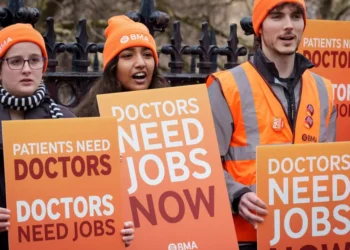 Six-Day Strike Confirmed as BMA Rejects “Training and Jobs” Package
 NHS Staff Shortages Stifling Recovery for Stroke Survivors
 Unions Raise Concerns Over Doctors’ Pay Dispute
 Streeting: Strikes Have ‘Torpedoed’ Pay Rises and 1,000 New Training Posts
 UK Must Act with Courage and Clarity on Israel-Palestine Conflict, Says Foreign Affairs Committee Report
 The Ketamine Crisis in the UK is a Silent Epidemic Leaving Users with Lifelong Pain
 Radioactive Leak at UK’s Nuclear Warhead Base Sparks Outcry Over Safety and Secrecy
 Is the UK Ready to Put Boots on the Ground in Ukraine? Assessing Military Capacity and Challenges
 Police Scotland Spends £500,000 Compensating Officers Over Trump Visit
 Urgent Action Needed on Windrush Compensation as Survivors Speak of “Waiting to Die”
 Tanni Grey-Thompson Faces Abuse Over Opposition to Assisted Dying Bill
 Systemic Racism in Maternity Care Continues to Endanger Black Women in England, MPs Warn
 Nigel Farage Unveils Controversial Immigration and Welfare Plans at Reform UK Press Conference
 Kemi Badenoch Unveils ‘Golden Rule’ to Halve Spending Cuts for Deficit Reduction at Tory Conference
 UK border officers deployed to Balkans to tackle migrant smuggling
 UK MPs warn of repeat riots over online misinformation
 M&S and Morrisons Lead Christmas Supermarket Taste Test
 New Prostate Cancer Drug Set to Halve Death Risk in England
 Army Barracks to House Migrants as Hotels Phase Out
 Trump’s UK Ambassador Urges North Sea Drilling to Strengthen US Ties
 Patients to Test Health at Home to Ease NHS Winter Pressure
 Millionaires group urge Reeves to introduce wealth tax to ‘lift kids out of poverty’
 PM Condemns Leaks, Vows Loyalty to Ministers and Stability
 Major Rent Reform Ends No-Fault Evictions in England
 Stroke Patient Mistaken for Drunk, Care Delayed
 Five-Year-Old Dies After Rare Tonsil Surgery Complication
 Starmer Says Labour’s Economic Plan Needs Years to Deliver
 England delays four mayoral elections amid criticism
 Children to Receive Home Vaccines as England Acts
 Celebrity Campaign Highlights SMA Screening Failures
 UK Ministers Drop Foreign Student Targets for Global Education Push
 No Gas Boiler Ban as UK Warm Homes Plan Backs Heat Pumps
 Shinzo Abe’s killer receives life sentence in Japan
 Police response times face strict new national limits
 Pneumonia Surge Pushes England Emergency Cases Higher
 Could Manchester Lead the UK’s Economic Revival?
 Starmer Weighs Fast-Tracking Defence Boost
 Farage to Name Jenrick as Reform Chancellor Pick
 Civil Service Pay: Union Urges Ministers to End ‘Barking Mad’ Limits
 Antonia Romeo appointment sparks criticism
 Australian PM Says Former Prince Andrew Has Suffered ‘Extraordinary Fall’ but That Won’t Prompt Republic Referendum
 Half of Britons Avoid GP When Ill, Survey Reveals Growing Concern
 Russian Trade Routed Through British Islands Exposed
 Police Scotland Pays £8m Compensation to Staff
 Minister Meets Crews Who Will ‘Take Out’ Iranian Drones
 Thousands Protest Iran Strikes Outside US Embassy London
 UK Oil and Gas Supplies Reassured Amid Middle East Concerns
 Father Dies by Suicide Weeks After Wedding in Clitheroe
 ‘We can’t go back’: mother of six-year-old cancer survivor fears UK visa changes
 Tommy and Gail Sheridan to Stand for New Political Party After Alba Demise
 Charity Watchdog Takes Control of Learning Disability Care Home
 NHS Satisfaction Rises for First Time Since 2019
 UK Forces Ready to Seize Russian Shadow Fleet Vessels
 US Lawmaker Demands Testimony Over Sarah Ferguson’s ‘Close Epstein Ties’
 ‘Zoom Dysmorphia’ Explosion: BDD Patients Quadruple in Post-Pandemic UK
 The 8 Million Dilemma: Why Britain’s Disability Safety Net is Facing a ‘2026 Reckoning’