Published: April 7, 2026. The English Chronicle Desk.
The English Chronicle Online — Protecting the digital frontiers of the next generation.
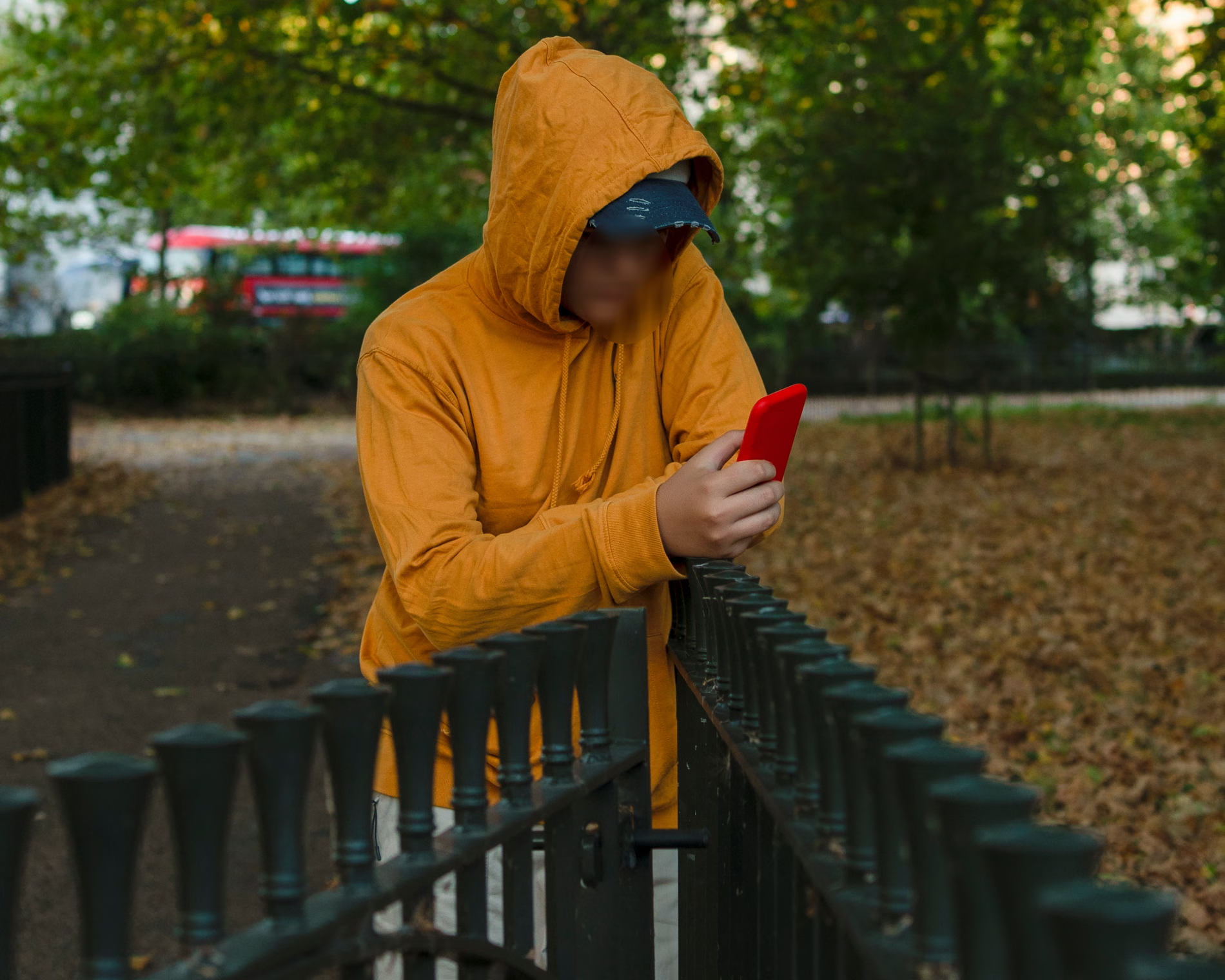
LONDON — A “deeply disturbing” surge in online sextortion targeting minors has reached record levels in the United Kingdom, according to the latest data from the Internet Watch Foundation (IWF) and the National Crime Agency (NCA). In the first quarter of 2026 alone, reports of financial-driven sextortion involving victims under the age of 18 have climbed by 180% compared to the same period last year. The figures represent a “crisis point” in child safeguarding, as organized criminal syndicates increasingly pivot from targeting adults to exploiting the digital vulnerabilities of school-age children—particularly boys.

The NCA’s “Project Bakewell” task force has identified that the majority of these attempts originate from offshore “scam centers” where operators use sophisticated AI tools to mimic the language and interests of teenagers. The goal is no longer just the exchange of images; it is a cold, calculated demand for money. In several cases reported this month, children as young as 12 were coerced into sending “hush money” ranging from £50 to £500, often using digital gift cards or mobile banking apps to hide the transactions from their parents.
Unlike traditional grooming, which can take months, 2026-style sextortion is a “speed-run.” Criminals often move from the first “Hello” on a gaming platform or social media app to a demand for an intimate photo within 48 hours. Once the image is sent, the predator instantly switches to a blackmail script, threatening to send the image to the child’s school, sports coach, or “suggested friends” on Instagram.
“The speed at which these predators work is designed to induce a state of total panic,” says James Babbage, Director General of the National Economic Crime Centre. “A child in a state of panic doesn’t think to call for help; they think about how to make the threat go away. This is where the tragedy happens.”
The record numbers have placed fresh scrutiny on the Online Safety Act 2026, which was intended to force tech giants to “design out” such risks. While platforms like TikTok and Snapchat have introduced “Safety Snapshots”—which alert users when a new contact appears to be using a VPN or an unverified location—critics argue that the criminals are simply moving to end-to-end encrypted apps like WhatsApp and Signal where moderation is technically impossible.
The UK’s Children’s Commissioner, Dame Rachel de Souza, has called for a “national conversation” in schools to strip away the shame associated with these attacks. “We need our children to know that if this happens, they are the victim of a crime, not a participant in a mistake,” she stated. “The shame belongs to the predator, not the child.”

With the 2026 Easter holidays approaching—a peak time for unsupervised screen use—police are urging parents to look for “digital distress” signals:
-
Sudden Secrecy: A child becoming unusually protective of their device or deleting apps abruptly.
-
Mood Swings: Unexplained anxiety, withdrawal from family meals, or a sudden drop in school performance.
-
Financial Anomalies: Small, unexplained digital purchases or requests for money for “in-game skins” that never appear.
As the UK grapples with these record-breaking figures, the message from the NCA is clear: Block, Report, and Tell. Paying the blackmailers never works; it only marks the child as a “paying lead” for further exploitation. In a world where the playground has moved online, the strongest defense remains a home environment where a child feels safe enough to say, “Something went wrong.”
Related News:
 UP IN FLAMES: Huge Blaze Rips Through Odeon Cinema, Students Evacuated
 Stop Releasing Phone Thieves Who Reoffend, Met Police Chief Urges Courts
 Disability and LGBT Hate Crimes Set to Become Aggravated Offences
 Teacher Who Lied About Cambridge Degree Banned From Profession
 Illegal Skin Lightening Cream Being Sold in UK Butchers, Watchdog Warns
 Man Who Threw Kittens Into River Thames Sentenced
 Last‑ditch Call to Save Police Front Counters in London
 Deaf Woman Killed After Night Out With Strangers, Court Hears
 Two Teens Found Dead at East Yorkshire Holiday Park
 Porthcawl Body Find: Man Charged After Woman in 80s Found Dead in Freezer
 Dad Found in Bed with Daughter 16 Years After Abandoning Her as a Child
 I Confronted a Mugger with an 18-Inch Machete in London – No Wonder Tom Cruise is Leaving
 He Told Police His XL Bullies Were Friendly – Days Later His Mother-in-Law Was Mauled to Death
 ‘The Arrogance of XL Bully Owner Killed Our Mum’
 ‘Don’t Make Us Security Guards,’ Says Teacher Stabbed by Pupil
 Sadistic Pair Jailed for Blowing Up Sheep
 ‘I Stopped Engaging’ Due to Instagram and YouTube, Woman Tells Landmark Trial
 Grave of Murdered Toddler James Bulger Vandalised
 Outsiders Disrupted Search for Missing Teen Noah Donohoe
 My Sub‑Postmaster Dad Carried a Weight of Shame
 Police Brothel Raids Target Organisers, Not Sex Workers
 Calls Grow to Remove Billboard Following Lyra McKee Graffiti
 Woman Says She Was Threatened With Rape After Locksmith Scam
 Murdered Student ‘Algasim’ Was ‘the Most Special Person’, Friends Say
 Sisters Who Could Not Swim Drowned While Paddling in Snowdonia, Inquest Hears
 Yorkshire School Issues Warning Over Social Media Trend Targeting Pupils
 Family of Girl Groomed by Ian Huntley Beg Medics to Save His Life
 Sarah Everard’s Killer Wayne Couzens ‘Petrified’ After Ian Huntley Prison Attack
 Undercover officer deceived women with ‘grotesque and cruel’ lies, spycops inquiry told
 Gran Vows to Shield Huntley’s Daughter From Soham Killer’s Funeral
 Beloved Teacher Dies After Student Prank Turns Tragic
 Fire Crews Battle Aftermath of Glasgow Union Street Blaze
 Burglar’s Bizarre Excuse After Bedroom Break-In
 King Charles Strips MBE and OBE Titles from Nine People Including Stuart Hogg
 Mum Forces Killer Son Back to Crash Scene After He Mows Down Pensioner
 Mum-of-Three Blackmailed Men After Sending Nude Photos
 Teen Wins Payout After TRNSMT Crush Horror
 Toddler Dies After Car Park Collision Tragedy
 ‘My Van Was Stolen With Seven Dogs Inside’
 Biker Suffers Fractured Spine After Hitting Pothole in Edinburgh
 Scots Head Teacher Pays Tribute to Teen Who Died in Car Fire
 Jobless Man on £15k Benefits Accused of Hurling Abuse at Anti-Migrant Demo
 Eggs and Money Stolen from Boy’s Roadside Stall
 Blind Woman Forced to Move Out After Leak Causes Ceiling to Cave In
 Man Hit by Car in Glasgow City Centre as Emergency Crews Rush to Scene
 Second Man Arrested Over ‘Gunshot’ Death of Young Dad in Motherwell Home
 Rapist Caught After Victim Calls Police Mid-Attack

 Brutal Attack on Officer Leads to Five-Year Sentence
 Teen Admits Filming Westfield Chair Prank
 Hazardous Material Found in Scots Home Raid
 Families Tortured by Authorities During Investigations Inquiry Told
 Watchdog Probes Police Handling of Andrew Tate Abuse Claims
 Fire Crews Battle Major Blaze at Coventry Car Dealership
 Dawn Raids in Scotland and Spain: Eight Arrested in Major Organised Crime Sting
 ‘I Didn’t Realise’: ‘Housebound’ Benefit Cheat Caught Ziplining in Mexico
 ‘An Evil Man is Dead’: Australian Fugitive Dezi Freeman Shot Dead After 216 Days
 Three-Minute Heist: Renoir, Cézanne, and Matisse Masterpieces Stolen in Italy
 Four Teens Charged After Assault on Rescue Volunteer and Dog
 How a Busy Saturday Night in Derby Descended into Chaos
 The Invisible Trap: How an Online Friendship Became a Sextortion Nightmare
 The ‘Algorithm of Arson’: How a Global Cyber-Syndicate Triggered Real-World Riots
 Targeted Attack in Bury Sparks Murder Investigation as Community Awaits Justice
 Merseyside Police Helicopter Crew Cleared After Low-Altitude Pursuit of Suspect
 Systemic Racism in Maternity Care Continues to Endanger Black Women in England, MPs Warn
 Northern Ireland Faces Fears of Prolonged Race Riot “Permacrisis”
 No Evidence Found to Substantiate Alleged Rape in Oxfordshire Churchyard, Police Confirm
 Massive London Poundland Fire Engulfs High Street
 Paedophile Singer Ian Watkins Dies After Prison Attack
 UK Bans Fake Numbers: Scammers Lose Their Trick
 Inside the Helpline Protecting Missing Children in the UK
 Woman Jailed for Life After Killing E-Bike Rider in Tragic Mistaken Identity Case
 Motorists Could Face ‘Mandatory’ Driving Ban for Road Offences Under Tougher Laws
 Epstein Eyed Record Label Investment to Access Women, Files Suggest
 Rape Accused Had Fight With Man in Alley, Court Told
 Mother Says ‘I Hugged My Daughter’s Killer’ as They Cried Together in Prison
 Driver Jailed Over Fatal Water Treatment Tank Crash
 US Lawmaker Demands Testimony Over Sarah Ferguson’s ‘Close Epstein Ties’
 ‘The Insulation Trap’: Knifeman Discovered Hiding Under Loft Padding After Six-Hour Standoff
 The Suffocating Silhouette: Why Metal’s Mask Trend is Turning Deadly