Published: 08 April 2026. The English Chronicle Desk. The English Chronicle Online.
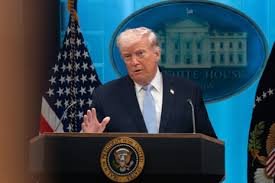
The global community breathed a collective sigh of relief as Tuesday evening brought unexpected news. The United States and Iran have successfully reached a temporary two-week conditional ceasefire agreement today. This diplomatic breakthrough followed an intense period of high-stakes tension across the entire Middle East region. A central part of this deal involves the reopening of the vital Strait of Hormuz passage. Pakistan led the final diplomatic intervention that prevented a massive escalation of the ongoing conflict. This last-minute mediation effectively cancelled a looming ultimatum previously issued by President Donald Trump recently. The American leader had warned Iran to surrender or face a period of widespread destruction. His announcement came less than two hours before a self-imposed deadline for major military strikes. The president had intended to bomb Iranian power plants and critical bridges on Tuesday evening. Legal scholars and international officials had warned that such actions could constitute serious war crimes. Even the Pope expressed deep concern regarding the potential for a humanitarian disaster in Iran. Just hours earlier, the situation appeared extremely grim for the safety of the entire world. Trump had suggested on social media that a whole civilization might die that very night. American B-52 bombers were reportedly already en route to their targets before the deal arrived.
Fortunately, the intervention by Pakistani Prime Minister Shehbaz Sharif changed the course of global history. Sharif requested a two-week peace to allow formal diplomacy to run its natural course now. Trump confirmed the suspension of all planned attacks against the Islamic Republic of Iran tonight. He stipulated that the agreement depends on the complete and safe opening of the waterway. The Strait of Hormuz serves as a primary artery for the global supply of energy. Trump later described the day as a significant victory for the cause of world peace. He claimed that the Iranian leadership had finally had enough of the devastating military conflict. The American president also mentioned that the United States would assist with the traffic buildup. He suggested that significant money would be made during the upcoming reconstruction phase in Iran. For several hours, the world waited to hear the official position of the Israeli government. Prime Minister Benjamin Netanyahu eventually announced his support for the American-led ceasefire with Iran tonight. However, he clarified that this specific deal does not cover fighting against Hezbollah in Lebanon. His office emphasized that Israel still seeks to end the Iranian nuclear and missile threat. This statement created some initial confusion regarding the actual scope of the current peace deal. The Pakistani Prime Minister had previously indicated the ceasefire would apply to all regional fronts.

The path toward a permanent peace remains clouded by several significant diplomatic and linguistic uncertainties. Iran released two different versions of a ten-point plan intended for the upcoming formal negotiations. Trump noted that these documents provide a workable basis for the two sides to talk. The version written in Farsi included a specific phrase regarding the acceptance of nuclear enrichment. Interestingly, this phrase was missing from the English versions shared with the international press corps. Diplomats have yet to explain why these two documents contained such a notable linguistic discrepancy. Pakistan has formally invited both nations to attend peace talks in Islamabad this coming Friday. Tehran has already confirmed its attendance at the summit to discuss the ten-point peace proposal. Washington has not yet issued a public confirmation regarding its participation in the Islamabad talks. In a telephone interview, Trump suggested that China helped persuade Iran to negotiate this week. He also stated that the issue of enriched uranium would be perfectly taken care of. No further details were provided regarding how this sensitive nuclear matter would be handled specifically. During this two-week window, the president believes an armistice can be finalized and fully consummated. He described the current situation as a double-sided ceasefire that benefits both involved parties today. Trump insisted that the United States has already met its primary military objectives in Iran.
The Iranian foreign minister, Abbas Araghchi, issued his own formal statement following the American announcement. He confirmed that Tehran has agreed to the terms of the provisional ceasefire starting immediately. Safe passage through the Strait of Hormuz will now be coordinated with Iranian armed forces. This news had an immediate and profound impact on the global financial and energy markets. Oil prices dived significantly as traders reacted to the possibility of resumed energy flow tonight. Global stock markets surged while the value of the American dollar moved back slightly today. The relief rally was fueled by hopes that gas flows would soon return to normal. Despite the ceasefire, some reports of military activity continued to emerge from the region tonight. Airstrikes reportedly hit two bridges and a train station in Iran just before the deadline. The United States also targeted military infrastructure located on the strategic Kharg Island hub recently. This location serves as a critical center for the production and export of Iranian oil. This sudden shift in policy allows the American administration to step back from the war. The conflict has lasted for five weeks without a clear surrender from the Iranian leadership. The Strait of Hormuz currently carries about one-fifth of the total global energy supply daily. Traffic in the waterway had slowed to a mere trickle during the height of fighting.
Trump had previously rejected the Iranian peace plan, calling it not good enough for America. He has set multiple deadlines over the past five weeks and allowed them to pass. On Tuesday, he insisted this moment was one of the most important in history. He hoped that less radicalized minds in Iran would choose a path of peaceful cooperation. The provisional deal has been welcomed by other nations but with a very clear caution. The foreign ministry of Iraq called for a serious and sustainable dialogue moving forward now. They believe the two sides must address the root causes of their long-standing disputes today. In Australia, the government warned that the fuel crisis might not be over just yet. Energy Minister Chris Bowen told reporters that citizens should not get ahead of themselves tonight. He noted that progress is welcome but the strait is not yet fully functional again. A spokesperson for New Zealand also noted that significant work remains to secure lasting peace. Japan expressed its expectation that these talks will lead to a final and binding agreement. Chief Cabinet Secretary Minoru Kihara described the current ceasefire as a very positive regional move. Prime Minister Sanae Takaichi is reportedly seeking direct talks with the president of Iran very soon. This end to hostilities provides immense relief to the Japanese economy and its industrial base. Japan depends on the Middle East for nearly ninety percent of its total crude oil. Most of those essential imports are transported directly through the narrow Strait of Hormuz passage. South Korea also expressed hope that the upcoming negotiations will be concluded with total success. They wish for the restoration of stability and free navigation for all vessels in the region.
Related News:
 Canada-China trade gains momentum in new strategic partnership
 India-EU Free Trade Deal Marks Historic Economic Shift
 Keir Starmer meets Xi to strengthen UK-China economic relations
 UK Experts Raise Alarm Over Machinery Export to Armenian Firm
 Caffè Nero Warns Coffee Prices May Rise Again
 Abramovich Chelsea Sale Cash Faces Jersey Probe
 Stocks rise as Trump offers Iran peace plan
 US Military Weighs Perilous Moves to Reopen Hormuz
 IMF Predicts Global Economic Crisis Due to Gulf Unrest
 Manila Transport Crisis: Fuel Costs Hit Breaking Point
 Trump Slams Europe as Transatlantic Tensions Boil Over
 Trump Issues Stark Warning After Strike On Iran’s Largest Bridge
 Middle East Conflict Sparks Global Food Price Surge
 Albanese Flies to Singapore to Bolster Fuel Security
 Reeves Faces Setback as Labour May Miss Homes Target
 Virgin Trains Moves Closer to Challenging Eurostar Monopoly
 Trump’s UK Ambassador Urges North Sea Drilling to Strengthen US Ties
 Ryanair Chief UK Economy ‘Doomed’ Under Labour
 M&S Profits More Than Halve After Cyber-Attack
 Tony Blair think tank warns Rachel Reeves must cut taxes if manifesto broken
 Earl of Yarmouth Faces £1.3m Legal Bill Over Family Estate
 Millionaires group urge Reeves to introduce wealth tax to ‘lift kids out of poverty’
 From Lego to Pokémon: How Adults Are Driving UK Toy Market Growth
 New laws to bolster UK’s defences against cyber attacks on NHS, transport and energy
 Skims Eyes Global Expansion After Reaching $5 Billion Value
 Global markets drop amid tech sell-off and China slowdown
 Canada Passes Carney’s First Budget in Tight Parliamentary Vote
 Starmer Says Labour’s Economic Plan Needs Years to Deliver
 Virgin Media Fined £23.8m Over Telecare Safety Failures
 Rising Water Bills Lift Troubled Thames Back to Profit
 FTSE 100 Hits 10,000: UK Market Celebrates Record Year
 UK House Prices Fall Sharply at Year-End, Nationwide Reports
 Saudi Officials Report Zubaidi Flee Before Yemen Peace Talks
 UK Targets in New York Bomb Threat Hoax: Man Jailed
 Gambia Supreme Court Hears Case to Overturn FGM Ban
 Wessex Water chiefs receive £50,000 extra despite government bonus ban
 Trump targets Iran trade with 25% tariff warning
 US Senate rejects resolution limiting Trump military powers
 Gulf states warn Trump Iran strikes risk wider Middle East war
 Machado Trump medal gesture reshapes Venezuela power struggle
 Geopolitical football: Iran, Trump and the World Cup clash
MPs warn AI financial risks threaten UK stability
Geopolitical football: Iran, Trump and the World Cup clash
MPs warn AI financial risks threaten UK stability
 Shinzo Abe’s killer receives life sentence in Japan
 China General Under Investigation Amid Leadership Purge
 Philippines ferry disaster leaves 15 dead, dozens missing
 US Dollar Hits Four-Year Low Amid Market Turmoil
 Amazon mistakenly signals new global layoffs to employees
 Households in England Face Rising Water Bills in April
 UK New Car Discounts Near £6,000 as Prices Are Slashed
 Cambridge Faces Scrutiny Over Arms Investment Transparency
 Telstra AI jobs cuts as automation drive expands
 BT Names New Openreach Chief Amid Major Fibre Expansion
 Concerns rise for Canberra boy amid Iran detention fears
 Uncertainties Loom for Businesses and Consumers After Trump’s Tariff Changes
 UK Job Vacancies Hit Five-Year Pandemic Low
 Trump’s new tariff takes effect at lower than expected rate
 UK Youth Unemployment Surges Amid Tax Changes
 Strong Rebound for UK Housing Market Sees 6% More Homes
 Switching Energy Deal Can Save £200 as Price Cap Falls
 Oil Prices Surge Above $100 Amid Iran War
 Ukraine Sends Drone Experts to Defend US Bases in Jordan
 Yvette Cooper: UK Must Follow Principles, Not US Pressure
 UniCredit’s Bold Move to Reshape European Banking
 UK Wage Growth Slows as Jobs Market Holds Firm
 Charity Watchdog Takes Control of Learning Disability Care Home
 Jury Rules Meta and YouTube Liable for Addictive Design
 The Woman Guarding Earth From the Threat of Asteroids
 Trump Threatens Iran With Total Infrastructure Destruction
 Exiled Tycoon Warns of New Russian Attacks on UK Soil
 LA 2028: Millions of Affordable Olympic Tickets Announced
 Russia: The Unforeseen Winner of the Iran Conflict
 Inside the Deceptive Machine: A Former Producer Speaks Out
 Can Congress Stop US Sports Teams From Moving Cities?
 Spain Faces Backlash Over Xenophobic Chants in Egypt Draw
 A Global Voice For Justice: Stephen Lewis Dies At Age 88
 Hope and Fear as Iranians Flee Across the Turkish Border
 US Senators Slam Ticketmaster Over Sneaky New Fee Hikes
 Tax Shift Hits UK Farms: New Inheritance Rules Begin
 Reform UK Pledges To Halt Visas Over Reparations Demands
 The Great Disconnect: Why Washington’s Elite Can No Longer Find Work