Published: April 8, 2026. The English Chronicle Desk.
The English Chronicle Online — Documenting the human cost of the national social care crisis.
LOUGHGILLY — For over four decades, 84-year-old Alphie Lonergan has kept a promise made to his late wife on her deathbed: “Look after the children.” But in April 2026, that promise is being pushed to a breaking point. The retired watchmaker, who provides around-the-clock care for his two middle-aged sons with severe learning disabilities, has revealed he is under “awful stress” following the Southern Trust’s decision to terminate the final hour of their domiciliary care package.

The move, which officially took effect on March 31, has left a man in his mid-80s as the sole physical and emotional support for Donall (48) and Ronan (41). Donall, who has autism and severe OCD, reportedly asks for his carer “like a broken record,” unable to comprehend why the familiar face who helped him start his day is suddenly gone. For Alphie, the loss of just 60 minutes of help is not about the time—it is about the disappearance of the last safety net holding his family together.
The Lonergan family’s ordeal serves as a microcosm of the 2026 UK social care crisis. What was once a three-hour morning package was reduced to one hour in late 2024, before being cut entirely last week. The justification provided by health authorities—that they were “monitoring underutilised time”—has been described by Alphie’s daughter, Roisin, as a “cruel absurdity.“
“They sent a monitoring officer out three days before the cut to ask if Dad was happy with the service,” Roisin told the Chronicle. “How can you ask an 84-year-old man if he’s ‘happy’ while you’re pulling the rug out from under him? It’s not just a lack of funding; it’s a total lack of empathy.“
The case has sparked a national debate about the “unsustainable” burden placed on elderly parent-carers. In 2026, the UK is home to an estimated 1.2 million people over the age of 65 who are the primary caregivers for disabled adult children.
-
The Economic Wall: With local councils struggling to fund care at rates above £19.50 per hour, private providers are increasingly handing back “unprofitable” contracts, leaving families in “care deserts.“
-
The Physical Toll: At 84, Alphie Lonergan is statistically at high risk for a “medical crisis” himself. Experts warn that when an elderly carer falls, the cost to the state triples as both the parent and the disabled children must be moved into emergency residential care.
-
The Psychological Weight: For the sons, the routine is their reality. The removal of a carer isn’t a budget adjustment; it is a traumatic event that triggers behavioral regressions and profound distress.
The Southern Trust has since issued an apology for the “distress caused” but has yet to reinstate the package, citing a regional shortage of staff and budgetary constraints. Meanwhile, Alphie continues his daily routine in Loughgilly—washing, dressing, and feeding his “two great lads” with the precision of the watchmaker he once was.
“I love them dearly,” Alphie said, his voice straining under the weight of the current situation. “I didn’t want the boys thinking they did something wrong and lost the care. I just want to do right by them and by my wife.“

As the UK government faces mounting pressure to reform social care funding in the upcoming May elections, the Lonergan family remains the face of a “shadow pandemic” of isolation. For Alphie, the “seismic change” needed in the system isn’t about grand political manifestos—it’s about one hour of help in the morning so an old man can keep a 40-year-old promise.
Related News:
 Illegal Skin Lightening Cream Being Sold in UK Butchers, Watchdog Warns
 Adoption Breakdown Ended My Career and Relationship – ‘We’re Told to Get On With It’
 Mind Launches Inquiry into AI and Mental Health After Guardian Investigation
 Mystery GP on Train Saves Passenger’s Life
 Parents of Gravely Ill Child Refused Respite Care
 ‘I Almost Died After a Touch‑and‑Go C‑Section’
 Water Cremation Introduced in UK First
 GPs Losing a Day of Appointments to No‑Shows Each Month
 Allergy Training to Become Compulsory in Schools in England
 Scots Firefighter Cycles 800 Miles for MND Charity
 Woman, 29, ‘Chucked’ Into Care Home 100 Miles Away
 Pregnant Woman Faces Motherhood Without Late Mum
 Father Dies by Suicide Weeks After Wedding in Clitheroe
 Mum Blinded After Tumour Linked to Contraceptive Jab
 SNP Health Secretary Criticised Over NHS Failures Locally
 Scotland Combines Alcohol and Drug Strategy to Cut Addiction Deaths
 Dad Delivers Baby After Midwife Flees During High‑Risk Labour in UK
 Schnauzer Travels 140 Miles for Life-Saving Spinal Surgery
 Brain-Damaged Scot ‘Stuck’ in Hospital at Centre of Police Probes
 ‘A Living Nightmare’: Parents of Vaccinated Teenager Speak Out After Rare Meningitis B Battle
 ‘A Cliff Edge’: Hospice Leaders Warn Cutbacks Are Only Way to Survive
 The High Cost of Survival: How the 2026 Fiscal Outlook is Redefining British Life
 Safety Fears at New £200m Maternity Unit: Mums-to-Be ‘Put at Risk’
 ‘Ripple of Fear’: Iran War Fears Sink UK Consumer Confidence to 11-Month Low
 Fuel Famine: How African Nations are Rationing Power and ‘Diluting’ Petrol to Survive
 ‘My Daughter is Under the Rubble’: The Human Cost of the Tehran Strikes
 Parents Warned Against Letting Children Cuddle Lambs Following Infection Spike
 Concerns Mount Over Accuracy of At-Home Health Tests as Study Calls for Stricter Regulation
 The Ketamine Crisis in the UK is a Silent Epidemic Leaving Users with Lifelong Pain
 Why E-Bikes and E-Scooters Are Making Streets a ‘Nightmare’ for Blind People
 Millions in the UK at Higher Risk of Heart Failure and Stroke Due to Air Pollution, Study Warns
 Systemic Racism in Maternity Care Continues to Endanger Black Women in England, MPs Warn
 One in Three GPs in England Do Not Work in NHS, Raising Concerns Over Access to Care
 Questions Remain as Rugby Legend Lewis Moody Faces Motor Neurone Disease Diagnosis
 M&S and Morrisons Lead Christmas Supermarket Taste Test
 New Prostate Cancer Drug Set to Halve Death Risk in England
 Hospice Cuts Raise Alarm Across England Amid Funding Crisis
 Patients to Test Health at Home to Ease NHS Winter Pressure
 Shouting Works Best to Deter Gulls, UK Study Finds
 Reeves rejects £1bn plea for NHS redundancy payouts
 Stroke Patient Mistaken for Drunk, Care Delayed
 ‘Traumatic Wait’: Northern Ireland Women Face Breast Cancer Delays
 Five-Year-Old Dies After Rare Tonsil Surgery Complication
 Fibromyalgia Patients Struggle as NHS Fails to Provide Care
 More Patients Now Contacting GPs Online, Data Shows
 Children to Receive Home Vaccines as England Acts
 Local Fish Could Boost UK Health and Economy Significantly
 NHS Violence Crisis: Staff Face Daily Assaults
 Celebrity Campaign Highlights SMA Screening Failures
 UK Glaucoma Rise Signals Looming Eye Health Crisis by 2060
 Pneumonia Surge Pushes England Emergency Cases Higher
 Labour Utterly Humiliated by Straight-Talking Mum Who Cut Through Keir Starmer’s Insanity
 Renters Furious as Decent Homes Standard Delayed Until 2035
 Motorists Could Face ‘Mandatory’ Driving Ban for Road Offences Under Tougher Laws
 Snow and Rain Warnings as Cold Snap Continues in the UK
 UK MPs Demand Ban on Brazilian Butt Lifts
 NHS Urges Nine Million People to Get Therapy
 ‘Don’t Make Us Security Guards,’ Says Teacher Stabbed by Pupil
 Half of Britons Avoid GP When Ill, Survey Reveals Growing Concern
 50,000 People Waited Over 24 Hours in A&E Corridor Care
 ‘It’s Joy in a Pot’: Why Houseplants Could Make You Happier
 New Infection Risk Alert at Glasgow’s Flagship Hospital
 Calls Grow to Remove Billboard Following Lyra McKee Graffiti
 Sarah Ferguson Loses Another £1.5m Amid Financial Struggles
 ‘We can’t go back’: mother of six-year-old cancer survivor fears UK visa changes
 Teen Wins Payout After TRNSMT Crush Horror
 Biker Suffers Fractured Spine After Hitting Pothole in Edinburgh
 Palantir NHS Contract Sparks Fears Over Data Power
 ‘Heating Oil Suppliers Are Holding Us to Ransom’ as Prices and Cancellations Surge
 Charity Watchdog Takes Control of Learning Disability Care Home
 Families Tortured by Authorities During Investigations Inquiry Told
 US Lawmaker Demands Testimony Over Sarah Ferguson’s ‘Close Epstein Ties’
 The Last of the Lords: Two Hereditary Peers to Retain Ceremonial Roles Amid Historic Ousting
 ‘Eye in the Sky’ Blinded: Photos Reveal Destroyed US Radar Jet at Saudi Base
 Four Teens Charged After Assault on Rescue Volunteer and Dog
 Woman Deported from China Over Manx Passport Mix-Up
 ‘My Hatred of Dogs is Ruining My Love Life’
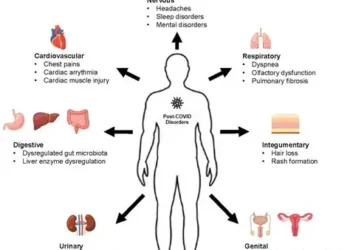 ‘Zoom Dysmorphia’ Explosion: BDD Patients Quadruple in Post-Pandemic UK
 ‘The Final Word’: Kathleen Stock’s Polemic Against Assisted Dying Reshapes the UK Debate
 ‘It’s Heartbreaking’: NHS Training Freeze Leaves Resident Doctors in Limbo