Published: April 8, 2026. The English Chronicle Desk.
The English Chronicle Online — Deconstructing the fragile pause in a global flashpoint.
WASHINGTON / ISLAMABAD / TEHRAN — In a dramatic pivot just hours before a Tuesday night deadline to “demolish” Iranian infrastructure, U.S. President Donald Trump announced a two-week “double-sided” ceasefire with the Islamic Republic of Iran. The deal, brokered through intensive Pakistani mediation, has pulled the world back from the brink of total war, though officials on both sides emphasize that the truce is a “window for diplomacy,” not a final peace. As of Wednesday morning, April 8, the guns have largely fallen silent, and the global economy has reacted with a sigh of relief as oil prices plummeted by over 13%.

The breakthrough is being credited to Prime Minister Shehbaz Sharif and General Asim Munir of Pakistan, who acted as intermediaries between Washington and Tehran. Following a flurry of high-stakes calls, Trump agreed to suspend his “destructive force” in exchange for a “complete, immediate, and safe” reopening of the Strait of Hormuz.
The ceasefire is built on a delicate “quid pro quo” designed to test the sincerity of both nations:
-
The Hormuz Reopening: Iran has agreed to allow safe passage through the Strait for the next two weeks. However, in a move that has caused some concern in Western capitals, the passage will be “managed” by the Iranian military and may include new “transit fees” intended for Iranian reconstruction.
-
Suspension of Strikes: The U.S. and Israel have agreed to pause all direct attacks on Iranian soil, including the threatened strikes on power plants and bridges.
-
The Islamabad Summit: Peace talks are scheduled to begin this Friday, April 10, in Islamabad, Pakistan. These negotiations will use Iran’s “10-Point Proposal” as a “workable basis” for a long-term settlement.
While President Trump described the Iranian proposal as “workable,” the details suggest a steep mountain to climb. Tehran’s demands include:
-
Full Sanctions Relief: The permanent lifting of all U.S. and international sanctions.
-
Asset Release: The unfreezing of all Iranian funds held in the United States.
-
Reconstruction Compensation: Payments for damages sustained during the recent conflict.
-
Nuclear Sovereignty: A controversial clause—present in the Farsi version but missing from the English translation—claims “acceptance of enrichment” for Iran’s nuclear program.
A significant “bum note” in the ceasefire is the status of Lebanon. While Pakistani officials claim the truce covers all regional fronts, the office of Israeli Prime Minister Benjamin Netanyahu was quick to clarify that the deal “does not include Lebanon.” Strikes against Hezbollah positions continued into Wednesday morning, highlighting the risk that a flare-up on the periphery could still drag the primary powers back into direct combat.

Global markets have hailed the news as a triumph of “transactional diplomacy.“
-
Oil: WTI Crude fell sharply to well under $100 a barrel.
-
Equities: The S&P 500 indicated a 2.3% jump, with investors betting on a “Golden Age of the Middle East,” a phrase echoed by Trump on social media.
-
Logistics: International shipping bodies reported immediate plans to clear the “traffic buildup” of over 100 tankers currently waiting to transit the Strait of Hormuz.
As diplomats prepare for the Islamabad summit, the world remains cautious. With “hands still upon the trigger” according to Iran’s Supreme National Security Council, the next 14 days will determine if this is the end of the war or merely a refuelling stop for a much larger conflict.
Related News:
 The $100 Billion Peace: Trump’s ‘Grand Bargain’ Ends Iran Conflict at a Staggering Cost
 Trump Administration Dismisses 17 Immigration Judges, Sparking Debate Over Judicial Independence
 Modi’s London Visit Seals Historic UK-India Trade Pact Amid Global Tensions
 Rubio Calls Russian Oil Imports a Strain on India-US Relations
 David Lammy Faces Possible Legal Challenge Over Foreign Office Secondment Scheme
 Ministers Accused of Defamation Over Palestine Action Ban and Mass Arrests
 Father’s Tip Leads to Arrest in Charlie Kirk Murder Case
 Jailed Georgian Opposition Leaders Warn UK of Iranian Links to Ruling Party
 UK Extradition Law Change Sparks Fears Among Hong Kong Dissidents
 Shabana Mahmood Warns Border Failings Are Eroding Trust in States
 Lucy Powell urged ministers to reconsider costly legal case for Labour donor’s firm
 Tories Push to Dilute Labour’s Workers’ Rights Bill
 Rachel Reeves to lead UK trade push in Saudi Arabia amid rights debate
 Johnson Approved China’s London ‘Super-Embassy’ in 2018
 China-critical UK academics face ‘extremely heavy’ pressure from Beijing
 Trump Urges Herzog to Grant Netanyahu Full Pardon
 US Justice Department Files Lawsuit Against California Over Partisan Voting Maps
 Trump Deploys DHS to Charlotte in Major Arrest Operation
 Canada Passes Carney’s First Budget in Tight Parliamentary Vote
 Congress Approves Release of Epstein Files, Trump Expected to Sign
 Texas Governor Faces Lawsuit From CAIR
 India’s Labour Law Overhaul Sparks Fierce Debate
 Carney’s Alberta Pipeline Deal Sparks Immediate Pushback
 Chinese & Japanese Boats Clash Near Disputed Islands
 Putin Meets US Envoy Amid Key Ukraine Peace Talks
 Austrian Airlines Halts Tehran Flights Amid Political Unrest
 Trump Administration Probe of Fed’s Powell Draws Pushback
 Mark Carney Walks Diplomatic Tightrope on China Visit
 Guterres Warns Global Cooperation Under Threat at UN’s 80th Year
 South Korea Jails Ex-President in Martial Law Ruling
 ‘Repatriate the Gold’: Germany Debates Bringing Reserves Home
 UK and EU Signal Fresh Push for Defence Cooperation Talks
 Emails Show Epstein Funded Mandelson’s Husband After Jail
 Thousands Protest ICE Operations in Nationwide US Day of Action
 Sydney Protest Clash Triggers Police Probe
 Nine Arrested in France Over Death of Far‑Right Student
 Japan Braces as Takaichi Begins New Term with Huge Mandate for Low‑Tax, Ultra‑Conservative Agenda
 How Much Could Andrew’s Arrest Hurt the Royal Family?
 US Trade Deficit Hits Fresh High Despite Trump’s Tariffs
 Live Nation Sees Strong Ticket Sales as Monopoly Lawsuit Looms
 ‘We’re Still on Edge’: Toy Firms Look to US Supreme Court as Tariffs Hit Profits
 Ex‑Philippine President Duterte on Trial for Crimes Against Humanity: What You Need to Know
 What Now for Asia After Trump’s Tariffs Were Struck Down?
 Inside Kyiv’s resolve as conflict nears five‑year mark
 US Partially Evacuates Beirut Embassy Amid Rising Iran Tensions
 US Senate Vote Fails to Rein in Trump War Powers on Iran
 Trump Removes Kristi Noem From Homeland Security Role
 UK Must Obey International Law Over Iran, Says Thornberry
 Gulf Oil Shock Sends Global Economic Ripples
 Iran Rejects Ceasefire, Warns Trump With Chilling Message
 US Says 16 Iranian Mine Ships Destroyed in Hormuz
 Russia Seeks Gains as Iran War Reshapes Global Politics
 Queensland Protest Laws Spark Free Speech Backlash
 China Approves ‘Ethnic Unity’ Law Requiring Minorities to Learn Mandarin
 Ecuador Deploys 75,000 Forces in Anti-Gang Drive
 ABC Staff Strike Over Pay and AI Concerns
 Trump Faces New Warning Signs as Iran War Hits Home
 Belarus Leader Gifts Rifle to Kim Jong Un
 PM Seeks to Reassure Australians Over Fuel Supply

 Reeves to Join Emergency G7 Meeting as Oil Hits $116
 Russia Expels British Diplomat for ‘Spying’ Amid Shadow Fleet Crackdown
 AfD Demands Full US Troop Withdrawal as ‘Project Veto’ Tensions Flare
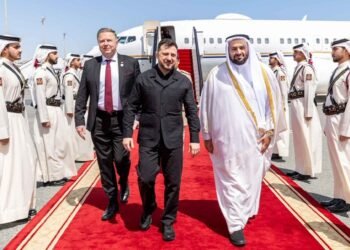 Zelensky Looks to Gulf to Protect Him from Putin
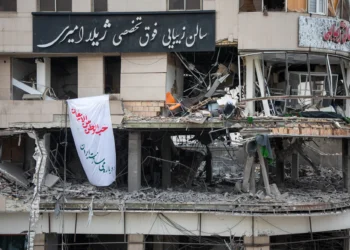 Iran Strikes Kuwaiti Desalination Plant, Killing Worker as ‘Water War’ Escalates
 Trump to Deploy “God Squad” Over Gulf Wildlife Protections
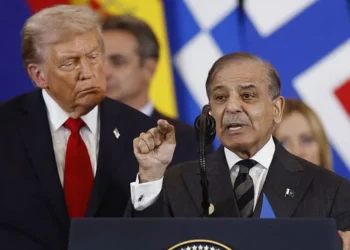 The ‘Islamabad Initiative’: How Pakistan Won Over Trump as a Key Mediator
 Israel Enacts Death Penalty Law for Palestinians Following 12-Hour Debate
 Epic Fury: The Strategic Logic and Uncertain Horizon of the 2026 Iran War
 UK-Led 35-Nation Summit Seeks to Break the Hormuz Deadlock
 “Time is Up”: M&S Bosses Demand Urgent Action as Retail Crime Hits “Brazen” New Highs
 Report Says Pezzullo Acted ‘Recklessly’ in Dealings
 “Region Will Burn”: Iran Issues Defiant Retaliation Warning After Trump’s Expletive-Laced Deadline
 The “Citrus” Shift: Marmalade to be Legally Rebranded in Post-Brexit Food Realignment
 Oil and Diplomacy: Russian Refineries Burn as Zelenskyy Secures Middle East Shield
 “A Perfect Storm”: UK Small Businesses Face Doubling Energy Bills as Iran War Rattles Markets
 National Icon in Custody: Ben Roberts-Smith Arrested Over Alleged War Crimes in Afghanistan
 Transatlantic Alliance: Vice President JD Vance Arrives in Budapest to Bolster Orbán’s Re-election Campaign
 ‘Seismic Change’: How Nationalist Wins in Celtic Nations Could Reshape the UK
 ‘Power Plant Day and Bridge Day’: Israel Warns Iranians Off Trains as Trump Ultimatum Looms