Published: 08 April 2026. The English Chronicle Desk. The English Chronicle Online.
The global financial landscape experienced a dramatic and welcome shift late Tuesday evening following an unexpected announcement. President Donald Trump decided to pull back from his previous threats of devastating military action against Iran. This significant development occurred just sixty minutes before a critical deadline that had many world leaders worried. The President confirmed he would suspend planned strikes if Tehran adhered to a strict conditional ceasefire. This diplomatic opening suggests a possible end to the five weeks of intense and destructive conflict. Investors across the globe reacted with immediate and visible relief to this sudden de-escalation of tension. The news sparked a massive rally in equity markets while sending crude oil prices tumbling down. Analysts believe this moment represents the first genuine opportunity for peace since the war began in February.
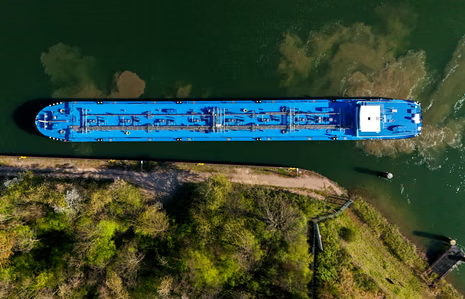
The primary condition of this temporary truce involves the strategic reopening of the vital Strait of Hormuz. Iran has agreed to allow passage through this waterway for at least the next two weeks. Military officials from Tehran will manage the transit of vessels during this critical grace period of time. This particular maritime corridor is essential because it carries one-fifth of the world’s total oil supply. Its closure had previously sparked a global energy crunch and pushed many nations toward an economic crisis. Following the announcement from Washington, Iran’s national security council confirmed their full acceptance of these terms. They stated that all defensive and offensive operations would cease if American threats were officially withdrawn. Formal peace negotiations are now scheduled to take place in Islamabad starting this coming Friday morning.

The impact on the energy sector was both immediate and incredibly profound as trading floors reacted. Brent crude oil prices plunged by over fourteen percent to settle near ninety-three dollars per barrel. This represents one of the sharpest single-day declines in the history of the modern energy market. US crude oil futures followed a similar downward trajectory and dropped to around ninety-six dollars. Despite this significant fall, prices remain much higher than they were before the hostilities first started. The sudden surplus of hope has effectively punctured the massive risk premium that had built up. Market participants are now pricing in a world where energy supplies might soon flow more freely. However, the long-term stability of the region still remains a subject of intense international debate.
European stock markets opened with a sense of renewed vigor and optimism on Wednesday morning session. The pan-European Stoxx 600 index climbed over three percent in its strongest performance for many months. This surge was led by sectors that have been most punished by high fuel and energy costs. Travel and leisure companies saw their share prices skyrocket as the threat of wider war receded. Lufthansa witnessed a double-digit jump while the parent company of British Airways rose by nine percent. The holiday group TUI also enjoyed a significant bounce as consumer confidence began to recover quickly. In London, the FTSE 100 soared by over two hundred points to reach a new peak. These gains reflect a broader belief that the worst of the inflationary pressure might be over.
In the Asia-Pacific region, the trading day was defined by a sea of green across screens. Japan’s Nikkei 225 index gained more than five percent as investors cheered the prospect of peace. South Korea’s Kospi index performed even better with a stunning rise of seven and a half percent. These markets are particularly sensitive to energy costs and the stability of global trade routes today. Even the Hang Seng in Hong Kong and China’s CSI300 index saw gains above three percent. The collective sigh of relief from the eastern markets set a positive tone for Western exchanges. Traders who had been hedging against a total regional collapse began to unwind their defensive positions. This rotation of capital suggests a return to growth-oriented strategies among the major institutional players.
While most sectors thrived, the oil giants faced a very different and more difficult market reality. Shares in BP and Shell fell significantly as the prospect of lower oil prices hit valuations. BP saw its value drop by over seven percent while Shell shares declined by nearly seven. This correction was expected given the massive profits these companies made during the height of conflict. When energy prices fall, the projected earnings for these global giants are naturally revised downward immediately. However, the broader market gains more than compensated for the losses seen in the energy sector. Most economists agree that lower energy costs act like a tax cut for the general public. This shift could help to stimulate spending in other areas of the struggling global economy.
Market experts remain cautious despite the overwhelming wave of positivity seen on various global trading floors. Jim Reid from Deutsche Bank noted that investors are breathing a huge sigh of relief today. He emphasized that everyone is watching closely to see if this leads to a sustained de-escalation. Questions remain about whether the ceasefire will actually hold during the upcoming round of peace talks. There were reports of minor strikes overnight which may have been planned before the new deal. It is also unclear if this truce will extend to other active fronts in the region. The inclusion of Israel’s actions in Lebanon remains a point of contention for many involved parties. Success in Islamabad will be the true test of whether this peace can actually last.
The bond and cryptocurrency markets also reflected the changing tide of international sentiment and risk appetite. Treasury yields eased significantly as investors moved away from the safety of government-backed debt instruments lately. The ten-year Treasury yield fell to around four percent as the fear of immediate escalation faded. Interestingly, gold prices continued to rise and reached over forty-eight hundred dollars per ounce on Tuesday. This suggests that some investors are still holding onto hedges in case the negotiations fail miserably. Cryptocurrencies joined the general rally with Bitcoin advancing nearly three percent to over seventy-one thousand dollars. Ether also saw a healthy gain of over five percent during the height of the excitement. These moves highlight a broad-based recovery in assets that typically thrive in more stable environments.
Energy researchers have pointed out that the two-week window provides a much-needed exit for political leaders. Saul Kavonic suggested the pause allows President Trump to step back from his very aggressive rhetoric. However, he warned that this does not necessarily mean a permanent fix for the oil markets. He believes it is unlikely that total production will resume until a lasting peace is signed. The current drop in prices is largely due to the release of storage on the water. This means tankers currently stuck in the strait can finally deliver their cargo to global ports. It does not mean that the actual extraction of oil has returned to its normal levels. True stability will only come when the oil fields themselves are no longer under threat.
The role of regional intermediaries has also been highlighted as a key factor in this breakthrough. Pakistan’s prime minister played a vital part by urging both sides to extend their initial deadlines. This diplomatic pressure from neighboring states helped to create the necessary space for this current truce. It shows that the international community is desperate to avoid a total war in the Middle East. The upcoming talks in Islamabad will be the most important diplomatic event of the entire year. Both the United States and Iran have much to gain from a successful resolution now. If they can find common ground, the global economy could see a very powerful recovery. For now, the world watches and waits for the next move from the negotiating table.

The duration of this relief rally will depend entirely on the progress made during Friday’s talks. Strategists believe that insurance companies and tanker operators must regain confidence before things return to normal. Without proper insurance, many ships will still refuse to navigate through the strategic Strait of Hormuz. This is a technical hurdle that must be cleared alongside the political and military negotiations soon. If the talks show signs of moving forward, the market rally could become a trend. If they stall, we might see a quick return to the volatility of last month. Many traders are treating this as the “real deal” for the time being at least. They hope that all parties will view this ceasefire as a major political win-win.
Looking further ahead, there are concerns that oil prices will not return to their pre-war levels. The damage to infrastructure and the lingering distrust will likely keep a floor under energy costs. This means that inflation may remain a persistent theme for global central banks to manage carefully. Even if the war ends, the economic landscape has been permanently altered by these five weeks. Consumers in the UK and abroad should still expect to pay more for many goods. However, the immediate threat of a catastrophic global depression seems to have been averted for now. The English Chronicle will continue to monitor these developing events as more details emerge. For one day at least, the world can breathe a little easier than it did.
Related News:
 Reeves Faces Setback as Labour May Miss Homes Target
 Virgin Trains Moves Closer to Challenging Eurostar Monopoly
 Trump’s UK Ambassador Urges North Sea Drilling to Strengthen US Ties
 Ryanair Chief UK Economy ‘Doomed’ Under Labour
 ABF May Split Primark from Food Division Amid Tough Market
 M&S Profits More Than Halve After Cyber-Attack
 Tony Blair think tank warns Rachel Reeves must cut taxes if manifesto broken
 Earl of Yarmouth Faces £1.3m Legal Bill Over Family Estate
 Millionaires group urge Reeves to introduce wealth tax to ‘lift kids out of poverty’
 From Lego to Pokémon: How Adults Are Driving UK Toy Market Growth
 UK toy market enjoys bumper year as ‘kidults’ fuel demand
 New laws to bolster UK’s defences against cyber attacks on NHS, transport and energy
 Skims Eyes Global Expansion After Reaching $5 Billion Value
 Global markets drop amid tech sell-off and China slowdown
 Canada Passes Carney’s First Budget in Tight Parliamentary Vote
 PM Highlights UK Business at G20 in South Africa
 Mossmorran Plant Closure Hits Cowdenbeath Hard
 Steel billionaire Lakshmi Mittal reportedly leaves UK
 India’s Labour Law Overhaul Sparks Fierce Debate
 Starmer Says Labour’s Economic Plan Needs Years to Deliver
 Virgin Media Fined £23.8m Over Telecare Safety Failures
 Rising Water Bills Lift Troubled Thames Back to Profit
 Tesla Warns UK That Weak EV Rules Could Threaten Sales
 BP agrees £7.4bn Castrol sale to US investment firm
 FTSE 100 Hits 10,000: UK Market Celebrates Record Year
 UK House Prices Fall Sharply at Year-End, Nationwide Reports
 Wessex Water chiefs receive £50,000 extra despite government bonus ban
 Canada-China trade gains momentum in new strategic partnership
MPs warn AI financial risks threaten UK stability
Canada-China trade gains momentum in new strategic partnership
MPs warn AI financial risks threaten UK stability
 MPs warn AI financial risks threaten UK stability
 B&M and The Works Struggle During Christmas Trading
 US Dollar Hits Four-Year Low Amid Market Turmoil
 Amazon mistakenly signals new global layoffs to employees
 Labour Must Revive High Streets to Avoid Election Collapse
 Households in England Face Rising Water Bills in April
 UK needs new factory to reach 1.3m car target, says industry chief
 UK New Car Discounts Near £6,000 as Prices Are Slashed
 Study Finds One in Seven England Takeaways Are Dark Kitchens
 Telstra AI jobs cuts as automation drive expands
 BT Names New Openreach Chief Amid Major Fibre Expansion
 AI fears hit UK wealth and comparison sites
 UK Housing Market Shows Early Recovery Signs
 UK economy struggles as growth stalls at 0.1% in late 2025
 Royal Mail Blames Poor Weather and Sickness for Delayed Deliveries
 British Steel wins Turkey rail boost
 Glencore Approves $2bn Payout Despite Profit Slump
 Sanders Condemns Billionaire ‘Greed’ in California Tax Debate
 UK Job Vacancies Hit Five-Year Pandemic Low
 UK Youth Unemployment Surges Amid Tax Changes
 Strong Rebound for UK Housing Market Sees 6% More Homes
 HSBC Signals Overhaul Nearing Completion Despite Profit Drop
 Engie UK Power Networks Deal Seals £10.5bn Buy
 Reeves Must Back Defence Plan or Face Dismissal, Says Unite Chief
 Switching Energy Deal Can Save £200 as Price Cap Falls
 UK house prices rise as market steadies
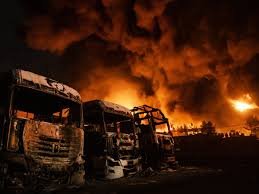 Oil Prices Surge Above $100 Amid Iran War
 Revealed: UK AI Push Faces Phantom Investment Claims
 Abramovich Chelsea Sale Cash Faces Jersey Probe
 Brazil Floods Warning as Scientists Urge Fossil Fuel Exit
 Tesla Enters British Energy Market Following Ofgem Approval
 UK Pushes NHS and MoD to Buy British Tech
 UniCredit’s Bold Move to Reshape European Banking
 UK Wage Growth Slows as Jobs Market Holds Firm
 Charity Watchdog Takes Control of Learning Disability Care Home
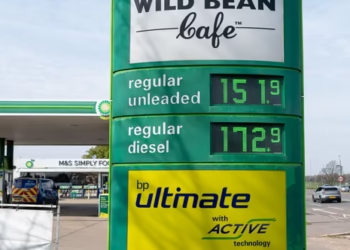 UK inflation held at 3% before global energy price hit
 Eli Lilly Seeks Higher NHS Prices for UK Investment
 Trump Threatens Iran With Total Infrastructure Destruction
 IMF Predicts Global Economic Crisis Due to Gulf Unrest
 Trump Slams Europe as Transatlantic Tensions Boil Over
 Russia: The Unforeseen Winner of the Iran Conflict
 Can Congress Stop US Sports Teams From Moving Cities?
 Trump Issues Stark Warning After Strike On Iran’s Largest Bridge
 New Gmail Feature Ends Era of Embarrassing Email Names
 US Senators Slam Ticketmaster Over Sneaky New Fee Hikes
 The Great Energy Illusion: Is America Truly Oil Independent?
 Apple at 50: Three Products That Changed How We Live
 Tax Shift Hits UK Farms: New Inheritance Rules Begin
 Iceland Boss Offers Role to Sacked Waitrose Employee
 The Great Disconnect: Why Washington’s Elite Can No Longer Find Work
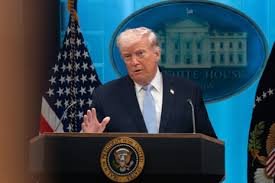 US and Iran Agree to Two-Week Provisional Ceasefire