Published: 08 April 2026. The English Chronicle Desk. The English Chronicle Online.
The global energy landscape has faced unprecedented shifts over the opening months of this year. Shell is now expected to report significantly higher profits from its various commodity trading desks. This financial boost follows several weeks of intense market volatility triggered by the ongoing Iran crisis. Market fluctuations often provide unique opportunities for major energy firms to capitalize on price swings. The recent surge in energy markets is driving up results at Shell’s chemicals unit. This specific division includes the primary oil trading desk which manages vast global supply chains. These developments highlight how geopolitical instability can influence the bottom line of major corporations.
Shell’s trading windfall appears particularly high within its growing renewable energy and solutions division. Earnings in this sector are expected to soar to between $200m and $700m soon. This represents a massive jump from the $100m recorded in the final quarter last year. Such a projection was shared in a detailed trading update released on Wednesday morning. Investors are watching closely as the company navigates these complex and rapidly changing market conditions. The transition toward greener energy continues to play a vital role in their long-term strategy. However, the current geopolitical climate has placed a renewed focus on traditional oil trading.

Europe’s largest oil and gas producer also faces some notable challenges regarding its output levels. The company expects lower gas production for the first quarter compared to previous months. This decline is largely attributed to the impact of the Middle East conflict on assets. Specifically, Shell’s operations in Qatar have felt the direct pressure of regional military escalations. The conflict has disrupted regular shipping routes and forced a rethink of logistics across the Gulf. These operational hurdles come at a time when global demand for natural gas remains high. Balancing record trading profits with decreased physical production remains a delicate task for the firm.
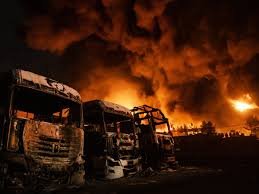
Oil and gas markets recently recorded some of the most historic price rises ever seen. These spikes occurred after Iran retaliated against regional aggression with various strategic and military moves. Energy trade through the vital Strait of Hormuz was throttled, causing immediate panic in global markets. Furthermore, a series of strikes targeted key energy infrastructure located across the entire Gulf region. These events created a sense of urgency and uncertainty among international energy traders and policymakers. The interconnected nature of global energy means that local conflicts have far-reaching economic consequences. Every disruption in the Middle East ripples through the economies of Western nations almost instantly.
Among the damaged sites was the massive Ras Laffan liquefied natural gas complex in Qatar. This facility is a cornerstone of Shell’s global production and a vital energy hub. The company expects its total gas production to fall by approximately 5% this quarter. Current estimates suggest an output between 880,000 and 920,000 barrels of oil equivalent per day. This is a noticeable drop from the 948,000 barrels recorded in the fourth quarter. The physical damage to infrastructure requires time and significant investment to repair and restore. Consequently, the company must manage its supply commitments while dealing with these localized production outages.
The loss of Qatari production was further complicated by weather events in other global regions. Cyclone Narelle recently impacted Shell’s production capabilities across several key sites in Western Australia. Natural disasters often add another layer of complexity to already strained global energy supply chains. Fortunately, these losses will be partly offset by growth in the North American market. The ramp-up of production from the LNG Canada venture provides a much-needed boost to supply. This diversification strategy helps the company remain resilient even when specific regions face significant turmoil. Having assets spread across different continents allows for better risk management during global crises.
Global oil prices finally plunged below $100 a barrel on Wednesday following a major announcement. The United States and Iran have agreed to a temporary two-week ceasefire starting today. This diplomatic breakthrough has provided some immediate relief to the heavily pressured global energy markets. Despite this sudden drop, market prices remain more than 50% higher than last year. The underlying tension in the region ensures that market volatility will likely continue for months. Analysts suggest that the ceasefire is a positive step but not a permanent solution. Traders remain cautious as they watch for any signs of renewed hostility in the region.
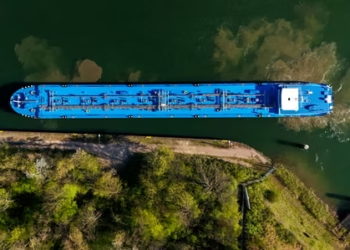
The Iranian government has promised that the Strait of Hormuz will temporarily reopen quite soon. This reopening will allow oil and fuel tankers to resume travel into the global market. Restoring access to this narrow waterway is essential for stabilizing global fuel prices and supplies. Many nations rely heavily on the consistent flow of energy through this specific maritime route. The closure had threatened to cause a massive backlog in global shipping and refining schedules. Now, the industry is racing to move as much product as possible during this window. Every hour of open trade helps to replenish the dwindling energy reserves in Europe.
Shell’s chief executive, Wael Sawan, issued a stern warning about the situation last month. He noted that Europe could face a severe shortage of energy and fuel in April. This dire prediction was based on the potential for a prolonged closure of the strait. Sawan shared these concerns during a major industry conference held in the United States recently. He emphasized that the reopening of the waterway was critical for preventing a regional crisis. Without steady imports, many European nations would have to rely on limited domestic storage facilities. The CEO’s words underscored the gravity of the situation facing the entire continent today.

The company is currently working closely with various governments to address the ongoing supply crisis. This collaboration aims to find alternative routes and sources for essential oil and gas products. The crisis has already led to strict energy rationing in several major Asian countries recently. Governments are desperate to avoid similar rationing measures being implemented across the European Union soon. Public pressure is mounting as citizens face rising heating costs and higher prices at pumps. Industry leaders are calling for more robust energy policies to protect against future supply shocks. The current situation highlights the vulnerability of the global energy system to political conflict.
The financial performance of Shell during this period reflects the dual nature of energy crises. While production levels are down due to conflict, the resulting price volatility fuels trading gains. This phenomenon often leads to public debate regarding the ethics of high corporate energy profits. Critics argue that companies should do more to lower costs for the average struggling consumer. Meanwhile, shareholders expect the company to maximize returns during these periods of high market activity. Balancing these competing interests is a major challenge for the leadership team at Shell. The company maintains that its trading profits are used to fund future green projects.
As the two-week ceasefire begins, the world watches to see if diplomacy can truly hold. The temporary reopening of the Strait of Hormuz offers a brief moment of global stability. However, the damage to infrastructure in Qatar will take much longer to fully repair. Shell must continue to navigate these choppy waters with a focus on operational safety. The coming months will reveal the true extent of the financial impact on the firm. For now, the focus remains on keeping the energy flowing to a waiting world. Reliable energy remains the backbone of the global economy and a primary security concern.
Related News:
 Reeves Faces Setback as Labour May Miss Homes Target
 Virgin Trains Moves Closer to Challenging Eurostar Monopoly
 Trump’s UK Ambassador Urges North Sea Drilling to Strengthen US Ties
 Ryanair Chief UK Economy ‘Doomed’ Under Labour
 ABF May Split Primark from Food Division Amid Tough Market
 M&S Profits More Than Halve After Cyber-Attack
 Tony Blair think tank warns Rachel Reeves must cut taxes if manifesto broken
 Earl of Yarmouth Faces £1.3m Legal Bill Over Family Estate
 Millionaires group urge Reeves to introduce wealth tax to ‘lift kids out of poverty’
 From Lego to Pokémon: How Adults Are Driving UK Toy Market Growth
 UK toy market enjoys bumper year as ‘kidults’ fuel demand
 New laws to bolster UK’s defences against cyber attacks on NHS, transport and energy
 Skims Eyes Global Expansion After Reaching $5 Billion Value
 Global markets drop amid tech sell-off and China slowdown
 Canada Passes Carney’s First Budget in Tight Parliamentary Vote
 PM Highlights UK Business at G20 in South Africa
 Mossmorran Plant Closure Hits Cowdenbeath Hard
 Steel billionaire Lakshmi Mittal reportedly leaves UK
 India’s Labour Law Overhaul Sparks Fierce Debate
 Starmer Says Labour’s Economic Plan Needs Years to Deliver
 Virgin Media Fined £23.8m Over Telecare Safety Failures
 Rising Water Bills Lift Troubled Thames Back to Profit
 Tesla Warns UK That Weak EV Rules Could Threaten Sales
 BP agrees £7.4bn Castrol sale to US investment firm
 FTSE 100 Hits 10,000: UK Market Celebrates Record Year
 UK House Prices Fall Sharply at Year-End, Nationwide Reports
 Wessex Water chiefs receive £50,000 extra despite government bonus ban
 Canada-China trade gains momentum in new strategic partnership
MPs warn AI financial risks threaten UK stability
Canada-China trade gains momentum in new strategic partnership
MPs warn AI financial risks threaten UK stability
 MPs warn AI financial risks threaten UK stability
 B&M and The Works Struggle During Christmas Trading
 US Dollar Hits Four-Year Low Amid Market Turmoil
 Amazon mistakenly signals new global layoffs to employees
 Labour Must Revive High Streets to Avoid Election Collapse
 Households in England Face Rising Water Bills in April
 UK needs new factory to reach 1.3m car target, says industry chief
 UK New Car Discounts Near £6,000 as Prices Are Slashed
 Study Finds One in Seven England Takeaways Are Dark Kitchens
 Telstra AI jobs cuts as automation drive expands
 BT Names New Openreach Chief Amid Major Fibre Expansion
 AI fears hit UK wealth and comparison sites
 UK Housing Market Shows Early Recovery Signs
 UK economy struggles as growth stalls at 0.1% in late 2025
 Royal Mail Blames Poor Weather and Sickness for Delayed Deliveries
 British Steel wins Turkey rail boost
 Glencore Approves $2bn Payout Despite Profit Slump
 UK Job Vacancies Hit Five-Year Pandemic Low
 UK Youth Unemployment Surges Amid Tax Changes
 Strong Rebound for UK Housing Market Sees 6% More Homes
 HSBC Signals Overhaul Nearing Completion Despite Profit Drop
 Engie UK Power Networks Deal Seals £10.5bn Buy
 Reeves Must Back Defence Plan or Face Dismissal, Says Unite Chief
 Switching Energy Deal Can Save £200 as Price Cap Falls
 UK house prices rise as market steadies
 Oil Prices Surge Above $100 Amid Iran War
 Revealed: UK AI Push Faces Phantom Investment Claims
 Abramovich Chelsea Sale Cash Faces Jersey Probe
 Brazil Floods Warning as Scientists Urge Fossil Fuel Exit
 Tesla Enters British Energy Market Following Ofgem Approval
 UK Pushes NHS and MoD to Buy British Tech
 UniCredit’s Bold Move to Reshape European Banking
 UK Wage Growth Slows as Jobs Market Holds Firm
 Charity Watchdog Takes Control of Learning Disability Care Home
 UK inflation held at 3% before global energy price hit
 Eli Lilly Seeks Higher NHS Prices for UK Investment
 Trump Threatens Iran With Total Infrastructure Destruction
 IMF Predicts Global Economic Crisis Due to Gulf Unrest
 Trump Slams Europe as Transatlantic Tensions Boil Over
 Russia: The Unforeseen Winner of the Iran Conflict
 Can Congress Stop US Sports Teams From Moving Cities?
 Trump Issues Stark Warning After Strike On Iran’s Largest Bridge
 New Gmail Feature Ends Era of Embarrassing Email Names
 US Senators Slam Ticketmaster Over Sneaky New Fee Hikes
 The Great Energy Illusion: Is America Truly Oil Independent?
 Apple at 50: Three Products That Changed How We Live
 Tax Shift Hits UK Farms: New Inheritance Rules Begin
 Iceland Boss Offers Role to Sacked Waitrose Employee
 The Great Disconnect: Why Washington’s Elite Can No Longer Find Work
 US and Iran Agree to Two-Week Provisional Ceasefire
 Markets Surge as Trump Agrees to Iran Ceasefire Terms