Published: April 8, 2026. The English Chronicle Desk.
The English Chronicle Online — Tracking the talent gold rush in Europe’s tech capital.
DUBLIN — While the global economy navigates the “tectonic” shifts of the 2026 energy crisis, Ireland’s “Silicon Docks” are experiencing a surge of a different kind. Irish software engineers, long the backbone of Europe’s tech sector, are now the primary beneficiaries of a massive “AI talent gold rush.” With multinational giants and homegrown unicorns racing to integrate Large Language Models (LLMs) and autonomous systems, the demand for specialized skills has sent salaries for senior AI practitioners into a “seismic” upward trajectory, with some total compensation packages now rivaling those of San Francisco and Zurich.

The “bum note” of 2024’s tech layoffs has been replaced by an aggressive hiring spree. As of April 2026, a Lead Machine Learning Engineer in Dublin can command a base salary exceeding €160,000, with stock options and performance bonuses pushing the “unfiltered” total well over a quarter of a million euros. This isn’t just a corporate phenomenon; a new wave of “AI contractors” is emerging, with specialist consultants billing daily rates of up to €2,500 to help traditional firms “AI-proof” their legacy systems.
The wealth isn’t just flowing to those with PhDs in neural networks. The “human-centered” reality of the boom is that engineers who can bridge the gap between raw code and practical application are the ones cashing in.
-
LLMOps and Infrastructure: Engineers who can scale AI models—ensuring they don’t crash under “Power Plant Day” levels of demand—are currently the most sought-after profiles in the Irish market.
-
Prompt Engineering 2.0: Moving beyond simple text inputs, Irish devs are specializing in “Systemic Prompting,” building complex autonomous agents for the fintech and medtech sectors.
-
The “Hybrid” Engineer: Professionals with deep domain expertise in Ireland’s core industries—specifically pharmaceuticals and high-frequency trading—who have upskilled in AI are seeing their market value jump by over 45% in a single year.
For the “Life & Society” of Dublin, the AI influx is a double-edged sword. While the “Silicon Docks” are buzzing with high-spending tech workers, the “market shock” on local housing continues to intensify. The “holding pattern” in construction, hampered by global material costs, has led to a situation where even those on high AI salaries are finding it difficult to secure premium accommodation.
Furthermore, the “technical glitch” of the current boom is a growing “digital divide” within the Irish workforce. While engineers are “cashing in,” those in administrative or entry-level creative roles are facing a “seismic” displacement risk as AI-driven automation becomes the standard in Irish offices.
The Irish government is also finding its own way to “cash in.” The 2026 fiscal report indicates that corporate tax receipts from AI-focused firms have offset the “logistical friction” caused by higher energy subsidies. By positioning the country as a “safe harbor” for AI research—balancing the EU’s AI Act with a “pro-innovation” regulatory stance—Ireland has ensured that when global firms think of “Advanced Intelligence,” they think of the Emerald Isle.

As the world watches the Islamabad peace talks this week, Irish engineers are keeping their eyes on a different set of figures. For those with the right “digital footprints,” the 2026 AI boom isn’t just a career milestone; it’s a generational wealth event that is redefining the “Iron Horse” of the Irish economy for the 21st century.
Related News:
 Anglian Water Fined £63 Million Over Sewage Scandal Amid National Outrage
 How to Exit Your Broadband Contract Without Paying Exit Fees
 Permission Granted for Britain’s First Vertical Rocket Launch at Shetland Spaceport
 Government Expands Electric Car Grant Scheme, Offers Discounts on Five More Models
 Ed Davey Urges Government to Block Elon Musk’s Tesla from Supplying UK Home Energy
 UK Could Generate Nearly £2bn Annually by Taxing SUVs, New Study Reveals
 Google Pledges £5bn AI Investment in UK Ahead of Trump State Visit
 Donald Trump’s UK State Visit Kicks Off Amid Major Tech Investments and Business Engagements
 Jaguar Land Rover Extends Production Halt Following Cyber-Attack
 British AI Startup Outshines Human Forecasters in Global Prediction Contest
 Royal Mail Owner Acquires Stake in Collect+ and Launches High Street Rebrand
 Jaguar Land Rover to Resume Production After Cyber-Attack, Launches Supplier Support Scheme
 NHS May Pay 25% More for Medicines Amid US Drug Talks
 Watchdog Rules Red Tractor Ad Misled Public on Environmental Claims
 Eurostar to launch doubledecker trains through Channel Tunnel by 2031
 North Sea oil workers must lose weight or face job loss
 UK Taskforce Unveils Plan to Streamline Nuclear Reactor Rules
 UK Car Sales Pass 2 Million as Chinese Brands Surge
 MPs warn AI financial risks threaten UK stability
 MPs warn AI financial risks threaten UK stability
 AI job losses UK: Britain faces sharper employment shock
 UK New Car Discounts Near £6,000 as Prices Are Slashed
 Met Police Using AI Tools Supplied by Palantir to Flag Officer Misconduct
 Jack Dorsey’s Block Cuts Thousands of Jobs as It Embraces AI
 Bank of Scotland App Glitch Lets Customers See Other Users’ Transactions
 UK Pushes NHS and MoD to Buy British Tech
 India’s $300bn Outsourcing Industry Faces AI Test
 Councils Pressed to Use Universal Parking App to Cut ‘Unfair’ Fines
 China’s Tech Giants Race to Hong Kong as Global “Staging Post”
 British AI Startup Nscale Faces Backlash Over Planned Microsoft Data Centre
 OpenAI Must Find Profit Path Before Stock Market Debut
 China’s AI ‘Lobster’ Craze Signals Bigger Ambitions
 China and the US: The Divergent Fronts of the Global AI Superpower Race
 Chancellor Rachel Reeves Pushes for Sweeping Changes to Environmental Protections to Accelerate Development
 Inflation Latest: Cost of Living Expected to Rise Again in Key Figures Released Today
 Shein UK Faces Allegations of Shifting Majority of Profits to Singapore to Reduce UK Tax
 Big Pharma Investment Freeze Puts UK Life Sciences Sector Under Strain
 Persistent Offenders Owe Over £700m in Ulez Fines as TfL Cracks Down on Evasion
 Great Britain’s Energy Operator Commits to Strengthening Grid to Prevent Blackouts
 UK House Price Growth Slows as Buyers Exercise Caution Ahead of Autumn Budget
 Kemi Badenoch Unveils ‘Golden Rule’ to Halve Spending Cuts for Deficit Reduction at Tory Conference
 New V-Level qualification to transform post-16 education
 Reform UK candidate fined £19,000 after using AI-generated cases to challenge election
 Real living wage set to rise nearly 7% for UK workers in 2026
 UK Campaigners Launch Bill to Grant Legal Rights to Nature
 Reeves Faces Setback as Labour May Miss Homes Target
Virgin Trains Moves Closer to Challenging Eurostar Monopoly
Reeves Faces Setback as Labour May Miss Homes Target
Virgin Trains Moves Closer to Challenging Eurostar Monopoly
 Trump’s UK Ambassador Urges North Sea Drilling to Strengthen US Ties
 UK Bans Fake Numbers: Scammers Lose Their Trick
M&S Profits More Than Halve After Cyber-Attack
UK Bans Fake Numbers: Scammers Lose Their Trick
M&S Profits More Than Halve After Cyber-Attack
 Patients to Test Health at Home to Ease NHS Winter Pressure
 Millionaires group urge Reeves to introduce wealth tax to ‘lift kids out of poverty’
 Northern Lights may illuminate UK skies this week
 Starmer Says Labour’s Economic Plan Needs Years to Deliver
 Virgin Media Fined £23.8m Over Telecare Safety Failures
 Historic £100-Weekly Pension Boost Brings Relief for UK Mineworkers
 Pornhub blocks new UK users over age checks dispute
 Pound Sinks and Borrowing Costs Rise as Starmer Fights for Job
 Major UK Clothing Firm Collapses into Administration — 109 Jobs at Risk
 BT Names New Openreach Chief Amid Major Fibre Expansion
 Could Manchester Lead the UK’s Economic Revival?
 Lloyds Boss Accepts Concern Over Use of Staff Data in Pay Talks
 AI Coding Firm’s ‘Pride’ at Business Award Win
 UK Job Vacancies Hit Five-Year Pandemic Low
 UK Youth Unemployment Surges Amid Tax Changes
 Strong Rebound for UK Housing Market Sees 6% More Homes
 UK’s First Geothermal Plant Powers 10,000 Homes
 Burger King Rolls Out AI Headsets to Track Employee ‘Friendliness’
 Switching Energy Deal Can Save £200 as Price Cap Falls
 Sarah Ferguson Loses Another £1.5m Amid Financial Struggles
 ‘Heating Oil Suppliers Are Holding Us to Ransom’ as Prices and Cancellations Surge
 Charity Watchdog Takes Control of Learning Disability Care Home
 English Football’s Managerial Merry-Go-Round Has Become a Circus
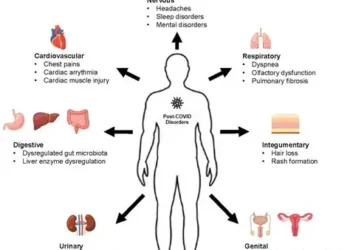 ‘Zoom Dysmorphia’ Explosion: BDD Patients Quadruple in Post-Pandemic UK
 The 8 Million Dilemma: Why Britain’s Disability Safety Net is Facing a ‘2026 Reckoning’
 The ‘Peterborough Windfall’: Council Calculator Finds £84,800 in Unclaimed Support
 ‘The Insulation Trap’: Knifeman Discovered Hiding Under Loft Padding After Six-Hour Standoff
 New UK Farm Inheritance Tax Rule Will Cause ‘Significant Challenges’, Say Accountants
 Electric Shock: Australians Buy Record Number of New EVs as Fuel Crisis Bites
 The Great Chokehold: Why the Strait of Hormuz is the Epicenter of the 2026 Crisis