Published: April 8, 2026. The English Chronicle Desk.
The English Chronicle Online — Shedding light on the “shadow” failures of the justice system.
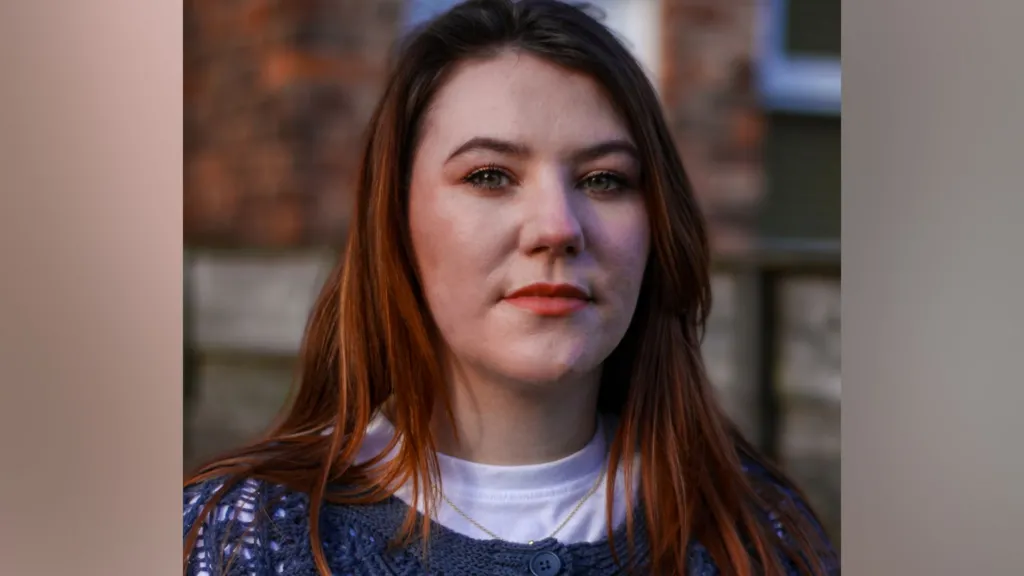
In a “seismic” exposé that has ignited a nationwide conversation about police training and domestic stalking, Jodie Morrow has come forward with a chilling account of how the system designed to protect her became the tool of her own persecution. Her story, titled “He stalked me, but I was the one arrested,” highlights a disturbing “system update” needed in how authorities distinguish between a perpetrator’s “tactical litigation” and a victim’s cry for help. For Morrow, the nightmare didn’t end when she secured a protective order; it merely shifted from the streets to the courtroom, where her stalker successfully “weaponized” the law to have her placed in handcuffs.

Morrow’s case is far from an isolated “bum note” in the legal system. Legal experts are increasingly seeing a phenomenon known as “counter-allegation stalking,” where perpetrators use the very mechanisms of the 2026 stalking laws to flip the script on their victims. By filing false reports or claiming harassment when a victim attempts to document their stalking, perpetrators can create a “logistical friction” that confuses responding officers, often leading to the “remarkable” and traumatic arrest of the actual victim.
Morrow’s ordeal began when her former partner utilized “digital footprints”—tracking apps and spoofed numbers—to maintain a constant, terrifying presence in her life.
-
The Incident: When Morrow finally confronted him in a public space to demand he stop, he utilized his own recording of the interaction to claim she was the aggressor.
-
The ‘Technical Glitch’ in Policing: Police arrived and, lacking the “unfiltered” context of the months of prior harassment, arrested Morrow based on the immediate, curated evidence presented by her stalker.
-
The Holding Pattern: Morrow spent 14 hours in a cell, an experience she describes as a “tectonic shift” in her trust in authority. “I went to them for a shield,” she shared, “and they gave him a sword.”
The “Life & Society” impact of these “backfire” arrests is devastating. Beyond the immediate trauma of incarceration, victims often face:
-
Legal Paralysis: The fear of being arrested again often prevents victims from reporting future stalking incidents, essentially granting the stalker “unfiltered” access.
-
Reputational Market Shock: An arrest record, even if charges are eventually dropped, can derail careers and destroy social support networks.
-
Health & Wellness: Psychologists note that being arrested as a victim of stalking creates a specific type of “institutional betrayal” that can double the recovery time from PTSD.
Advocacy groups are now using Morrow’s story to push for a “human-centered” overhaul of stalking protocols. They are calling for mandatory “primary aggressor” training for all UK and international police forces, which would require officers to look past the immediate call and examine the broader “digital matrix” of a relationship before making an arrest.

As the “World holds its breath” for broader legal reforms in 2026, Jodie Morrow remains a “bombastic, confident, strong” voice for change, refusing to let the “shadow pandemic” of stalking be silenced by a pair of handcuffs. Her message to the system is clear: a protection order should never be a trap for the protected.
Related News:
 Stop Releasing Phone Thieves Who Reoffend, Met Police Chief Urges Courts
 Disability and LGBT Hate Crimes Set to Become Aggravated Offences
 Last‑ditch Call to Save Police Front Counters in London
 Sadistic Pair Jailed for Blowing Up Sheep
 Grave of Murdered Toddler James Bulger Vandalised
 Outsiders Disrupted Search for Missing Teen Noah Donohoe
 Police Brothel Raids Target Organisers, Not Sex Workers
 Family of Girl Groomed by Ian Huntley Beg Medics to Save His Life
 Sarah Everard’s Killer Wayne Couzens ‘Petrified’ After Ian Huntley Prison Attack
 Undercover officer deceived women with ‘grotesque and cruel’ lies, spycops inquiry told
 Gran Vows to Shield Huntley’s Daughter From Soham Killer’s Funeral
 Burglar’s Bizarre Excuse After Bedroom Break-In
 King Charles Strips MBE and OBE Titles from Nine People Including Stuart Hogg
 Mum Forces Killer Son Back to Crash Scene After He Mows Down Pensioner
 Mum-of-Three Blackmailed Men After Sending Nude Photos
 Blind Woman Forced to Move Out After Leak Causes Ceiling to Cave In
 Rapist Caught After Victim Calls Police Mid-Attack

 Brutal Attack on Officer Leads to Five-Year Sentence
 Hazardous Material Found in Scots Home Raid
 Families Tortured by Authorities During Investigations Inquiry Told
 Watchdog Probes Police Handling of Andrew Tate Abuse Claims
 Dawn Raids in Scotland and Spain: Eight Arrested in Major Organised Crime Sting
 ‘I Didn’t Realise’: ‘Housebound’ Benefit Cheat Caught Ziplining in Mexico
 ‘An Evil Man is Dead’: Australian Fugitive Dezi Freeman Shot Dead After 216 Days
 Three-Minute Heist: Renoir, Cézanne, and Matisse Masterpieces Stolen in Italy
 Heartbreak in Bournemouth: The Tragic Death of James Blanch
 Rebranded or Reclaimed? Seized Tate Assets to Fund Domestic Abuse Support
 Tasers Introduced in UK Prisons to Combat Rising Violence and Protect Staff
 Targeted Attack in Bury Sparks Murder Investigation as Community Awaits Justice
 Man Remanded After Children Fall Ill at Leicestershire Summer Camp in Shocking Child Cruelty Case
 Merseyside Police Helicopter Crew Cleared After Low-Altitude Pursuit of Suspect
 UK Launches Major Crackdown on Networks Profiting from Online Child Sexual Abuse
 No Evidence Found to Substantiate Alleged Rape in Oxfordshire Churchyard, Police Confirm
 French Taxi Driver Cleared in David Lammy Theft Case After Fare Dispute
 Just Stop Oil Protesters Convicted Amid Climate Defence Row
 Serial Rapist and Former Cop Found Guilty Again
 Woman Jailed for Life After Killing E-Bike Rider in Tragic Mistaken Identity Case
 Betfair Faces Pressure Over Funds Lost to Gambling Fraud
 Appeal to B&B Owners Over Cash Point Ram-Raid
 Wayne Couzens Still Eligible for £7k Pension
 Motorists Could Face ‘Mandatory’ Driving Ban for Road Offences Under Tougher Laws
 Teacher Who Lied About Cambridge Degree Banned From Profession
 How Much Could Andrew’s Arrest Hurt the Royal Family?
 Epstein Eyed Record Label Investment to Access Women, Files Suggest
 Fly-Tippers to Be Hunted by ‘Drone Squad’ in Crackdown from the Sky
 Dad Found in Bed with Daughter 16 Years After Abandoning Her as a Child
 ‘Don’t Make Us Security Guards,’ Says Teacher Stabbed by Pupil
 Court Error Frees Rape Suspect Who Flees UK
 Trial Date Set for Student Accused of Racial Hatred
 Rape Accused Had Fight With Man in Alley, Court Told
 Suspects in Lisa Dorrian Case Released on Bail
 Murder Charge After Security Guard Stabbed in Violent Attack
 Driver Jailed Over Fatal Water Treatment Tank Crash
 Calls Grow to Remove Billboard Following Lyra McKee Graffiti
 Man on Trial for Rape That Led to Andrew Malkinson’s Wrongful Jailing
 Labour MP’s Partner Arrested on Suspicion of Spying for China
 Police Scotland Pays £8m Compensation to Staff
 Woman Smuggled Military-Grade Guns and Heroin
 ‘He Didn’t Stand a Chance’: Man Killed by Tube Was Blocked from Safe Spot, Inquest Hears
 Armed police incident closes major road
 Pedestrian critically hurt after being hit by car
 Scots Man Convicted in Dirty Money Case After DNA Found on Cash
 Teen Wins Payout After TRNSMT Crush Horror
 Biker Suffers Fractured Spine After Hitting Pothole in Edinburgh
 Scots Head Teacher Pays Tribute to Teen Who Died in Car Fire
 Liverpool Shooting Horror as Girl, 17, Shot in Legs in ‘Targeted Attack’
 Second Man Arrested Over ‘Gunshot’ Death of Young Dad in Motherwell Home
 Two Men Bailed Following Arson Attack on Jewish Charity Ambulances
 US Lawmaker Demands Testimony Over Sarah Ferguson’s ‘Close Epstein Ties’
 The Last of the Lords: Two Hereditary Peers to Retain Ceremonial Roles Amid Historic Ousting
 ‘My Daughter is Under the Rubble’: The Human Cost of the Tehran Strikes
 ‘Eye in the Sky’ Blinded: Photos Reveal Destroyed US Radar Jet at Saudi Base
 ‘Full and Immediate Access’: Netanyahu Reverses Palm Sunday Ban on Latin Patriarch
 Four Teens Charged After Assault on Rescue Volunteer and Dog
 Woman Deported from China Over Manx Passport Mix-Up
 Police Hunt Bike-Riding Gunman After Man Shot Dead Near Euston
 “A Shadow in the Night”: Survivor Speaks Out After Abduction by Fake Taxi Driver
 The Fallen Icon: Ben Roberts-Smith Charged with Five War-Crime Murders
 The Gilgo Beach Case: Heuermann Expected to Plead Guilty to Eighth Victim