Published: 09 April 2026. The English Chronicle Desk. The English Chronicle Online.
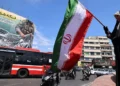
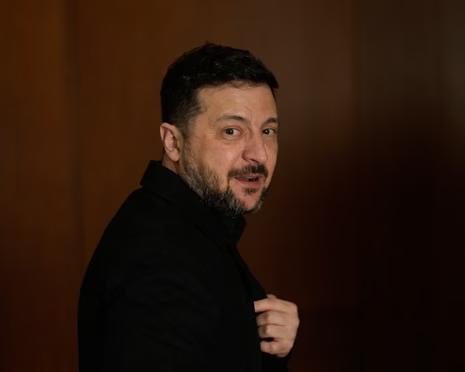
The shifting tides of global diplomacy have reached a critical and tense new junction today. President Volodymyr Zelenskyy has issued a stark warning regarding the current White House administration’s strategy. He suggests that American officials are placing a dangerous level of trust in Vladimir Putin. This trust apparently persists despite evidence of Russian interference in the volatile Middle East region. Zelenskyy shared these explosive insights during a candid interview on The Rest is Politics podcast. He spoke directly to Alastair Campbell about the growing intelligence gap between Kyiv and Washington. The Ukrainian leader claimed that Moscow is actively assisting Iran with targeting American military bases. This collaboration represents a significant escalation in the hidden shadow wars across the globe. Zelenskyy stated that he has tried to alert the White House to these specific threats. He noted that Russian military satellites have been capturing images of critical energy infrastructure sites. These photographs include sensitive locations in Israel and several influential Gulf state nations as well. The Kremlin allegedly passed these detailed images directly to the Iranian regime to facilitate attacks. Despite these findings, the Ukrainian President feels his warnings have fallen on very deaf ears. He expressed deep frustration that the United States has not reacted publicly to these provocations.
The core of the problem lies in a perceived misplaced faith in Russian promises. Zelenskyy believes that the American leadership is fundamentally misjudging the true intentions of the Kremlin. He specifically pointed toward the team surrounding Donald Trump as lacking a deep tactical understanding. The President suggested that US negotiators do not really grasp the details of Russian desires. He named Steve Witkoff and Jared Kushner as key figures who have miscalculated the situation. These two negotiators have reportedly spent a significant amount of time with senior Russian officials. Records show the pair travelled to Moscow five times over the course of last year. Interestingly, they have yet to make a single official visit to the capital of Kyiv. This disparity in diplomatic engagement has caused visible friction between the two allied nations recently. The Trump administration continues to pressure Ukraine to cede its eastern Donbas region to Russia. This area has been the scene of some of the most intense modern warfare. Putin has suggested he might agree to a ceasefire if Ukraine yields this specific territory. However, Zelenskyy remains entirely unconvinced by these diplomatic overtures from the Russian side right now. He believes he has a much better understanding of the Russian leader’s complex internal psychology.
The Ukrainian leader warned that Putin will not simply stop after seizing the Donbas region. He predicted that the Russian military would next target the major cities of Dnipro and Kharkiv. Zelenskyy lamented that some Americans view the Donbas as a small and insignificant piece of land. He argued that this perspective ignores the reality of Putin’s long-term and aggressive imperial goals. The Americans seem sure they can trust Putin to keep his word regarding future peace. Zelenskyy remains adamant that the Russian leader will continue his occupation despite any signed peace deals. This fundamental disagreement over Russian reliability is driving a wedge between these two long-term partners. The President also took the opportunity to comment on recent American diplomatic moves in Europe. He described Vice-President JD Vance’s recent trip to Budapest as being remarkably unhelpful for unity. Vance was in Hungary to campaign for Viktor Orbán ahead of the upcoming Sunday elections. Zelenskyy stated he does not wish to interfere in the internal politics of the Hungarian people. He did, however, note that such moves complicate the broader European security landscape during wartime. The conversation then shifted toward the future of European defense without guaranteed American military support.

Zelenskyy suggested that Europe must now work to maximize its own independent collective military power. This necessity arises as the United States frequently threatens to withdraw from the Nato alliance. The Ukrainian President envisions a new and powerful military bloc within the European continent itself. This bloc would ideally include the United Kingdom, Turkey, Norway, and a fully integrated Ukraine. He argued that the European Union needs these specific partners to achieve true military parity. Without the inclusion of Ukraine and Turkey, Europe lacks an army equal to Russia’s size. Zelenskyy highlighted that this coalition would effectively control security across several different vital sea regions. He remains confident that Kyiv will eventually secure its place within the European Union structure. This vision for a self-reliant Europe is a response to shifting American foreign policy goals. The President’s tone remained professional yet carried a heavy weight of urgent and somber responsibility. He wants the British public to understand the gravity of the current geopolitical shifts occurring. The interview serves as a reminder that the war in Ukraine affects global security architecture. Trust in authoritarian leaders is seen by Kyiv as a path toward further global instability.
As the interview concluded, the focus returned to the immediate needs of the Ukrainian frontlines. Zelenskyy emphasized that security in the Middle East and Europe are now inextricably linked together. The sharing of satellite data between Moscow and Tehran proves that the conflict is global. If the US continues to ignore these links, the consequences could be very severe indeed. The English Chronicle continues to monitor these developing stories with a commitment to fair reporting. It is clear that the relationship between Zelenskyy and the White House is under strain. The world watches closely to see if Washington will adjust its stance toward the Kremlin. For now, Ukraine remains a bulwark against further Russian expansion into the rest of Europe. Zelenskyy’s words reflect a leader who is tired of seeing his warnings go completely unheeded. He hopes that European partners like the UK will continue to provide steady leadership roles. The security of the seas and the stability of nations depend on this continued cooperation. This report highlights the complex reality of modern diplomacy in an increasingly divided global world. Readers are encouraged to stay informed as these international events continue to unfold daily. The path to peace remains difficult and filled with many unexpected and dangerous diplomatic turns. Zelenskyy’s final message was one of resilience and a call for true strategic clarity. The future of the West may depend on recognizing the reality of Russian regional ambitions. Understanding the psychology of the enemy is the first step toward a lasting global peace. Washington’s next moves will likely define the course of history for the next decade.
Related News:
 British Woman in Iran ‘Losing Hope’ Amid Ongoing Detention
 BBC Journalist Held and Interrogated in Vietnam
 The diet that can significantly ease symptoms of IBS
 Trump Speaks on Prince Andrew’s Royal Scandal Fallout
 Pregnant UK Teen to Be Freed from Georgian Jail
 Zohran Mamdani becomes New York City’s first Muslim mayor
 Top Christmas Books Reads: Classics to Cozy Romcoms
 UPS Cargo Plane Crash in Kentucky Kills Seven
 Just Stop Oil Protesters Convicted Amid Climate Defence Row
Zohran Mamdani names all-female transition team for NYC mayoralty
Just Stop Oil Protesters Convicted Amid Climate Defence Row
Zohran Mamdani names all-female transition team for NYC mayoralty
 Tension and Turmoil at Aston Villa v Maccabi Match
 British Grandmother to Return Home After Death Sentence in Bali
 Parents Urge Home Office to Reunite Daughter After Hurricane
 Lando Norris Dominates Brazil GP to Strengthen F1 Title Bid
 Second world war veterans honoured as King leads Remembrance Sunday
 BBC director-general and news chief resign amid bias row
 Palace May Restore Hyphen to Andrew Mountbatten-Windsor’s Name
 Ronaldo Confirms Final World Cup and Plans Retirement
 Rama Rebukes Mahmood for Targeting Albanian Families
 Russian Vessel Used Lasers on RAF Pilots, UK Claims
 Royal Navy Shadows Russian Warships Entering the Channel
 Ireland Boosts Ukraine Aid as Zelensky Visits Dublin
 UK and France Agree Troop Deployment Plan for Ukraine
 US Africa aid remarks spark anger after leaked State email
 Starmer China visit raises human rights pressure on Beijing
 UK and EU Signal Fresh Push for Defence Cooperation Talks
 UK New Car Discounts Near £6,000 as Prices Are Slashed
 Cory Bernardi joins One Nation for SA election
 Starmer Condemns ‘Depraved’ Russian Strikes on Ukraine
 Sydney Protest Pepper Spray Clash During Herzog Visit
 Mexico Challenges UK Asylum Decision
 Trump Warns Over Chagos Islands Deal
 NSW Mental Health Crisis: Escapes Spark Alarm
 Trump and Chagos Deal Rift Over Iran Strikes
 Andrew Mountbatten-Windsor Arrest After FBI Radar
 Farage Chagos Islands Row Sparks Fury
 Trump Tariffs Threat Spark UK and EU Alarm
 Mediterranean Storms: A New Era of Climate Tragedies
 UK Allows US Base Use Amid Iran Tensions
 Middle East evacuation plans for Britons
 Iranian Australian community divided after vigils
 Trump rebukes Starmer over Iran strikes
 Trump Rebukes Starmer Over Iran Strikes Row
 US Iran strikes strain special relationship
 Iran War Threatens Globalisation and UK Economy
 Gulf shipping crisis sparks food price fears
 UK Rescue Flight Delayed Amid Middle East War
 UK Rescue Flight Leaves Oman After Delay Amid Evacuation Effort
 UK Prepares Aircraft Carrier for Middle East Crisis
 Gordon Brown urges court for crimes against children
 Yvette Cooper: UK Must Follow Principles, Not US Pressure
 Iran War Warning: Starmer Backs Ukraine Visit
 UK Wage Growth Slows as Jobs Market Holds Firm
 UK Minister Denies Iran Missile Threat to Britain
 Australia Imposes Sudden Travel Ban on Iranian Visitors
 Middle East Conflict to Hit UK Economy Hardest
 Army Probes Apache Flyover at Kid Rock’s Nashville Estate
 Relationship with Trump may be beyond repair, Starmer warned
 ICE Detains Soldier’s Bride Days After Louisiana Wedding
 Reeves Faces Setback as Labour May Miss Homes Target
 Kate Winslet to Narrate Film Highlighting King’s Environmental Mission
 Trump’s UK Ambassador Urges North Sea Drilling to Strengthen US Ties
 UK Bans Fake Numbers: Scammers Lose Their Trick
BBC to Apologise Over Edited Trump Speech Amid Backlash
UK Bans Fake Numbers: Scammers Lose Their Trick
BBC to Apologise Over Edited Trump Speech Amid Backlash
 Millionaires group urge Reeves to introduce wealth tax to ‘lift kids out of poverty’
 Reeves rejects £1bn plea for NHS redundancy payouts
 PM Condemns Leaks, Vows Loyalty to Ministers and Stability
 Greene Pushes Epstein Files Amid Trump Fallout
 Zelenskyy Signs Fighter Jet Deal Amid Russian Drone Attacks
 Shadow Fleet at Sea: Europe’s Battle Against Illicit Oil Shipping
 Hilary Knight speaks out on Trump’s recent hockey remarks
 Mother Says ‘I Hugged My Daughter’s Killer’ as They Cried Together in Prison
 Brit ‘in Good Spirits’ Amid Dubai Missile Attacks, Stranded but Safe
 Penny Wong silent on Australian crew in sub strike
 Thousands Protest Iran Strikes Outside US Embassy London
 UK Oil and Gas Supplies Reassured Amid Middle East Concerns
 Trump Pressures Congress Over Save America Act
 Goma Drone Attack Kills Three as Conflict Escalates
 Queensland Protest Laws Spark Free Speech Backlash
 Trump Nato threats expose Iran strategy vacuum