Published: 09 April 2026. The English Chronicle Desk. The English Chronicle Online.
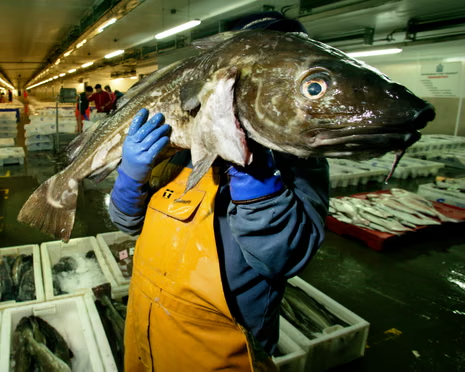
The British dinner table is facing a seismic shift as environmental experts sound the alarm. Iconic North Sea cod has now reached a critical and dangerous point of population decline. Marine conservationists are urging every shopper in the country to stop buying local cod immediately. This stern warning comes despite repeated scientific recommendations for a total halt on commercial fishing. The Marine Conservation Society has officially moved the species to its red-rated “avoid” list today. This decision reflects a desperate need to protect the few remaining fish in our waters. Many families consider cod a staple of the traditional British diet and weekly shopping trips. However, the current reality of our oceans means this habit is no longer environmentally viable. We must look toward different species if we want to save our local marine life.
The Good Fish Guide serves as the primary compass for sustainable seafood across the nation. It provides clear ratings to help businesses and individuals make responsible and ethical food choices. On Thursday morning, the guide downgraded all UK-caught cod to its worst possible safety rating. This significant move signals a genuine emergency for the health of our surrounding coastal ecosystems. Kerry Lyne manages the Good Fish Guide and describes this update as a warning signal. She believes the government must act now to allow these depleted stocks a chance to recover. Without urgent intervention, the future of this iconic British fish remains incredibly bleak and uncertain. Consumers are being asked to pivot toward European hake as a much better white fish. This alternative offers a similar flaky texture while supporting much healthier and more stable populations.

The crisis is not limited to cod, as other popular seafood items face similar downgrades. Trawled scampi has also seen its rating plummet due to concerns over modern fishing methods. Only scampi caught using traditional pots or creels remains on the recommended list for shoppers. This shift highlights a broader problem within the industrial fishing sectors of the United Kingdom. Cod populations have been steadily falling since the middle of the last decade in 2015. Overfishing remains the primary driver of this decline across the North Sea and adjacent waters. Changing sea temperatures have also played a role in disrupting the delicate balance of breeding. Juvenile fish are struggling to survive long enough to replenish the aging and dwindling schools. Every part of the marine food chain is feeling the pressure of these combined environmental forces.
Last year, international scientists recommended a zero-catch policy for the entire 2026 fishing season. The International Council for the Exploration of the Sea provided this very clear scientific advice. They warned that continued commercial fishing would push populations below safe and sustainable reproduction levels. Despite this expert guidance, the UK government chose not to implement a full fishing ban. Instead, the Minister for Food Security announced a forty-four percent cut in catch quotas. This decision followed intense annual negotiations held between the United Kingdom, Norway, and the EU. While the reduction is substantial, many conservationists argue it simply does not go far enough. Industry voices have expressed a reluctant resignation to these new and tighter fishing restrictions. Many fishers admit they are seeing far fewer cod than in previous decades or years.
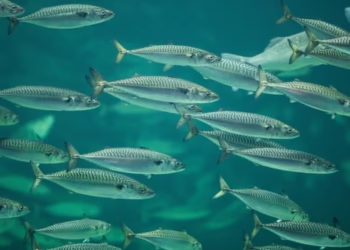
The current situation with cod mirrors the recent and troubling history of the mackerel industry. Last year, mackerel was also removed from the recommended list due to persistent overfishing issues. Disagreements over quotas between coastal neighbors led to a rapid depletion of these fish stocks. Large retailers like Waitrose have already taken bold steps to stop selling threatened mackerel species. They stated that all fishing must stay within sustainable limits to protect the natural world. This corporate responsibility is becoming more common as public awareness of ocean health continues growing. Last year, the government set mackerel catch levels significantly higher than the scientific advice suggested. This pattern of ignoring expert warnings has led to the current crisis facing our fisheries. We are now seeing the consequences of prioritizing short-term gains over long-term environmental stability.
Chris Graham leads the sustainable seafood department at the Marine Conservation Society with deep concern. He finds it distressing to see so many iconic British species under such intense pressure. Graham believes the government must transition toward low-impact fishing practices to rebuild our local stocks. Such a move would reduce our heavy reliance on imported seafood from other global regions. Currently, about eighty percent of all seafood eaten in the United Kingdom is actually imported. By protecting our own waters, we could create a more secure and sustainable food future. The society encourages shoppers to look for Icelandic cod if they truly crave that flavor. Icelandic stocks are currently abundant and are not suffering from the same overfishing problems here. Our local waters need a long and undisturbed period of rest to recover properly.
For those who want to shop locally, there are still several great sustainable options available. European hake is a fantastic and environmentally friendly choice for those who enjoy white fish. Haddock remains a viable option if it is sourced from the North Sea specifically. Shoppers might also consider exploring North Sea plaice or seabass for their next home meal. UK-farmed mussels and freshwater trout are also highlighted as excellent and very responsible choices. These species provide a way to enjoy seafood without damaging the wild ocean population further. The Marine Conservation Society updates its guide twice a year to reflect the latest science. They look closely at stock levels and the management plans put in place by authorities. This ensures that their advice is always current and based on the most accurate data.

The road to recovery for the UK cod population will be long and very difficult. It requires a collective effort from the government, the fishing industry, and every single consumer. By choosing to avoid UK-caught cod today, we are investing in a healthier sea tomorrow. The goal is to return to a time when our waters were naturally teeming. Small changes in our shopping baskets can lead to massive improvements for the marine environment. We must listen to the scientists who dedicate their lives to studying these underwater trends. Their message is clear and urgent: the time to stop eating local cod is now. This sacrifice is necessary to ensure that future generations can also enjoy British seafood traditions. We have the power to influence the market through our daily and weekly spending. Choosing sustainable alternatives is a simple but powerful act of conservation for everyone involved.
As we look toward the future, the hope is for more robust environmental management. The UK has a unique opportunity to lead the way in sustainable and ethical fishing. Transitioning to better practices will protect both the fish and the livelihoods of local fishers. A healthy ocean is the foundation of a healthy economy and a thriving national culture. We must respect the limits of nature and harvest only what the sea can provide. The current downgrade is a wake-up call that we cannot afford to ignore anymore. Let us embrace the variety of sustainable fish that our local regions still offer. By doing so, we give the iconic cod a fighting chance to return home. The English Chronicle will continue to monitor these vital environmental developments for our readers. We remain committed to reporting on the health of our planet with total transparency. Together, we can help restore the natural beauty and abundance of our British coastal waters.
Related News:
 ‘Extinct’ Antelope Returns to Sahara, Bringing Hope
 Norfolk Coastal Graves at Risk as Erosion Deepens Family Anguish
 Eden Project Founder Celebrates 25 Years of Nature’s Hope
 Winter plant bloom signals climate breakdown in UK
 UK Homes May Skip Batteries in New Green Rules
 Avocado Crisis: The Hidden Violence Behind Exports
 Smaller farms funding prioritised in England nature plans
 Dog Food Emissions: 1% of UK Greenhouse Gas Revealed
 Dutch Nationwide Fireworks Ban Expected to Transform New Year Traditions
 Storm Goretti leaves Cornwall homes without power
 Wildlife Targets at Risk in England and Northern Ireland
 Dubai Chocolate Craze Inspires South Korea’s Latest Dessert Obsession
 Traces of Glyphosate Found in UK Playground Tests
 BP’s Influence Sparks Controversy in UK STEM Education
 Polycrisis Anxiety Leaves Many Feeling Trapped in the Present
 Japan Prepares for Kashiwazaki Restart After Fukushima Legacy
 Kent Residents Continue Facing Water Supply Disruptions
 Water firms may avoid fines under UK water reform plan
 Antarctic Penguins Shift Breeding Season Amid Climate Change
 No Gas Boiler Ban as UK Warm Homes Plan Backs Heat Pumps
 Judi Dench Champions Fight to Save London’s Green Spaces
 Half the World’s Largest Cities Face Rising Water Stress
 The Sound of Mayhem’: Terror and Loss at Mount Maunganui
 Record-Breaking Heat Looms Over South-East Australia as Catastrophic Fire Risk Escalates
 Reindeer Deaths Rise as Finnish Herders Blame Border Wolves
 UK joins North Sea wind grid pact with nine European nations
 Devon hosts first high-density hydro power system
 US-Style Pickup Trucks Surge on UK Roads
 Storm Chandra floods Somerset, triggers major incident declaration
 How Sandhill Ashes Rebuilt a Bushfire-Hit Rural Community
 Storm Chandra flooding leaves England on high alert
 Reform UK Taps Boris Ally to Shape Party Nature Agenda
 James Valentine Retires from ABC After Cancer Battle
 UK Pfas Action Plan Faces Criticism From Environmentalists
 Wigan Dump Crisis Sparks Health and Safety Alarm
 Norway’s Petrol Car Sales Hit Record Low Amid EV Surge
 Fish disco plan could save 90% of fish at Hinkley C
 Santos Wins Landmark Greenwashing Case in Court
 Gentoo Penguins First Birds on Australian Territory Hit by Bird Flu
 AI Climate Claims Face Greenwashing Backlash
 Flood risk homes surge across England builds
 Chikungunya Spread in Europe Climbs as Climate Warms
 Deer Shooting England: New Plan to Protect Woods
 Illegal Waste Dumping: New Drone Unit Launched
 Scotland’s Emissions Plans Face Criticism for Over-Reliance on Technology
 Germany Faces Backlash Over Scrapped Renewable Heating Mandate
 Group Expands Legal Claim Over South West Water Pollution
 Scotland’s Climate Plans Face Scrutiny Over ‘Science Fiction’ Targets
 Humans – not Mimmo the dolphin – need managing in Venice lagoon
 Ocean Warming Drives Massive Marine Life Loss, Study Warns
 Ancient Stepwells Revived Amid India’s Deepening Water Crisis
 Tropical Flowers Shift Blooming Due to Climate Crisis
 Death Valley Blooms Signal Potential Superbloom Year
 Greenpeace $345m Ruling Sparks Appeal Battle
 Save the Caterpillars to Help UK Moth Populations Grow
 Wood burner legal threats spark council row
 South East Water Fined £22.5m for Repeated Supply Failures
 Yorkshire Water Funding Sparks Debate Amid Fines and Pay Row
 Net Zero Cheaper Than One Fossil Fuel Crisis, UK Told
 Musk’s xAI Permit Sparks Fury Over Power Plant Expansion
 Welsh Water Faces £44.7m Enforcement Over Sewage Breaches
 London Considers New SUV Charges to Improve Road Safety
 The Truth Behind Rising Energy Costs and Fossil Fuel Myths
 ‘Drinking from a Fetid Pond’: Superbug Genes in Lough Neagh
 New £10bn rescue plan offered for Thames Water
 MPs Slam Agency Over Failing Fight Against Waste Dumping
 Extreme Weather: Europe Shivers as Cyclone Narelle Hits
 Middle East Deluge: Freak Storms Bangle Desert Nations
 Trump to Deploy “God Squad” Over Gulf Wildlife Protections
 RNLI Beach Rescues Surge as Coastal Popularity Hits New High
 The Secret Identity Behind the Enfield Oak Felling
 Evacuations Ordered as California Wildfires Spread Fast
 UK Records Earliest Spring as Nature Awakens Fast
 Queensland Braces for Potential Second Severe Cyclone Hit
 Tragic End to Outback Search as Floods Claim a Life
 US Waste Crisis: Mexico Branded a Toxic Garbage Sink
 UK Fossil Fuel Expansion Risks Global Climate Collapse
 Cyclone Maila Intensifies to Category Five Strength
 Miles Jupp: How the Magic of the Ashes Sparked a Bold Blag
 Britain Must Break Its Long Addiction To Toxic Herbicides