Published: April 10, 2026. The English Chronicle Desk.
The English Chronicle Online — Tracking the Science & Technology revolution in public transport.
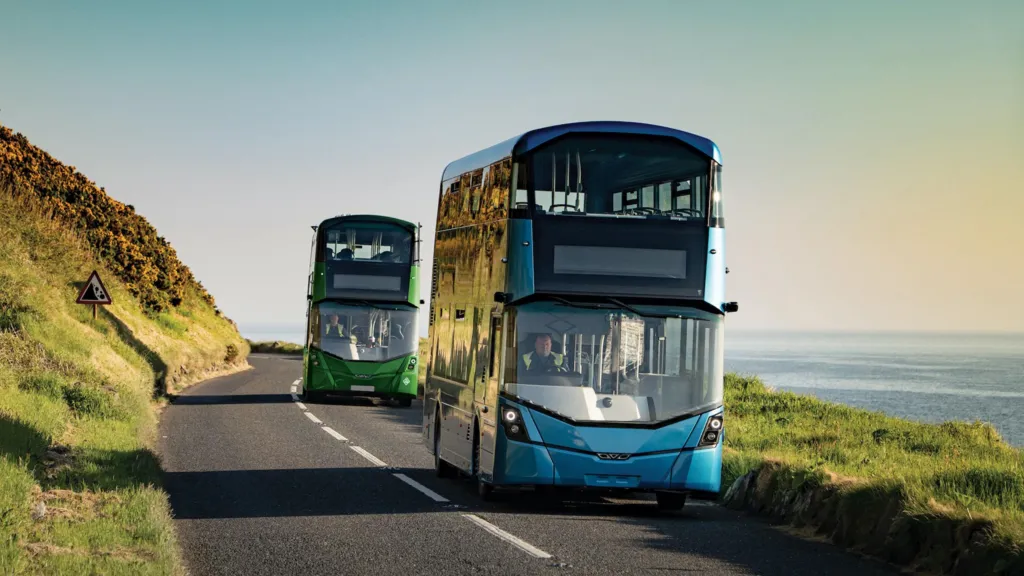
BELFAST / CRAIGAVON — Northern Ireland is set to become a global “Power Plant” for autonomous transit after a local consortium was awarded a seismic government grant to develop and trial self-driving buses. The multi-million-pound investment, part of a wider system update to the UK’s industrial strategy, will see the development of zero-emission, “Level 4” autonomous vehicles designed to navigate the complex urban “logistical friction” of Belfast’s busy corridors. For a region with a rich History & Heritage in engineering—from the Titanic to modern aerospace—the project represents a remarkable pivot toward the “Iron Horse” of the future.

The consortium, which includes leading academic institutions and private sector tech firms, aims to have the first “unfiltered” pilot programs on public roads by late 2027. Proponents argue that the technology will provide a human-centered solution to driver shortages and late-night service gaps, though skeptics remain in a holding pattern regarding the “technical glitch” risks of removing human oversight from the steering wheel.
The project isn’t just about a “technical glitch” fix; it’s a seismic leap in how AI interacts with the physical world.
Sensor Fusion: The buses will utilize a “digital footprint” of LiDAR, radar, and high-definition cameras to create a 360-degree “Power Plant” of situational awareness.
V2X Communication: “Vehicle-to-Everything” technology will allow the buses to talk to traffic lights and smart bus stops, reducing “logistical friction” and optimizing fuel efficiency.
Geofenced Autonomy: The initial trials will operate within a “seismic” geofenced area, where the AI can operate without human intervention under specific conditions.
The “Life & Society” impact of self-driving buses could be the most significant and poignant change to NI travel in a generation.
24/7 Connectivity: Autonomous fleets could end the “holding pattern” of late-night commuters, providing a toll-free sense of security for those traveling outside traditional peak hours.
Accessibility Overhaul: The “human-centered” design includes automated ramps and AI-assisted boarding for passengers with disabilities, removing the “friction” often found in current public transport.
The Jobs Pivot: While some fear a “seismic” loss of driving roles, the consortium argues the project will create a market shock of high-tech jobs in remote vehicle monitoring and fleet maintenance.
While the grant is a remarkable milestone, the path to a fully autonomous Belfast is not without “logistical friction.”
Regulatory Hurdles: The “Iron Horse” of legislation must catch up to the technology, with new 2026 safety standards currently being drafted in Westminster and Stormont.
Public Trust: To overcome the “unfiltered” anxiety surrounding AI, the group plans a series of “poetic” public engagement days where residents can experience the “system update” first-hand in a controlled environment.

Infrastructure Synergy: For the buses to work, the city requires a seismic investment in 5G “Power Plants” and smart road markings, a “tectonic” task for local councils.
As the World holds its breath for the next leap in AI, Northern Ireland is proving it has the remarkable wisdom to lead the charge. This grant is more than just money; it is a poetic statement that the “Iron Horse” of the future will be built, tested, and perfected on the streets of Belfast.
Related News:
 Anglian Water Fined £63 Million Over Sewage Scandal Amid National Outrage
 How to Exit Your Broadband Contract Without Paying Exit Fees
 Permission Granted for Britain’s First Vertical Rocket Launch at Shetland Spaceport
 Government Expands Electric Car Grant Scheme, Offers Discounts on Five More Models
 Ed Davey Urges Government to Block Elon Musk’s Tesla from Supplying UK Home Energy
 UK Could Generate Nearly £2bn Annually by Taxing SUVs, New Study Reveals
 Google Pledges £5bn AI Investment in UK Ahead of Trump State Visit
 Donald Trump’s UK State Visit Kicks Off Amid Major Tech Investments and Business Engagements
 Jaguar Land Rover Extends Production Halt Following Cyber-Attack
 British AI Startup Outshines Human Forecasters in Global Prediction Contest
 Royal Mail Owner Acquires Stake in Collect+ and Launches High Street Rebrand
 Jaguar Land Rover to Resume Production After Cyber-Attack, Launches Supplier Support Scheme
 NHS May Pay 25% More for Medicines Amid US Drug Talks
 Watchdog Rules Red Tractor Ad Misled Public on Environmental Claims
 Eurostar to launch doubledecker trains through Channel Tunnel by 2031
 North Sea oil workers must lose weight or face job loss
 UK Taskforce Unveils Plan to Streamline Nuclear Reactor Rules
 UK Car Sales Pass 2 Million as Chinese Brands Surge
 MPs warn AI financial risks threaten UK stability
 MPs warn AI financial risks threaten UK stability
 AI job losses UK: Britain faces sharper employment shock
 UK New Car Discounts Near £6,000 as Prices Are Slashed
 Luxury Airbnb Cabins With Hot Tubs Must Be Demolished After Planning Ruling
 Bank of Scotland App Glitch Lets Customers See Other Users’ Transactions
 Glasgow Central to Reopen After Union Street Fire
 Glasgow Central Set for Full Reopening After Fire
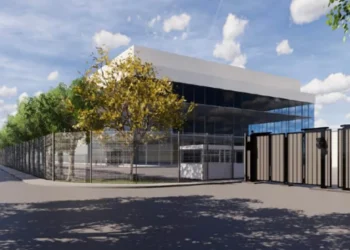 British AI Startup Nscale Faces Backlash Over Planned Microsoft Data Centre
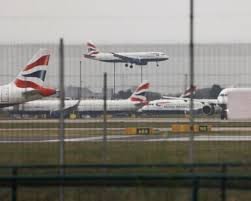 UK Aviation Watchdog Clips Heathrow’s Fee Hike Wings
 OpenAI Must Find Profit Path Before Stock Market Debut
 Two Centuries of Steam: The Museum Train Embarking on a Bicentennial Journey
 Echoes of the Iron Horse: Exhibition Train Marks 200 Years of Rail
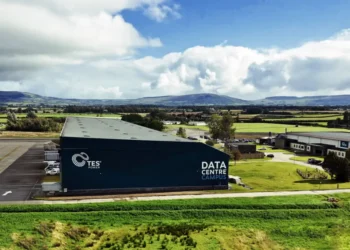 The Silicon Emerald: How Irish Engineers are Cashing In on the AI Boom
 The Iron Horse Returns: Borders Railway Extension Business Case Set for Late 2027
 The Silent Lifeline: Why the 2026 Digital Switchover has Millions Saying, ‘I Didn’t Realise How Much I Needed My Landline’
 OpenAI Halts Stargate UK Project Amid Energy Crisis
 Chancellor Rachel Reeves Pushes for Sweeping Changes to Environmental Protections to Accelerate Development
 Inflation Latest: Cost of Living Expected to Rise Again in Key Figures Released Today
 Shein UK Faces Allegations of Shifting Majority of Profits to Singapore to Reduce UK Tax
 Big Pharma Investment Freeze Puts UK Life Sciences Sector Under Strain
 Persistent Offenders Owe Over £700m in Ulez Fines as TfL Cracks Down on Evasion
 Great Britain’s Energy Operator Commits to Strengthening Grid to Prevent Blackouts
 UK House Price Growth Slows as Buyers Exercise Caution Ahead of Autumn Budget
 Kemi Badenoch Unveils ‘Golden Rule’ to Halve Spending Cuts for Deficit Reduction at Tory Conference
 New V-Level qualification to transform post-16 education
 Real living wage set to rise nearly 7% for UK workers in 2026
 UK Campaigners Launch Bill to Grant Legal Rights to Nature
 Reeves Faces Setback as Labour May Miss Homes Target
Virgin Trains Moves Closer to Challenging Eurostar Monopoly
Reeves Faces Setback as Labour May Miss Homes Target
Virgin Trains Moves Closer to Challenging Eurostar Monopoly
 Trump’s UK Ambassador Urges North Sea Drilling to Strengthen US Ties
 UK Bans Fake Numbers: Scammers Lose Their Trick
M&S Profits More Than Halve After Cyber-Attack
UK Bans Fake Numbers: Scammers Lose Their Trick
M&S Profits More Than Halve After Cyber-Attack
 Patients to Test Health at Home to Ease NHS Winter Pressure
 Millionaires group urge Reeves to introduce wealth tax to ‘lift kids out of poverty’
 Northern Lights may illuminate UK skies this week
 Starmer Says Labour’s Economic Plan Needs Years to Deliver
 Historic £100-Weekly Pension Boost Brings Relief for UK Mineworkers
 Pornhub blocks new UK users over age checks dispute
 Pound Sinks and Borrowing Costs Rise as Starmer Fights for Job
 Major UK Clothing Firm Collapses into Administration — 109 Jobs at Risk
 BT Names New Openreach Chief Amid Major Fibre Expansion
 Could Manchester Lead the UK’s Economic Revival?
 Lloyds Boss Accepts Concern Over Use of Staff Data in Pay Talks
 AI Coding Firm’s ‘Pride’ at Business Award Win
 UK Job Vacancies Hit Five-Year Pandemic Low
Storm Hernando: Edinburgh Airport Flights Cancelled in US Travel Chaos
UK Job Vacancies Hit Five-Year Pandemic Low
Storm Hernando: Edinburgh Airport Flights Cancelled in US Travel Chaos
 UK Youth Unemployment Surges Amid Tax Changes
 Strong Rebound for UK Housing Market Sees 6% More Homes
 Rolling Hills and Heritage: A Car-Free Break in Leicestershire
 UK’s First Geothermal Plant Powers 10,000 Homes
 Switching Energy Deal Can Save £200 as Price Cap Falls
 ‘Heating Oil Suppliers Are Holding Us to Ransom’ as Prices and Cancellations Surge
 Charity Watchdog Takes Control of Learning Disability Care Home
 Councils Pressed to Use Universal Parking App to Cut ‘Unfair’ Fines
 ‘Zoom Dysmorphia’ Explosion: BDD Patients Quadruple in Post-Pandemic UK
 The 8 Million Dilemma: Why Britain’s Disability Safety Net is Facing a ‘2026 Reckoning’
 ‘The Insulation Trap’: Knifeman Discovered Hiding Under Loft Padding After Six-Hour Standoff
 New UK Farm Inheritance Tax Rule Will Cause ‘Significant Challenges’, Say Accountants
 Electric Shock: Australians Buy Record Number of New EVs as Fuel Crisis Bites
 The Great Chokehold: Why the Strait of Hormuz is the Epicenter of the 2026 Crisis
 Paws on the Wheel: Driver Facing Fine After Dog Photographed on Lap