Published: 10 April 2026. The English Chronicle Desk. The English Chronicle Online.
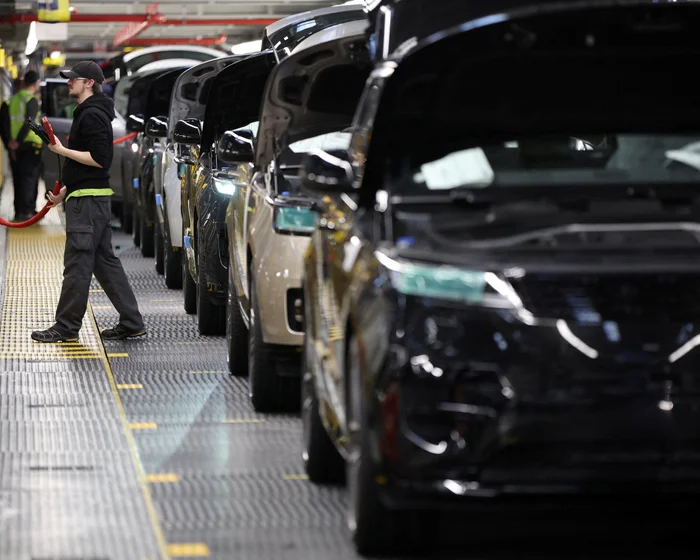
The British government has confirmed a massive financial injection for the domestic automotive sector today. Business Secretary Peter Kyle visited the sprawling construction site in Bridgwater to announce the news. A grant worth three hundred and eighty million pounds will support the new battery factory. This facility is a critical component of the country’s transition toward a greener transport economy. The site will eventually supply high-tech batteries to the legendary Jaguar Land Rover automotive brand. Tata Group owns both the luxury car manufacturer and the battery subsidiary known as Agratas. This investment represents a significant milestone for the industrial landscape of the English South West.
The vast gigafactory project is expected to create four thousand two hundred long-term jobs locally. Such a massive employment boost offers incredible stability for the residents of Somerset and beyond. Construction remains underway even though the project has faced several notable delays in recent months. The initial vision for the site required a total investment of four billion pounds sterling. A substantial portion of that funding was always expected to come from public taxpayer sources. Until this week the exact figure of the government contribution remained a closely guarded secret. Officials believe this funding will anchor the UK as a leader in electric vehicle technology.

The global shift toward electric vehicles has encountered some unexpected hurdles over the last year. Many major car manufacturers overestimated how quickly the public would ditch traditional petrol-powered engines altogether. Consumer demand for electric cars grew more slowly than many financial analysts had originally predicted. Consequently several high-profile projects across the globe were either delayed or cancelled by concerned boards. However the recent geopolitical situation has started to shift the economic incentives for many drivers. Global petrol prices have risen sharply due to the ongoing conflict involving the United States. High fuel costs are making the switch to electric power seem much more attractive now.
The Agratas plant will be a massive facility capable of incredible annual battery cell production. It aims to reach a capacity of forty gigawatt hours every single year of operation. This output should be enough to power hundreds of thousands of new electric vehicles annually. Currently the United Kingdom only possesses one other high-volume battery manufacturing facility in the north. That site is located in Sunderland and is operated by the Chinese-owned company called AESC. Adding a second major site in Somerset provides much-needed geographical balance to the British industry. Strengthening the domestic supply chain is a top priority for the current administration in London.
Progress at the Bridgwater site is visible though the building currently remains a steel frame. Engineers are working tirelessly to ensure the factory is ready for production by late next year. Agratas recently decided to scale back the physical footprint of the first primary factory building. The company insists this change is due to more efficient manufacturing processes being developed recently. They claim the reduction in size will not impact the total volume of batteries produced. This focus on efficiency is vital for competing with massive battery plants located in Asia. Maintaining a competitive edge requires constant innovation in both design and the manufacturing workflow.
Jaguar Land Rover remains the primary customer for the cells produced at this new Somerset location. The luxury brand is currently preparing to launch electric versions of its most iconic vehicles. We can expect to see electric Range Rover and Jaguar models hitting the streets very soon. The launch of the flagship electric Range Rover was pushed back from its original date. It was initially slated for a release in twenty twenty-five before being moved to this year. Prototypes have been undergoing rigorous testing for many months to ensure they meet high standards. The government recently softened some electric vehicle sales targets which eased the pressure on manufacturers.
Peter Kyle emphasized that this investment is part of a much broader industrial strategy. The government wants to provide long-term stability for international investors during these very uncertain times. He noted that providing a ten-year plan helps businesses commit to the British economy confidently. This strategy is designed to keep advanced manufacturing as a thriving pillar of UK industry. Beyond the battery plant the government is also funding various automotive research and development projects. These initiatives aim to put more money into the pockets of hard-working British families. Economic growth and national resilience are the twin goals of this multi-million pound grant.
Tata Group has already established a strong relationship with the UK government through other ventures. They previously secured five hundred million pounds to modernize their steelworks located in South Wales. That project involves replacing old blast furnaces with cleaner and more sustainable electric arc technology. The integration of steel production and battery manufacturing shows a cohesive vision for heavy industry. Supporting the entire supply chain from raw materials to finished cars is a complex task. Agratas representatives expressed their gratitude for the continued support from the UK government this week. They believe their facility will play a vital role in reaching national net zero goals.
 In the coming year over two thousand people will be working on the Somerset site. This number is expected to grow as the facility nears its official opening date. Until the Bridgwater plant is fully operational Jaguar Land Rover will source its batteries elsewhere. They have secured an interim supply deal with the AESC plant located up in Sunderland. This arrangement ensures that vehicle production can continue while the Somerset site is being finished. Investment banks have closely monitored these deals to assess the health of the British car industry. The collaboration between different manufacturers shows a pragmatic approach to solving immediate supply chain needs.
The Somerset community is preparing for the massive influx of workers and new infrastructure projects. Local businesses are expected to benefit from the increased economic activity generated by the gigafactory. Improving the local road networks and housing supply will be essential for the project’s success. The government and Tata are working together to ensure the local area can cope. This project is about more than just cars; it is about revitalizing a region. Bringing high-tech manufacturing back to the forefront of the economy is a bold national ambition. Everyone involved is hopeful that the 2027 production deadline will be met without further issues.
The transition to electric motoring is a marathon rather than a sprint for the United Kingdom. While the road has been bumpy the commitment of hundreds of millions of pounds is significant. It signals to the world that Britain is open for business in the green sector. The combination of private investment and public grants creates a powerful engine for national growth. As the steel frame in Somerset grows into a functioning factory the future looks bright. Drivers across the country will soon be using British-made batteries to power their daily commutes. This journey toward sustainability is a defining challenge of the current decade for everyone.
Related News:
 Reeves Faces Setback as Labour May Miss Homes Target
 Virgin Trains Moves Closer to Challenging Eurostar Monopoly
 Trump’s UK Ambassador Urges North Sea Drilling to Strengthen US Ties
 Ryanair Chief UK Economy ‘Doomed’ Under Labour
 ABF May Split Primark from Food Division Amid Tough Market
 M&S Profits More Than Halve After Cyber-Attack
 Tony Blair think tank warns Rachel Reeves must cut taxes if manifesto broken
 Earl of Yarmouth Faces £1.3m Legal Bill Over Family Estate
 Millionaires group urge Reeves to introduce wealth tax to ‘lift kids out of poverty’
 From Lego to Pokémon: How Adults Are Driving UK Toy Market Growth
 UK toy market enjoys bumper year as ‘kidults’ fuel demand
 New laws to bolster UK’s defences against cyber attacks on NHS, transport and energy
 Skims Eyes Global Expansion After Reaching $5 Billion Value
 Global markets drop amid tech sell-off and China slowdown
 Canada Passes Carney’s First Budget in Tight Parliamentary Vote
 PM Highlights UK Business at G20 in South Africa
 Mossmorran Plant Closure Hits Cowdenbeath Hard
 Steel billionaire Lakshmi Mittal reportedly leaves UK
 India’s Labour Law Overhaul Sparks Fierce Debate
 Starmer Says Labour’s Economic Plan Needs Years to Deliver
 Virgin Media Fined £23.8m Over Telecare Safety Failures
 Rising Water Bills Lift Troubled Thames Back to Profit
 Tesla Warns UK That Weak EV Rules Could Threaten Sales
 FTSE 100 Hits 10,000: UK Market Celebrates Record Year
 UK House Prices Fall Sharply at Year-End, Nationwide Reports
 Wessex Water chiefs receive £50,000 extra despite government bonus ban
 Canada-China trade gains momentum in new strategic partnership
MPs warn AI financial risks threaten UK stability
Canada-China trade gains momentum in new strategic partnership
MPs warn AI financial risks threaten UK stability
 MPs warn AI financial risks threaten UK stability
 B&M and The Works Struggle During Christmas Trading
 US Dollar Hits Four-Year Low Amid Market Turmoil
 Amazon mistakenly signals new global layoffs to employees
 Labour Must Revive High Streets to Avoid Election Collapse
 Households in England Face Rising Water Bills in April
 UK needs new factory to reach 1.3m car target, says industry chief
 UK New Car Discounts Near £6,000 as Prices Are Slashed
 Study Finds One in Seven England Takeaways Are Dark Kitchens
 Telstra AI jobs cuts as automation drive expands
 BT Names New Openreach Chief Amid Major Fibre Expansion
 AI fears hit UK wealth and comparison sites
 UK Housing Market Shows Early Recovery Signs
 UK economy struggles as growth stalls at 0.1% in late 2025
 Royal Mail Blames Poor Weather and Sickness for Delayed Deliveries
 British Steel wins Turkey rail boost
 Glencore Approves $2bn Payout Despite Profit Slump
 Sanders Condemns Billionaire ‘Greed’ in California Tax Debate
 UK Job Vacancies Hit Five-Year Pandemic Low
 UK Youth Unemployment Surges Amid Tax Changes
 Strong Rebound for UK Housing Market Sees 6% More Homes
 HSBC Signals Overhaul Nearing Completion Despite Profit Drop
 Inflation Pressure RBA Policies
 Engie UK Power Networks Deal Seals £10.5bn Buy
 Reeves Must Back Defence Plan or Face Dismissal, Says Unite Chief
 Qantas Revamps Loyalty Program Amid $1.46bn Profit Surge
 Switching Energy Deal Can Save £200 as Price Cap Falls
 UK house prices rise as market steadies
 Oil Prices Surge Above $100 Amid Iran War
 Revealed: UK AI Push Faces Phantom Investment Claims
 Abramovich Chelsea Sale Cash Faces Jersey Probe
 Brazil Floods Warning as Scientists Urge Fossil Fuel Exit
 Tesla Enters British Energy Market Following Ofgem Approval
 UK Pushes NHS and MoD to Buy British Tech
 UniCredit’s Bold Move to Reshape European Banking
 UK Wage Growth Slows as Jobs Market Holds Firm
 Charity Watchdog Takes Control of Learning Disability Care Home
 Eli Lilly Seeks Higher NHS Prices for UK Investment
 Trump Threatens Iran With Total Infrastructure Destruction
 IMF Predicts Global Economic Crisis Due to Gulf Unrest
 Trump Slams Europe as Transatlantic Tensions Boil Over
 Russia: The Unforeseen Winner of the Iran Conflict
 Can Congress Stop US Sports Teams From Moving Cities?
 Trump Issues Stark Warning After Strike On Iran’s Largest Bridge
 New Gmail Feature Ends Era of Embarrassing Email Names
 US Senators Slam Ticketmaster Over Sneaky New Fee Hikes
 The Great Energy Illusion: Is America Truly Oil Independent?
 Tax Shift Hits UK Farms: New Inheritance Rules Begin
 Iceland Boss Offers Role to Sacked Waitrose Employee
 The Great Disconnect: Why Washington’s Elite Can No Longer Find Work
 US and Iran Agree to Two-Week Provisional Ceasefire
 Markets Surge as Trump Agrees to Iran Ceasefire Terms