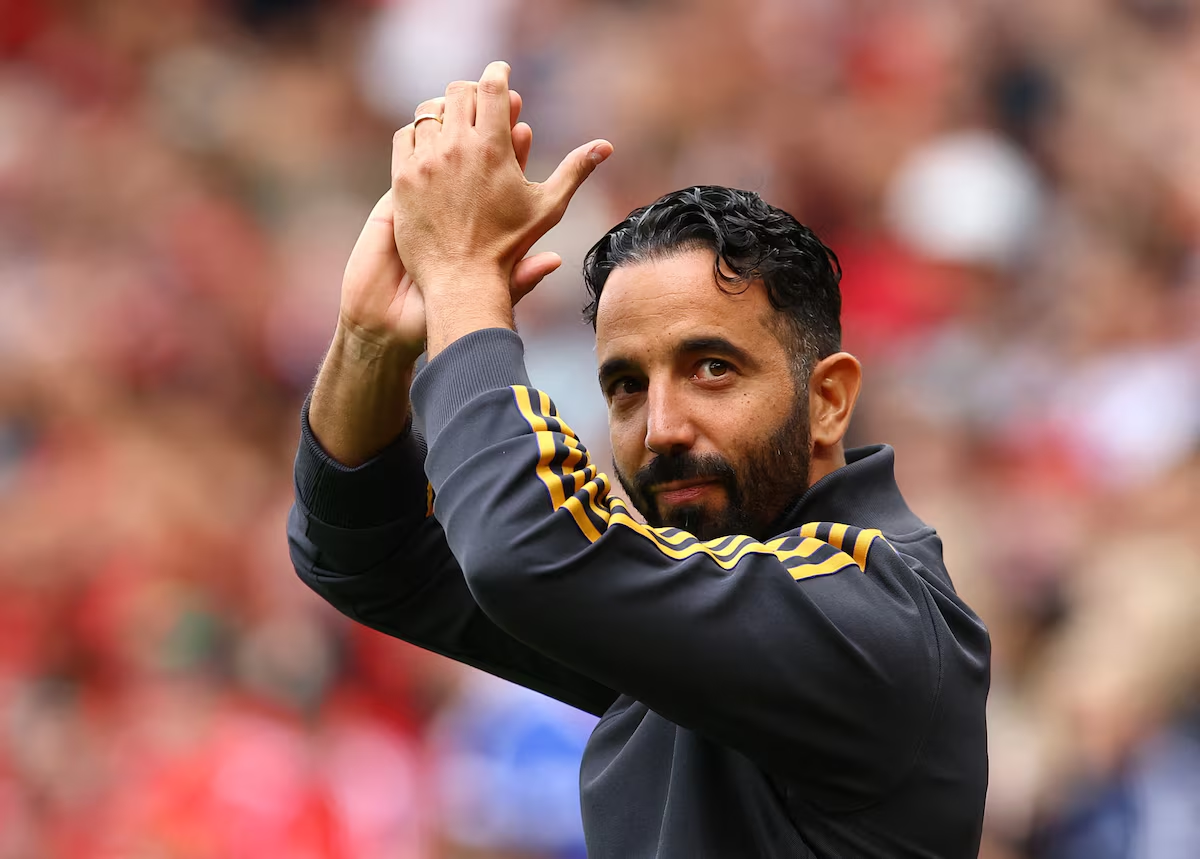
Published: 15 August ‘2025. The English Chronicle Desk
Manchester United and Arsenal head into the new Premier League season on distinctly divergent trajectories, and the pressure on their respective managers could not be more contrasting. Ruben Amorim’s bold declaration of a 20-year tenure at Old Trafford is already facing its first real test: lasting more than 20 weeks and proving that he can elevate a struggling United side to Premier League standards.
The season opener against Arsenal is a fixture loaded with both promise and peril for Amorim and Mikel Arteta. While Arteta’s challenge is to consolidate Arsenal’s position as genuine title contenders, Amorim’s task is far more foundational: demonstrating that he is capable of transforming a historically underperforming United squad into a competitive force. Expectations, therefore, could hardly be more unequal.

For Arsenal, the pressure is immediate but somewhat familiar. Arteta must convert a string of near-misses into tangible success, overcoming the perception that finishing second is insufficient. Arsenal supporters would do well to remember that competitive consistency in the league and deep runs in the Champions League signify progress, even if ultimate triumph remains elusive. Any early stumbles must be contextualized within the broader trajectory of the club, rather than triggering overreaction.
United, by contrast, is starting from a significantly lower baseline. Amorim’s prior record at Braga and Sporting Lisbon, boasting a win rate of over 70 percent, contrasts sharply with his 40 percent win rate at Manchester United, where he has suffered 17 defeats in 42 matches. While the circumstances and squad imbalances explain some of the difficulties, the magnitude of the challenge cannot be overstated. Turning United into a side capable of consistently challenging for European qualification, let alone the title, is a task of monumental scale. If the Red Devils reach Arsenal’s current level in five years, it would be nothing short of a managerial miracle.
Financial decisions and strategic direction at Old Trafford have added layers of complexity. Mixed messages regarding budgets, spending, and long-term planning have underscored the volatility surrounding the club. Amorim faces the dual challenge of navigating this instability while delivering tangible results on the pitch. Against Arsenal, United will enter as underdogs, but the outcome of this match will set the tone for how the manager’s tenure is perceived.
Arsenal, meanwhile, must guard against self-inflicted pressure. Pre-season incidents, including the reaction to a friendly defeat against Villarreal and Arteta’s intensity-driven confrontations, suggest that internal dynamics could influence performance. Maintaining focus on development, conditioning, and tactical refinement, rather than overvaluing early results, will be crucial for sustaining a title challenge.

The sub-plot of the season opener is also defined by the striker duel. Arsenal’s decision to secure 22-year-old Benjamin Sesko contrasts with United’s Victor Gyokeres, 27, who has experience under Amorim at Sporting Lisbon. This symbolizes the broader philosophies of the two clubs: Arsenal pursuing youthful potential for long-term growth, and United seeking immediate impact from an established talent.
Ultimately, the contrast between Amorim and Arteta, and by extension between Manchester United and Arsenal, could not be starker. Arteta’s task is to refine an already strong foundation and convert it into championship success. Amorim’s challenge is to construct that foundation from the ground up. If Manchester United reaches Arsenal’s current level within five years, it will be a testament to extraordinary managerial skill and resilience, underscoring the immense scope of his task at Old Trafford.
Related News:
 Predicted Leicester Line-ups Reflect Cifuentes’ Tactical Plans Ahead of New Season
 Lionesses Return in Glory with an Open-Top Parade, Spark National Pride and Rewrite the Future of Women’s Football
 Central London Gears Up for Lionesses’ Victory Parade as Thousands Prepare to Celebrate Historic Women’s Euros Win
 London Set to Honour Euro 2025 Champions as Lionesses Take Victory Parade Through the Capital
 Rangers Boss Russell Martin Launches Blistering Critique After Disappointing Draw with Motherwell
 Ngumoha Shines Bright as Liverpool’s Future Looks Fiercely Promising
 Minute’s Silence for Diogo Jota Abruptly Ended After Wembley Tribute Disrupted
 Premier League Supercomputer Predicts Tough Season for Man Utd Amid Three-Team Title Battle
 Diogo Jota’s Empty Seat at Liverpool: A Symbol of Grief, Inspiration, and Duty
 Aston Villa Under Pressure as Newcastle Take on Hosts in Premier League Opener
 Isaac Price Shines as West Brom Clinch 3-2 Victory at Wrexham’s Championship Return
 Tottenham Make Three Changes as Spurs Prepare to Host Burnley in Premier League Opener
 Manchester City Announce Their Return in Style with Haaland Double and Debut Goals at Wolves
 FIFA Eyes Biennial Club World Cup from 2029, Plans Possible Expansion
 European Football: Atlético Madrid Stumble at Espanyol as Vitinha Secures PSG Win
 Leeds Mark Premier League Return with Gritty Win Over Everton
 Arsenal Move to Secure Eberechi Eze, Outpacing Tottenham
 Rodgers Acknowledges Celtic Must Strengthen Squad After Frustrating Kairat Draw
 Mateta’s Strike Gives Crystal Palace First-Leg Edge in Conference Playoff
 British Paralympians Accused of Disrespect After Turning Backs During Israeli Anthem
 Ruby Tui Emerges as the BBC Rugby Pundit Fans Never Knew They Needed
Ruby Tui Emerges as the BBC Rugby Pundit Fans Never Knew They Needed
Ruby Tui Emerges as the BBC Rugby Pundit Fans Never Knew They Needed
 Grimsby Stun Manchester United in Dramatic Penalty Shootout
 Club Brugge Crush Ten-Man Rangers to Deepen Russell Martin’s Crisis
 Guardiola Admits City ‘Forgot to Play’ After Shock Defeat to Brighton
 Morgan MacRae: From 17 Minutes Dead to Returning to Rugby in Six Weeks
 Serbia Humiliated 0-5 by England in World Cup Qualifier
 Fábio Carvalho’s Last-Minute Heroics Deny Chelsea Victory at Brentford
 Tottenham Cruise to 3-0 Victory Over 10-Man West Ham in London Derby
 Terence Crawford Shocks Canelo Álvarez to Claim Undisputed Super-Middleweight Crown
 Guardiola Faces Criticism for Defensive Approach in Manchester City’s Clash with Arsenal
 England Must Stay True to Their Style Ahead of Women’s Rugby World Cup Final: Lessons from 1991
Liverpool Vs outhampton Set for Carabao Cup Clash at Anfield
England Must Stay True to Their Style Ahead of Women’s Rugby World Cup Final: Lessons from 1991
Liverpool Vs outhampton Set for Carabao Cup Clash at Anfield
 Chelsea Survive Lincoln City Scare to Advance in Carabao Cup
 Aston Villa Edge Bologna as Europa League Campaign Kicks Off
 Tottenham Salvage Point with Stoppage-Time Palhinha Strike Against Wolves
 Arsenal VS Newcastle Hearts with Dramatic Late Turnaround at St James’ Park
 Aston Villa Fight Back to End Winless Run with Convincing Victory over Fulham
 Tragic Death Strikes Half-Marathon in Stoke-on-Trent: Runner Dies Shortly After Crossing Finish Line
 Postecoglou Stands Firm Amid Mounting Forest Fan Frustration
 Tuchel Criticises ‘Silent Wembley’ After England Win
 Kane’s Double Seals England’s World Cup Qualification
 Ronaldo’s Record Not Enough as Hungary Hold Portugal
 Fulham vs Arsenal Trossard Strike Sends Gunners Three Points Clear
 Ange Postecoglou’s Naivety Premier League Misadventure Ends
 Arsenal vs Atlético Madrid,Gyökeres Double Secures 4-0 Champions League Victory
 Barnes Inspires Newcastle to Champions League Triumph Over Benfica
 Gibbs-White Inspires Forest to Thrilling Win Over Porto
 Go Ahead Eagles Shock Aston Villa as Buendía Misses Late Penalty
 Aaronson and Rodon Punish West Ham as Leeds Claim Victory
 Manchester United triumph as Mbeumo brace seals thrilling win
 Fabio Wardley stuns Joseph Parker to earn Usyk title shot
 Brentford Dominate Grimsby in Carabao Cup, Collins Seals 5-0 Triumph
 Sarr Double Sinks Young Liverpool in Carabao Cup
 Nwaneri and Saka Secure Arsenal Win Over Brighton
 Woltemade Hot Streak Fires Newcastle Past Spurs
 Salah & Gravenberch Lead Liverpool to Win Against Villa
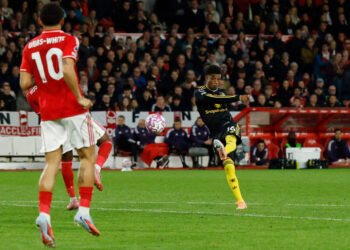 Dyche Criticises Corner Decision as Forest Draw with United
Caicedo Shines as Chelsea Edge Spurs in Chaotic Derby
Dyche Criticises Corner Decision as Forest Draw with United
Caicedo Shines as Chelsea Edge Spurs in Chaotic Derby
 Granit Xhaka Rescue Earns Everton Draw at Sunderland
 Liverpool Edge Real Madrid 1-0 in Champions League Thriller
 Burn and Joelinton Head Newcastle to Victory Over Bilbao
 Foden shines as Man City dismantle Dortmund in dominant display
 Garnacho Spares Chelsea From Shock Champions League Loss in Baku
 Tension and Turmoil at Aston Villa v Maccabi Match
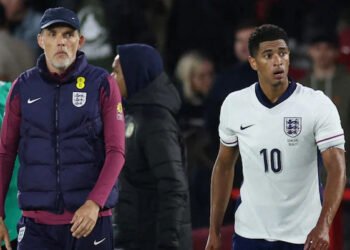 Bellingham has ‘the edge’ among England No 10s
Man City Masterclass on Guardiola’s Milestone Day Exposes Liverpool Woes
Bellingham has ‘the edge’ among England No 10s
Man City Masterclass on Guardiola’s Milestone Day Exposes Liverpool Woes
 Lando Norris Dominates Brazil GP to Strengthen F1 Title Bid
 England cannot afford to be in awe of the All Blacks, warns Jamie George
 VAR Must Rein Its Neck In to Save Football’s Spirit
 Trescothick Hints Pope Will Keep Number Three Spot
 Ronaldo Confirms Final World Cup and Plans Retirement
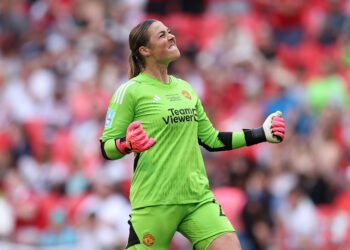 Mary Earps’s Manchester United Return Faces Mixed Reception
 Sam Kerr Stars in Chelsea Return with Champions League Double
 This kid is something else: Alex Scott’s rise to England call-up
 Former Lion Heskey Warns of Shortage of England Strikers
 Moyes Defends Gueye After Dramatic Everton Bust-Up
 Jac Morgan to Miss Six Nations Start After Surgery
 Alexander Isak ends drought as Liverpool stop rot with win at West Ham
 Mbappe rescues Real Madrid with a penalty at Girona